How Do You Investigate A Suspected Chemical Attack?
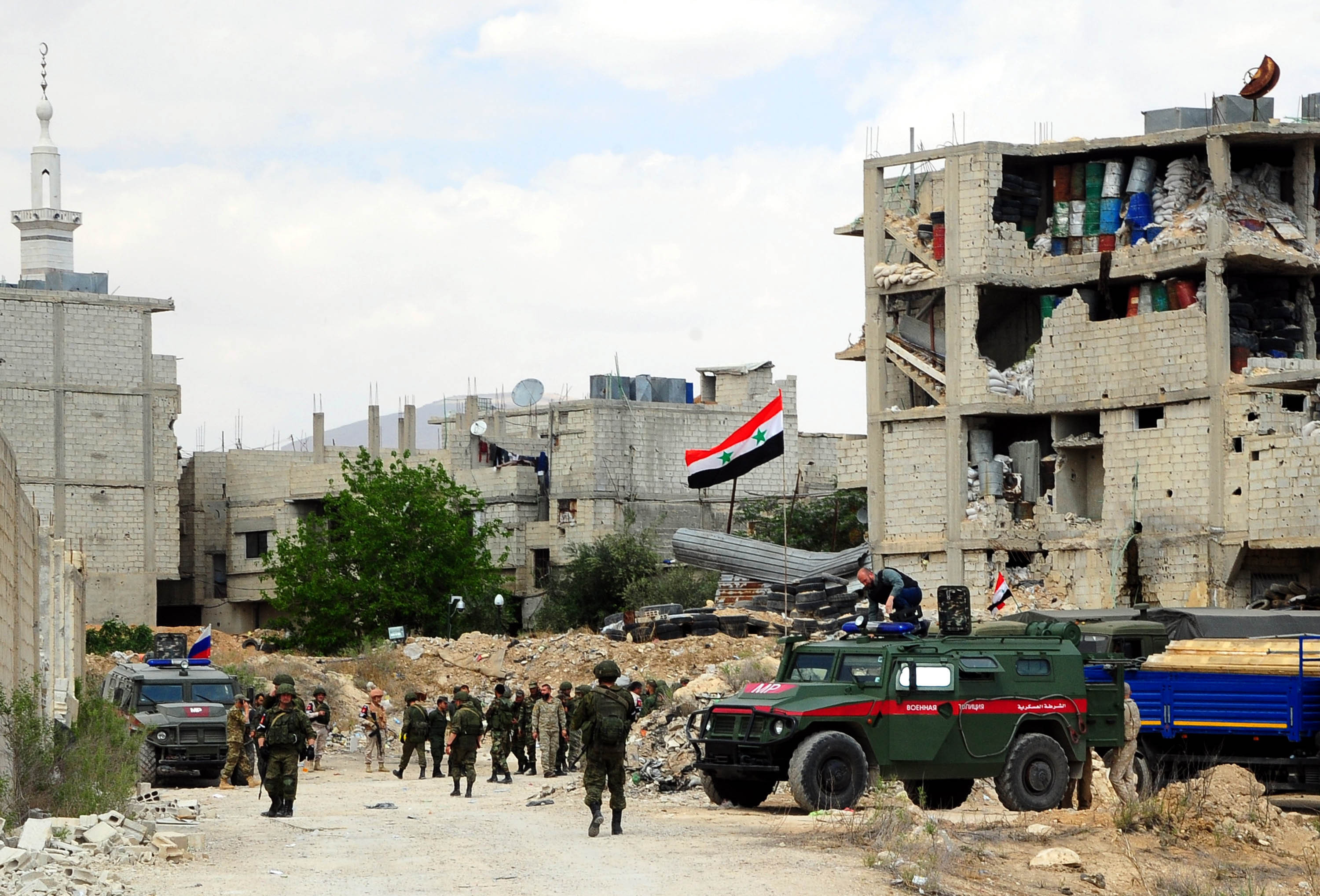
Cover image: Ammar Safarjalani/Xinhua News Agency/PA Images
International chemical weapons inspectors are yet visited the site of a suspected attack in Syria on April 7.
The Organisation for the Prohibition of Chemical Weapons said yesterday that the UN Department of Safety and Security (UNDSS) team came under fire in Douma on Tuesday.
The US State Department has accused the Syrian government and its ally Russia of trying to cover up the alleged April 7 attack.
To find out more about the attack and how chemical attacks are investigated, we interviewed Dr Patricia Lewis, the Research Director for International Security at Chatham House.
Dr Lewis was previously director of the UN department that looked at chemical weapons proliferation.
Question 1: Who carried out the attack?
Question 2: What's OPCW procedure to find the source of the Douma attack?
Question 3: Is it possible to get rid of any evidence on the ground?
Question 4: What about a step up from this, are we looking at a biological attack?
Join Our Newsletter