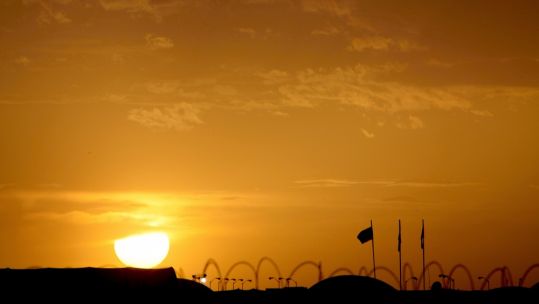
Afghanistan: Germany And Italy Complete Troop Withdrawals
It brings the NATO mission in Afghanistan close to an end while the US' own withdrawal continues to loom.


It brings the NATO mission in Afghanistan close to an end while the US' own withdrawal continues to loom.
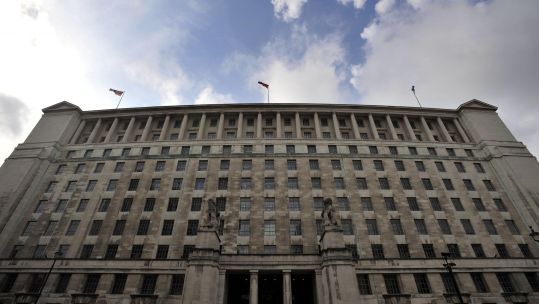
According to the BBC, the documents include plans for UK military presence in Afghanistan.
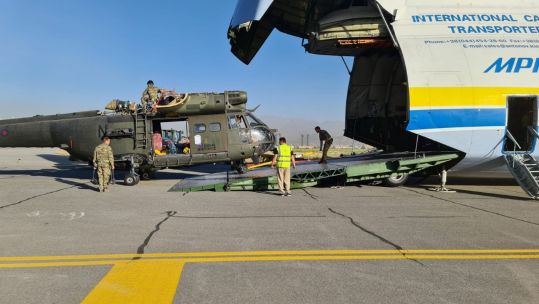
The helicopters had been helping the NATO-led mission to train, advise and assist the Afghan National Defence and Security Forces.
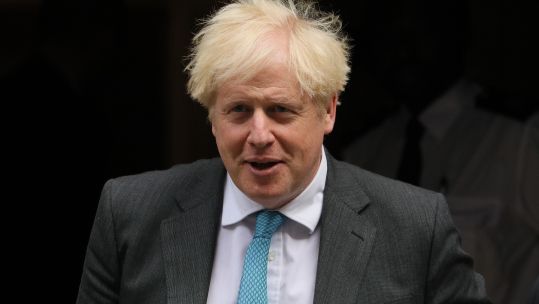
NATO started to withdraw from Afghanistan on 1 May, two decades since British forces entered the country.
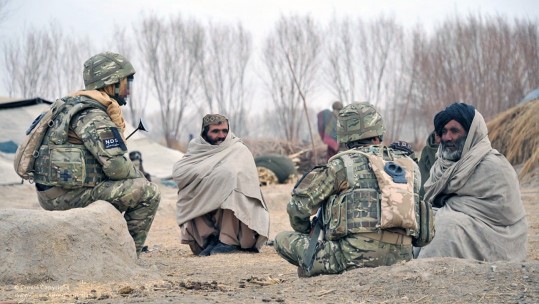
About 3,000 more Afghans are expected to settle in the UK under the plan.
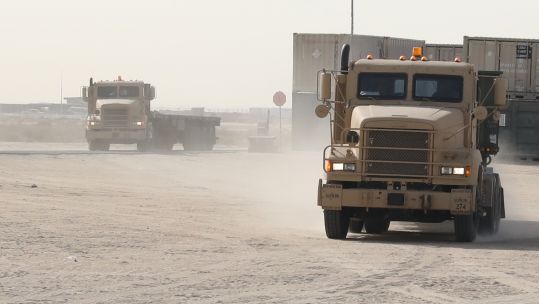
Five US-controlled installations in Afghanistan have been handed back to the Afghan Defence Ministry so far.
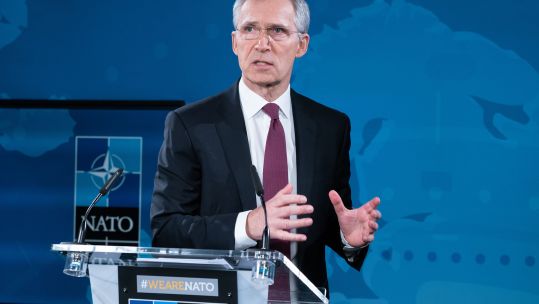
NATO started to withdraw from Afghanistan on 1 May but the alliance plans to continue training Afghan soldiers outside the country.
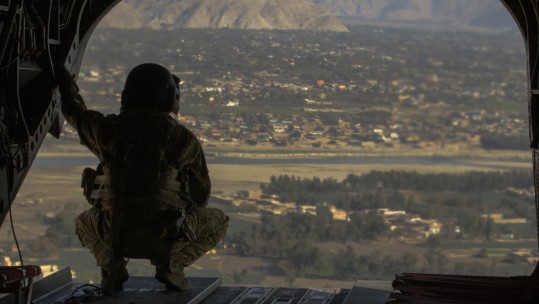
General Scott Miller also told the BBC he expects Taliban violence to worsen after the Eid ceasefire.
A former commander of British forces in Iraq has outlined the issues posed by withdrawing troops from a country.
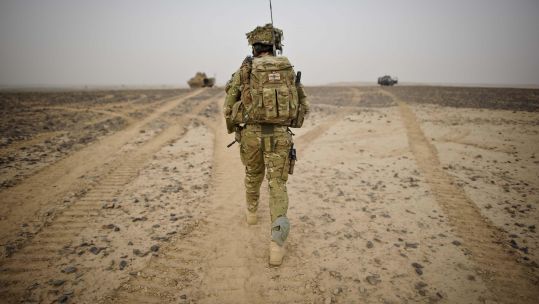
More than 450 British personnel have died in Afghanistan since the start of operations in 2001.
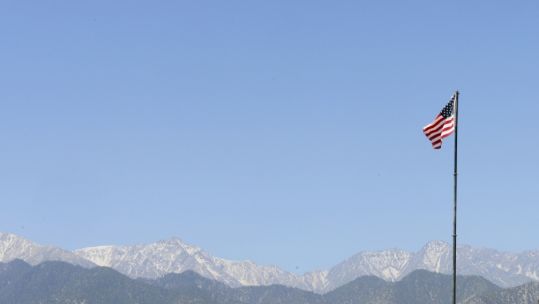
As the withdrawal continues, US officials are being careful not to disclose troop numbers in Afghanistan.
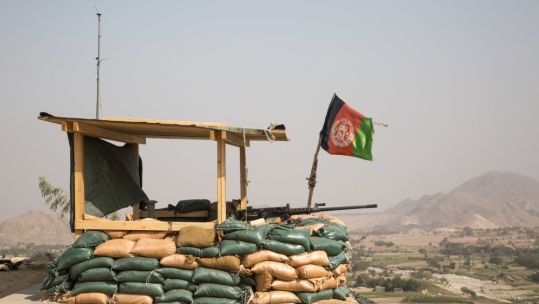
Recent attacks in Afghanistan have underlined concerns that violence could spread once US and coalition forces withdraw.
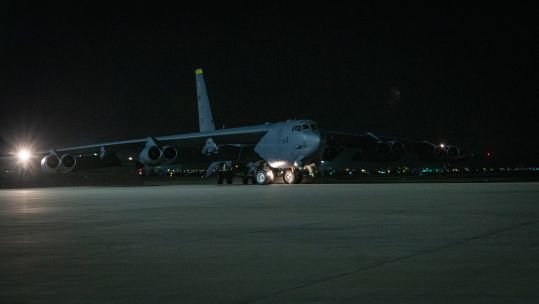
US Secretary of Defense Lloyd Austin said the US will remain partners and "continue to support" Afghanistan.
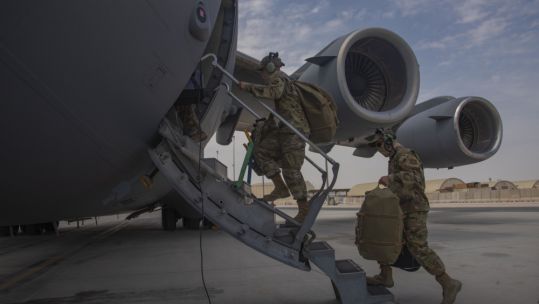
1 May officially marks the deadline date of troops withdrawing, agreed with the Taliban in 2020.
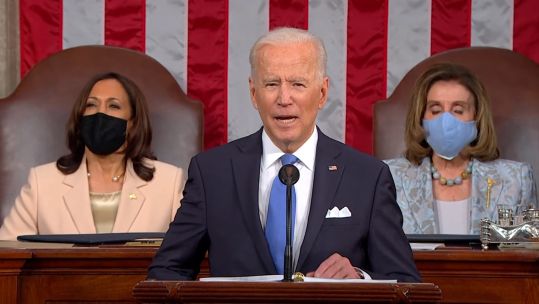
In his first speech to Congress, US President Joe Biden said after 20 years of 'valour' it was time to bring American troops home.
A defence minister has suggested a review will be carried out into Britain's military involvement in the country.