Detect and defeat: Radar upgrade lets RAF Typhoons keep closer eye on potential threats

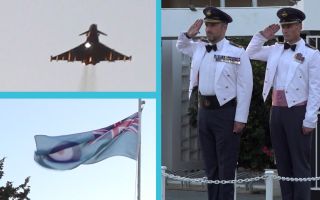
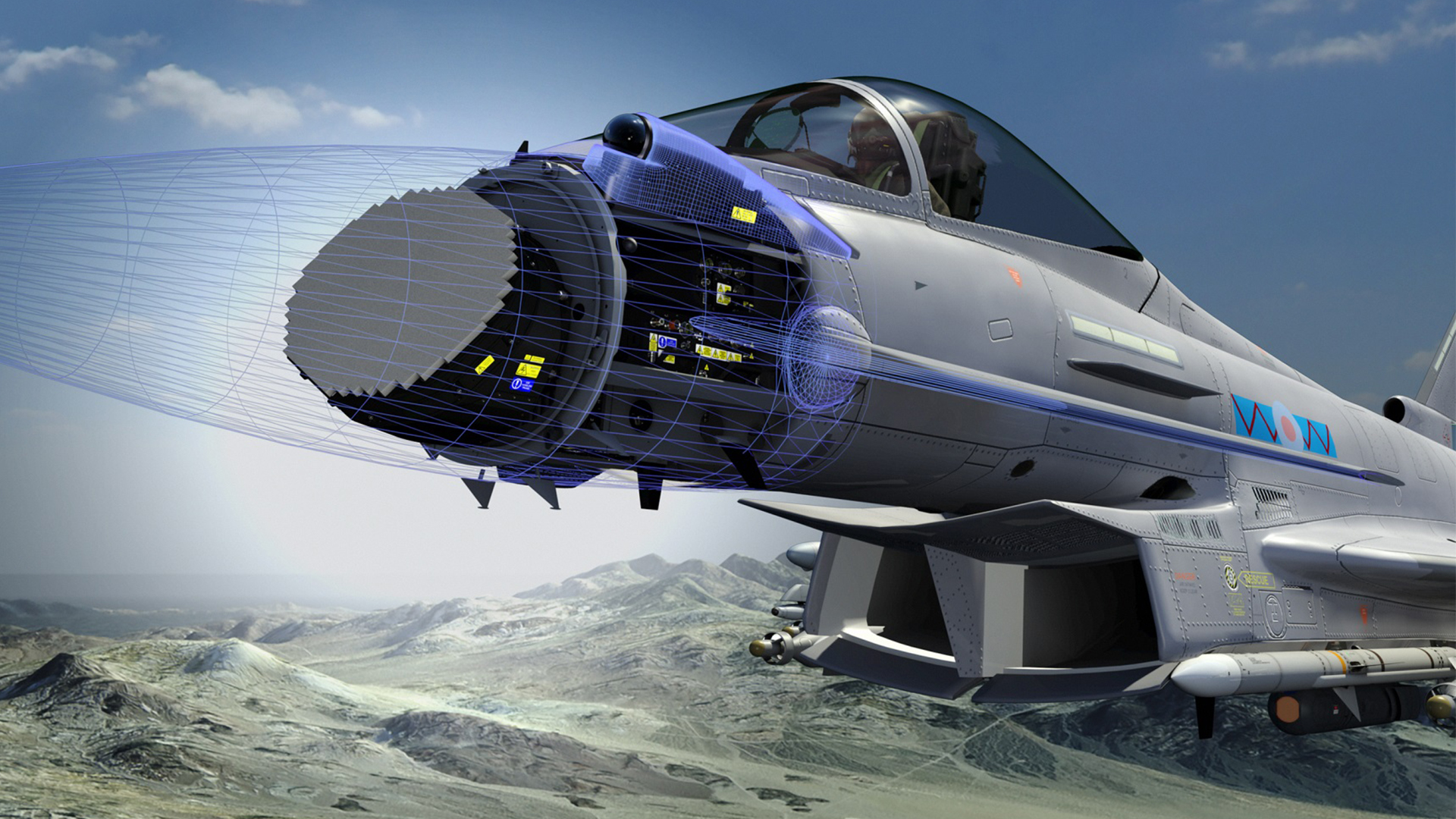
The RAF's fleet of Typhoon FGR Mk4s is being upgraded with new state-of-the-art radar systems to help the jets better detect and identify potential enemy aircraft.
The new radars, which are being manufactured under a £453m contract at Leonardo UK's site in Edinburgh, aim to improve on the capability already provided by the existing European Common Radar System Mk2.
Forty advanced ECRS Mk2 radars will be fitted to RAF Typhoons, including 38 new systems and modifications to two test systems.
Typhoon fleet is the backbone
The current system is already quite potent, being capable of locating, identifying and suppressing enemy air defences, providing advanced electronic warfare capabilities.
The RAF points out how the radar's ability to track both airborne and ground-based emitters without discharging a signal itself is a significant advancement over previous versions.
This capability allows Typhoons to remain operational and effective in high-threat environments, ensuring they can detect, identify and track multiple targets simultaneously.
Defence Secretary John Healey said of the new radar: "Our Typhoon fleet is the backbone of UK and Nato air defence, operated across Europe by the Royal Air Force and our allies to protect our skies and security.
"As the threats we face increase, and as Russian drones continue to strike Ukraine and violate Nato airspace, this cutting-edge radar capability will keep Britain secure at home and strong abroad for many years to come."
Under the new contract, BAE Systems, Leonardo UK and Parker Meggitt will equip the RAF's Typhoons with the new radar systems over the coming years.
A force to be reckoned with – for years to come
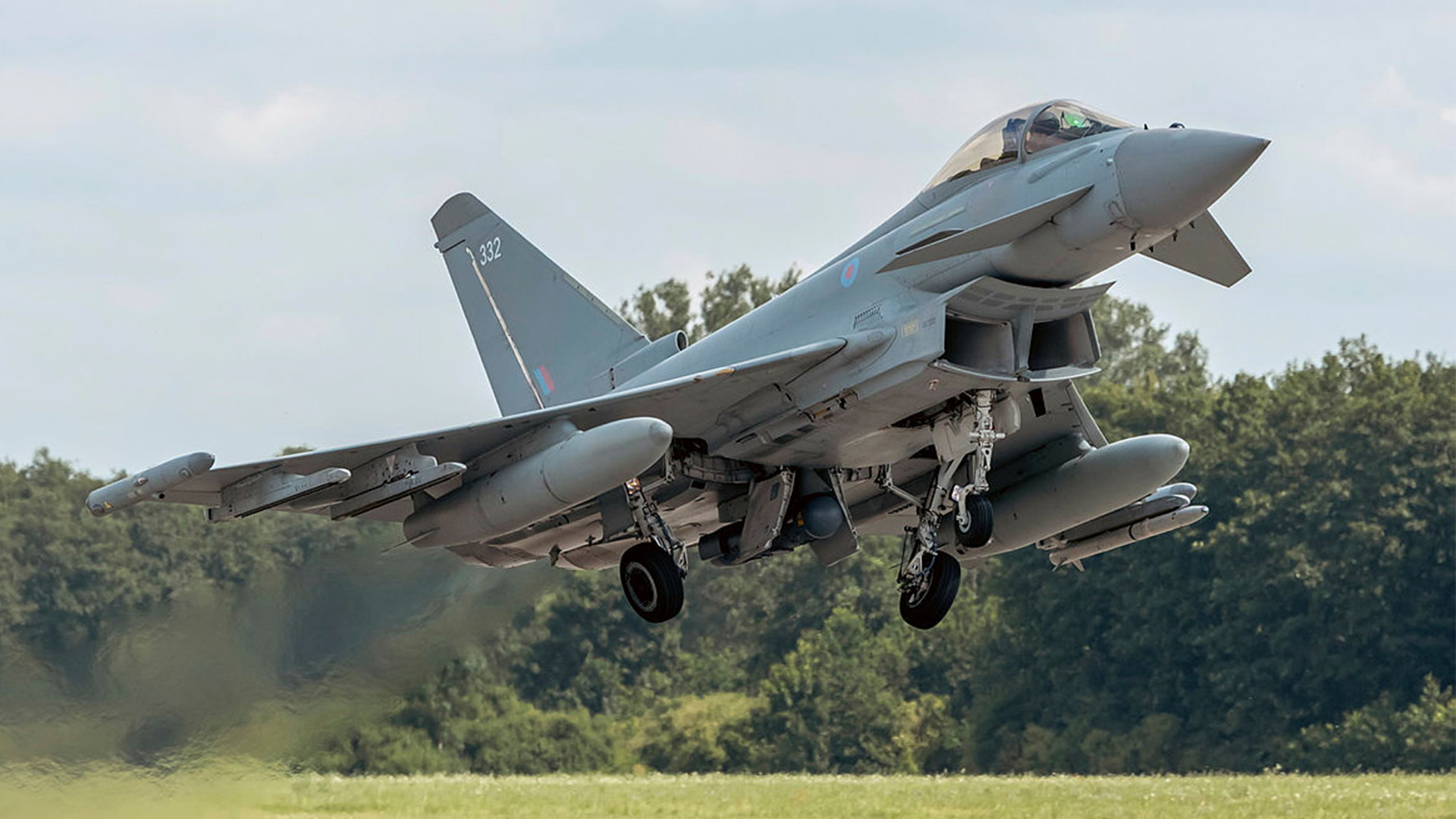
The Typhoon F Mk2 was originally introduced for air-to-air combat, but has evolved into the FGR Mk4 – a highly capable and agile fourth-generation combat aircraft.
It can be deployed in a wide range of air operations, including air policing, peacekeeping and high-intensity conflict.
The Typhoon has been used in various missions, such as Operation Ellamy in Libya, Operation Shader in Iraq and Syria, Operation Azotize for Baltic Air Policing and Operation Biloxi for Southern Air Policing in Romania.
It also plays a key role in Quick Reaction Alert missions in the UK and the Falkland Islands.
Typhoons first saw combat during the 2011 intervention in Libya.
The radar investment follows a £205m contract that was announced earlier for the long-term provision of specialist Typhoon engineering support by QinetiQ.
This will help upgrade the Typhoon and keep the aircraft safe and airworthy for years to come.
Join Our Newsletter