MOD rejects payout claim from veteran forced out of Army after false gay accusation

The Ministry of Defence has rejected claims to its LGBT Financial Recognition Scheme, seemingly without merit, according to service charity Fighting with Pride.
The scheme, which pays £50,000 to individuals impacted by the ban on homosexuality in Britain’s Armed Forces, is designed to compensate for lost military careers after a judge-led inquiry ruled there had been systemic abuses while the ban was in place.
But with less than a year remaining for veterans to make claims under the scheme, Fighting with Pride said it was seeing an increase in the number of applications being refused – prompting it to secure legal advice for those turned down for payouts.
"You can either go the easy way, or you can go the hard way"

BFBS Forces News has spoken to two veterans who have been denied payments.
One of the men, Steven Waring, 60, was forced to leave the Army in 1982 while still in basic training. He was just 16 years old at the time and wrongly suspected of being gay.
"I was marched up to the Commanding Officer and that’s when I found out they wanted to talk about 'why I'm a puff'," Mr Waring said.
"I'm 16. I didn't understand that word. I didn't know what they meant. But there was this accusation being thrown around that they thought I was a gay man."
Although Mr Waring denied the allegation – which would have been illegal at the time – he said he was treated like a criminal and ordered to sign discharge papers.
He said the matter led to him falling out with his father, whom he did not speak to again until he was dying many years later.
The MOD has rejected Mr Waring’s claim to the Financial Recognition Scheme, which opened for applications last January.
It advised him that, officially, he resigned from his role and was not, in its view, formally dismissed. He said he was given no choice.
"I was asked two things by my Commanding Officer: you can either go the easy way, or you can go the hard way," Mr Waring added.
"So I signed these forms. Naive. Sixteen. No parents there, nothing."
Fighting with Pride said Mr Waring's case, and others like it, would nowadays be considered a clear example of constructive dismissal.
However, the MOD remains unmoved by this argument. In a statement, it said it does not comment on individual cases.
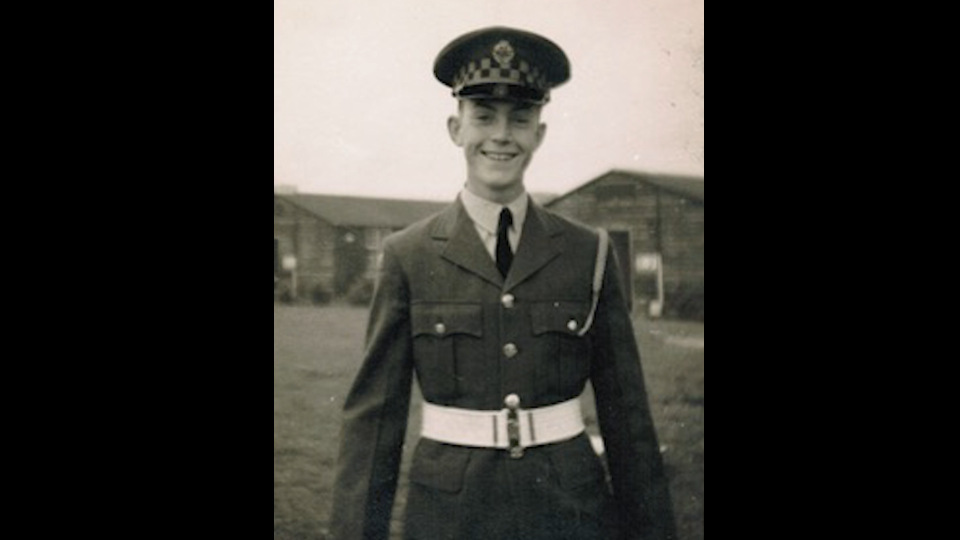
Another veteran, 80-year-old Chris Dennis from Surrey, has also been refused access to the Financial Recognition Scheme. In 1966, the Royal Air Force discovered he was gay and court martialled him following what he remembers as an abusive investigation by the military police.
"The [Special Investigation Branch] were quite aggressive. They even indicated to me that I could have an ordinary discharge, which I declined, because they wanted the names of everybody I knew of [who was also gay] in the Air Force," Mr Dennis said.
"I decided I wasn't going to do that. I wasn't going to put other people through what I was going through."
Although Mr Dennis's discharge was a dismissal brought about by a court martial, the MOD has denied him a payout because it said he was dismissed in 1966.
Eligibility criteria for the scheme state that individuals must have been discharged from 1967 onwards. That means Mr Dennis misses out on eligibility for the £50,000 payment by just a handful of months.
"That hit me pretty bad. I thought 'why I have been rejected', for the sake of I think three months?" Mr Dennis said.
The MOD again said it does not comment on individual cases, but advised that the eligibility date for the Financial Recognition Scheme begins in 1967 because it aligns with the introduction of the Sexual Offences Act, which effectively decriminalised homosexuality in England and Wales.
The Armed Forces were explicitly exempt from the Act, meaning it remained an offence under service law.
For this reason, anyone dealt with by military police under suspicion of being gay prior to 1967 is not deemed eligible for consideration under the scheme.
The schemes that Armed Forces veterans are eligible for
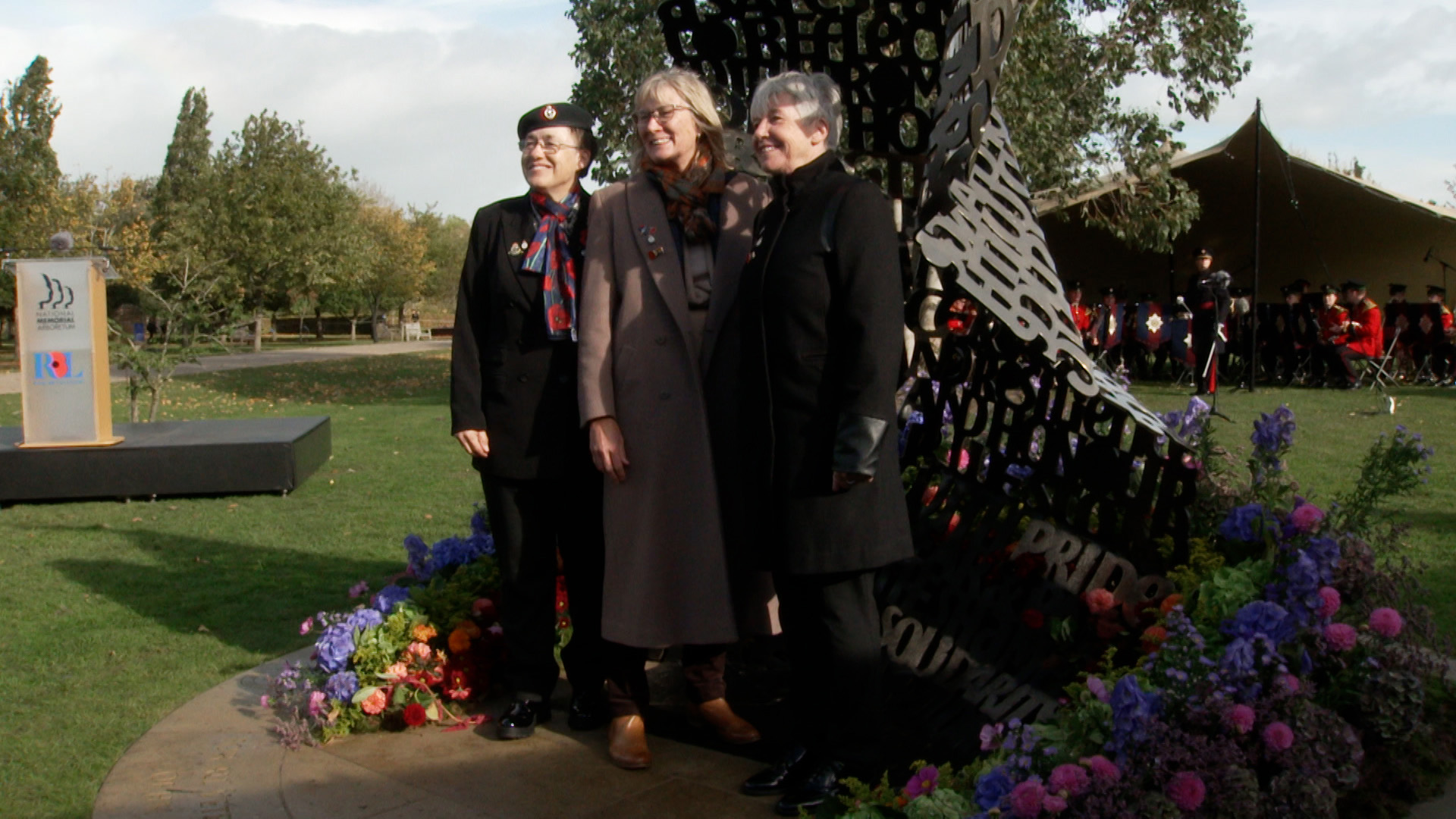
Armed Forces veterans impacted by the ban are able to apply to two sub-schemes under the Financial Recognition Scheme. The first, known as the Discharge or Dismissal Payment, makes payments of £50,000 to those deemed eligible.
As of December 2025, the MOD had received 986 applications to this scheme, of which 667 had been assessed. It is this scheme under which both Mr Waring and Mr Dennis have been refused payments.
A second scheme, known as the Impact Payment, awards up to £20,000 based on the personal impact the ban had on individuals.
Although Mr Waring and Mr Dennis have been refused payouts under the first scheme, both are entitled to apply under this second scheme.
As of December, a total of 1,053 applications for Impact Payments had been received, but just 316 had been processed – far fewer than under the Discharge or Dismissal scheme.
Decisions are made by an independent panel of assessors, led by Lord Brian Paddick, the former deputy commissioner of the Metropolitan Police.
Backlog in processing claims
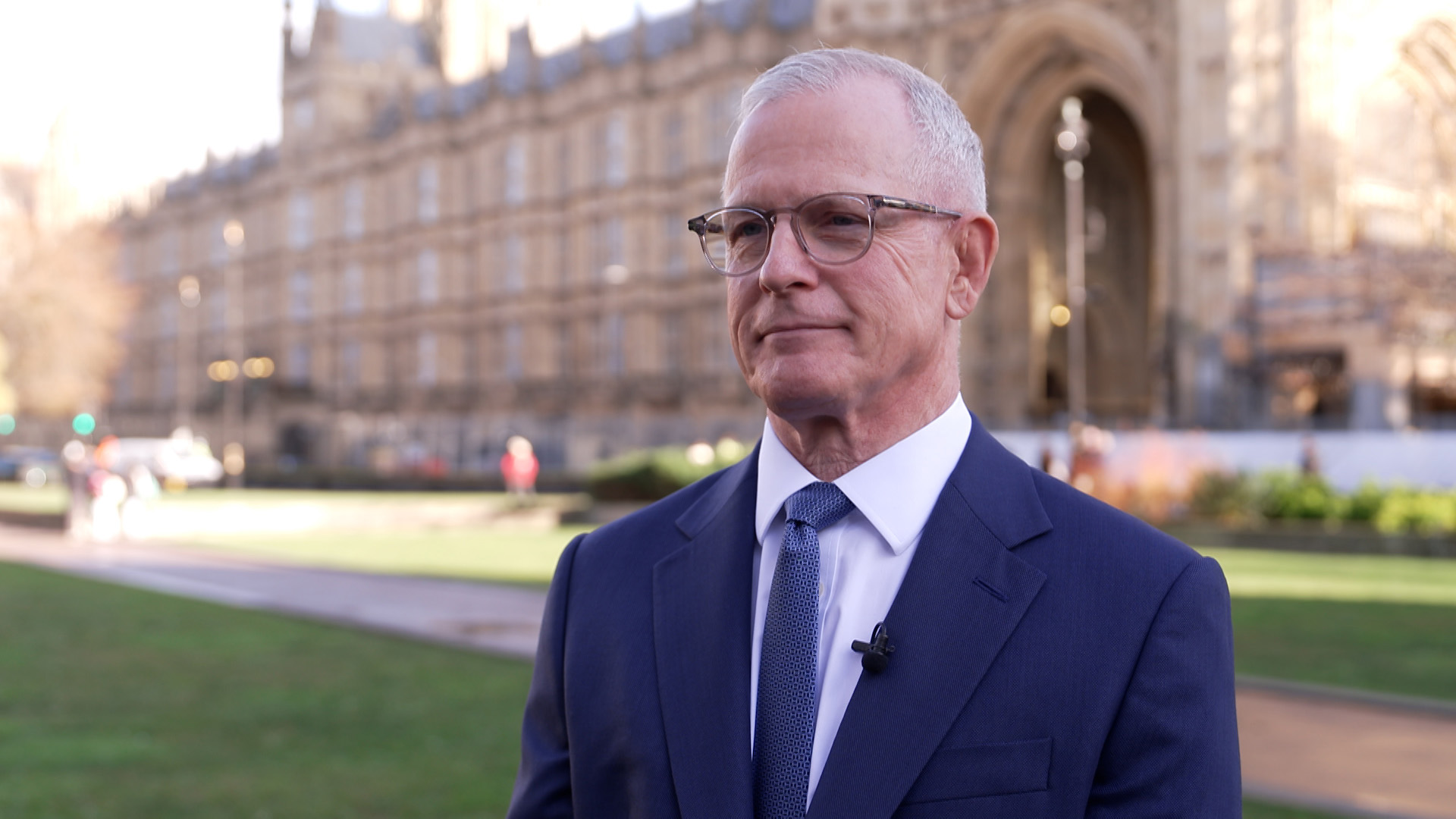
In an interview with BFBS Forces News, Lord Paddick explained why he believes there is a backlog in the processing of claims.
"There were delays in appointing me as chair. It had to be a ministerial appointment, as it had to be for the panel members. And so, we didn't actually start sitting until May last year," Lord Paddick said.
"It is a lot to do when it is taking a day and a half to prepare for each of these panels now, and half a day to do each panel."
The MOD told BFBS Forces News it is increasing the size of Lord Paddick's team and the number of panel meetings used to assess claims. Lord Paddick said he believes this will help address the backlog.
But beyond delays in processing applications, Lord Paddick's panel has also been criticised by some veterans who are unhappy with the amounts they have been offered. The panel has been accused of making low awards.
It is understood that of the more than 300 decisions made so far, the maximum award of £20,000 has been made fewer than 10 times.
Lord Paddick said his team has a great deal to weigh up when making awards.
"Some people have had the most dreadful experience, and those individuals we have given the maximum awards to," he explained.
"Then we have to calibrate between those people who have suffered to such a great extent against the experience of other people.
"And it would not be fair on other people who have had these whole series of devastating things happen to them, that we've given the maximum award to, if we gave that same award to people whose suffering has not been as great."
Fighting with Pride is keen to stress that time is running out for veterans impacted by the ban to submit applications to the Financial Recognition Scheme. The deadline for submissions is the end of December 2026.
The charity accused the MOD of not promoting the scheme – or its looming deadline – widely enough across the veteran community.
It said: "The MOD should take a long hard look at the pitiful resources that have allocated to advertising the schemes and do something about it.
"With a closing date of December 2026, not a single day should be wasted in seeking out every single veteran who entitled to this justice."
The charity added that it has offered the MOD "specialist" community-focused advice and assistance to help spread awareness of the Financial Recognition Scheme as widely as possible.
Ministry of Defence response
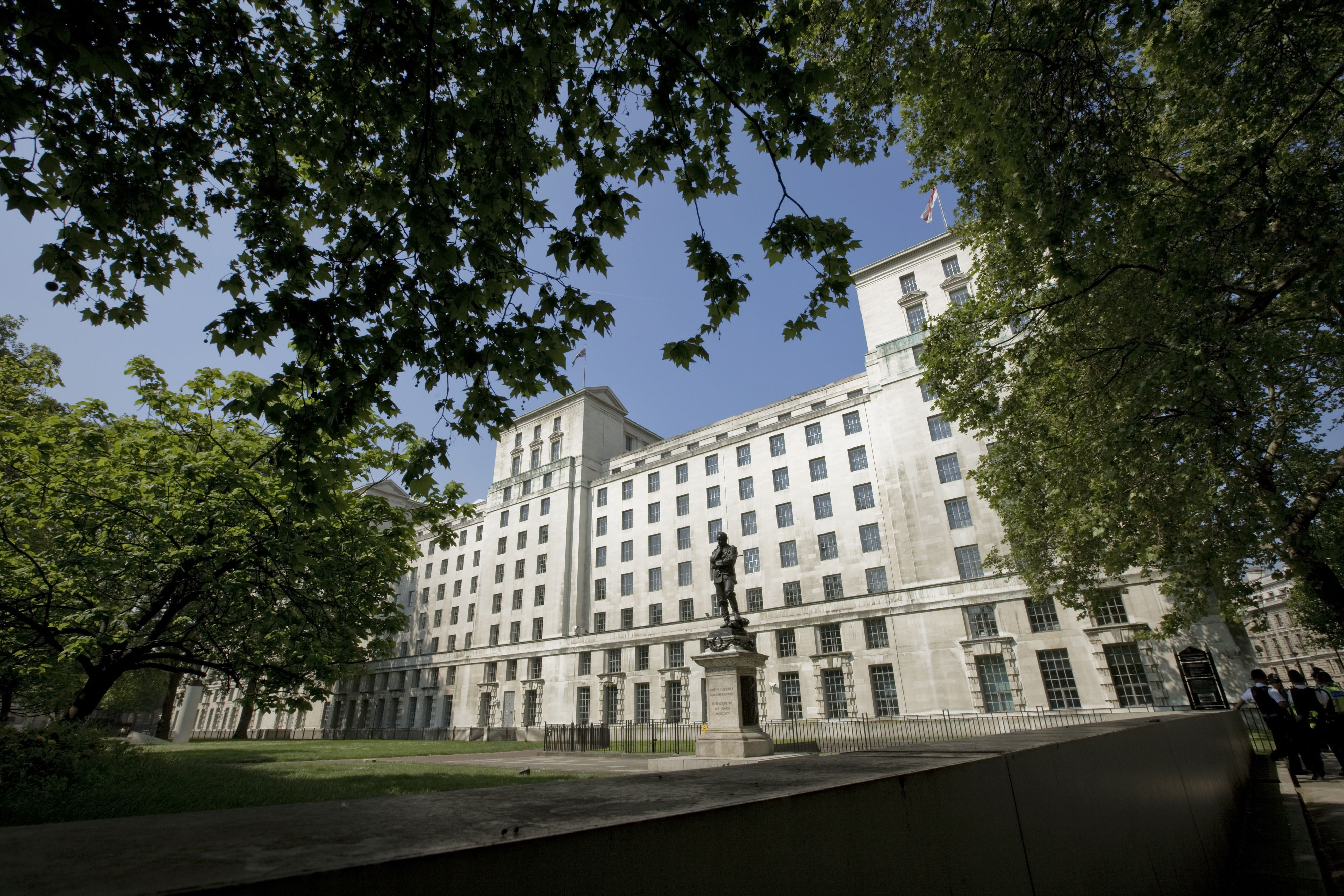
But the MOD said it is taking steps to advertise the scheme, advising that it is committed to ensuring all eligible veterans are aware of it.
It added that it is working with local councils, the NHS and LGBT and military charities "to better inform affected veterans".
In response to our story, an MOD spokesperson said: "We deeply regret the treatment of LGBT serving personnel between 1967 and 2000, which was wholly unacceptable.
"We are working to progress applications as quickly as possible, prioritising payments to the elderly and those with serious health conditions, doubling the size of the payments team and increasing the number of Independent Panel sittings.
"While the process is complex and involves coordination across multiple areas of Defence to gather supporting evidence, we are ensuring each application [to the Financial Recognition Scheme] is handled fairly."
Related topics
Join Our Newsletter