The birth of a legend: History remembered as Spitfire made first flight 90 years ago
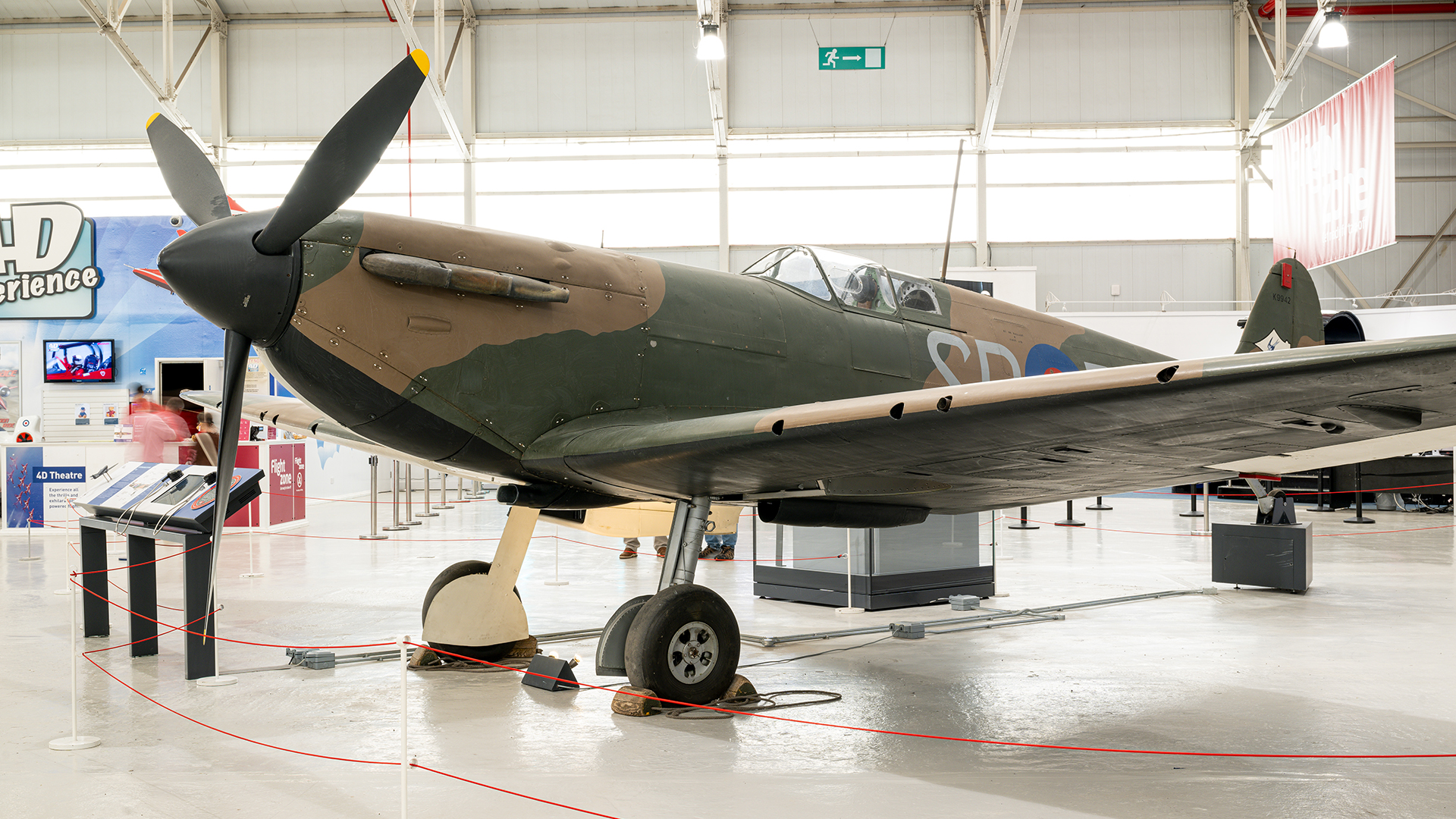
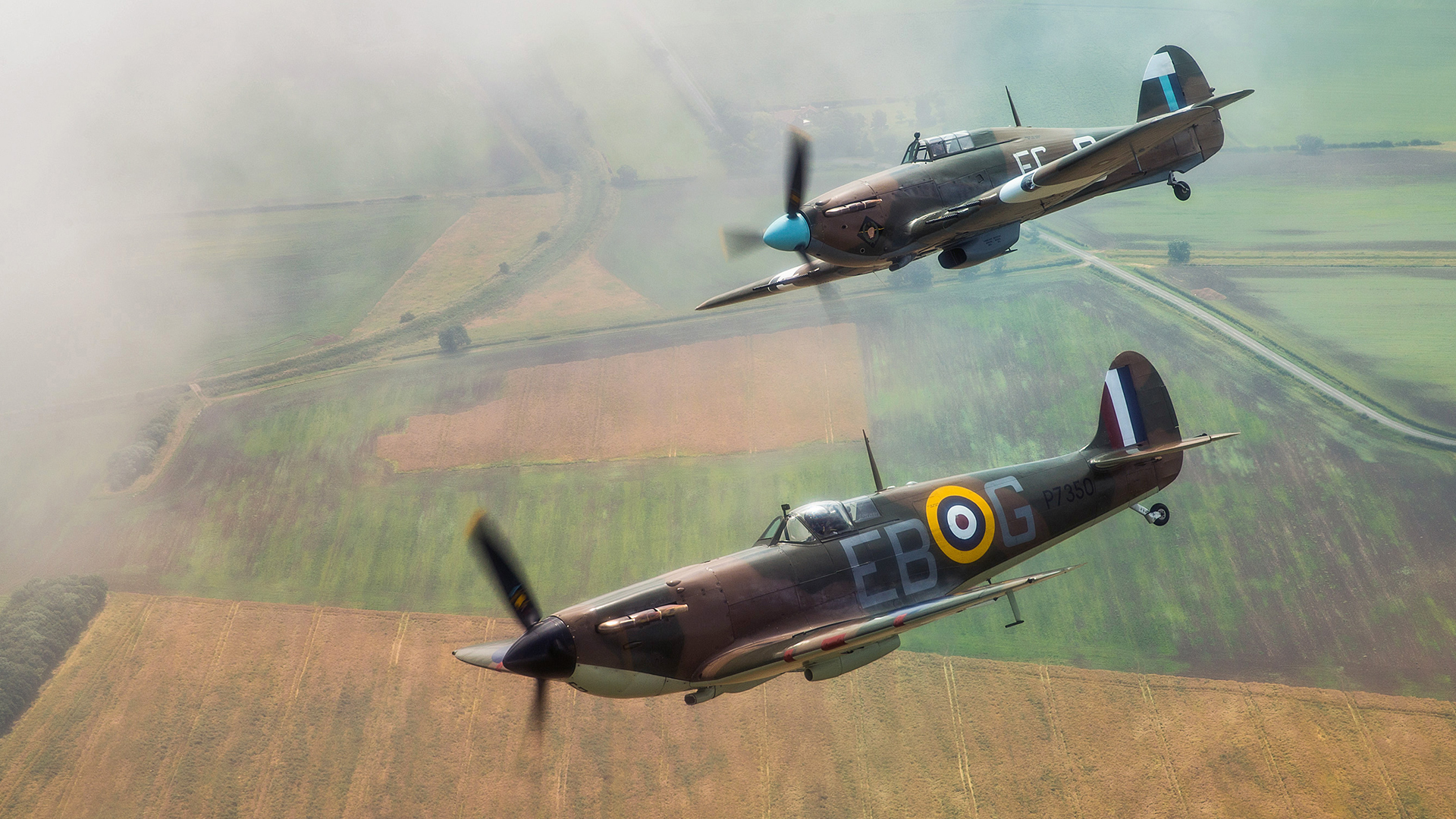
The Spitfire, the most famous aircraft flown by the Royal Air Force during the Second World War, is celebrating the 90th anniversary of its maiden flight.
The prototype, which had the serial K5054, took off on its first flight from Eastleigh Aerodrome near Southampton on 5 March 1936.
It was a near-perfect design, and Vickers test pilot Joseph Summers was quoted by aviation writer Bill Gunston as saying upon landing: "Don't touch anything."
The Mk1, the first production version of RJ Mitchell's groundbreaking design, the Mark I, first rolled off the Supermarine assembly line in 1938.
Its distinctive thin elliptical wing, Rolls-Royce Merlin engine, all-metal construction and ferocious firepower made it a truly cutting-edge fighter.
And it proved more than a match for the Luftwaffe during the Battle of Britain.
Fourteen seconds of destructive power
The Spitfire's groundbreaking design was a winning combination of firepower, speed and manoeuvrability.
Initially, it carried eight Browning .303 machine guns, which were harmonised to deliver 160 rounds a second.
It could reach 350 miles per hour, but some had a booster to increase it by up to 34 miles per hour for five critical minutes.
Its elliptical wing made it one of the most agile fighters in the sky, and the plane's distinctive sound came from its powerful 1,130-horsepower Merlin engine.
Battle of Britain ace Tom Neil told BFBS Forces News in a previous interview: "We had eight guns in the early Spitfires and Hurricanes before we got cannons.
"They had 300 rounds per gun, or 14.7 seconds. So you could fire your guns in a single burst – and you had 14 seconds.
"Otherwise, you tended to fire a two-second burst or a three-second burst."
Rather special
He added: "I always have felt, even from day one, that we did something special and that we would eventually be numbered alongside the archers at Agincourt and famous people over the ages and the people who fought in the Battle of Trafalgar and so on.
"We were rather special."
Having delivered sterling service, the Spitfire served beyond the Second World War and into the 1950s.
And although the later versions represented the peak of aeronautical design, piston-engine fighters were being replaced by jets.
Some 208 Spitfires are thought to exist today, whether that be on static display, in various states of airworthiness or restoration.
Join Our Newsletter