US Army finally joining tilt-rotor aircraft club as it chooses MV-75 Cheyenne II
When the US Air Force, Navy and Marine Corps began operating the V-22 Osprey back in 2007, a tilt-rotor aircraft was not something the US Army wanted – but that's now all set to change.
The MV-75 Future Long Range Assault Aircraft – the Cheyenne II – is being created by US aerospace giant Bell, the same company that designed the Osprey.
The MV-75 concept was originally designated the V-280 Valor, developed for the US Army's Future Vertical Lift programme.
Tilting in a different way
The "MV" in its designation means it's a multi-role aircraft, while the "75" is a nod to the US Army's founding year, 1775.
It made its first flight in 2017 before being chosen to replace the Sikorsky UH-60 Black Hawk. It's expected to be deployed in 2031.
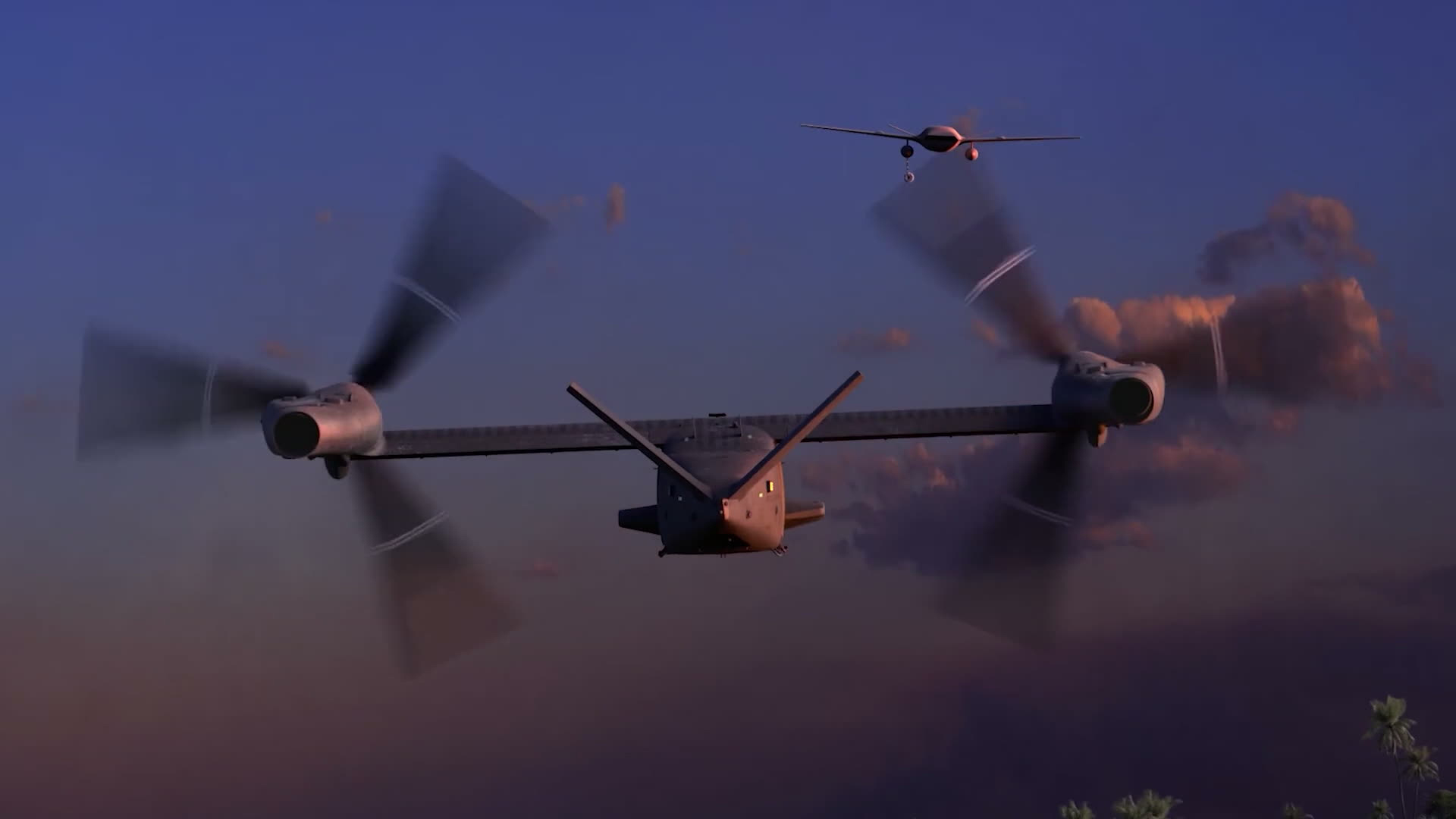
Unlike other tilt-rotor aircraft such as the Osprey, the MV-75's engines remain in place and it's the rotors and the drive shafts that tilt.
This eliminates a shift in the centre of gravity caused by moving the weight of the engines, making for greater stability and agility.
The MV-75's modular open systems approach allows each aircraft to be configured to match the demands of the mission and changing battlefield conditions.
The Cheyenne II follows the US Army tradition of honouring Native American tribes and peoples – the Cheyenne having a legacy of adaptability, resilience and determination.
Special forces too
The Cheyenne II special operations variant is expected to feature a forward-facing radar and sensor turret as well as an in-flight refuelling probe for extended long-range missions.
It's likely that this variant will also have terrain-following/terrain-avoidance radar coupled with a Degraded Visual Environment Pilotage System.
Previous reports have suggested the US Army plans to replace roughly half of the 160th Special Operations Regiment's MH-60M Black Hawk helicopters with MV-75s.
All MV-75s will have that modular open-system architecture, ensuring that key capability – adaptability – is consistent, allowing for rapid configuration for all warfighting environments, saving time and money.
Welcome to the dawn of a new age for the US Army's long‑range air assault mission capability.
And who knows, if you are serving in British special forces, the Ranger Regiment or even the likes of 16 Air Assault Brigade and 3 Commando Brigade, it could be a new dawn for you too in the world of interoperability, joint exercises and missions.
What's in a name?
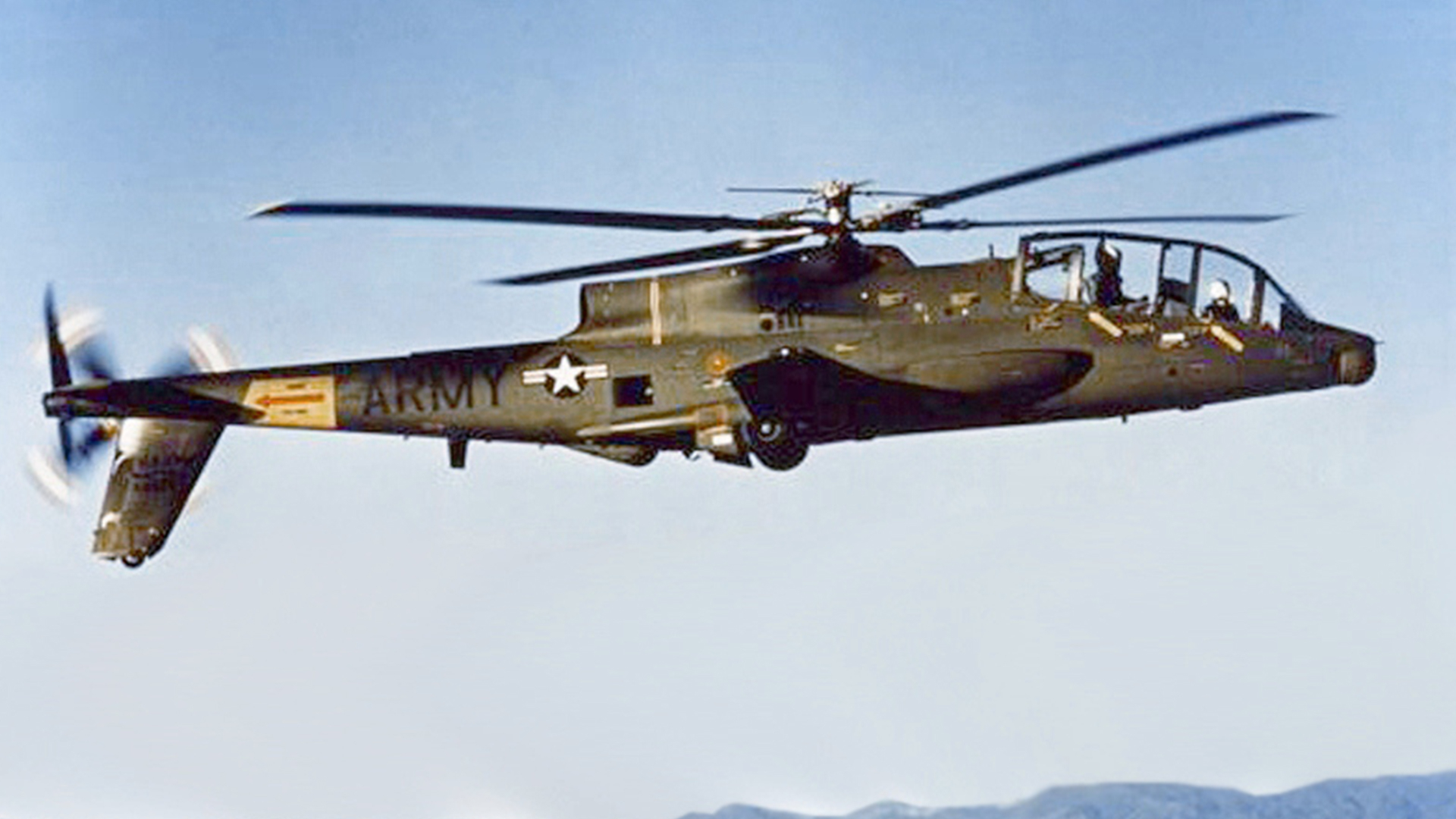
The original Lockheed AH-56 Cheyenne was also developed for the US Army, but this was an attack helicopter.
Only 10 helicopters were built between 1967 and 1969 and the project was cancelled in favour of the AH-1 Cobra, which was less complicated and had already proved its worth in combat in Vietnam.
The Cobra itself was eventually phased out of US Army use by the AH-64 Apache.
Join Our Newsletter