Home by air, home by sea: What being back from CSG25 means to the crew
Being able to sleep in your own bed. Being able to drive your own car. Not having to share a mirror. Being more than three feet away from someone else at any one time.
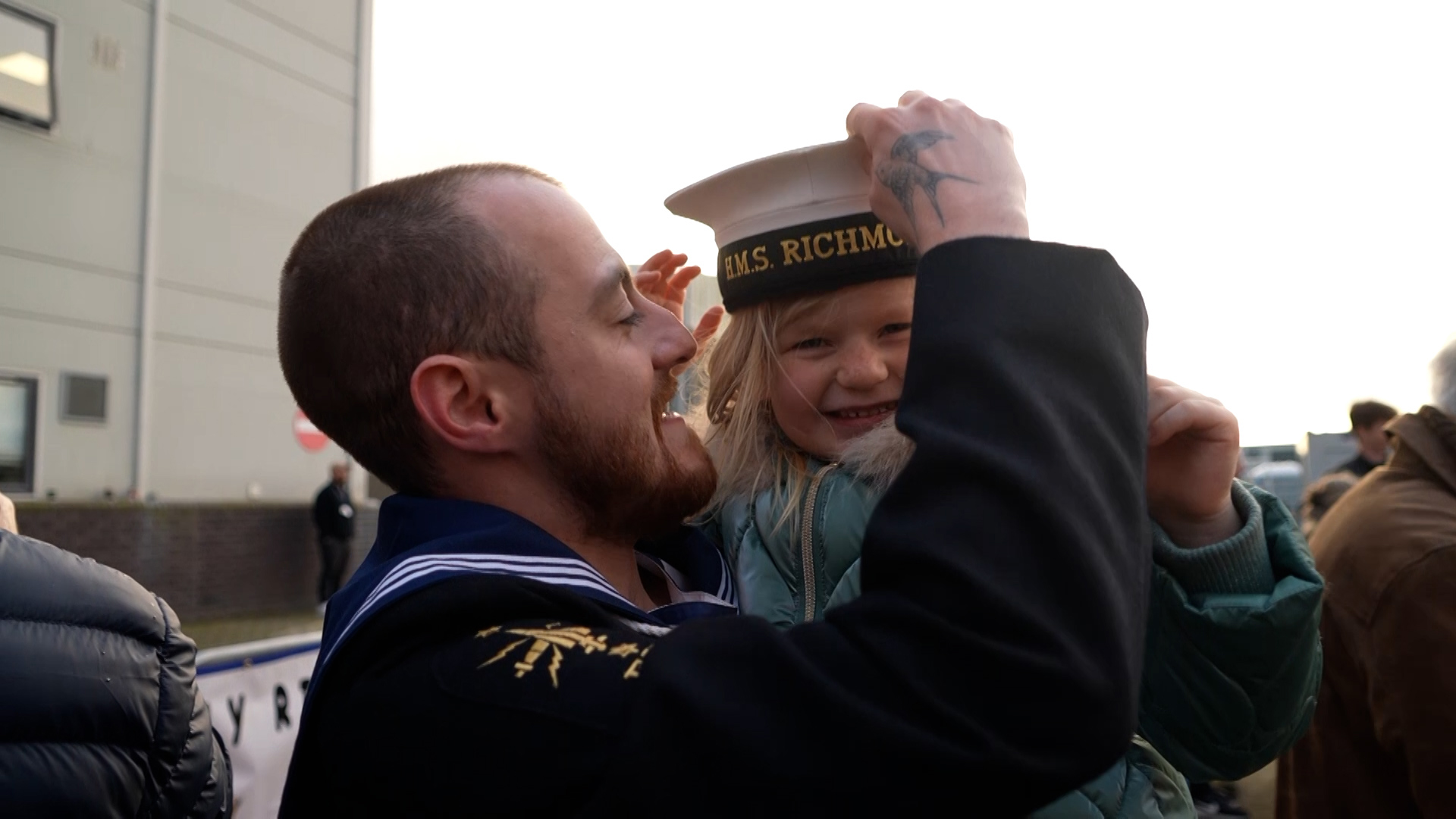
These are just a few of the things the crew of HMS Richmond were looking forward to as they arrived back at HMNB Devonport after spending nearly eight months at sea.
"It's a huge mix of emotions," said the warship's meteorologist, Lieutenant Rachel Horne.
A bittersweet feeling
"You've spent all this time with these people and you're going to come back alongside and then everyone goes their separate ways.
"So it's also really sad... but also really proud to have done this with everyone.
"It's a really wholesome feeling and it's kind of overwhelming coming back and all the emotions of being back home and going back to normality."
Like a family
Able Rate Willam Diffu, one of the chefs on the Duke-class frigate, said: "Eight months, 264 days, it's been a rollercoaster. Sometimes you have good moments, sometimes it's hard."
When asked what he would never forget about the deployment he replied: "Oh, it's the people around me because we've been through a lot.
"[People on] the outside may not know, but when you're inside, like Richmond, you'll know what we've been through. That's a family to me."
A Lightning comeback
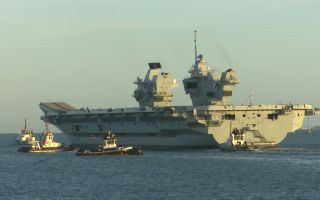
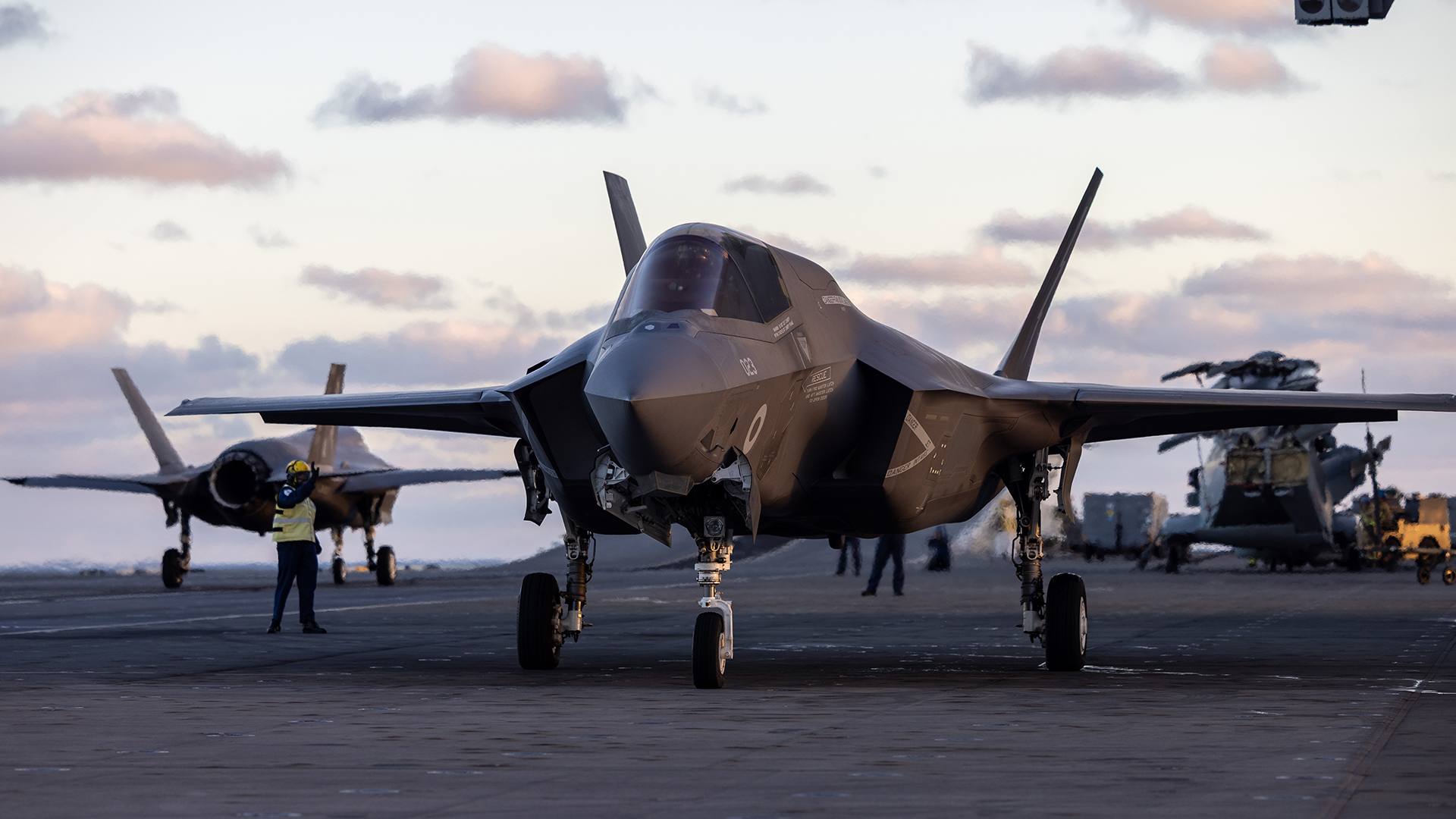
As the warship headed for port, the F-35B Lightning jets on board HMS Prince of Wales also made their way home.
But in order to get back to RAF Marham in Norfolk, they needed some help from a Voyager – effectively a flying fuel station for the fighter jets.
The RAF has 14 of these – it's got nine in regular service, with reserve, just in case it needs to expand the fleet.
I became part of the very last refuelling mission to get the F-35s back home after their eight-month global deployment.
Voyager flight TTN49 took off from RAF Brize Norton, flying at around 20,000ft, the day's level for refuelling.
The Voyager was airborne for around four hours, during which time it needed to deliver around 40 tonnes of fuel to the 12 F-35s.
Refill with skill
The way the Voyager delivers fuel is by trailing a long, flexible hose out from its tanks, and the jets have to carefully line up and then latch their nozzle into the basket.
It's really not very easy; they do sometimes miss, and all the time the Voyager pilot is trying really hard just to stay straight and level, to make it as easy as possible for the F-35 pilots.
While the Voyager pilots flew their holding pattern as the refuelling took place, behind them were the guys on the monitors who talked to the F-35 pilots as they hooked on to the tanker.
The F-35 crews had had plenty of practice at this.
They'd been away eight months, and during that time they'd been involved in seven major exercises, and that involved a lot of air-to-air refuelling just like this.
Join Our Newsletter