Inside top-secret military base where intelligence experts are fighting a spike in hostile activity
In a quiet part of Cambridgeshire, MOD Wyton doesn't look like a top-secret spy base, but that's what it is.
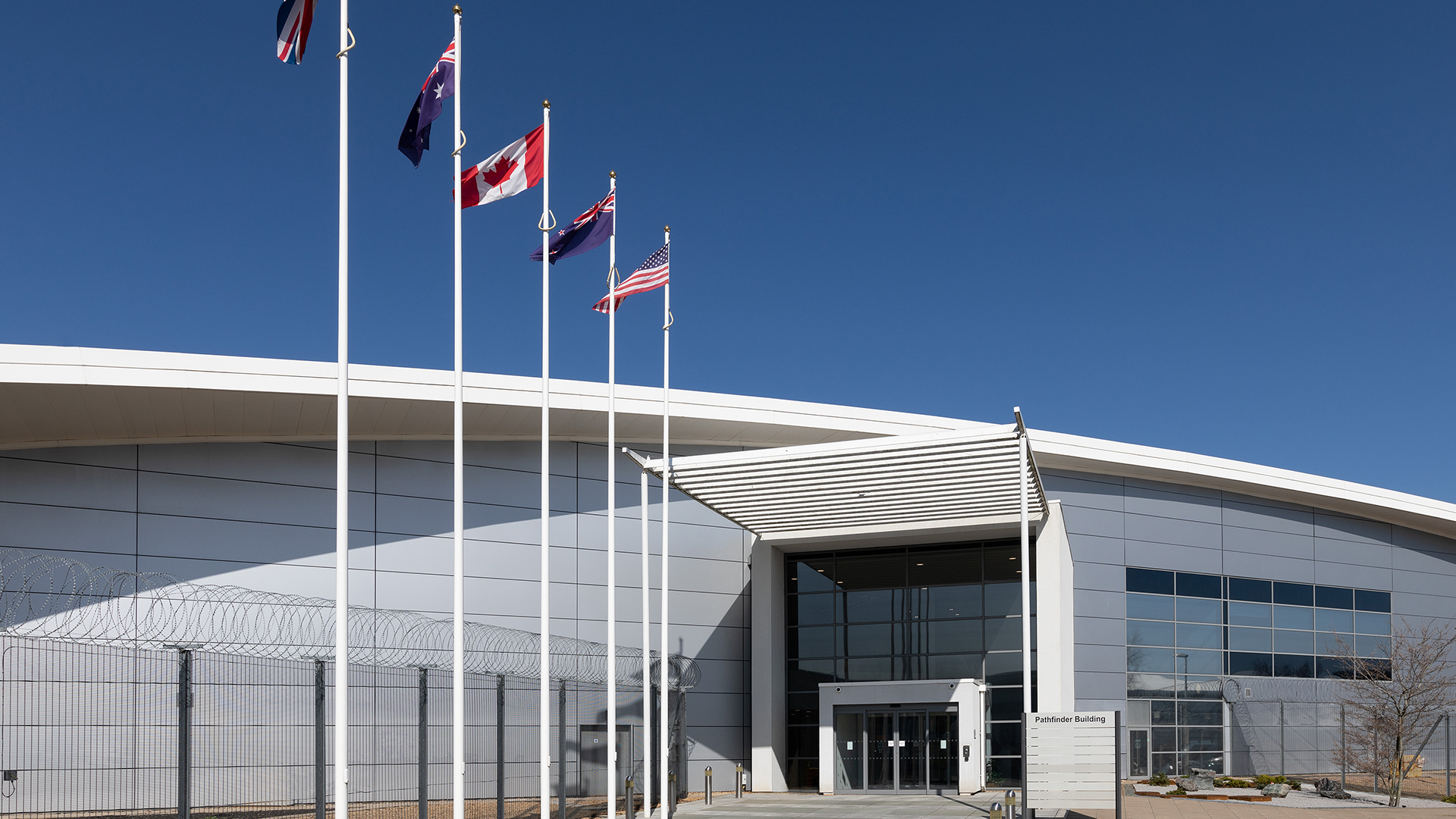
As we head in, on board a nondescript white minibus, cameras are forbidden, and we're asked to lock away phones, laptops, smart watches and any electronics before we're allowed to enter the Pathfinder building.
Letting reporters into this facility goes against the secretive nature of the intelligence service but, in the face of growing aggression from Russia and other key adversaries, those who prefer to operate in the shadows are trying hard to engage more with the public in a battle to build understanding and support.
A new era of threat
My visit coincides with the revelation that hostile activity against the Armed Forces and the Ministry of Defence has spiked by more than 50% in the last year.
Chief of Defence Intelligence Adrian Bird told us: "We are monitoring all of the threats that we can see with regard to espionage or sabotage... over the last year.
"That team monitoring those threats has seen a 50% increase in the number of incidents that have been spotted or has been reported to them across a range of different threats."
Defence Intelligence see calling these threats out as part of the fightback. When I asked about it, I was told officials couldn't go into too much detail, but that this increase means threats against the Armed Forces and the MOD now number into the hundreds.
They take the form of cyber attacks and also more traditional espionage activities, with the majority originating from Russia, China and Iran.
The occasion for the press visit was the launch of two new intelligence organisations: the Defence Counter Intelligence Unit (DCIU), which we are told is a direct response to the spike in threats, and the Military Intelligence Service (MIS), which is a new streamlined organisation to replace multiple single-service branches.
Wyton is one of the UK's key intelligence sites, home to Pathfinder – the largest Five Eyes intelligence hub in the world.
Five Eyes is the intelligence-sharing alliance between the UK, the USA, Canada, Australia and New Zealand.
A glimpse into the hive
Standing in what at first seems like a normal briefing room with two large, frosted windows, I get my first glimpse of Pathfinder.
At the flick of a switch the glass clears, and a huge room becomes visible below – what's known here as the "floor plate", with a honeycomb of about 100 interconnected desks, multiple screens, staffed by a mix of soldiers, sailors, aviators and civilians, with capacity for 700 workers.
As we look out over the room, they are also watching us and, just in case anyone missed the fact they're on show to the UK's press, there are red lights illuminated around the room to flag that potential danger.
A bank of digital clocks also show the time in Washington DC, Moscow, Stuttgart, Canberra and Wellington, and Zulu, the military term for Greenwich Mean Time.
Among the tech, there are miniature Christmas trees and swathes of tinsel, but on the day of our visit, there are also empty desks.
The recent Strategic Defence Review flagged the loss of approximately 500 personnel from Defence Intelligence since 2019, raising concerns that "within defence… intelligence capabilities are underpowered and fragmented" despite an increasing demand for intelligence.
When I asked about this, I was told they had enough people to run things effectively but teams were "under pressure". The hope is, with the new unified MIS, they can tackle this.
The spectre of conflict at the door
There is a drive across defence to boost recruitment and retention, and this is especially important in the Intelligence field, where highly-skilled operatives can command salaries many multiples larger in the private sector.
Attending the launch were the Minister for Veterans and People, Louise Sandher-Jones, formerly an intelligence officer herself, and Armed Forces Minister Al Carns.
Mr Carns offered thanks to the media for sharing a message of urgency on National Defence, saying: "I think the shadow of war is knocking on Europe's door once more.
"That's the reality, and we've got to be prepared to deter it."
Mr Carns also warned that Europe no longer faces "wars of choice" but "wars of necessity".
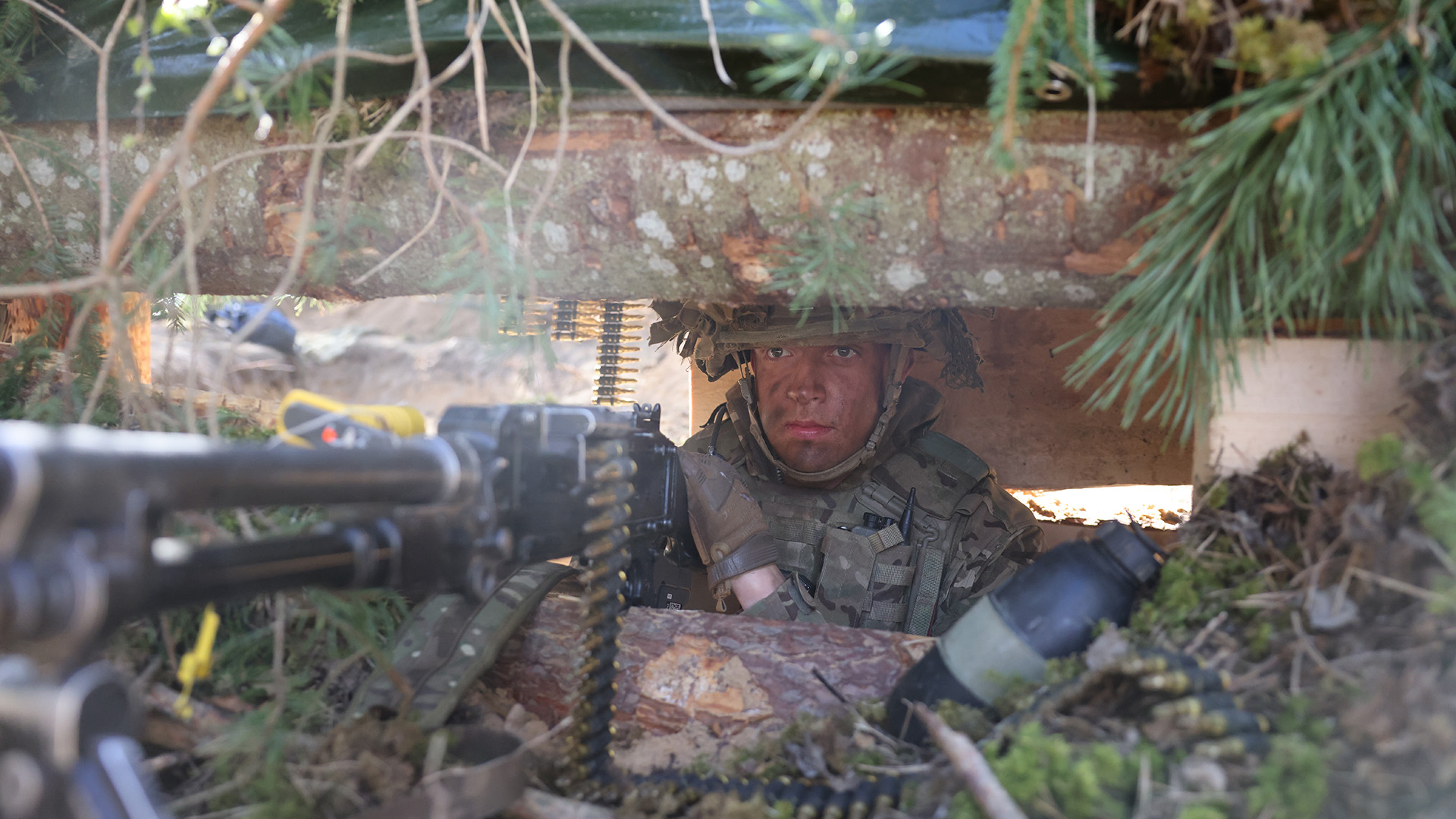
During our visit, we had the chance to hear directly from the intelligence staff working at the sharp end, not just analysing current threats and trends but charged with forecasting new ones and spotting future danger.
One serviceman I spoke to explained how during the recent deployment of the Carrier Strike Group, he was responsible for checking social media channels and noticed posts on X and Telegram originating from Iran and Yemen tracking the CSG.
After five hours on site, I came away with a fascinating insight into how the Defence Intelligence Community does business, and an understanding of the urgency behind their wish for the public to better understand the rising enemy threat and the importance of national defence.
Join Our Newsletter