How cracked Enigma messages reached the front: Discover the voice of Bletchley Park


In the spring of 1941, Bletchley Park was the dazzling, mathematical brain of Allied signals intelligence – but British military leaders still needed to find a way to communicate cracked Enigma messages to the front.
Enter Whaddon Hall, where a group of 20-something radio enthusiasts and elite soldiers took Bletchley's freshly broken German coded messages and sent them to the frontline under the codename Ultra, the highest level of security classification.
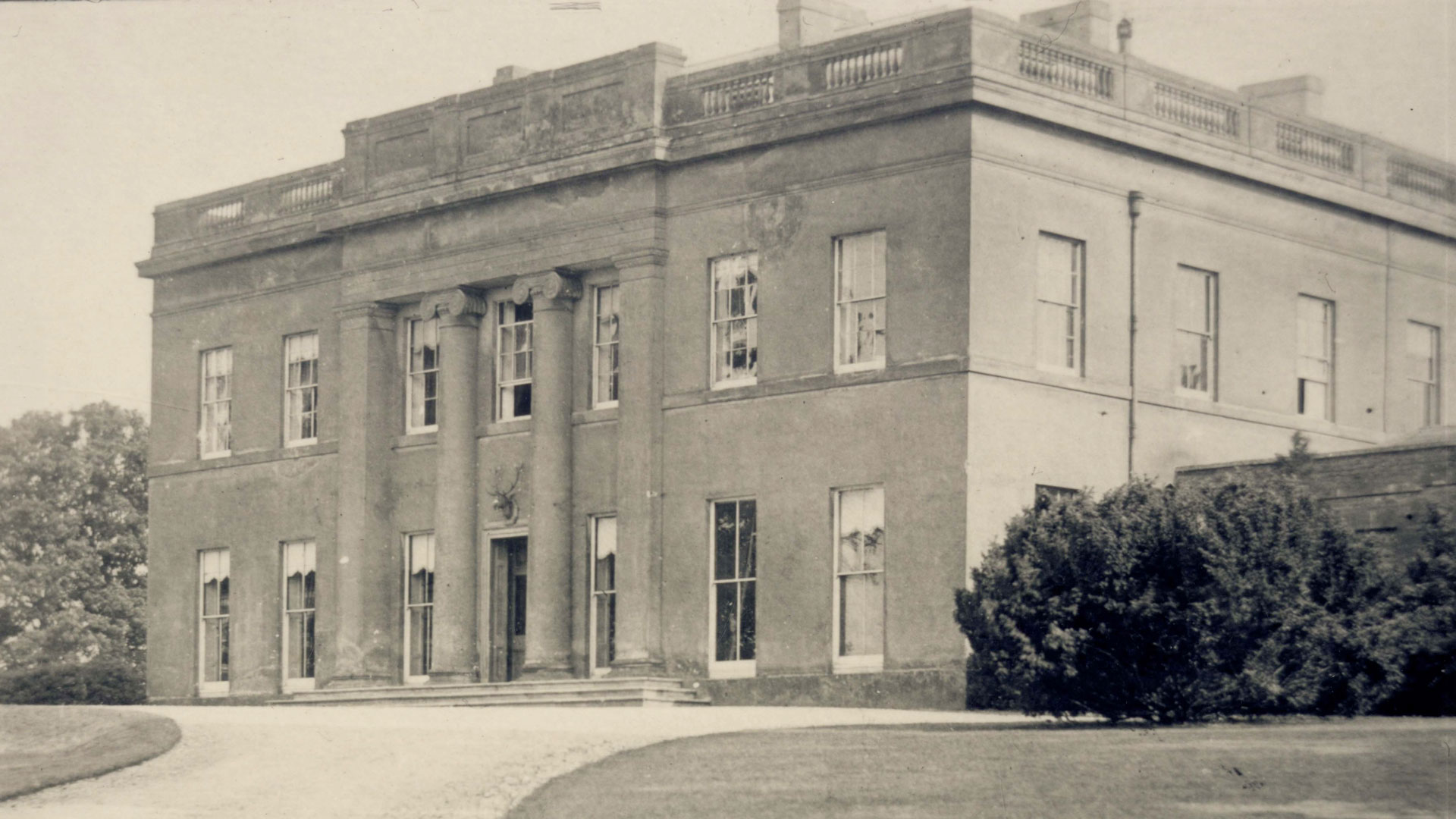
The country house in leafy Buckinghamshire, which was also the HQ for MI6's clandestine radio communications and signals intelligence branch, ran a high-risk, 1940s version of a Discord server and played a critical role in delivering the intelligence that helped shorten the Second World War.
Inside the 1940s tech hub
In 1938, MI6 (the Secret Intelligence Service) recruited First World War veteran and wireless enthusiast Brigadier Richard Gambier-Parry to build a secure network for overseas agents and, when war broke out, his team (known as MI8) moved from Bletchley Park to nearby Whaddon Hall.
Work at Whaddon fell into two separate functions. The first was to communicate with MI6 agents, embassies and overseas intelligence stations and was based in a section known as Main Line, behind Whaddon Hall, while the second was to send Ultra intelligence to commanders on the frontlines.
How to send top secret intelligence
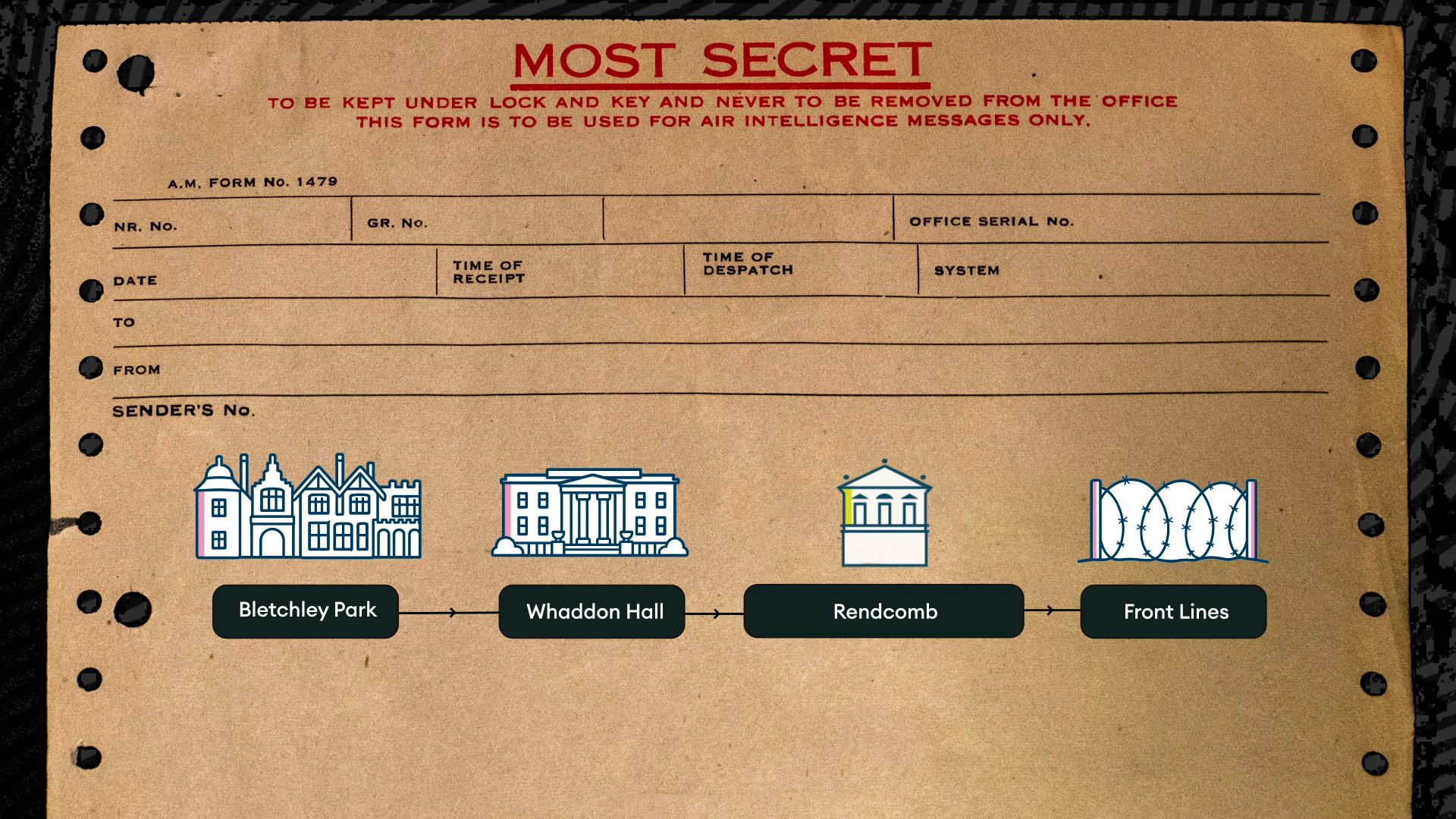
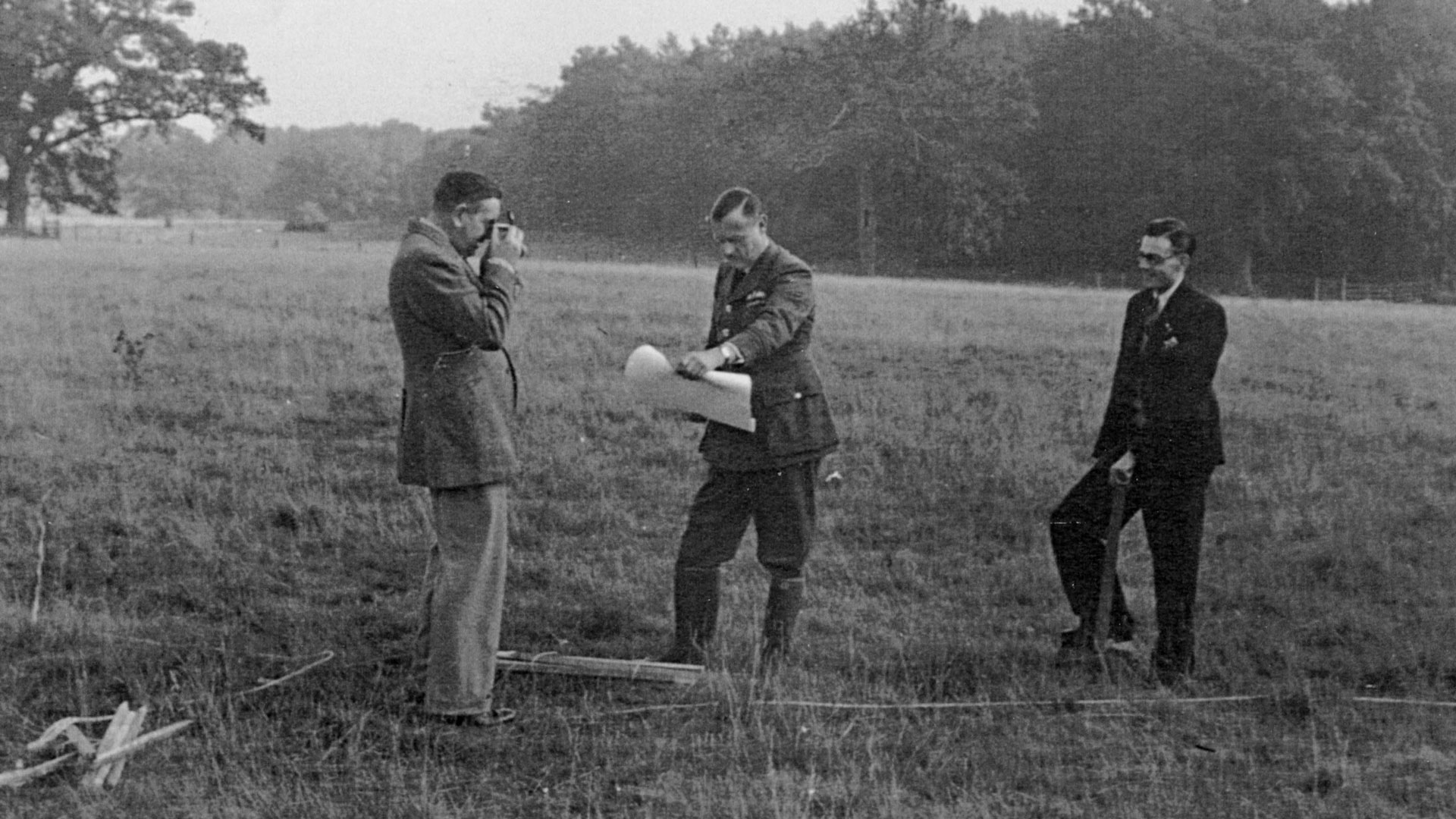
Working a two-shift system, military personnel in Whaddon would receive Ultra information from Bletchley Park via a secure landline or vehicle into Special Communications Unit (SCU) One – several, very small buildings situated in a field behind Whaddon's St Mary’s Church known as Windy Ridge.
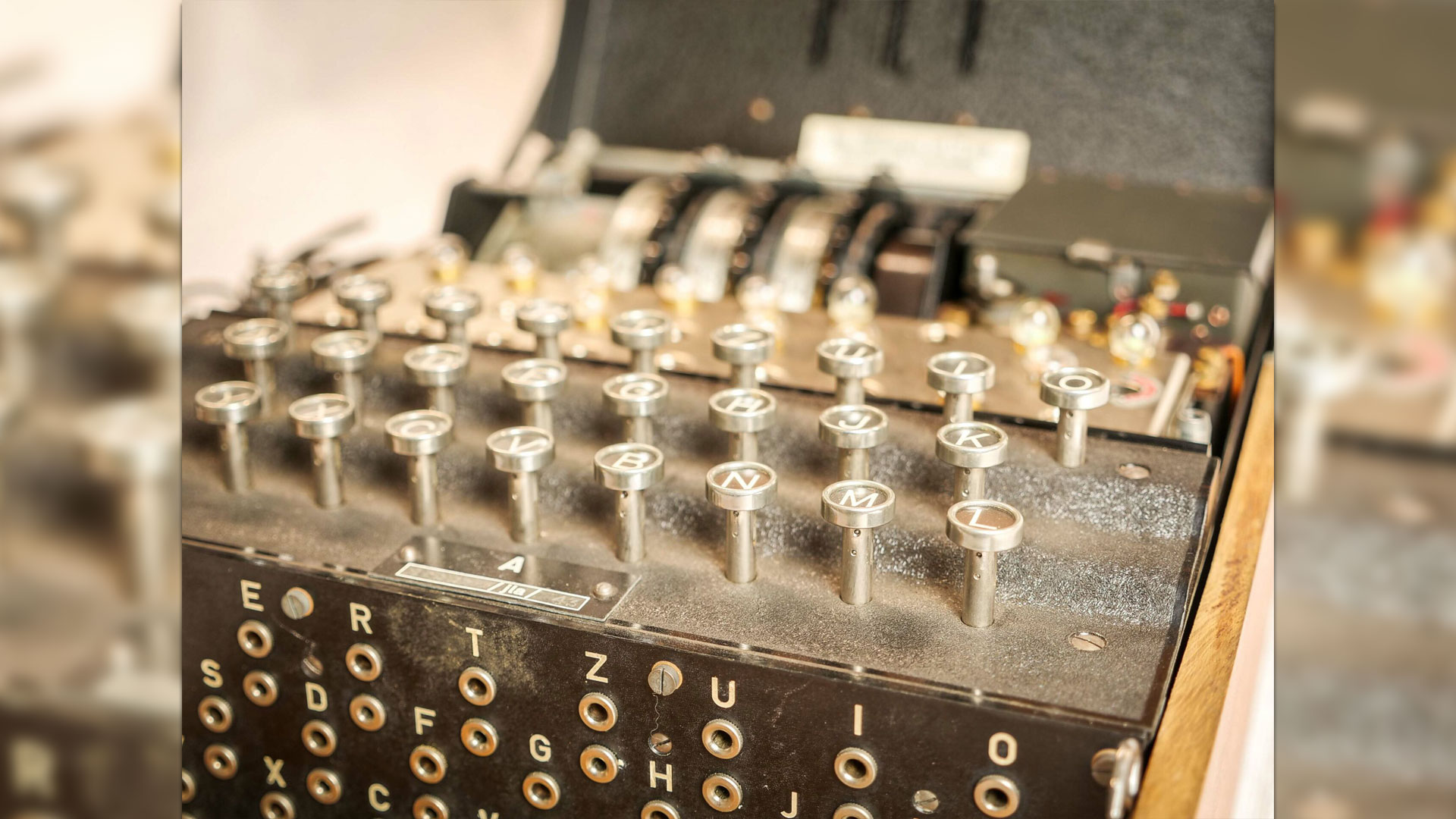
"The intelligence [was] generated at Bletchley Park and turned into gibberish using a British code (either a one-time pad or Typex)," explained Dr David Kenyon, research historian at Bletchley Park Trust.
"It [was] sent by teleprinter to Whaddon and you [had] wireless operators [there] who then make contact... with the person at the other end... and they signal[led] back, 'Yes, we're listening' and then you sent them the message."
However, transmitting aerials weren't at Whaddon. Instead, another cable sent Ultra information from Whaddon to Rendcomb in Gloucestershire, where it was then sent to Special Communications Units overseas, who then passed it on to Special Liaison Units attached to Allied headquarters.
Meanwhile, at Main Line
When it came to MI6 communications, Special Operations Executive operator and trailblazer Georges Bégué was the first person to send a message back to Whaddon Hall's Main Line on 9 May 1941 – proving that two-way clandestine communication was possible and opening the floodgates for hundreds of future agents to be inserted behind enemy lines.
He used the Whaddon Mk V, a heavy but powerful spy radio set that was hidden in a suitcase.
The ultimate 'burn-after-reading' operation
Top-secret intelligence was sometimes sent thousands of miles away from the UK to places such as North Africa and Normandy to Malta and Italy.
This is when Group Captain Frederick William Winterbotham's overseas Special Communications Units (SCUs) and Special Liaison Units (SLUs) came in – small, mobile teams attached to senior frontline commanders such as Field Marshal John Gort, Field Marshal Bernard Montgomery and General George S Patton.
"The SCU were typically Army signallers who are put initially in the back of a Packard Sedan with a wireless set and code books attached to the British Expeditionary Force in France and manage the reception of the wireless messages from Windy Ridge," explained Dr Kenyon.
After it had reached its intended recipient, the SLU officer would typically burn the paperwork.
"[SLU officers] had to have enough moral fibre to be able to tell people a good few ranks above them what they could and couldn't do, because you need to be able to – when the general goes, 'Oh, I'll just keep this' – you go, 'I'm terribly sorry sir, but you can't,' and you take it back," Dr Kenyon added.
Uncovering the secrets
When the Second World War ended, the work at Whaddon Hall ended with it. However, the role the building played in the Allied victory couldn't be disclosed due to the Official Secrets Act.
Its role became more widely known with the publication of the The Ultra Secret by 'father' of the SCU and SLU operation, Group Captain Winterbotham, in 1974.
However, to this day Whaddon has garnered significantly less attention than Bletchley, which has been immortalised in films like The Imitation Game.
Aside from a silent video clip released in 2020 showing rare footage of those who worked at Whaddon Hall, and documentary Bletchley Park and the Ultra Secret, there hasn't been a film or TV series about the quiet corner of Britain so crucial in military intelligence.
Related topics
Join Our Newsletter