The saviour of the SAS: The man who once asked for an axe and four balloons

Emerging from the desert and driven by the urgent demands of the Second World War, the Special Air Service was established by a man known as the Phantom Major, David Stirling.
But when the regiment was disbanded after the war, it was the determination of one man – Lieutenant Colonel Brian Franks – that saved the SAS.
Lieutenant Colonel David Stirling once said of him: "Had it not been for Brian Franks, we would have been consigned to oblivion."
But while other founding fathers such as his brother Lieutenant Colonel Bill Stirling, Lieutenant Jock Lewes and Lieutenant Colonel Paddy Mayne are often portrayed as larger-than-life characters in TV shows such as SAS Rogue Heroes and have biographies written about them, few people have heard of Lt Col Franks.
Taking steps to correct this, author Lieutenant Colonel (Ret'd) Tim Spicer, an Army veteran with 20 years of service, understood the assignment.
His new book An Axe and Four Balloons brings Lt Col Franks' story back into the limelight.
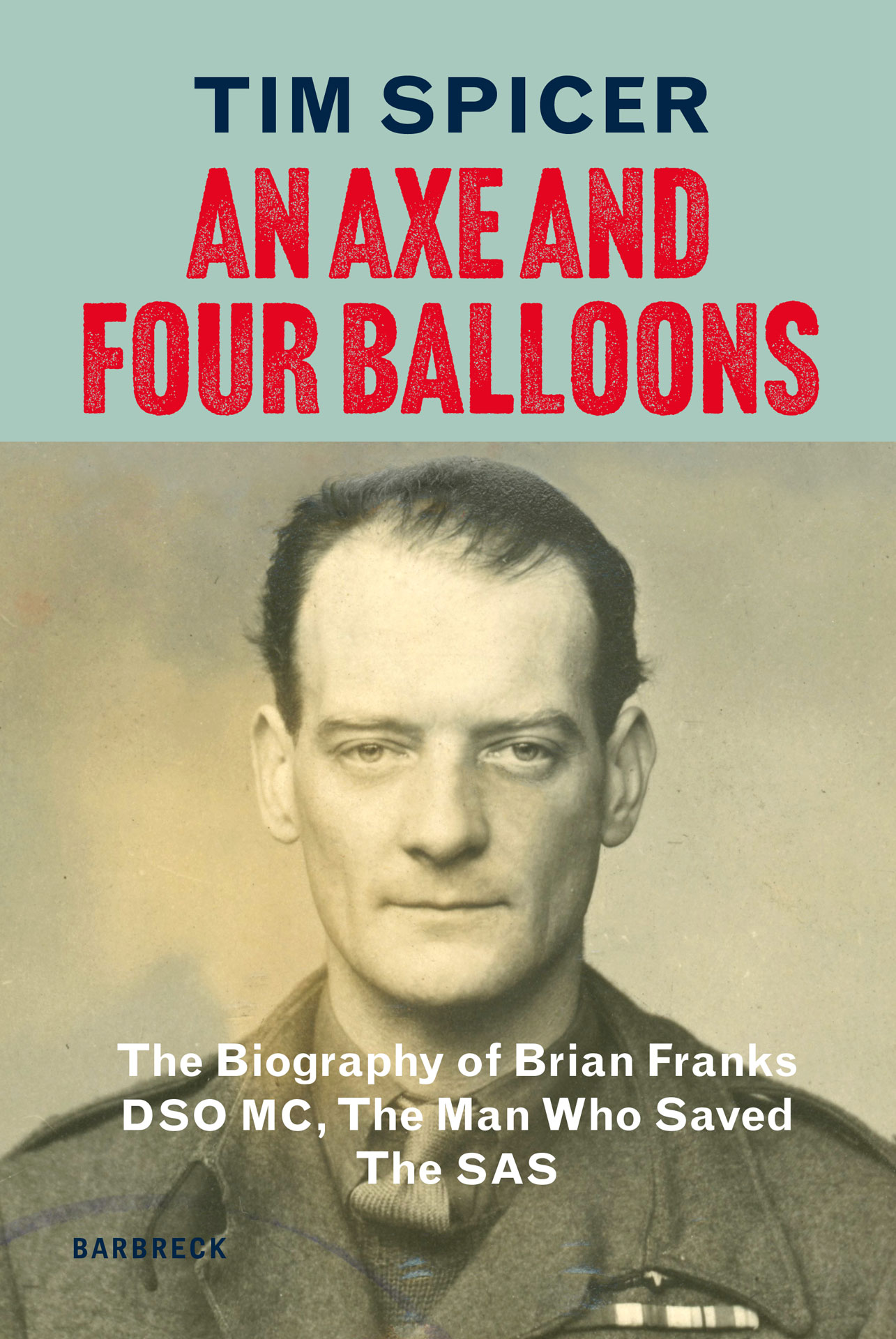
Speaking with BFBS Forces News, Lt Col Spicer said he believes Lt Col Franks had a profound impact on the way the British Army is today.
"Forget the politics, forget the size and shape and the money, but the principles of commanding soldiers generally... and the fact that he brought [the Special Forces] back into the order of battle," he said.
"He wasn't the only one, but his efforts and his fighting a different sort of battle in the corridors of power got them [the SAS] brought back."
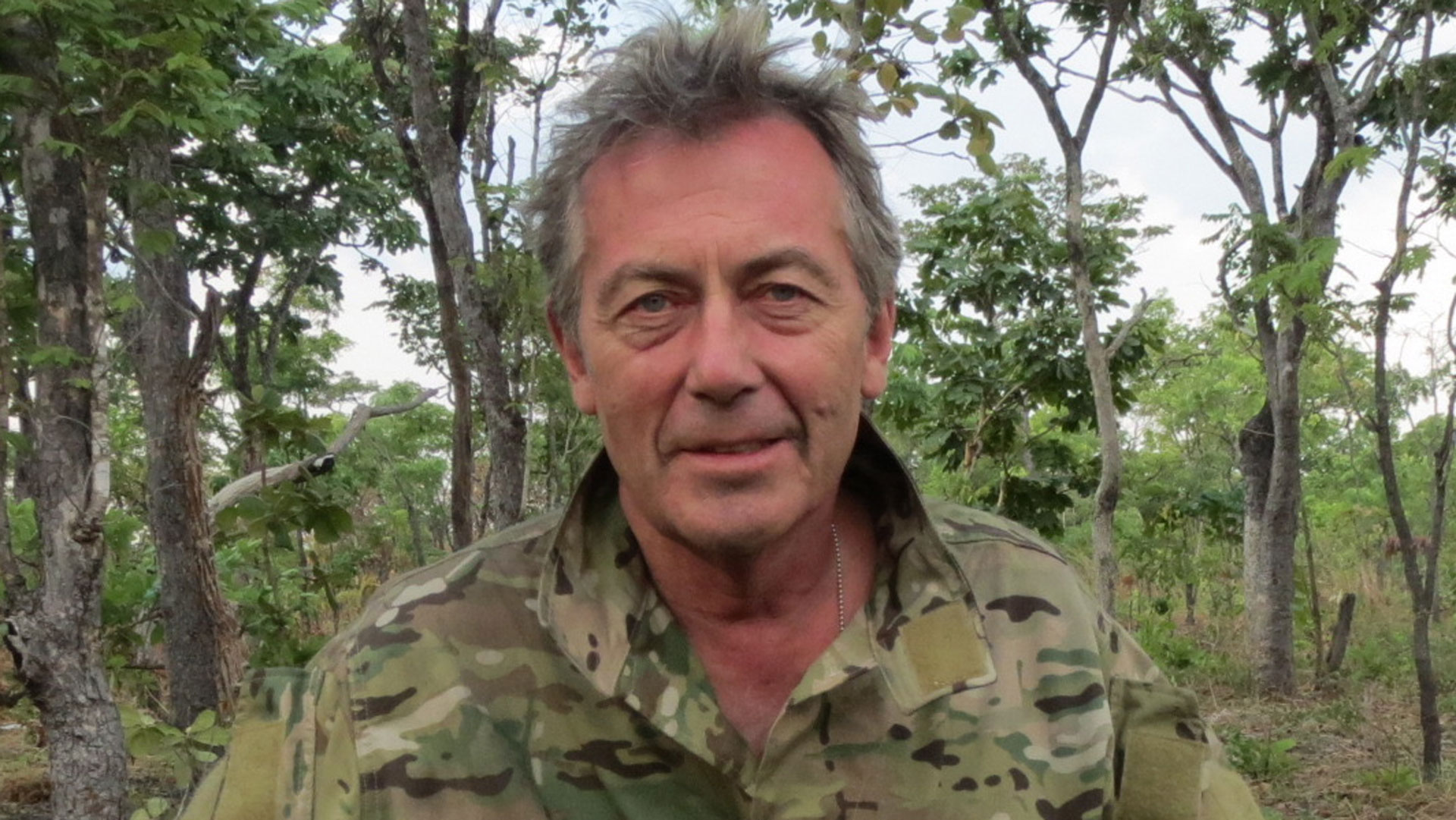
When Lieutenant Colonel Stirling opened the SAS barracks, Stirling Lines, he gave a speech shining a spotlight on the men who helped create SAS history, saying he often felt embarrassed when people referred to him as the founding father of the SAS.
There were five other men after all – don't forget Georges Bergé, the founder of the French version of the SAS – and they each played their part.
Lt Col Franks' role after the war was that of its saviour.
From prep school to the battlefield
Lt Col Franks' father, Lt Col George Franks, served during the Boer War and First World War.
He was spared the horrors of the trenches but, Lt Col Spicer says, died leading the last cavalry charge on horseback of the First World War, five weeks before the war ended.
Brian Franks, who was close to his father, was eight years old at the time.
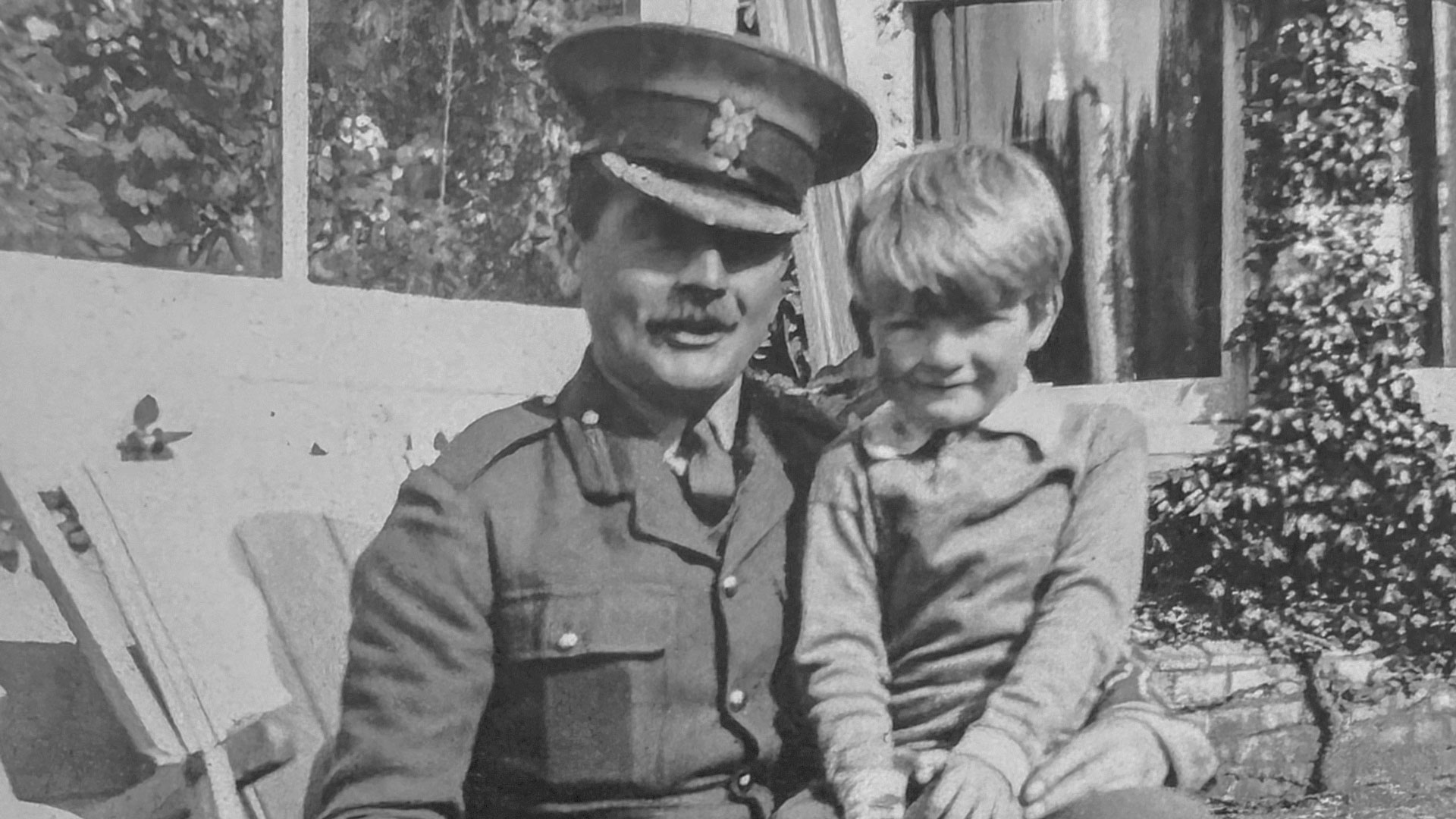
While reading Lt Col Franks' personal papers, Lt Col Spicer found a collection of letters written by the young Brian while he was at prep school to his parents, one of which reads as follows:
"Dear mum and dad. Please send me an axe and four balloons. Love, Brian"
Lt Col Spicer said: "Nobody will know to this day what happened to that axe and those four balloons.
"The mind would boggle."
Perhaps he and his friends had a cunning plan they were determined to undertake – just like he did with his fellow 2 SAS soldiers during the Second World War.
Taking command of 2 SAS
Young Brian didn't immediately join the military, first becoming a hotelier and great socialite often seen in the pages of Tatler – self-described today as the original social media.
However, when war approached in 1939, he volunteered for military service and, according to Lt Col Spicer, took to Armed Forces life "like a duck to water".
Following a military career with the Middlesex Yeomanry and the GHQ Liaison Regiment, he became Brigade Major of the Special Service Brigade in August 1942.
After Lt Col Bill Stirling resigned in 1944, he took over command of 2 SAS, which conducted behind-the-lines raids in occupied Europe and Italy.
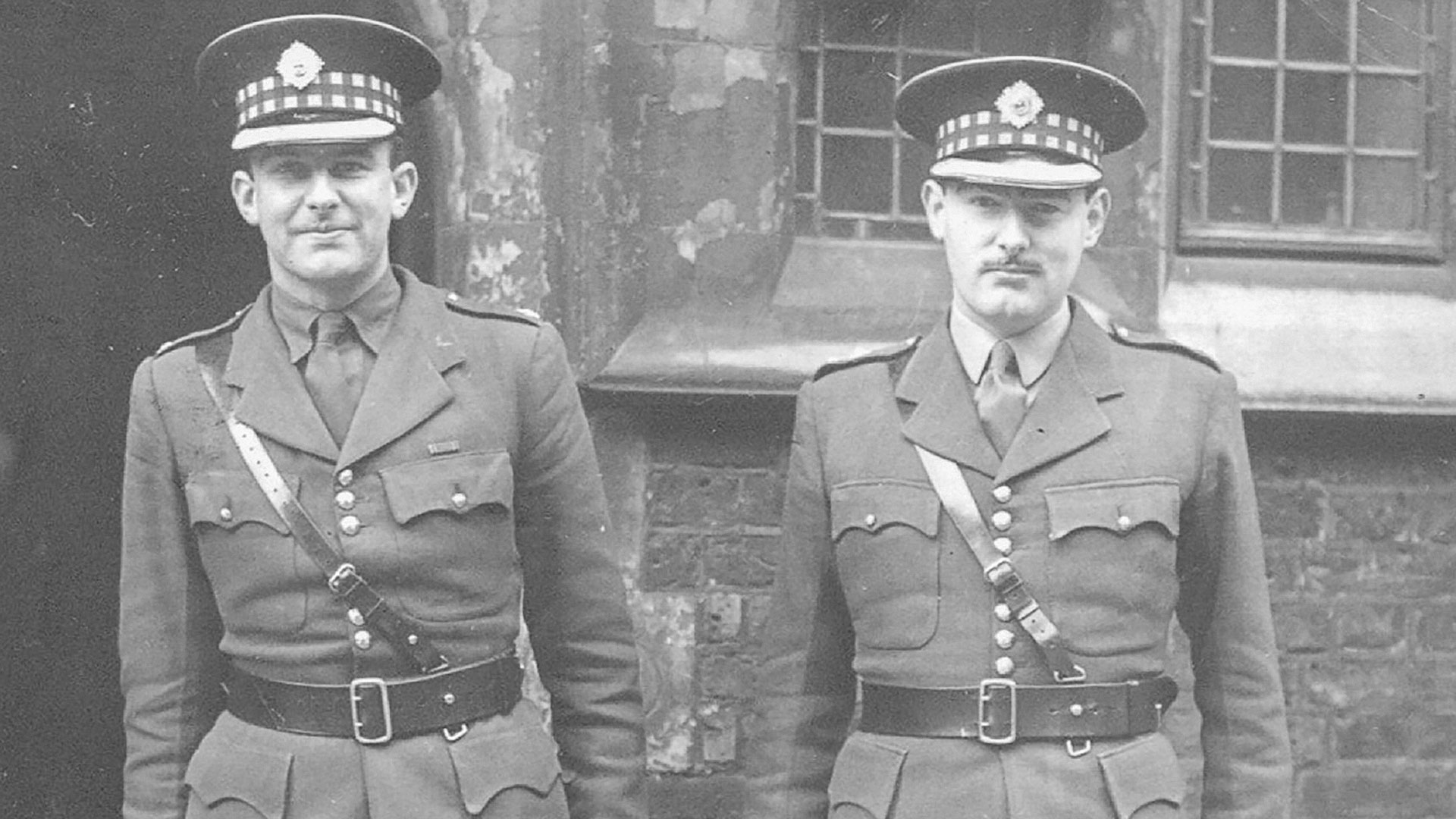
As Lt Col Spicer notes in his book: "In the words of Fraser McLuskey, padre of 1 SAS, '[Lt Col Franks] would spend the rest of the war looking for trouble and finding it'."
Lt Col Franks inherited 2 SAS at a difficult moment in the regiment's history – two days before D-Day, the largest amphibious invasion in military history.
Up to this point, Lt Col Bill Stirling and Lt Col Paddy Mayne had argued that the SAS needed to be used differently from conventional airborne troops.
Lt Col Spicer quotes the words of Sergeant Harold "Tanky" Challenor, saying: "We would stand out like a sixpence on a sweep's a**e."
The newly appointed head of 2 SAS inherited "quite a rum crew of officers and men, itching to go to get stuck in".
And so they mounted Op Wallace, a classic Second World War 2 SAS operation.
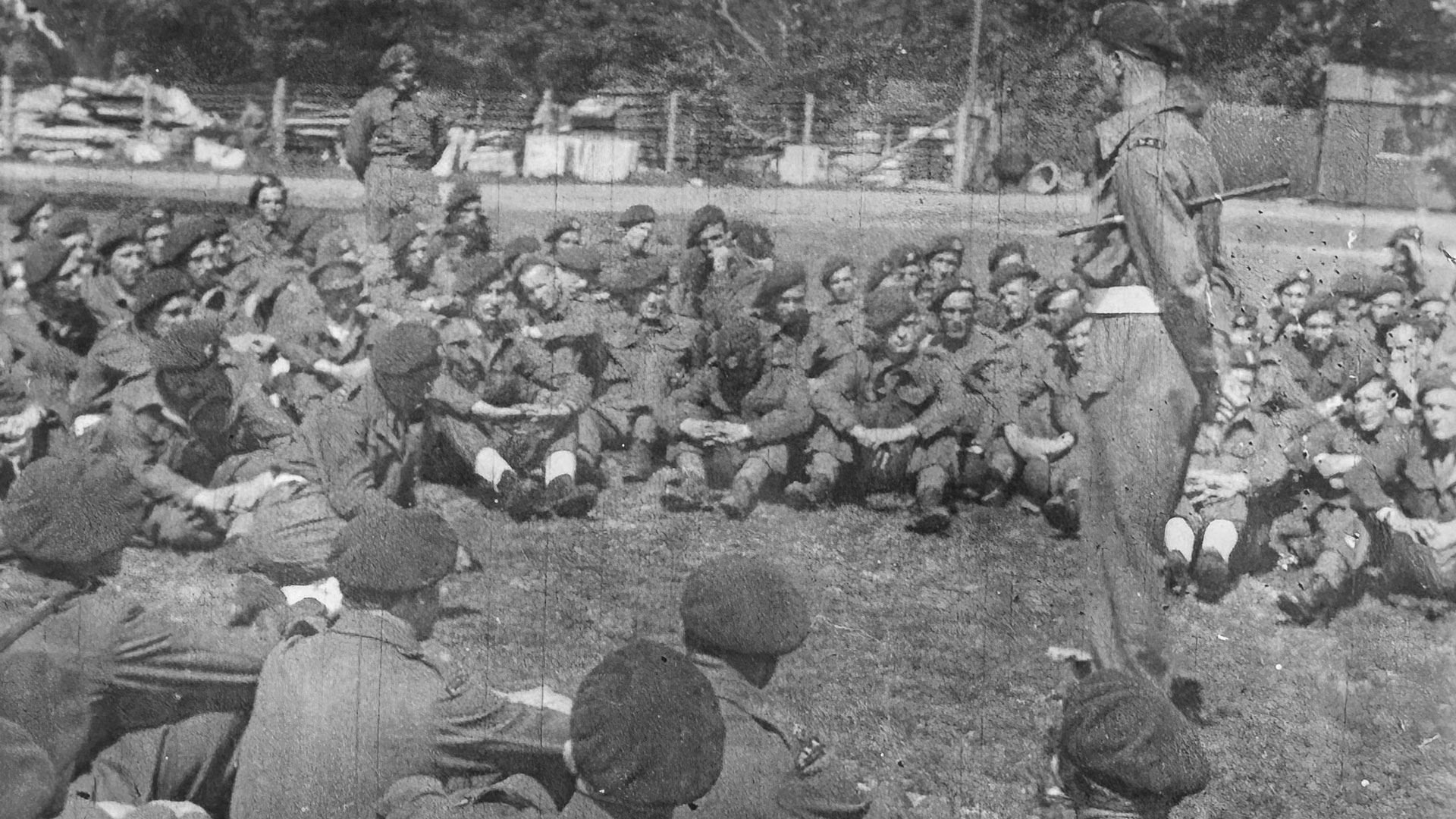
Lt Col Spicer said: "[It involved] armed jeeps marauding across the whole of France, shooting up Germans and joining up with the resistance.
"I mean really quite glamorous stuff and has gone down as probably one of the most successful SAS operations."
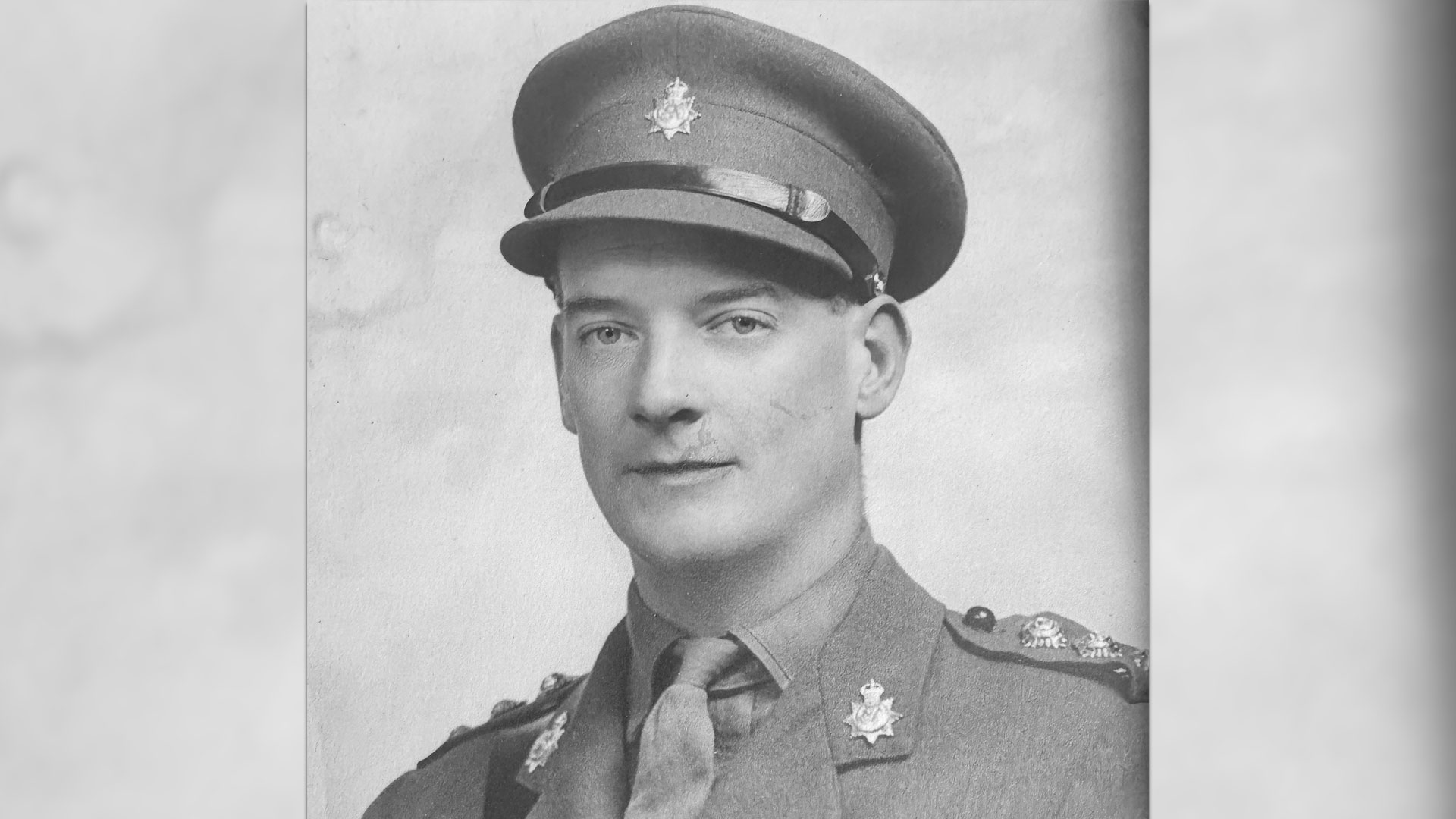
Lt Col Franks' strength was a determination to lead from the front plus he was measured and wanted his troops to be used wisely and looked after.
Lt Col Spicer said: "If he was still alive, there would be things that would exasperate him.
"I mean, woke he was definitely not, but he would fit in with the modern world.
"He would not tolerate [bad treatment of] servicemen and women, that would have been a complete anathema to him."
No plan survives contact with the enemy
Lt Col Franks was an exemplary leader of men, often in very difficult conditions, notably Op Loyton, an operation designed to wreak mayhem in the Nazi-occupied Vosges Mountains in France in 1944.
Lt Col Spicer writes in his book: "It was a complicated operation which ran into considerable difficulties and was unusual in that [Lt Col Franks] had parachuted in to take command when things got sticky."
Hitler's Commando Order, which said "all men operating against German troops in so-called Commando raids in Europe or in Africa, are to be annihilated to the last man", saw 40 men tortured and murdered.
After the Second World War, Lt Col Franks set up a top-secret SAS unit, known as the "Nazi Hunters", that searched for three years for the men who had killed his soldiers so they could be brought to justice.
From wartime commander to the man who saved the SAS
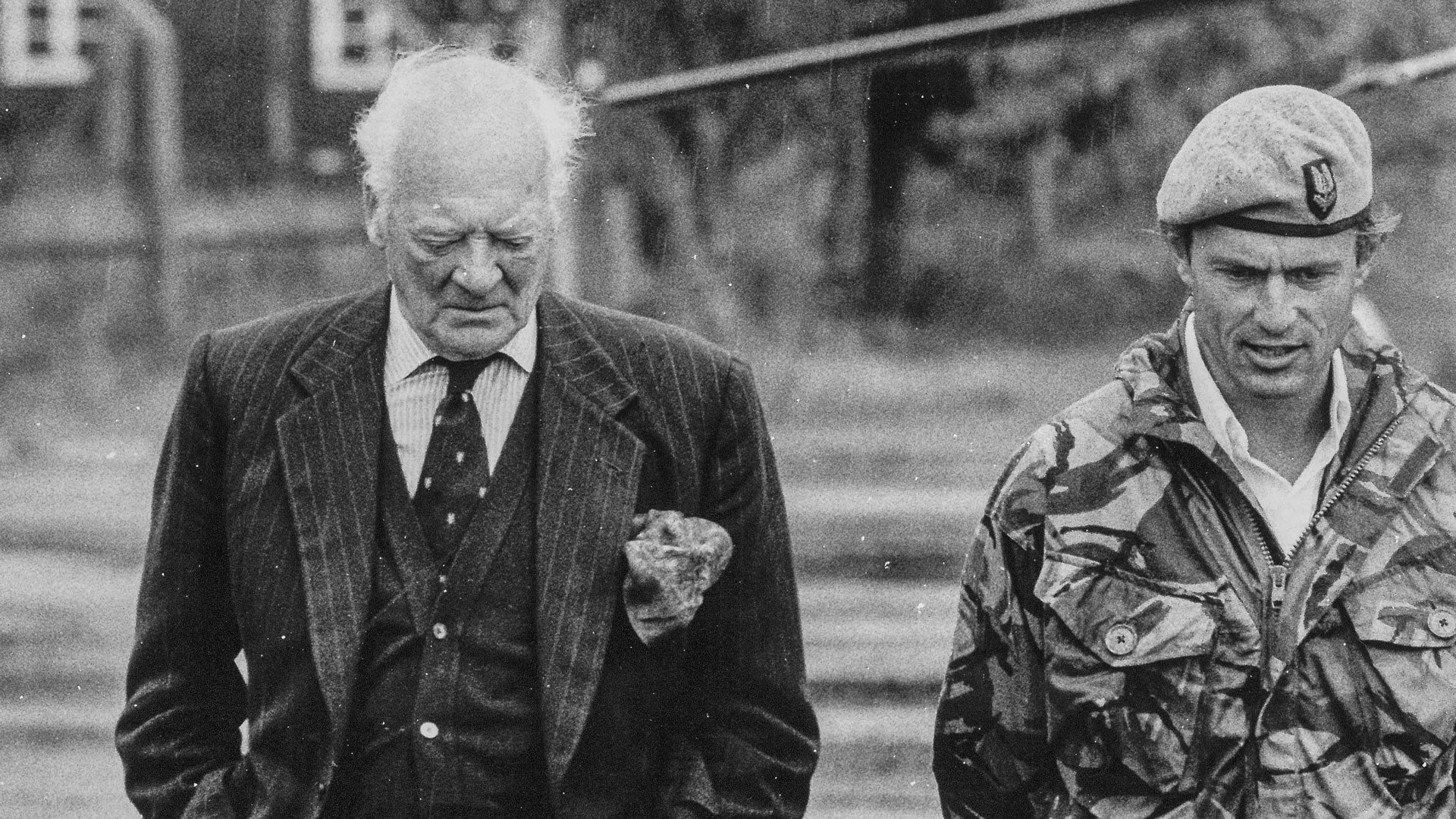
After the war, Lt Col Franks returned to the hotel trade and his family but never forgot the men he served alongside and successfully lobbied for the reinstatement of the disbanded SAS into the Order of Battle.
The Special Air Service was reinstated as 21 SAS, a Territorial Army regiment and he became its commanding officer in May 1947.
Later, as Colonel Commandant of the SAS, he continued to fight for the regiment.
During the Troubles in Northern Ireland, he publicly defended the SAS against criticism, despite pressure not to do so.
No VC for Mayne
Lt Col Franks admired Lt Col Paddy Mayne greatly and, Lt Col Spicer believes, would have been first in line to recommend he be awarded the Victoria Cross.
He said: "He acknowledged Paddy as the most tremendous fighting soldier and I think no doubt, his name would have been first on the list.
Lt Col Spicer added: "I've heard all the theories banded about why this man with three DSOs and about to be a fourth DSO did not get a Victoria Cross.
"It's just bonkers in my view. I personally think Paddy Mayne should have a Victoria Cross."
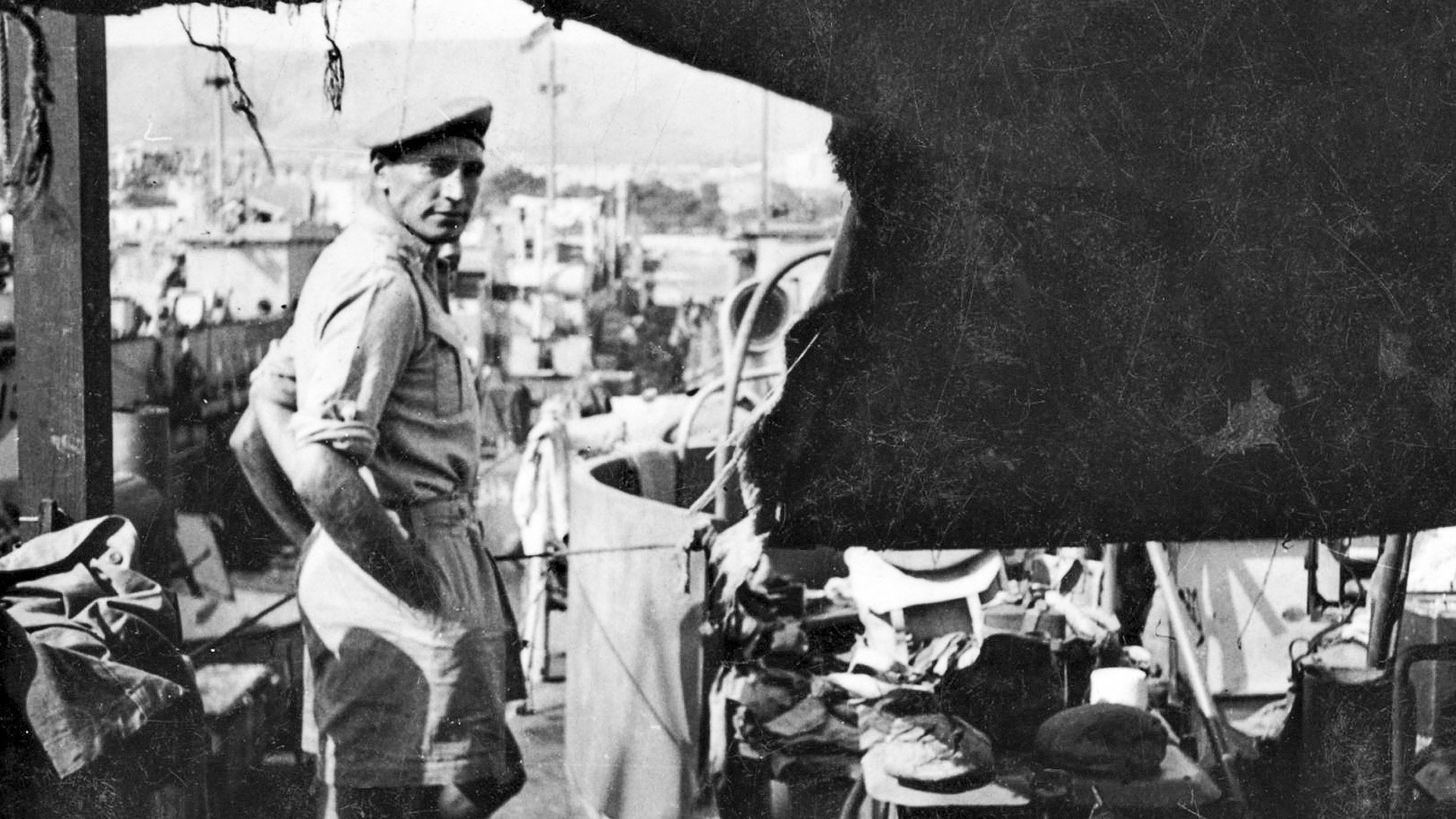
Lt Col Franks wasn't simply preserving a wartime unit, he was helping to ensure special forces remained part of the British Army's future.
Lt Col Spicer said: "He fought long and hard for the correct employment of his troops.
"And of course, that is the leadership trait – it was the same in Afghanistan, it will be the same tomorrow.
"He is the man who saved the SAS, there is no doubt about that."
So why don't more people know Lt Col Brian Franks?
Often overlooked due to the larger-than-life characters Lt Col Franks shared his time with in the SAS, Lt Col Spicer is hoping that his book will finally tell the extraordinary story of the man who prevented the SAS from being "consigned to oblivion".
An Axe and Four Balloons by Lt Col Tim Spicer will be published on 3 September.
Related topics
Join Our Newsletter