Firecrest 2.0: HMS Prince of Wales sails to the High North with F-35s and submarine hunters
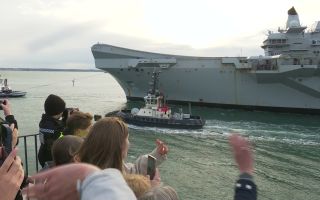
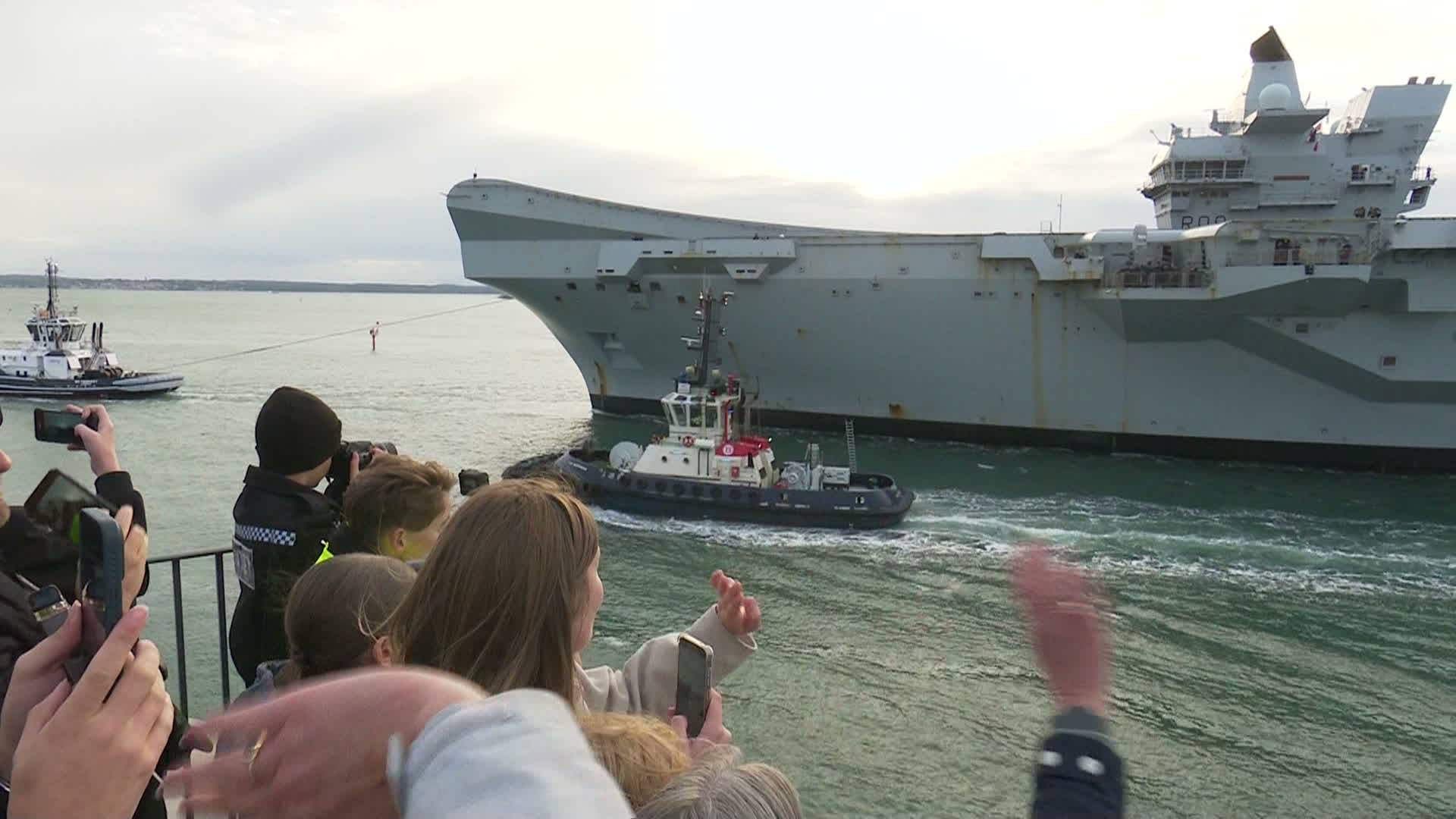
HMS Prince of Wales has left Portsmouth for the Arctic and North Atlantic, returning to a region where her fighter jets intercepted a Russian patrol aircraft earlier this year.
Families gathered to wave off the UK's flagship as she began the second phase of Operation Firecrest.
More than 1,200 UK personnel are deployed across the carrier strike group, which will operate under Nato command and work with allies including Norway, Denmark and Germany.
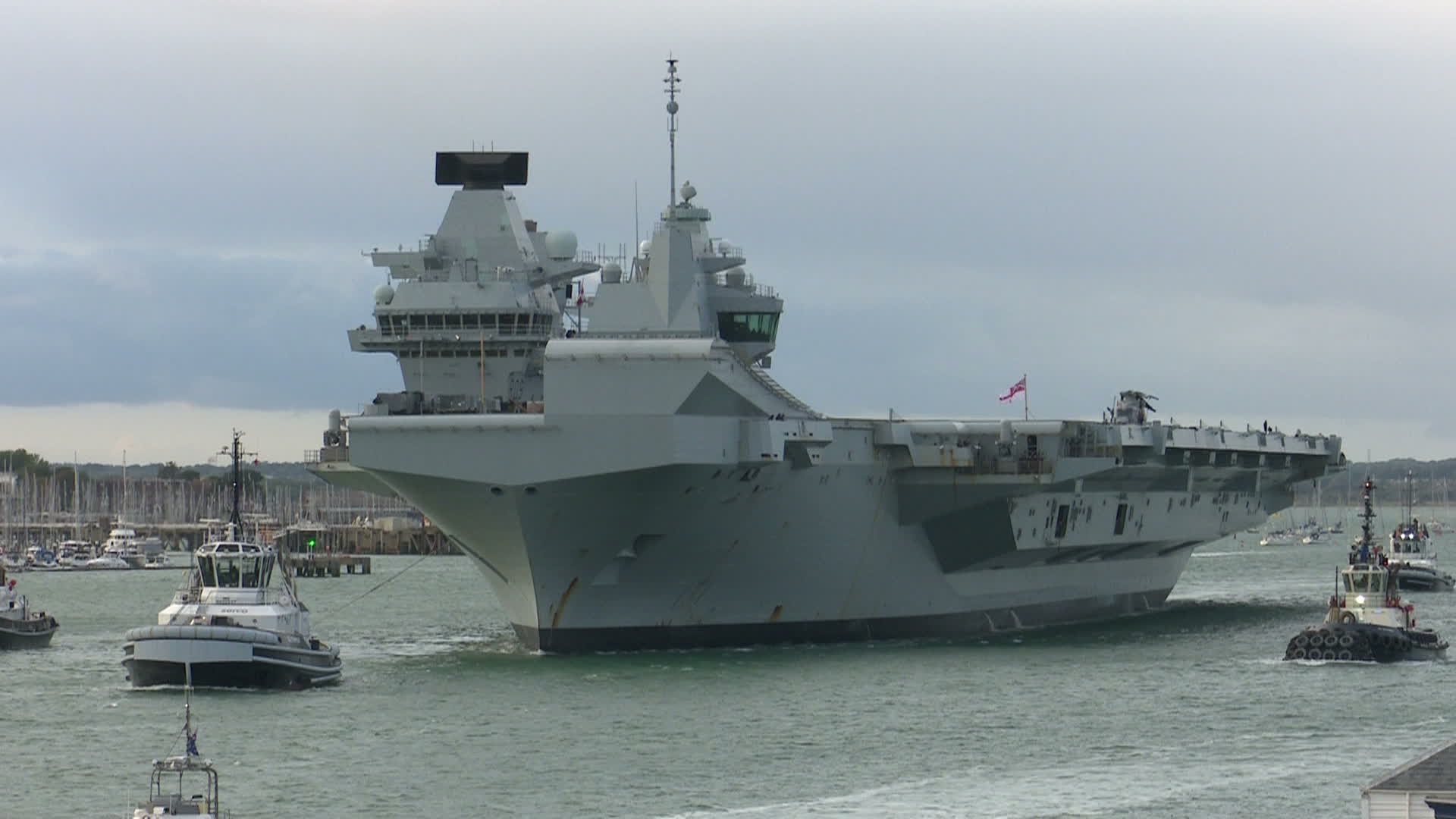
- Tears, cheers and jubilation as HMS Duncan follows flagship into Portsmouth Harbour
- Prince vs President: How does US's newest carrier stack up against Royal Navy's flagship
- Exercise Dynamic Mongoose: Nato's submarine hunting skills put to the test
Accompanied by Type 45 destroyer HMS Dauntless, the carrier is taking her F-35B Lightnings, Merlin Mk4 Commando and Mk2 anti-submarine helicopters, Wildcat helicopters and Malloy drones north.
The group's return follows a summer in which its aircraft conducted Nato air policing and practised long-range strike missions, while its ships and helicopters trained to counter threats above and below the water.

During the first phase of Firecrest, two F-35Bs from 809 Naval Air Squadron launched from Prince of Wales to intercept a Russian Tu-142 maritime patrol aircraft in the Norwegian Sea.
The Royal Navy reported that the Russian aircraft dropped sonobuoys, devices used to detect underwater sounds, during the encounter and also passed the carrier's escort, HMS Duncan.
The deployment then saw the carrier's fighters conduct Nato air policing around Iceland and the High North.
It was the first time British F-35B Lightning jets have conducted Nato air policing from a European aircraft carrier.
During the previous phase of Firecrest, the carrier group also joined Dynamic Mongoose, Nato's anti-submarine exercise, to practise those skills with allied forces.
Its F-35Bs also demonstrated how aircraft operating at sea could reach across northern Europe.
During July's Exercise Neptune Strike, jets from 809 Naval Air Squadron flew training sorties as far as Poland, using an RAF Voyager and an Italian Boeing 767 tanker to extend their range.
Meanwhile, the group's ships practised surface and underwater warfare, supported by Merlin and Wildcat helicopters and additional British and French warships.
The second phase of Firecrest will also see HMS Prince of Wales visit Oslo, hosting the Atlantic Future Forum and International Sea Power Conference as military leaders, ministers and industry representatives discuss northern European security.
Related topics
Join Our Newsletter