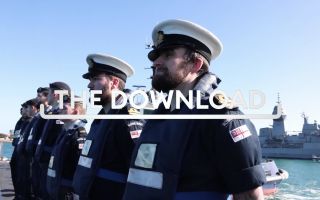
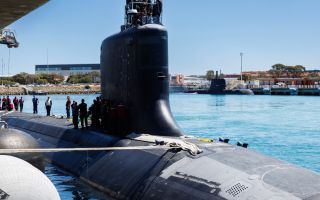
The UK's Carrier Strike Group (CSG), led by flagship HMS Prince of Wales, is taking part in an annual exercise showcasing Nato's operational reach in one of its most strategically important and challenging regions: the High North.
Led by Naval Striking and Support Forces Nato, Exercise Neptune Strike showcases the Alliance's commitment to collective defence, interoperability and year-round readiness.
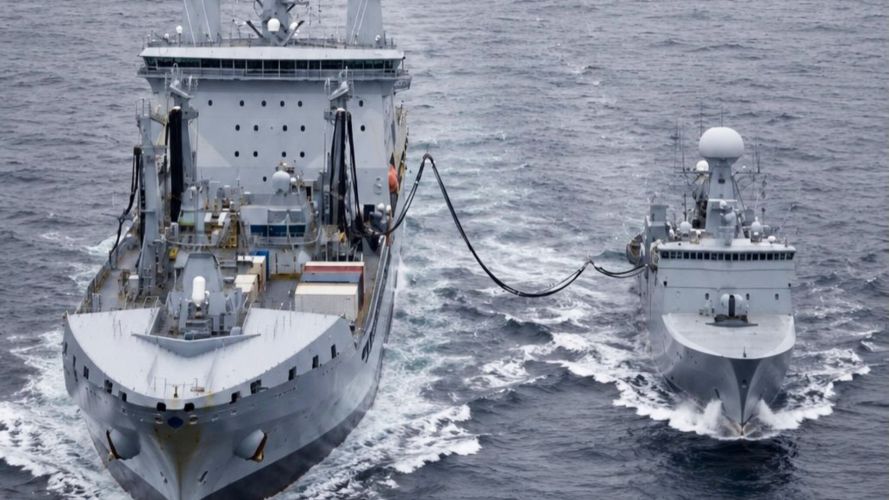
That was put to the test when RFA Tidespring, having sailed from Iceland, replenished Danish patrol Vessel HDMS Thetis while at sea, in what the alliance described as "Nato interoperability in action".
For the first time, this year's exercise expands into the High North and the North Atlantic as part of Arctic Sentry, a multi-domain series of activities reinforcing Nato's presence and deterrence posture in the region, amid increasing threats from Russia and China.
Projecting power
Unlike a traditional annual exercise, Neptune Strike is conducted through multiple iterations throughout the year, with each activity tailored to a specific operational focus.
During the previous iteration at the end of last year, HMS Prince of Wales and its strike group joined Italian counterparts in the Mediterranean Sea, helping to defend critical waterways, such as the Mediterranean, which connects Europe with Africa and the Middle East.
This year's iteration, held from 17 to 23 July, saw the Royal Navy's flagship operate alongside the Spanish Expeditionary Strike Group, led by the Castilla, with support from 14 contributing allied nations.
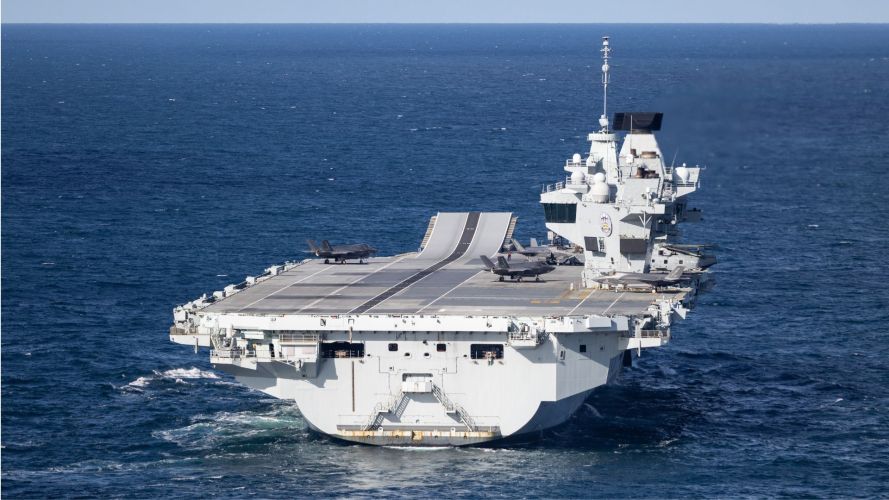
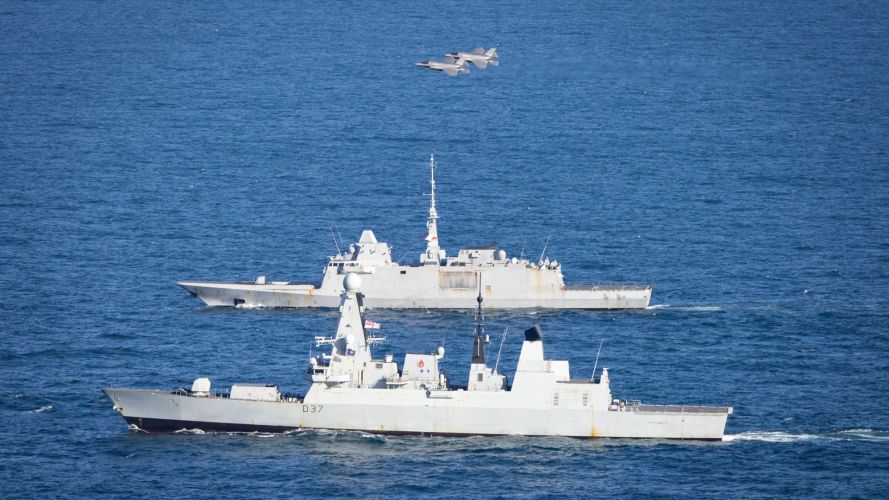
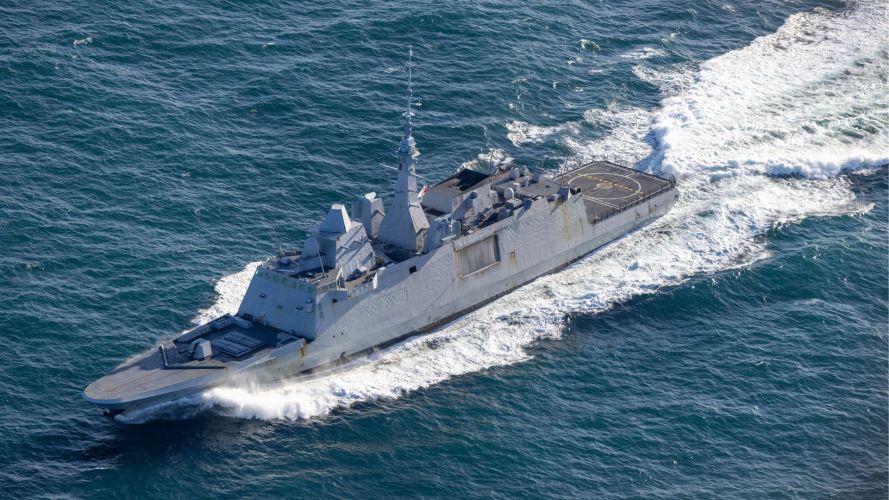
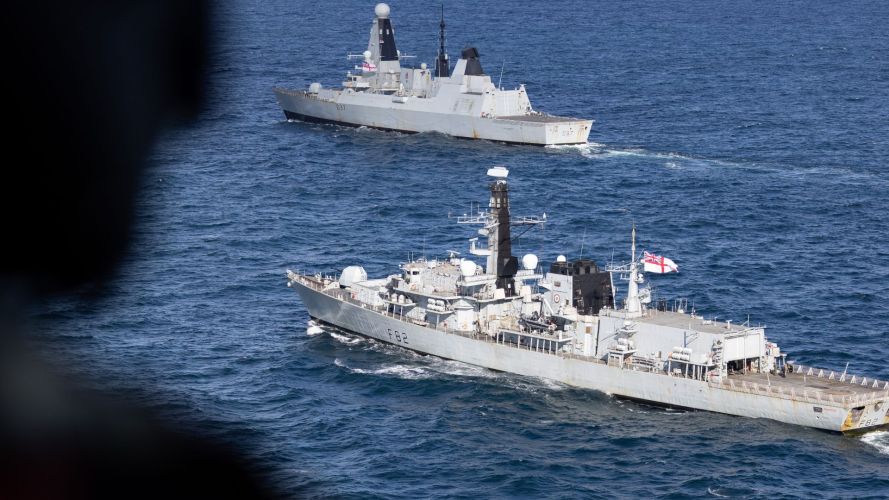
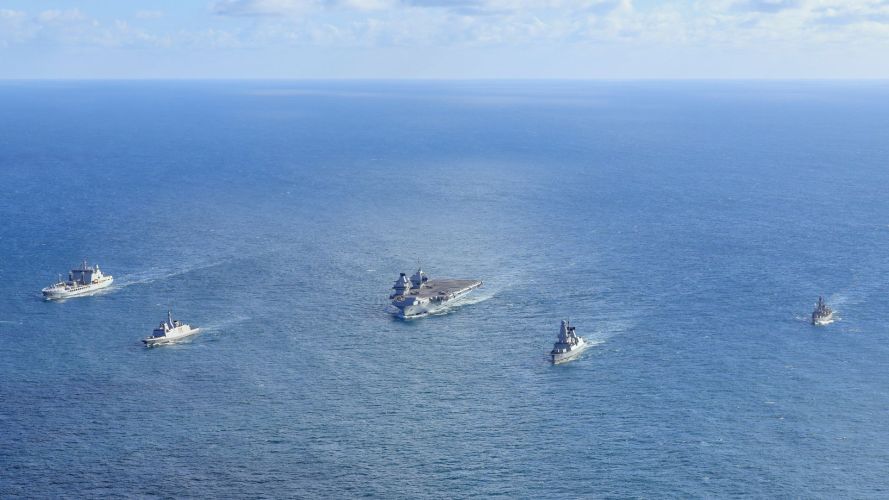
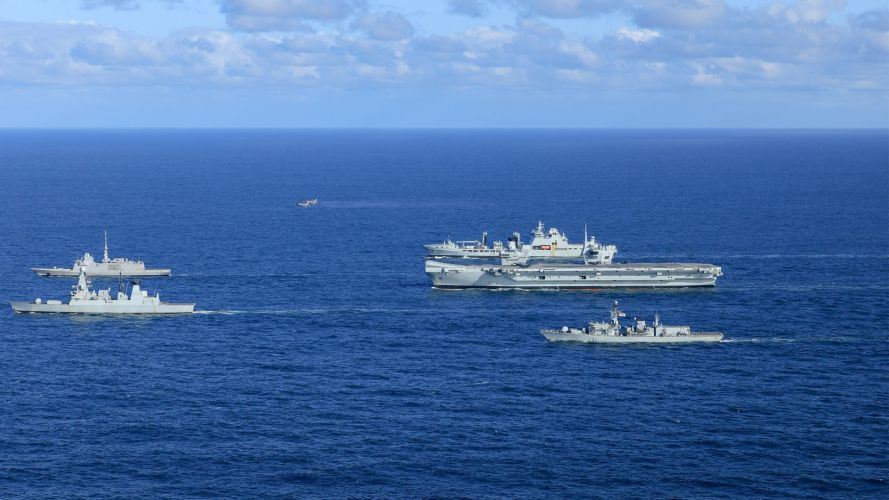
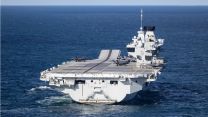
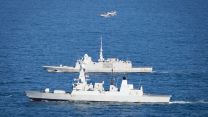
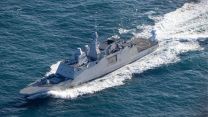
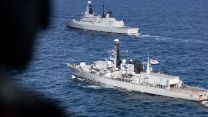
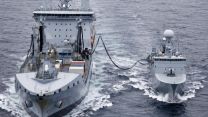
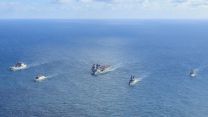
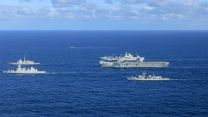
The two strike groups have been working alongside ships, submarines and aircraft drawn from nations including Croatia, Denmark, France, Greece, Iceland, Italy, Norway, and the US, along with assets from Nato’s Intelligence, Surveillance and Reconnaissance Force.
According to Nato, operating in this region exposes allied forces to austere conditions that differ from traditional operating areas, and the training provides realistic opportunities to work together.
Modelled on other alliance operations such as Baltic Sentry and Eastern Sentry, the Neptune Strike series is ultimately designed to demonstrate Nato's ability to secure strategic maritime chokepoints while testing its interoperability across air, land and sea.
Related topics
Join Our Newsletter