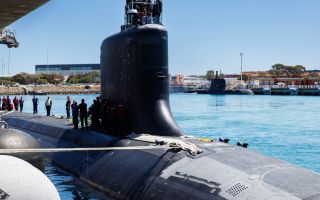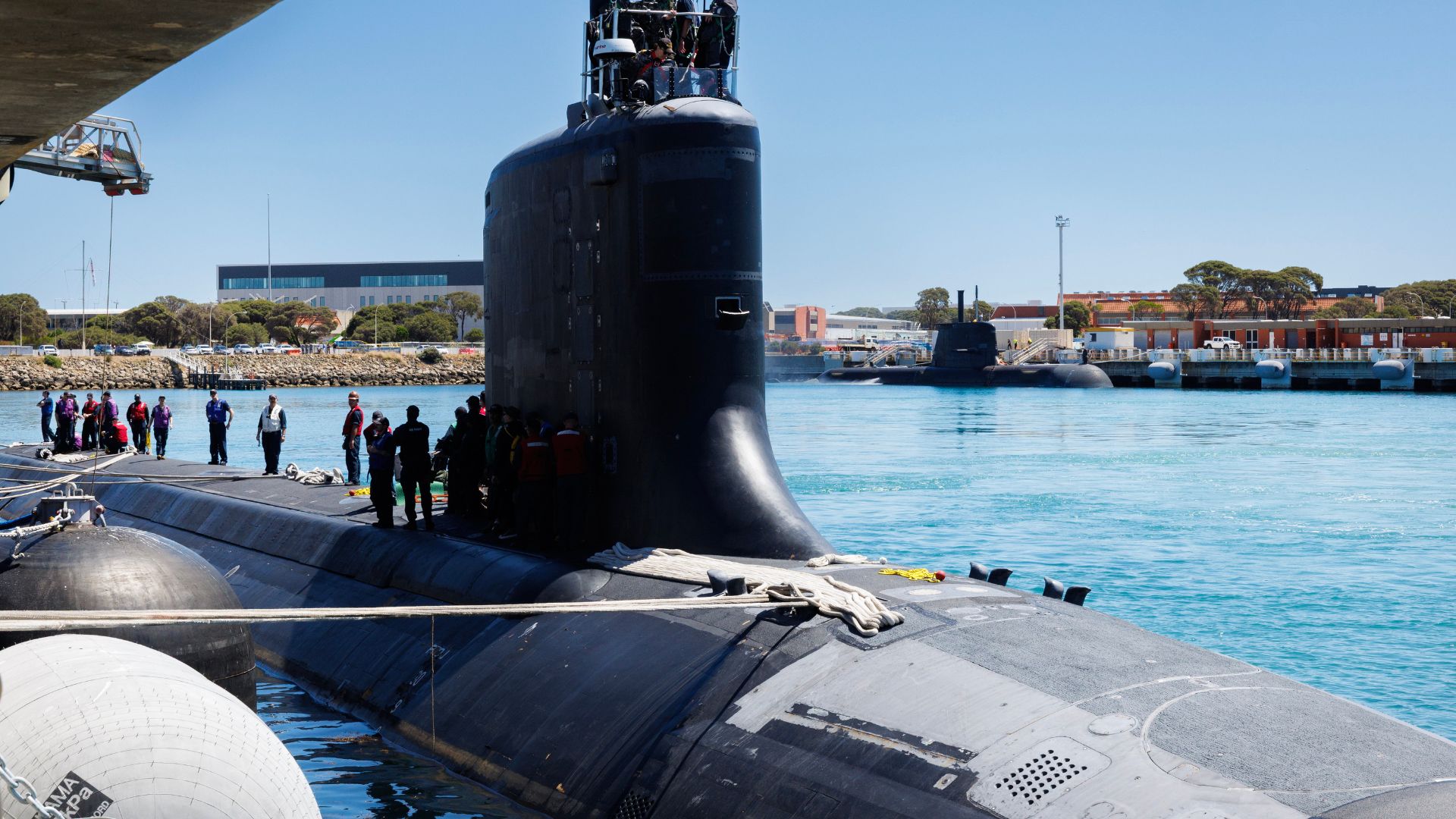
Defence Secretary Wes Streeting, along with his US and Australian counterparts, has announced the first nuclear-powered attack submarine assigned to the Aukus rotational force known as SRF-West.
USS Colorado arrived at HMAS Stirling for a maintenance period before returning in late 2027 as the first submarine to begin rotations.
As a key part of Pillar 1 of the tri-nation security partnership, SRF-West is expected to comprise one British Astute-class submarine and up to four Virginia-class submarines, operating out of the Royal Australian Navy base in Western Australia.
Establishing the infrastructure
The USS Colorado's visit will demonstrate Australia's ability to sustain US and UK nuclear-powered submarines, a prerequisite before it owns its own fleet.
Earlier this year, HMS Anson docked at HMAS Stirling for a maintenance period in what the MOD described as a milestone for the Aukus partnership.
There, Australian personnel, along with UK engineers, carried out maintenance work on the Astute-class submarine for the first time, which included simulated tasks covering hydraulic systems, in-water engineering and safety drills.
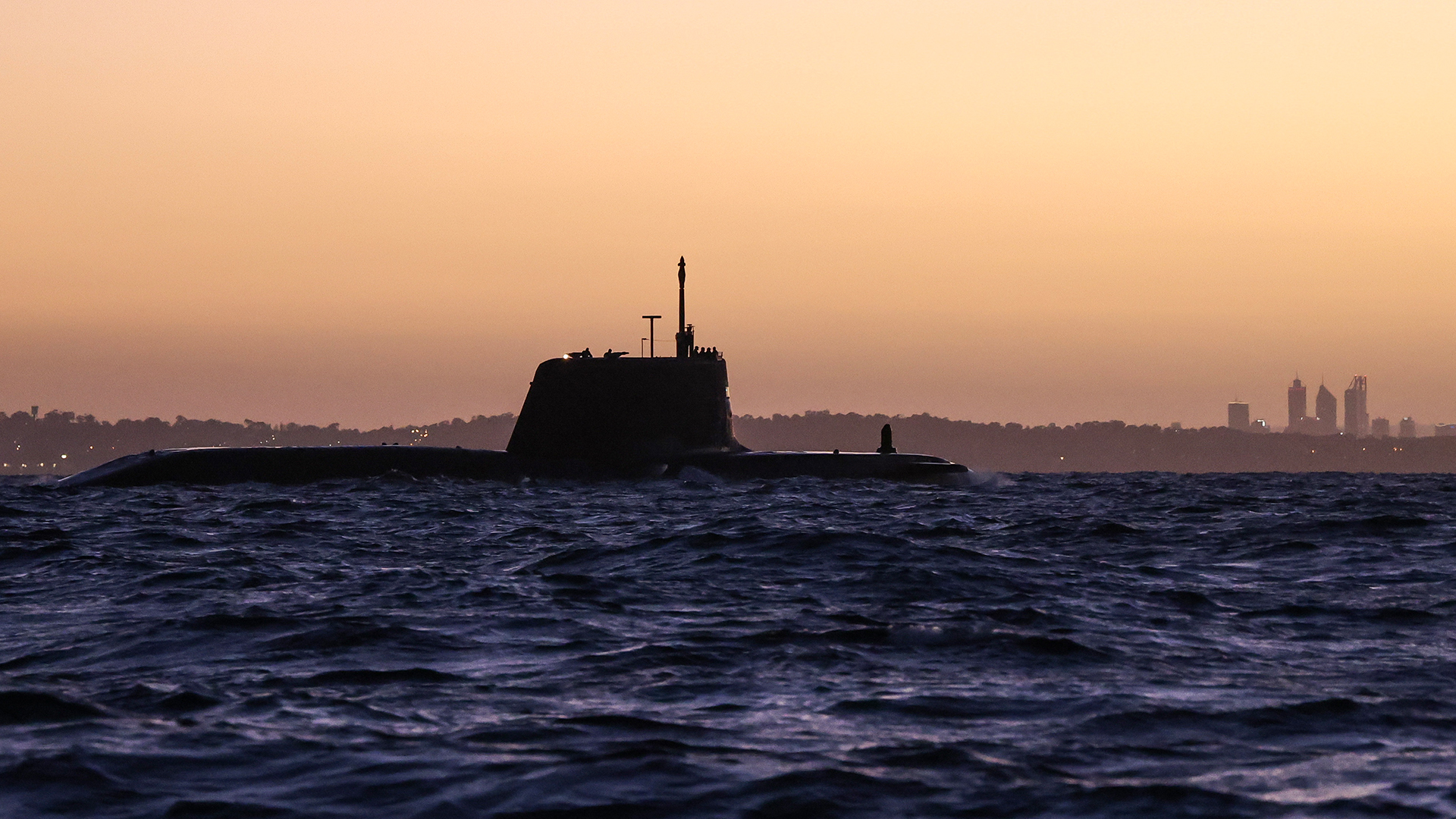
In the subsequent stages of the agreement, the US plans to sell three second-hand Virginia-class submarines to Australia as early as the 2030s. It is then scheduled to receive its first locally built SSN-Aukus in the decade after.
Questions asked
The trilateral partnership is not without its critics, however.
Australian Peter Garrett, the former Labour environment minister and Midnight Oil frontman, is leading a five-month public inquiry into the $368bn pact, with a final report due by 30 October.
The inquiry is expected to examine whether the agreement serves Australia's defence and strategic interests, with cost, delivery timelines, nuclear waste and environmental issues under scrutiny.
The country has not yet identified a permanent storage site for radioactive waste from the future submarine fleet, including high-level radioactive waste that will remain toxic for thousands of years.
Last year, President Trump launched a formal review into the Biden-era defence pact, insisting it must fit its "America First" agenda.
It closed in December, with full endorsement and the decision to move the agreement "full steam ahead".
Join Our Newsletter