'A betrayal and a witch hunt': You tell us what you think about Troubles Bill

Betrayal, harassment, a disgrace and a witch hunt: these are just some of the ways in which the BFBS Forces News community has described the Government’s Northern Ireland Bill as it passes to the House of Lords.
Veterans who served on Operation Banner, the name for the British military presence in Northern Ireland from 1967 to 2007, also got in touch to share harrowing accounts of their on-the-ground experiences and to raise concerns about the impact of the legislation on serving personnel today.
The Northern Ireland Troubles Bill passed the House of Commons with 330 votes to 178 earlier this week and will now progress to the House of Lords for further scrutiny.
Veteran MPs speak up
BFBS Forces News reporter Sian Grzeszczyk Melbourne was in the Commons listening to the debate and appeared on the latest episode of Sitrep to discuss her experience.
"I could see over in the public gallery directly opposite me a row of veterans wearing their berets and their medals, quietly listening, looking down into the chamber below through many, many hours of debate," she told Sitrep podcast presenter Kate Gerbeau.
"Whenever this is discussed in Parliament, veterans travel from afar to be in the room to hear everything firsthand.
"There were very moving, sobering accounts about the conflict from all sides of the House."
Among the veteran MPs sharing their concerns was former Royal Marines Colonel Al Carns, who served in Northern Ireland in 2003.
He told the House he was "deeply concerned" about the legislation, saying it could allow lawyers to "rewrite history" and to "paint the state as the aggressor" as well as leaving elderly veterans fearing further years of legal proceedings.
Conservative MP Lincoln Jopp, who completed four tours of Northern Ireland with the Scots Guards, also spoke of several experiences during his time there – notably when he was an operations officer in East Tyrone on a tour that spanned the ceasefire.
"Right up until midnight on the day the ceasefire kicked in, the IRA was trying to mortar, bomb and murder our people," he told the House of Commons.
"It was evident to me just how raw the pain remains, hearing all of the accounts and different perspectives and the size of the challenge to address," Sian said.
Scars remain decades on
These experiences shared in the House of Commons reflect those shared with us by the Op Banner veterans among our audience, who got in touch to share their thoughts on the legislation.
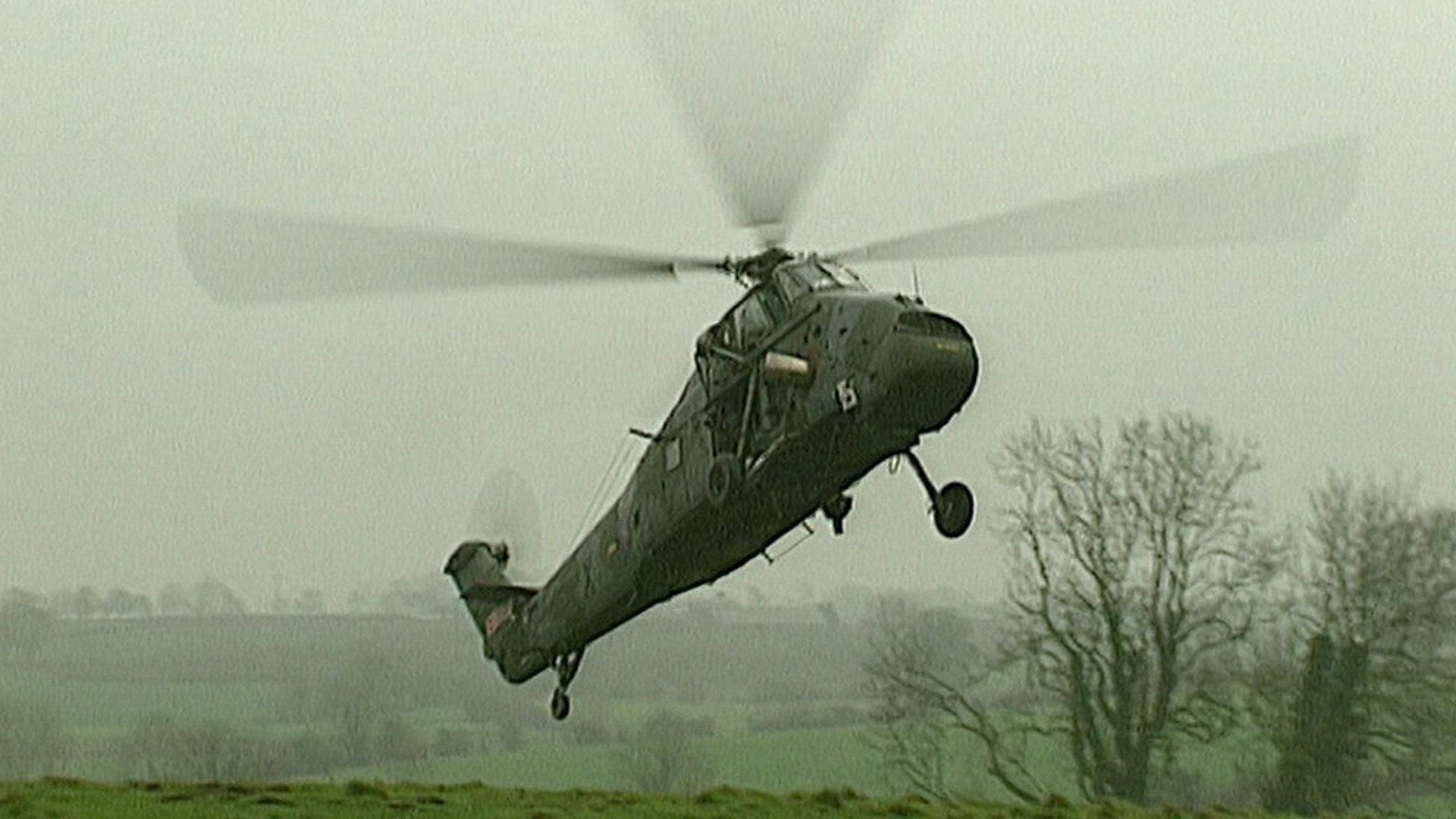
One veteran who served in South Armagh described the mental health impact of resurgent legislation.
"Every time this issue comes up, it reminds me that that very scary five months is not over," they said. "Bear in mind the periods of actual danger were few, but the expectation of a sudden incident while on patrol was constantly there.
"It still sometimes comes back, walking home from the pub after a few beers in the dark and on my own, I suddenly realise that I am patrolling home doing regular 360s etc."
Others referenced the lack of training troops deploying to Northern Ireland were sometimes given.
"As Sappers deployed as infantry with very basic infantry training in the Op Banner context, we did no basic infantry ie, non-Op Banner training at all," one person said.
"To say we were raw would be an understatement."
Many expressed anger, frustration and disappointment with the prospect of future prosecutions in relation to Northern Ireland.
"This pursuit by lawyers is like painting yellow lines 50 years later then prosecuting a driver," said one.
"To pursue veterans now, of any branch of the military or regiment, is to betray the sacrifice and honest service of so many former service personnel and is very likely to have an effect on the attitude, purpose, recruitment and retention of current serving personnel," said another.

This fear was reflected in a poll conducted within our YouTube community. Of a total of 1,200 votes, 55% of people said they were most concerned about investigations years after an operation had concluded, while a further 24% were worried about the impact of the bill on operational decision-making.
Another 16% of respondents were concerned about uncertainty over legal protection if cases were to be brought forward under the Troubles Bill.
The way forward
As the bill progresses to the next stage of the parliamentary process, defence expert Professor Michael Clarke told Sitrep there is a lot riding on this legislation in terms of morale.
"This bill is all about a previous operation. It doesn't affect the statutory issues that go forward with current operations," he said.
"That's all dealt with in different legislation, which is OK, generally speaking, but still has some loopholes.
"But this one, if the Government has got this roughly right, then it will create a sense of closure and will not be a drain on service morale.
"If it hasn't got it right, and if it is perceived as that they've missed the last good opportunity to finally get this right and honour the responsibilities of veterans, then yes, it will have a bad effect on current members of the Armed Forces who will feel that governments don't really have their back and that there is a sort of a series of political pressures which harm their ability to really do their jobs and put their training into practice.
"So a lot will hinge on this bill, not because it affects current operations, directly, but because it affects morale."
Prof Clarke also spoke of the impact that the long-running nature of this debate has had on the Armed Forces community.
"This last 28 years has bruised so many people," he said.
"I mean, the events themselves were bruising. And then in the aftermath, which has lasted well over a generation now, and we're talking about three generations of soldiers or service personnel, and everyone's bruised by it.
"So in a way the issue gets harder. It's harder to reconcile, not easier."
Related topics
Join Our Newsletter