Special Forces veterans warn Troubles Bill amendments fail to prevent repeat investigations
Three Special Forces associations have warned that proposed amendments to the Government’s Troubles Bill give a "green light" for the continued pursuit of veterans - even after decades have passed and there is no new evidence.
In a joint statement, the SAS Regimental Association, SBS Association and Special Reconnaissance Regimental Association raise concerns that "those who seek to punish former Special Forces soldiers for doing their duty to save lives all those years ago will easily exploit its loopholes and vulnerable provisions".
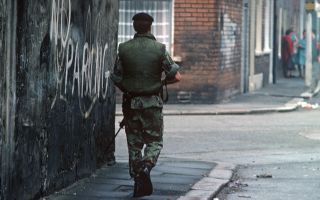
The Government is set to introduce several changes – known as amendments – to its controversial Northern Ireland Troubles Bill, which it says are designed to treat veterans of the conflict with "fairness, dignity and respect".
If passed, the Bill will replace the 2023 Northern Ireland Troubles Act (Legacy and Reconciliation), which offered conditional immunity from prosecution to both former British military personnel accused of wrongdoing and those who committed terrorism offences during the Troubles.
But the new legislation, if approved by MPs and given Royal Assent, will remove that immunity and instead permit prosecutions against former members of the Armed Forces – if certain tests are met.
Shortcomings to address
The Special Forces veterans’ associations did say the proposed amendments presented an opportunity for the Government to begin rebuilding trust between the state and the military – but warned significant shortcomings needed to be addressed.
Their core concern is the prospect of veterans being subjected to renewed investigations without any suggestion that new evidence has emerged.
The associations say the proposed amendments would allow an investigation to be reopened if an investigator considers it "essential", even where there is no new evidence to uncover.
Veterans could be compelled to participate in such investigations when their involvement is not intended to obtain new evidence, they argued.
"All that is required is that the investigator should consider that it is 'essential' to re-investigate (and a meaning of essential is not provided)," they said in the statement.
The organisations also raised concerns about proposed so-called cold calling protections which are intended to prevent veterans from being contacted unexpectedly by investigators.
They say these safeguards do not apply to veterans who are suspected of a criminal offence, and it is unclear if this includes veterans who have previously been contacted by an investigator.
The statement says: "Based on bitter experience, it is difficult to envisage a circumstance in which many of our veterans would not fall within one of those categories."
A final issue raised regards how historical military actions would be assessed.
The associations argue that the amendments do not adequately ensure that the historical and operational circumstances surrounding incidents are taken into account.
This means that "actions from the distant past can be judged with the benefit of hindsight".
The groups acknowledged the Attorney General's involvement in determining future prosecutions – but said this would not address the fundamental problem that "veterans still risk being ensnared in endless re-investigation in the first place".
They said they had submitted proposed amendments to the Government 11 months ago and remained willing to work with ministers to address the legislation’s shortcomings, despite what they described as a lack of reciprocal engagement.
Related topics
Join Our Newsletter