UK fast-tracks supersonic missiles as Ukraine battles Russia's jet-powered drones
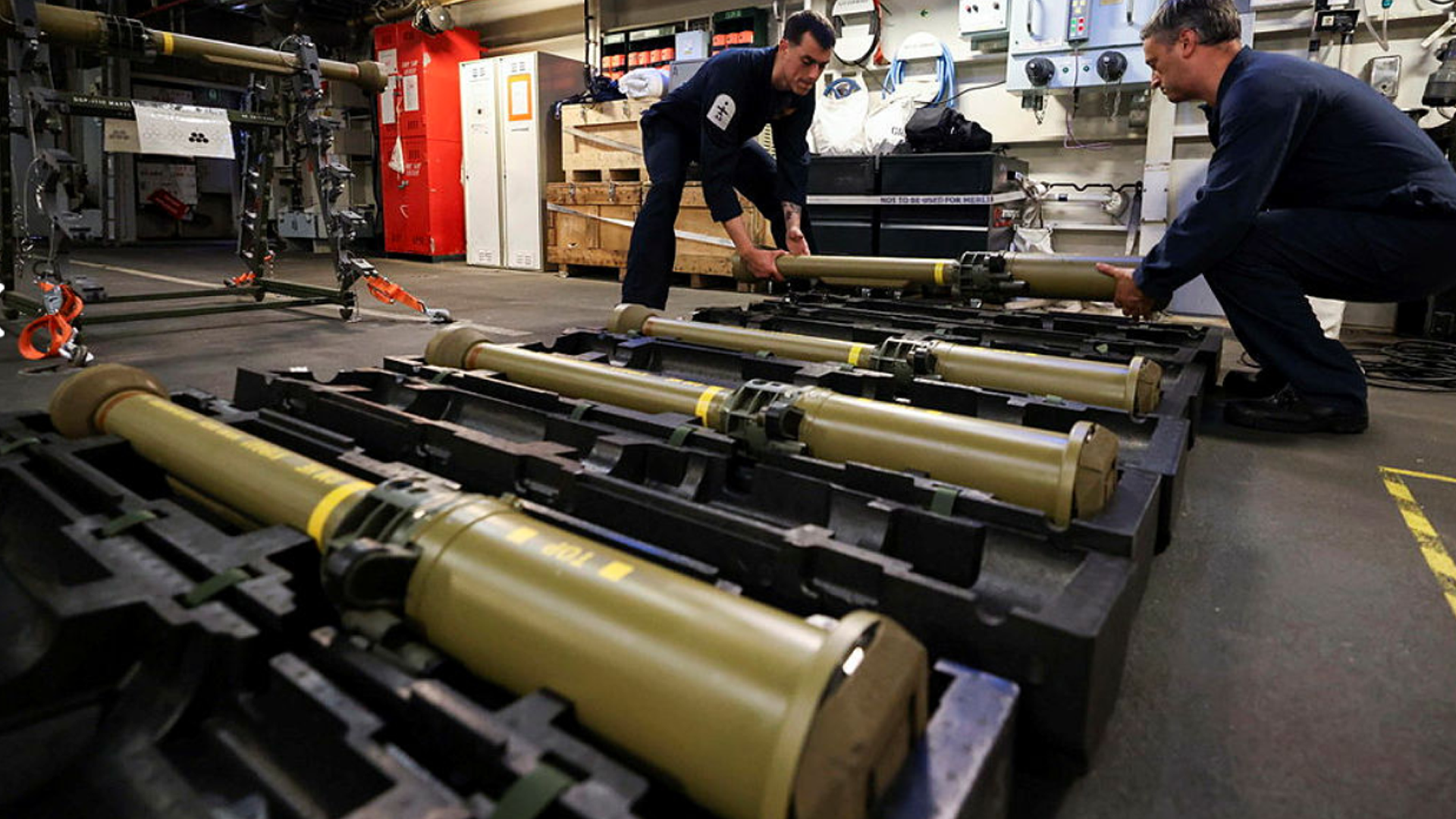
The UK will accelerate deliveries of Lightweight Multirole Missiles (LMMs) to help Ukraine shoot down jet-powered drones striking far beyond the frontline.
Missiles worth £10m will be brought forward from a £45m surface-to-air missile package to meet Ukraine's most urgent winter requirements, Downing Street announced.
The Government said LMMs had proved "extremely effective" against jet-powered drones being used to attack Kyiv and other areas deep inside Ukraine.
- Russia's jet-powered drones raise stakes as Ukraine races to counter dangerous aerial threat
- Homegrown and feared by Russians: Inside Ukraine's 'silent death' robot units
- Nyan: Inside the British jet-powered strike drone at the centre of Russia's threat to UK
These drones are faster and can fly much higher than the propeller-driven Shaheds, making them harder to detect and destroy before they reach their targets.
The accelerated deliveries come alongside an existing £1.6bn commitment to supply more than 5,000 LMMs, which the Government says will be delivered over the next four years.
The missile pledge came ahead of talks between President Volodymyr Zelenskyy and Prime Minister Andy Burnham at Downing Street on further UK support for Ukraine.
LLM vs Martlet?
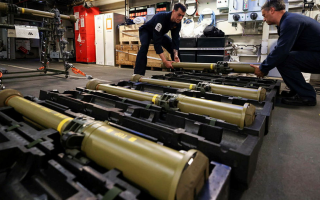
Manufactured by Thales in Belfast, the Lightweight Multirole Missile is known as LMM in the British Army and Martlet – after a mythical bird – in the Royal Navy.
The LMM travels at around one-and-a-half times the speed of sound and has a range of more than 6km.
Each missile weighs 13kg and can be fired from portable air defence launchers or Stormer armoured vehicles, while the Navy deploys Martlet on Wildcat helicopters and ships.
Fired from platforms on land, at sea and in the air, with targets ranging from drones to armoured vehicles and fast attack boats, the weapon uses laser beam-riding guidance, travelling along a beam directed towards its target.
The Martlet made its operational debut on Royal Navy Wildcat helicopters in 2021 and has since been dubbed the "drone-busting" missile.
When the MOD announced an order for a further 650 LMMs in September 2024, it said missiles already supplied to Ukraine had destroyed hundreds of Russian drones and other aerial threats.
Thousands more to come
The larger deal for more than 5,000 missiles was announced in March 2025, with the MOD saying it would treble LMM production at Thales's Belfast factory.
That programme is financed through a loan to Ukraine underwritten by UK Export Finance, the Government's export credit agency.
It also involves a Ukrainian industry partner manufacturing launchers and command and control vehicles in Ukraine.
Join Our Newsletter