Nyan: Inside the British jet-powered strike drone at the centre of Russia's threat to UK
Russia has threatened the UK with "consequences" following reports that British-made drones have been used by Ukraine to strike targets inside Russian territory.
The warning came after the Sunday Times reported that drones produced by two UK companies had been deployed during Ukraine's long-range strike campaign over the previous six months.
Only one was identified: Nyan, a jet-powered one-way strike drone built in Wiltshire by Callen-Lenz, a company owned by BAE Systems.
- The drone revolution: Why rank no longer dictates expertise on the battlefield
- Army's new drone degree will help soldiers tackle near-surface threats
- UK makes finest soldiers, says Jarvis, underlining troops' importance in digital age
Russia's embassy in London said in a statement on Monday that the UK would face unspecified consequences for supplying drones used in such attacks.
"The deeper its involvement in the conflict and the greater its support for Kyiv's terrorist machinery, the higher the price it will pay," the embassy said.
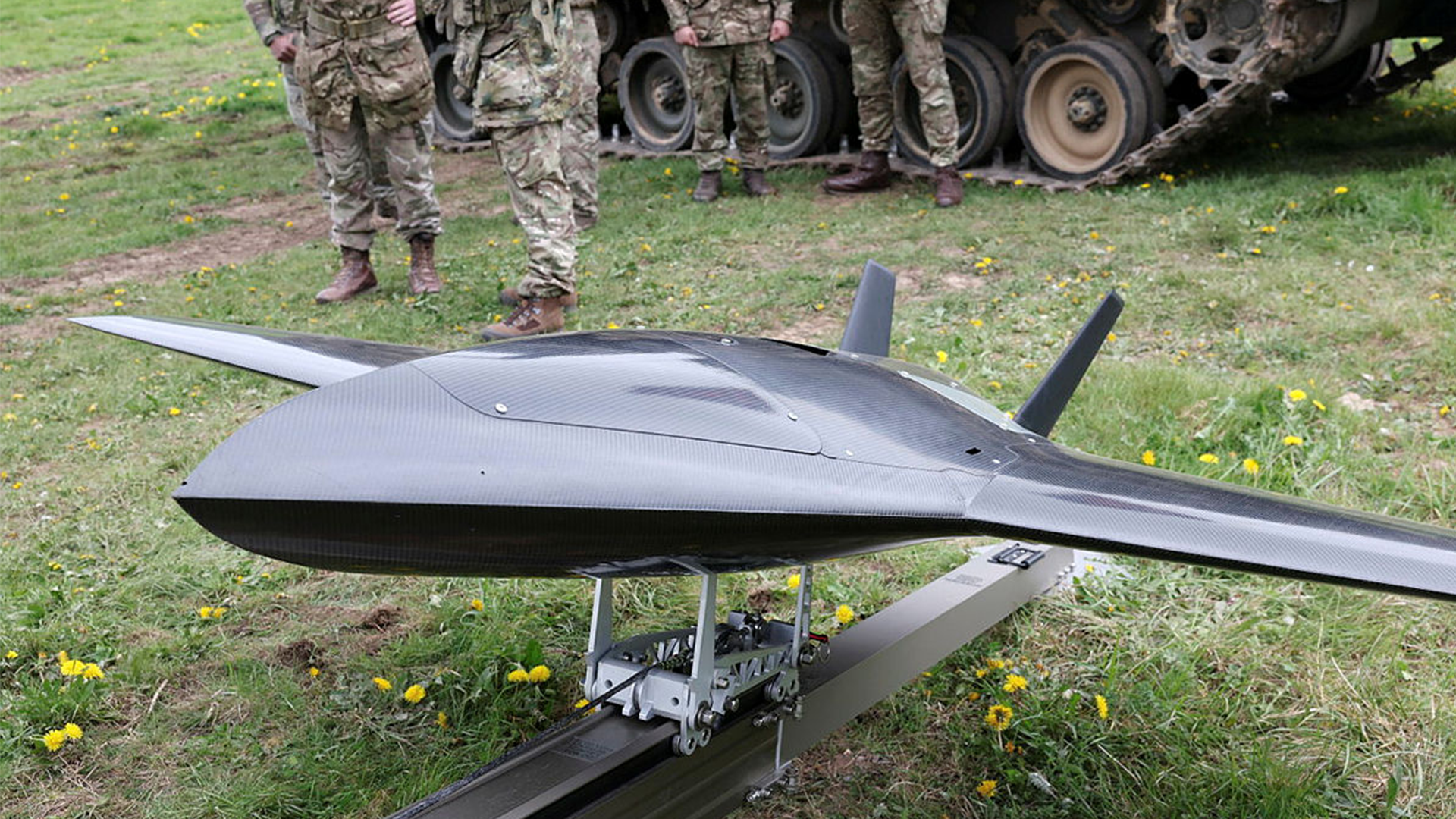
What is Nyan?
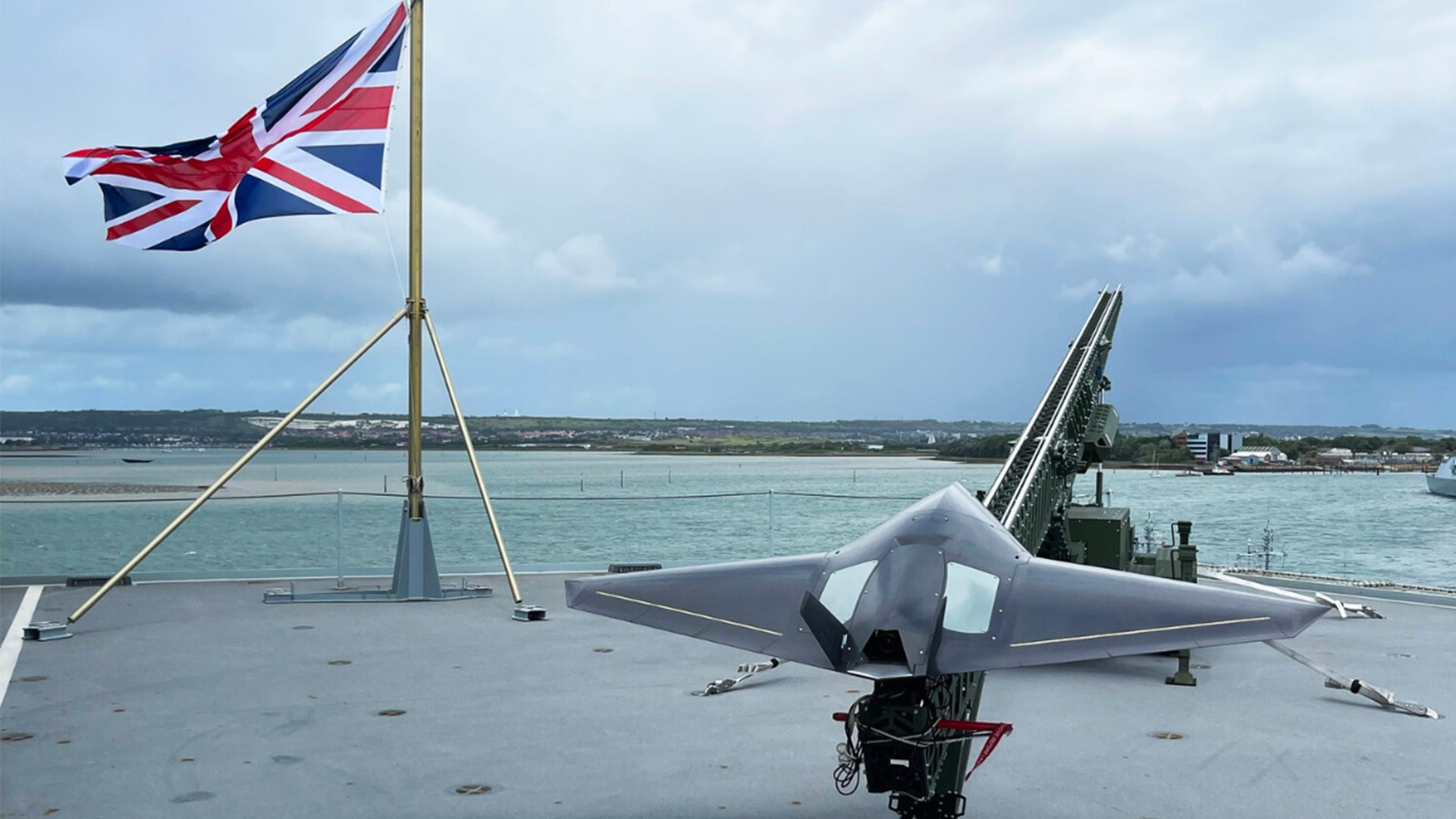
Nyan is described by its manufacturer as a "one-way effector" – an aircraft that carries its payload to a target and is expended during the mission.
It has a 2.9-metre wingspan, weighs at least 75kg when fully loaded and can carry a payload of just under 20kg.
A single gas-turbine engine gives it a cruising speed of 120 knots – about 138mph – while its quoted range is more than 250km, depending on the amount of fuel carried and the mission profile.
That would place targets across the Belgorod region within reach when launched from Ukrainian-controlled territory.
The aircraft is fired from a pneumatic catapult, allowing it to operate without a runway or prepared airfield.
Callen-Lenz says Nyan has a low radar cross-section and can operate in areas where satellite navigation is unavailable or being jammed.
Its modular payload bay can carry kinetic equipment for a strike or non-kinetic systems, potentially allowing the aircraft to act as a decoy or force enemy radar and electronic-warfare equipment to reveal its position.
Tested by the British Army and Royal Navy
The British Army tested Nyan during Exercise Spring Storm in Estonia in May as part of the UK's deep fire capability in support of Nato allies.
It was later launched from the Royal Navy's experimentation ship XV Patrick Blackett off the south coast of England during Exercise Neptune Reach.
The ship was fitted with a launcher capable of sending one-way effectors into the air at up to 55 metres per second.
The trial tested how Nyan could be operated from a moving naval platform. It was conducted under Project Vantage, a programme involving the Royal Navy, British Army and RAF that is focused on accelerating the testing and evaluation of maritime attack drones.
The Royal Navy capability team and the Air and Space Warfare Centre are analysing the results, according to BAE Systems, with the potential for further trials aboard HMS Queen Elizabeth.
Callen-Lenz chief executive Matt Foster said in July that more than 1,000 Nyan aircraft had been produced and described the system as "operationally proven on land".
UK support 'won't change'
Prime Minister Andy Burnham said Russia's warning would not alter the Government's support for Ukraine.
"This is the UK doing what it has long said it would do, which is to support Ukraine 100% against this illegal war led by Vladimir Putin," he said.
"We are not fair-weather friends. We will be there in Ukraine's hour of need, and that won't change."
An MOD spokesperson said: "Britain stands shoulder to shoulder with Ukraine and we are committed to providing the equipment Ukraine needs to defend itself against Putin's illegal invasion.”
The Government announced in June that it would provide Ukraine with 150,000 Ukrainian-produced drones by the end of 2026 as part of a £752m support package.
The package, funded through the UK's loan backed by proceeds from immobilised Russian sovereign assets, also includes more than 350 air-defence missiles and radar systems.
Join Our Newsletter