An adrenaline rush: Army Reservists open fire in Finland to test their air defence capability
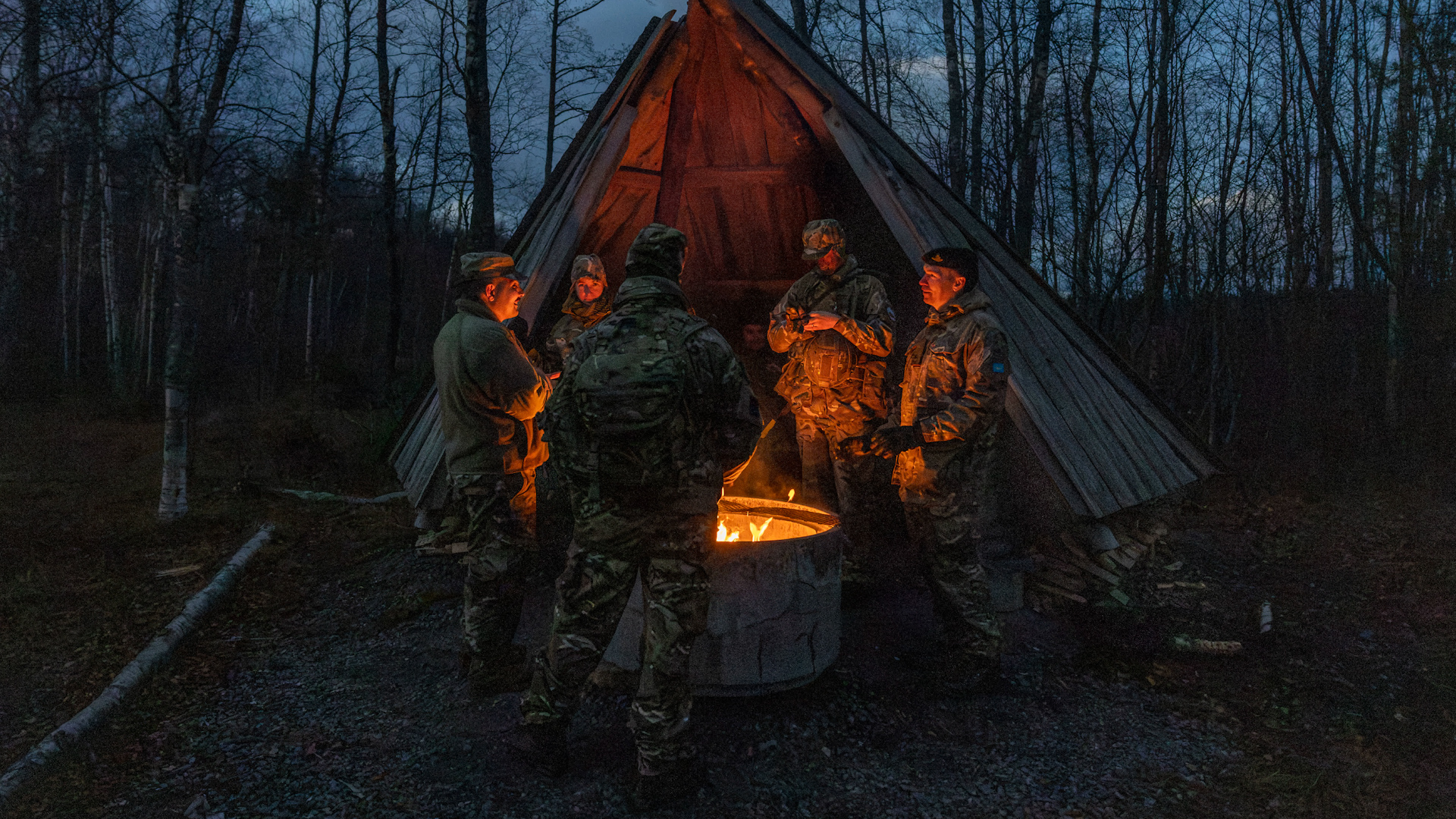
Around 90 members of the Army Reserve have deployed to Finland for Exercise Mallet Strike, where they are training to help defend Nato’s northern flank.
106th (Yeomanry) Regiment Royal Artillery – the Army’s only reserve regiment with an air defence capability – is working alongside 1,500 Nato personnel from Finland, Sweden and Norway.
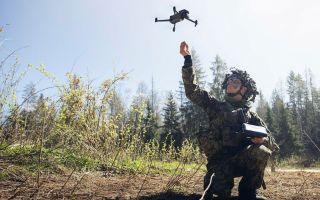
The exercise is testing the soldiers' ability to counter the types of unmanned aircraft used in Ukraine and the Middle East.
They are developing their ability to detect, coordinate and respond to threats quickly and effectively under pressure.
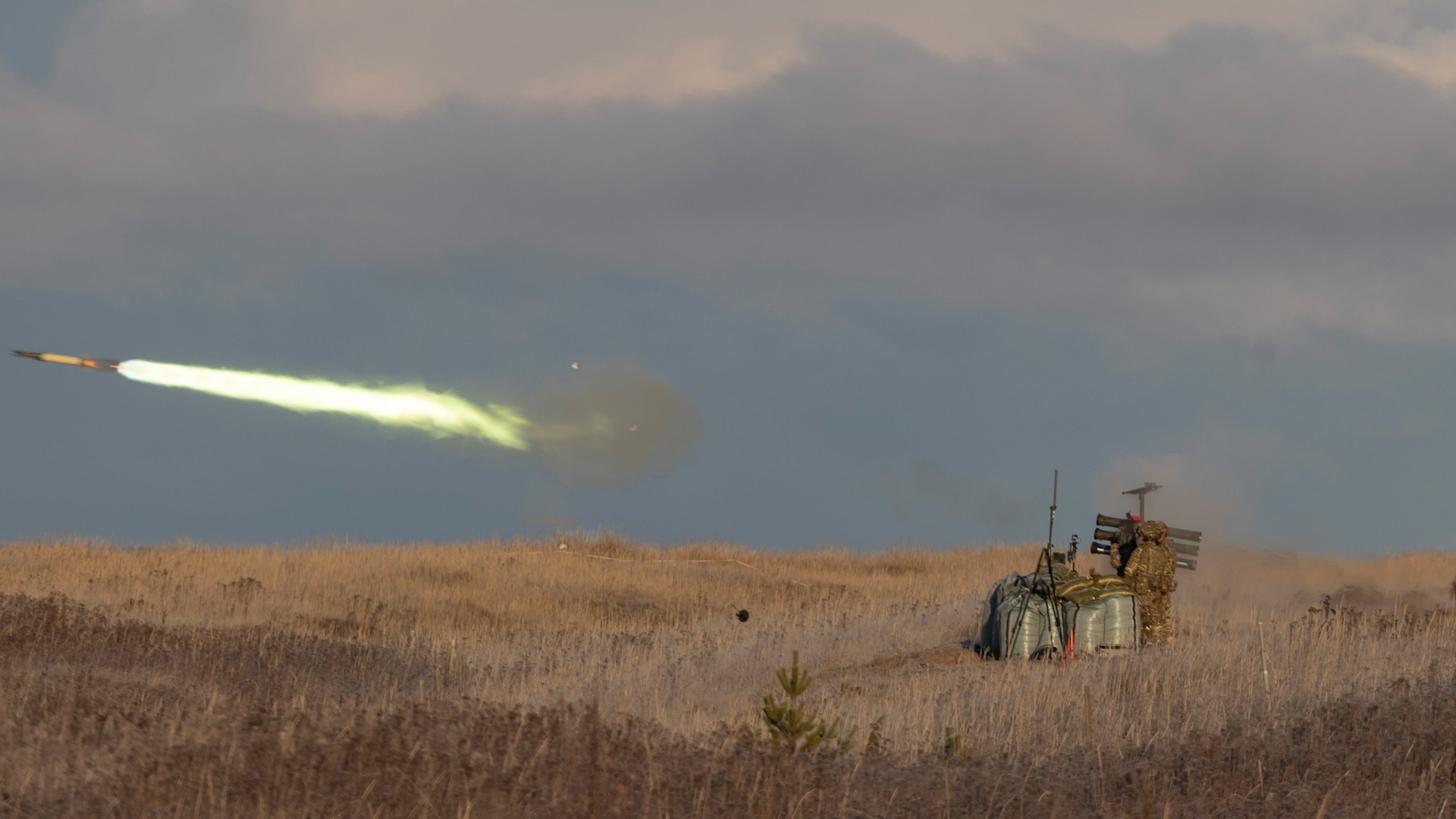
Pulling the trigger
Among the reservists are cleaners, plumbers and even an undertaker, but their parallel lives as soldiers mean they are also able to operate missile systems.
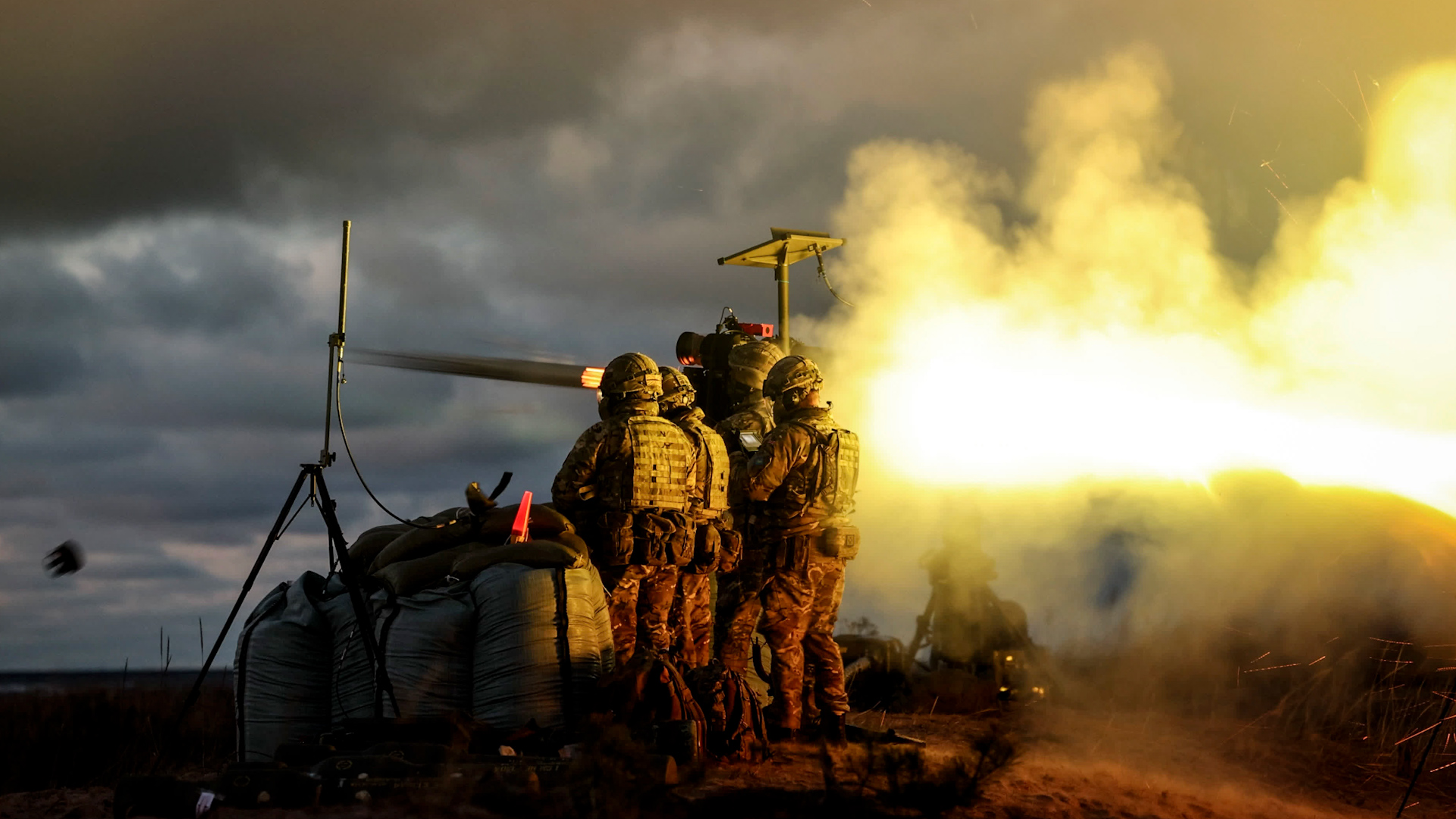
106 Regiment Royal Artillery operates ground-based air defence weapons, including the Starstreak High Velocity Missile system and the Lightweight Multirole Missile, which is know in Royal Navy circles as the Martlet.
Sergeant Matthew Hunt, who's a joiner in civilian life, said the London-based regiment’s first overseas live-firing exercise was "absolutely fantastic".
"You train as much as you can in the simulator, so you do a thousand-odd shots on the simulator," he said.
"But the second you stand behind that launcher and pull that trigger, it’s completely different.
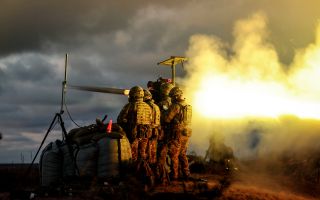
"You get the recoil, you get the smoke - and the blast? That’s such an adrenaline rush."
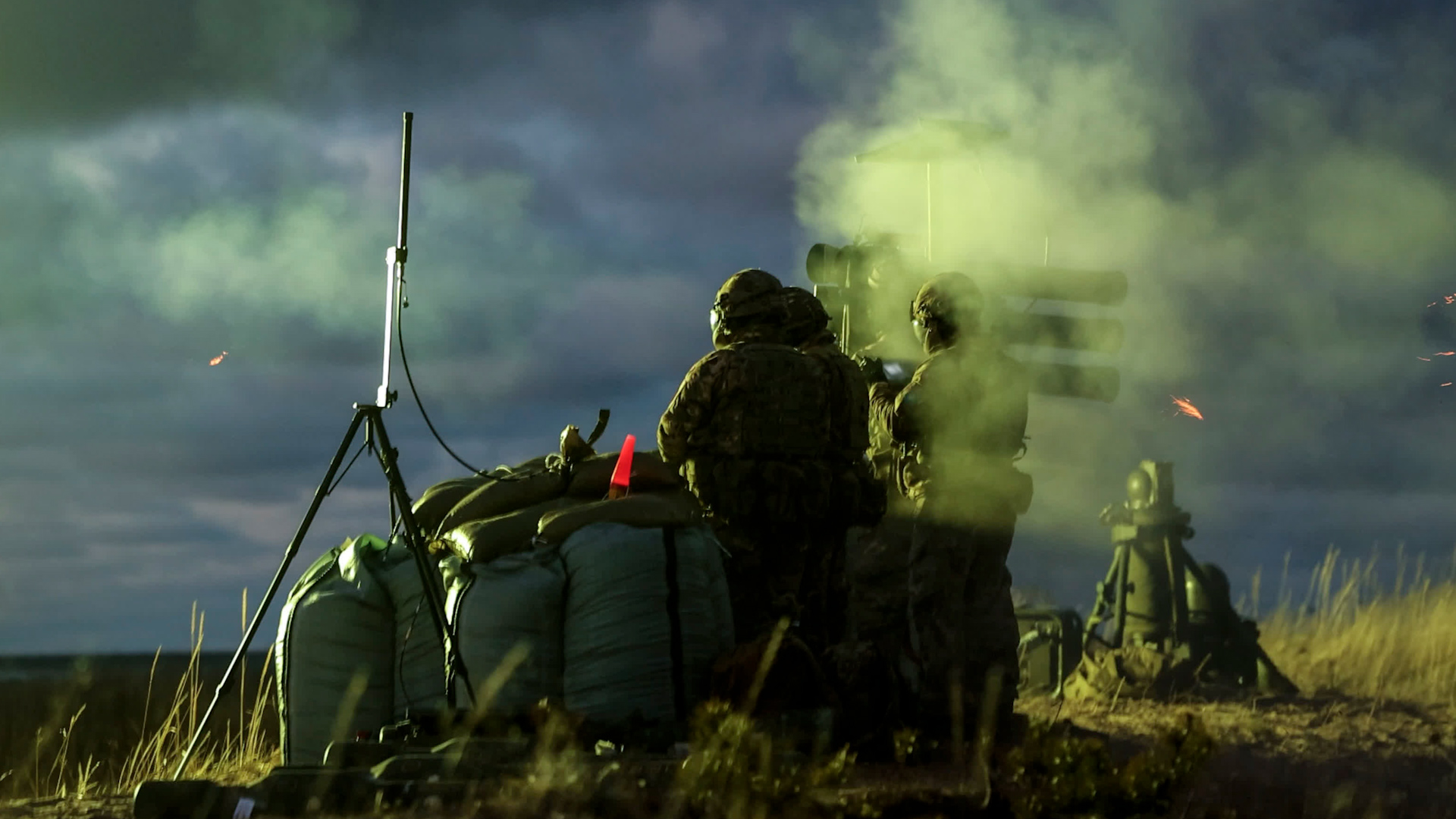
Counter-drone warfare
Starstreak is designed to take out low-flying aircraft, helicopters and some drones at short range.
It can travel at more than three times the speed of sound and uses three dart-like projectiles, allowing multiple strikes on a target.
Starstreak can be fired from the shoulder, a lightweight multiple launcher or from the Stormer armoured vehicle, and there is no way to jam it.
Martlet is a smaller missile that can be used against a range of aerial threats, including drones.
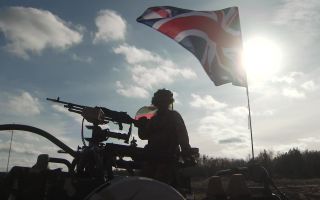
The exercise also tested shooting down Banshee drones using a GPMG general purpose machine gun.
Join Our Newsletter