Access all areas for Forces News reporter as 4 Scots shows life on exercise in Lebanon
The most striking thing about seeing Beirut from above is the colourful lights and coastal skyscrapers.
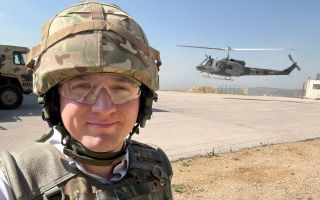
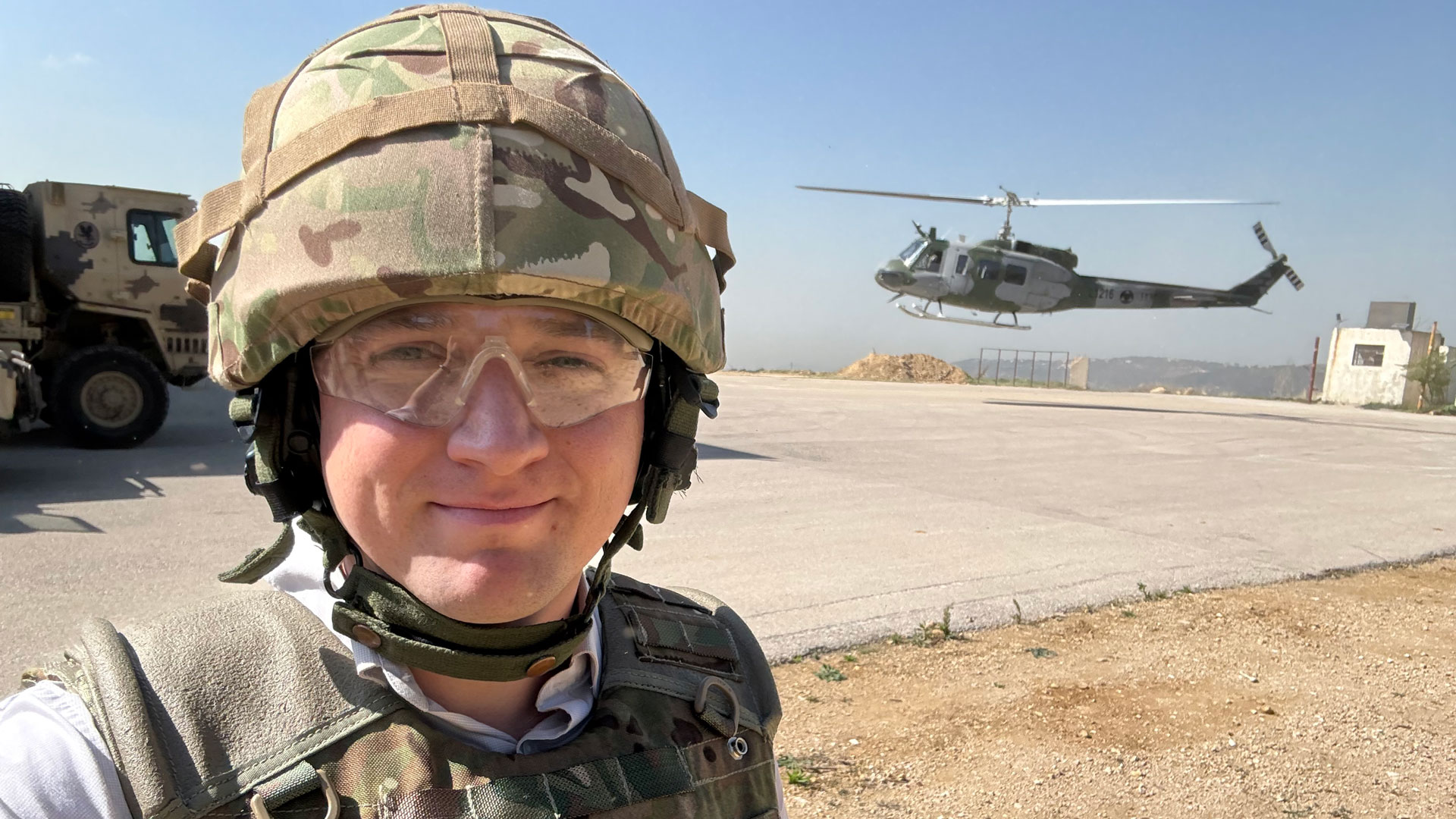
It's only a short flight from Cyprus where I'm based as the BFBS Forces News reporter.
We've covered Ex Pegasus Cedar before, but this is the first time with The Highlanders since war broke out across the Middle East in 2023.
A mini-bus courtesy of 4th Battalion, The Royal Regiment of Scotland (4 Scots) is waiting outside the airport with our escort, a group of armed guards from the Lebanese Armed Forces, the LAF.
We weave through chaotic traffic at speed until we leave Lebanon's capital, steadily rising into the hills.
Decent scoff for 90 jocks
The Highlanders are embedded with the Air Assault Regiment at their base in Ghosta about an hour from Beirut.
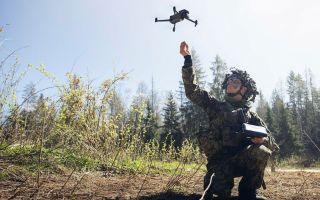
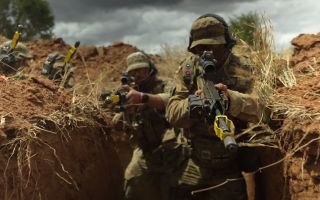
They're flying in helicopters or live-firing across huge landscapes every day, training alongside an LAF special forces unit.
I've been given exclusive access to their camp to see what life is like on exercise.
With an SA80 slung around their lower backs, the blokes line up for scoff at the cookhouse, which is decorated with a single Scottish flag.
"I've had a burger, chips, coleslaw," said Highlander Lucas Doyle, from 6 Platoon.
"I'll probably say it's one of the best burgers I've ever had."
There are 90 soldiers from B Company and Support Company in country, who all need regular feeding.
"It makes me pretty happy knowing I'm coming back for some decent scoff instead of a ration pack," added Highlander Doyle. "It's a thing you're looking forward to after a busy day."
The soldiers get the three classic meals - breakfast, lunch, dinner. Army chefs start work before dawn, ending the day long after dark.
"There are times when you have to be on your feet from 5am ''il 10pm," says Private Priscilla Amoani.
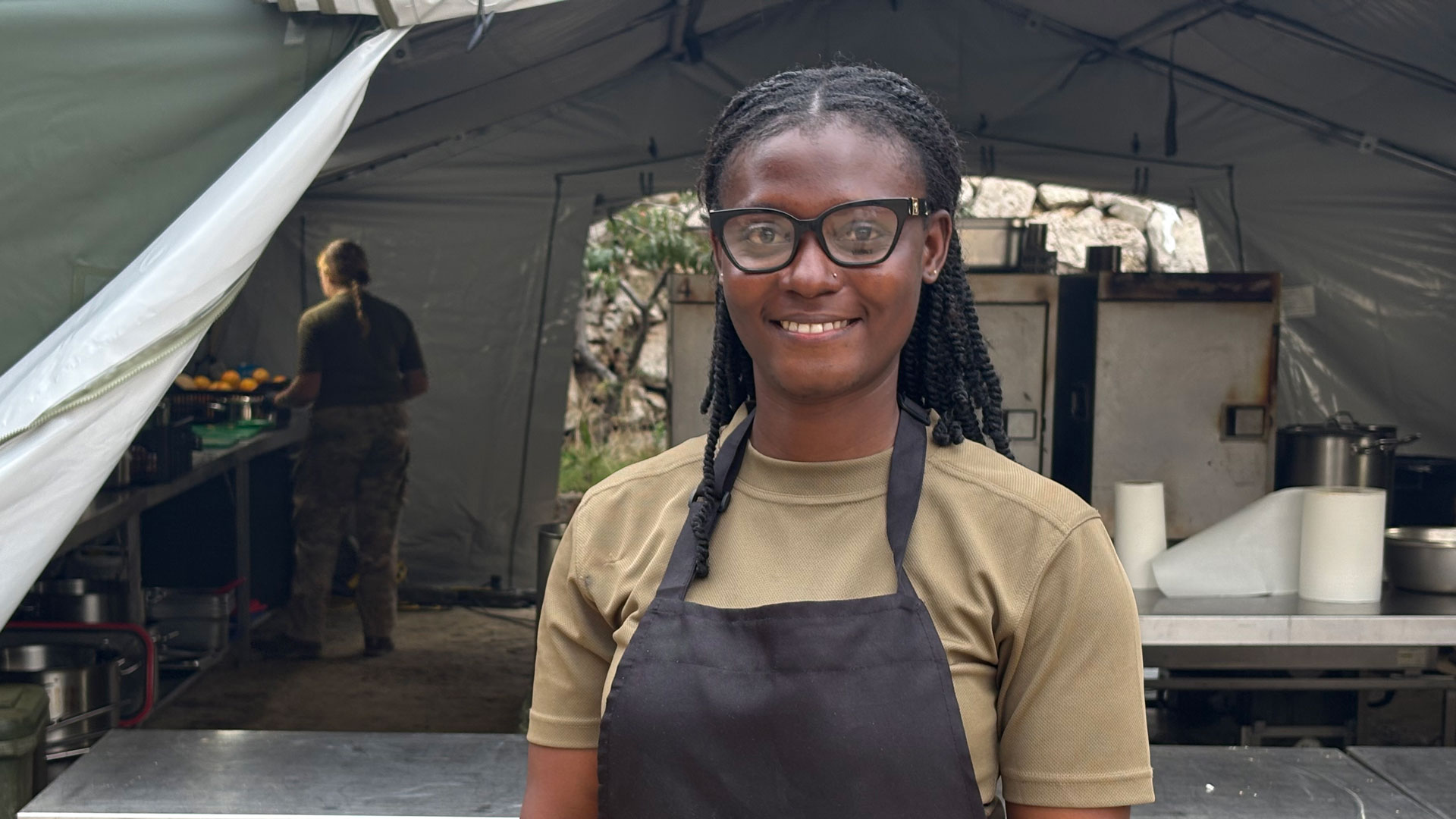
"You get back home and realise your feet are all hurting, I have to massage them every night."
It's the young private's first time away on exercise. "I'm enjoying every bit of it, it's going to be a memory," she says.
I can barely hear the chef above the sound of whirring generators.
Everything 4 Scots needs for the three-week exercise has been flow over in an RAF A400, including all the food and ovens.
"Soldiers need food to operate and we provide healthy balanced meals, nothing processed," said Warrant Officer Class 2 Marc Wrangham, the exercise head chef.
All the food is being cooked fresh right in front of me on sizzling hot plates.
"They like decent, hearty food," says WO2 Wrangham. "Food from home."
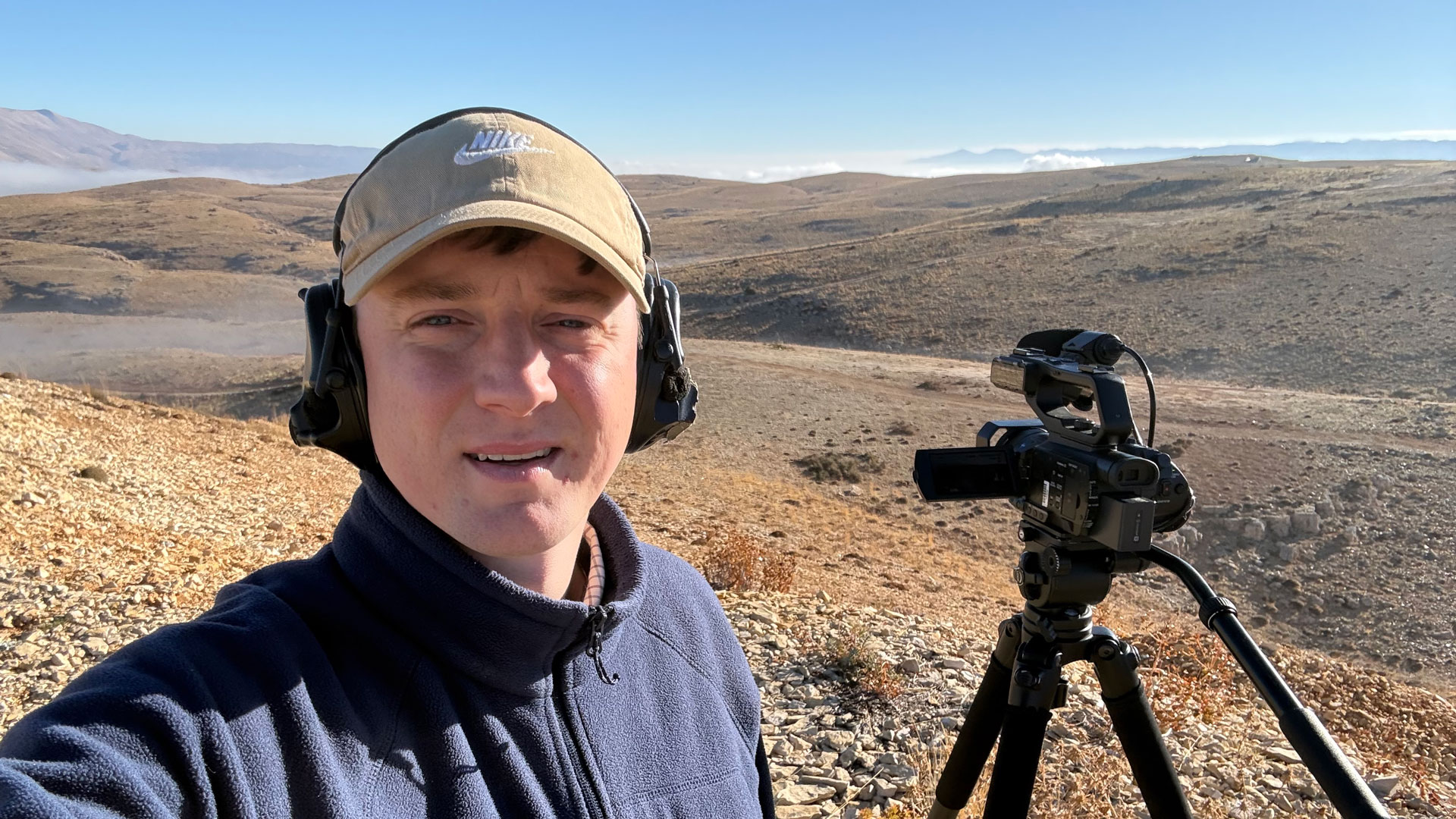
After demolishing a burger myself, I convince Highlander Theo Isachsen to show me where the jocks have been sleeping.
"We've got 14 men in here," he says. "It's quite tight, but we make do."
Narrow sleeping bunks that look like tents line the dark room, each covered with a mosquito net protecting the soldiers from Lebanon's vibrant insect population.
It's a rare lull in the exercise and most of 6 Platoon are taking a break in their bunk, their faces lit by phone light.
Someone has taped "6PL" onto the wall, and towels are drying on top of each bed.
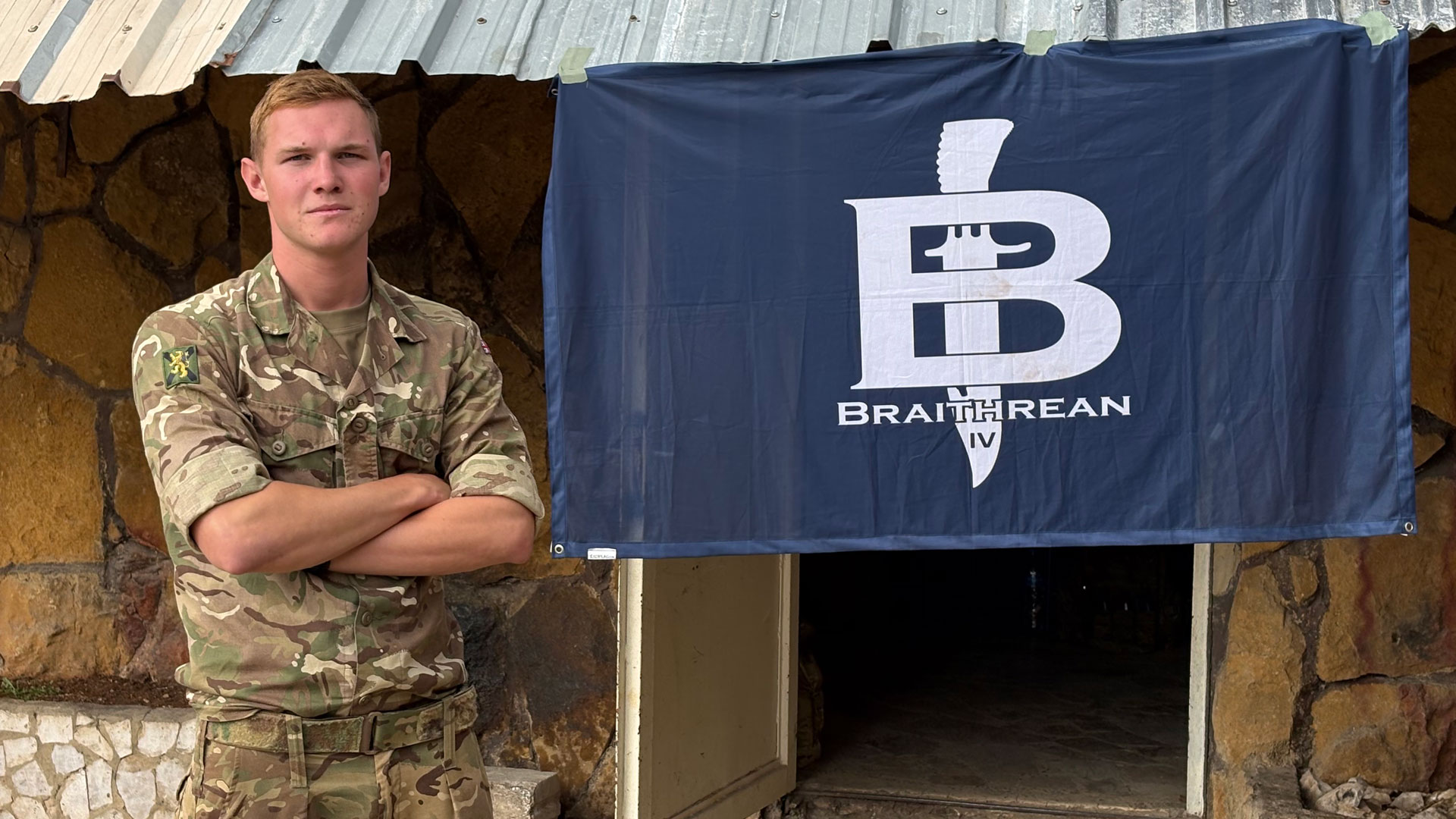
"The morale is high, there's a lot of laughs and banter," says the young jock.
"It makes it a lot more enjoyable."
When it kicks off, be ready
The Highlanders are posted to Cyprus for short notice deployments in a crisis.
If something kicks off in the region 4 Scots will go handle it as an acclimatised, high readiness force.
One minute they could be on a beach in Dhekelia and a few hours later flying into the Middle East to evacuate a British embassy.
Pegasus Cedar is three weeks of a company-sized group practising that kind of a job with a partner force, the LAF.
Any time they're heading to the range, the jocks form up outside the armoury to sign out rifles.
"Every morning I hand over the weapons," says Corporal Oren Simeon, the company armourer.
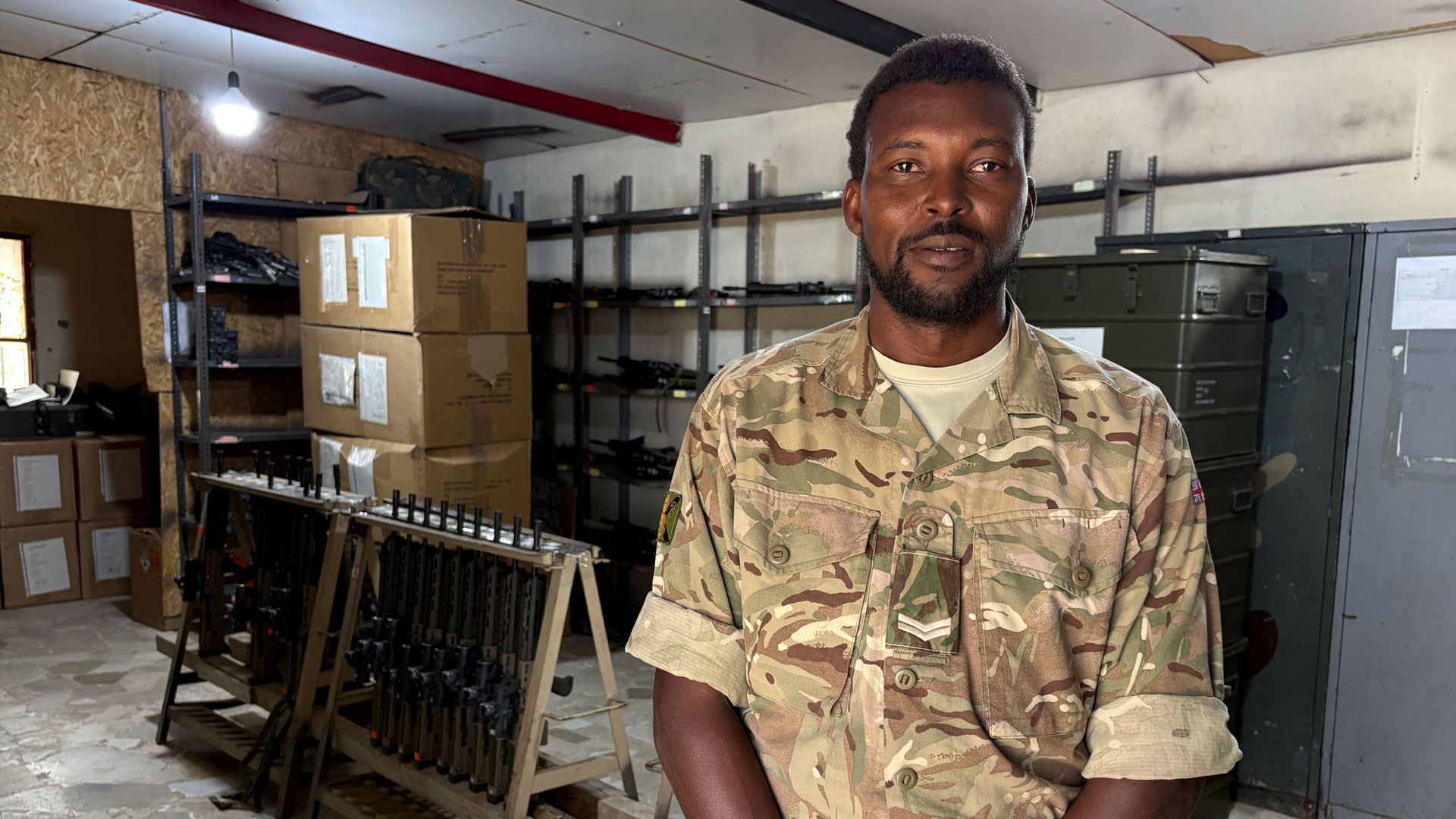
"I've got SA80 individual weapons and GPMGs, live and blank. I've also got sniper rifles which are out at the moment," he adds.
Cpl Simeon has more experience than most in the battalion, having been to Afghanistan.
"I've done many exercises before so this one is nothing different," he says.
In the courtyard outside, The Royal Regiment of Scotland flag is flying against a dull, grey sky.
The clouds hang around the LAF base which is built into the hillside above Beirut.
This part of Lebanon is fairly safe in the eyes of the UK, under the control of a trusted partner in the Lebanese Armed Forces.
But if you head 100km south you'll be in Hezbollah territory and at risk of Israeli airstrikes.
The Middle East is unpredictable, the regional war dormant, but not disappeared.
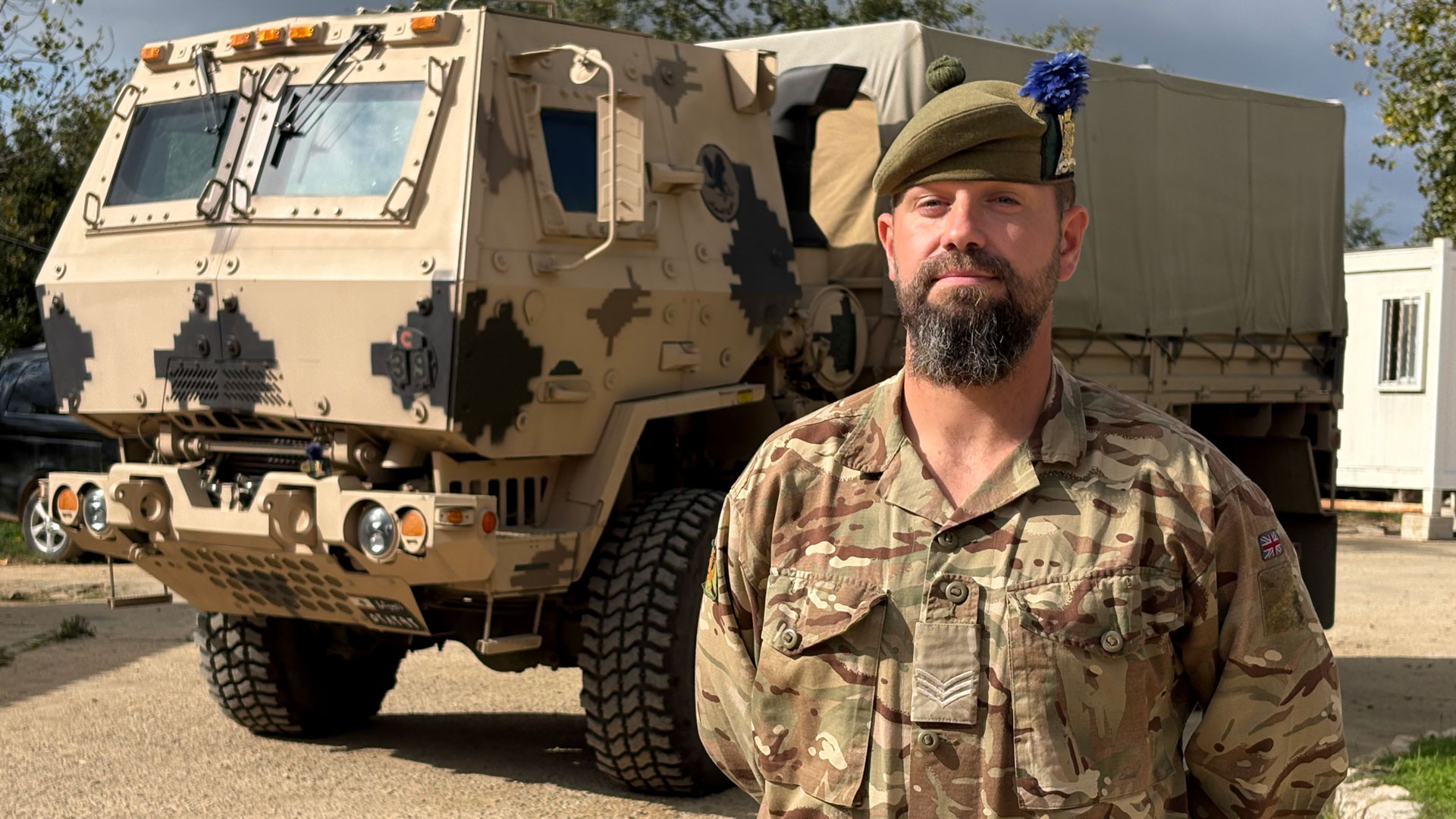
The Highlanders are about to head out on a live-firing exercise, but before they can every single piece of kit needs to be checked.
Missing equipment could disrupt training, while if they're carrying too much the soldiers slow down.
"I've only just moved to B Company," says Sergeant John Mcintyre.
"It's been good for me, rather than meeting them in camp and it being hard to get to know them all, I've been out here living with them."
One by one each soldier lifts their hearing protection, magazines and water bottles for Sgt Mcintyre to check.
The SNCO took over as 5's Platoon Sergeant a few weeks before the exercise.
"It's been really smooth, the best kind of environment for me to take over," he said.
It's easy to understand why the platoon is doing a kit check – be prepared for what you might need to do.
The British Army is training in Lebanon for a simple reason too.
If something goes bad in the Middle East and Britons or their friends need help, the Army's ready to react.
Related topics
Join Our Newsletter