Royal Regiment of Scotland keeping traditions alive 20 years since infantry reforms
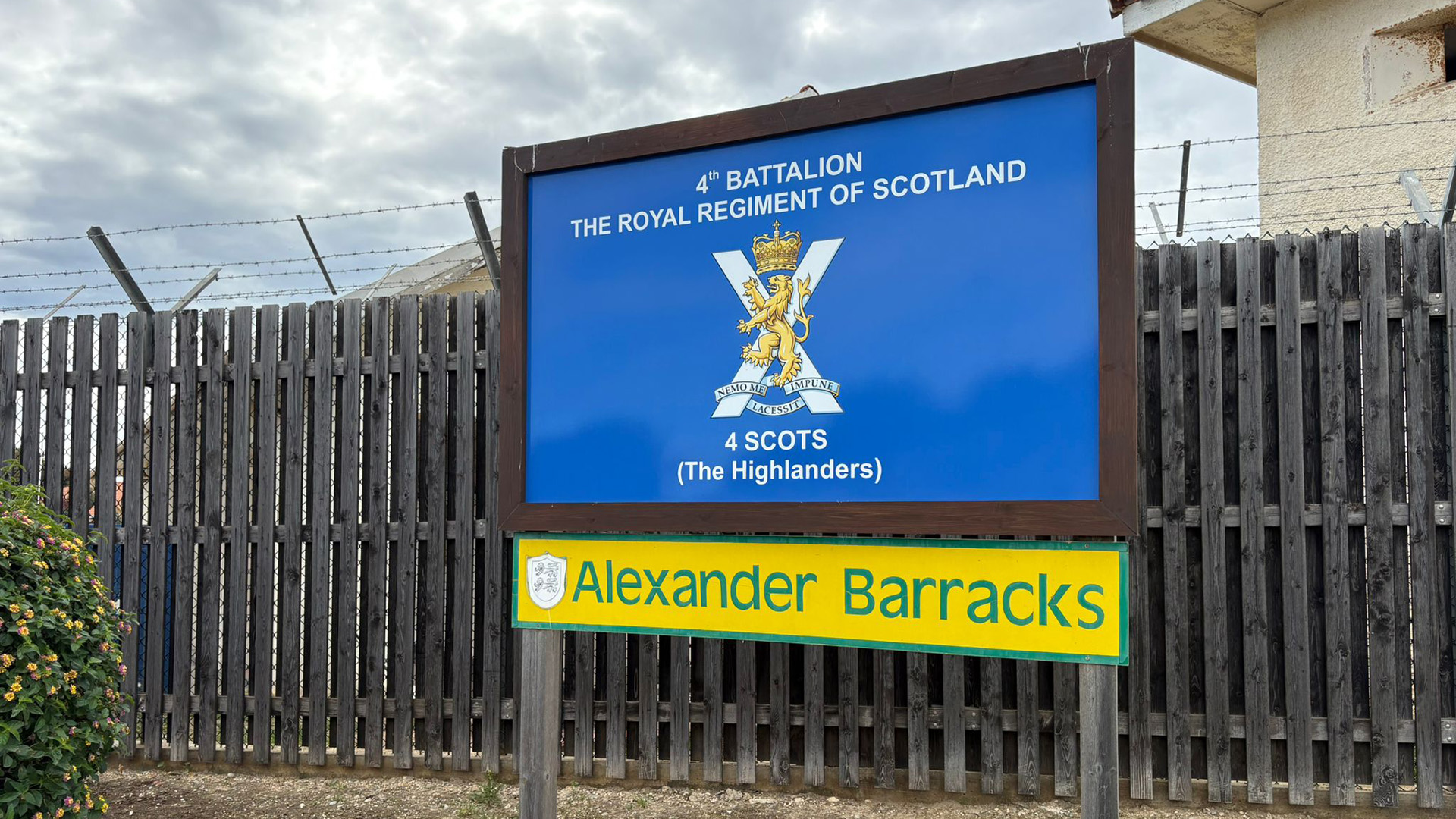
Soldiers from 4th Battalion The Royal Regiment of Scotland have been celebrating the formation of the regiment 20 years ago - 2,000 miles away from the Highlands.
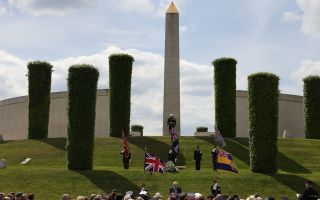
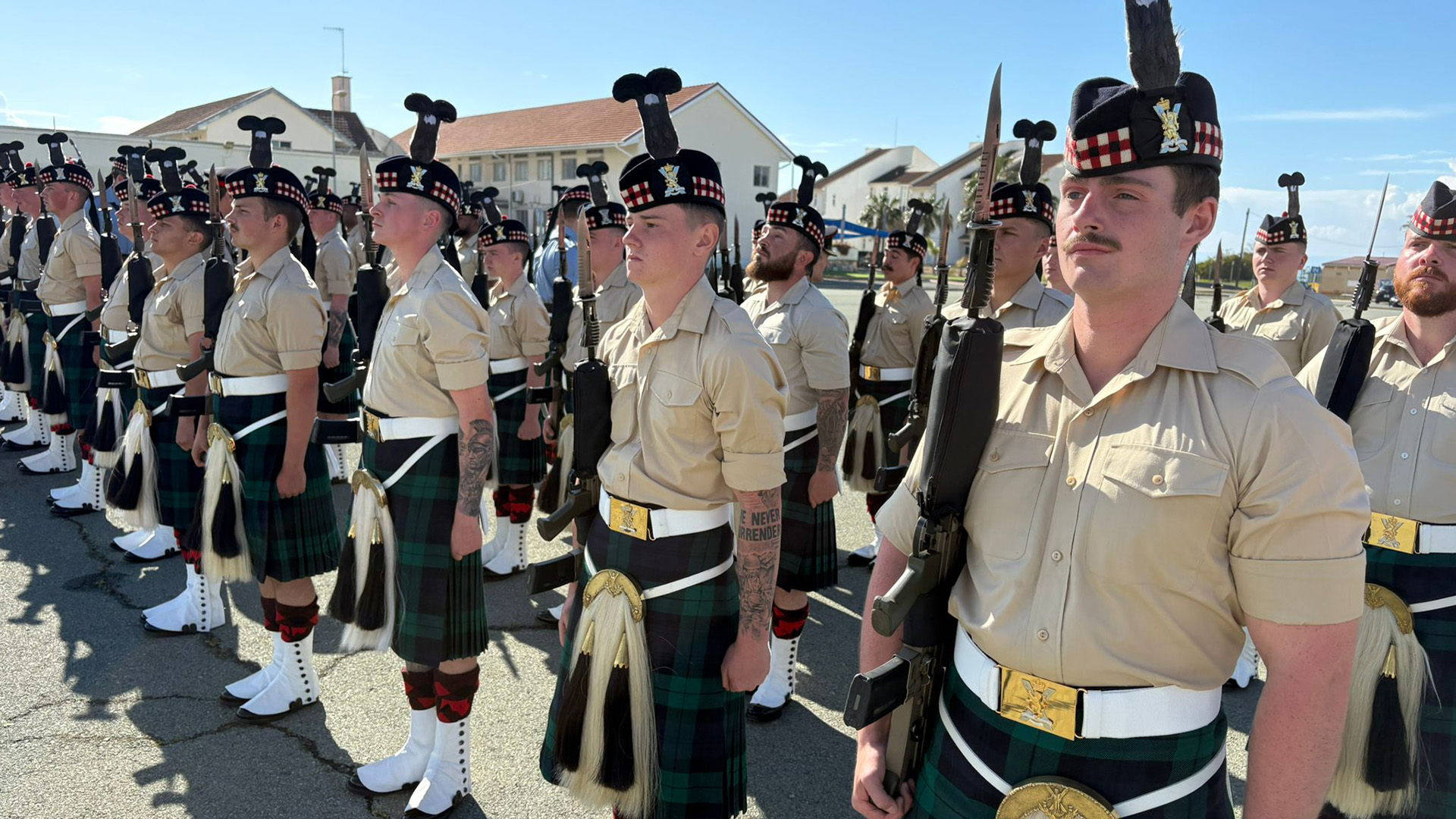
Pipes and drums marched the soldiers from the battalion - known as The Highlanders - and their regimental colours onto the parade square at Alexander Barracks in Cyprus in front of their families.
"It's a great honour to be a part of this," Lance Corporal Seoras MacDonald said.
LCpl MacDonald said he was proud to serve in the battalion.
"I joined The Highlanders, and I'm a Highlander myself to try and carry on the legacy," the 21-year-old said.
The parade marks 20 years since the British Army reformed the structure of its infantry regiments.
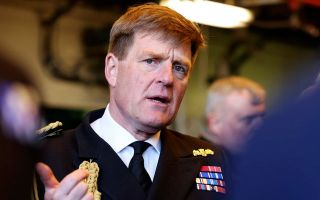
Major General Adrian Reilly said: "We didn't know what the future looked like - but it is definitely better."
The last Gordon Highlander in the Army
Small regional units with thousands of years of collective history were amalgamated in 2006 to create super regiments with multiple battalions.
The Royal Regiment of Scotland was formed from The Royal Scots, The Royal Highland Fusiliers, The King's Own Scottish Borderers, The Black Watch, The Highlanders and The Argyll & Sutherland Highlanders.
Regimental lineage can be traced back nearly 400 years, with generations serving throughout antecedent units.
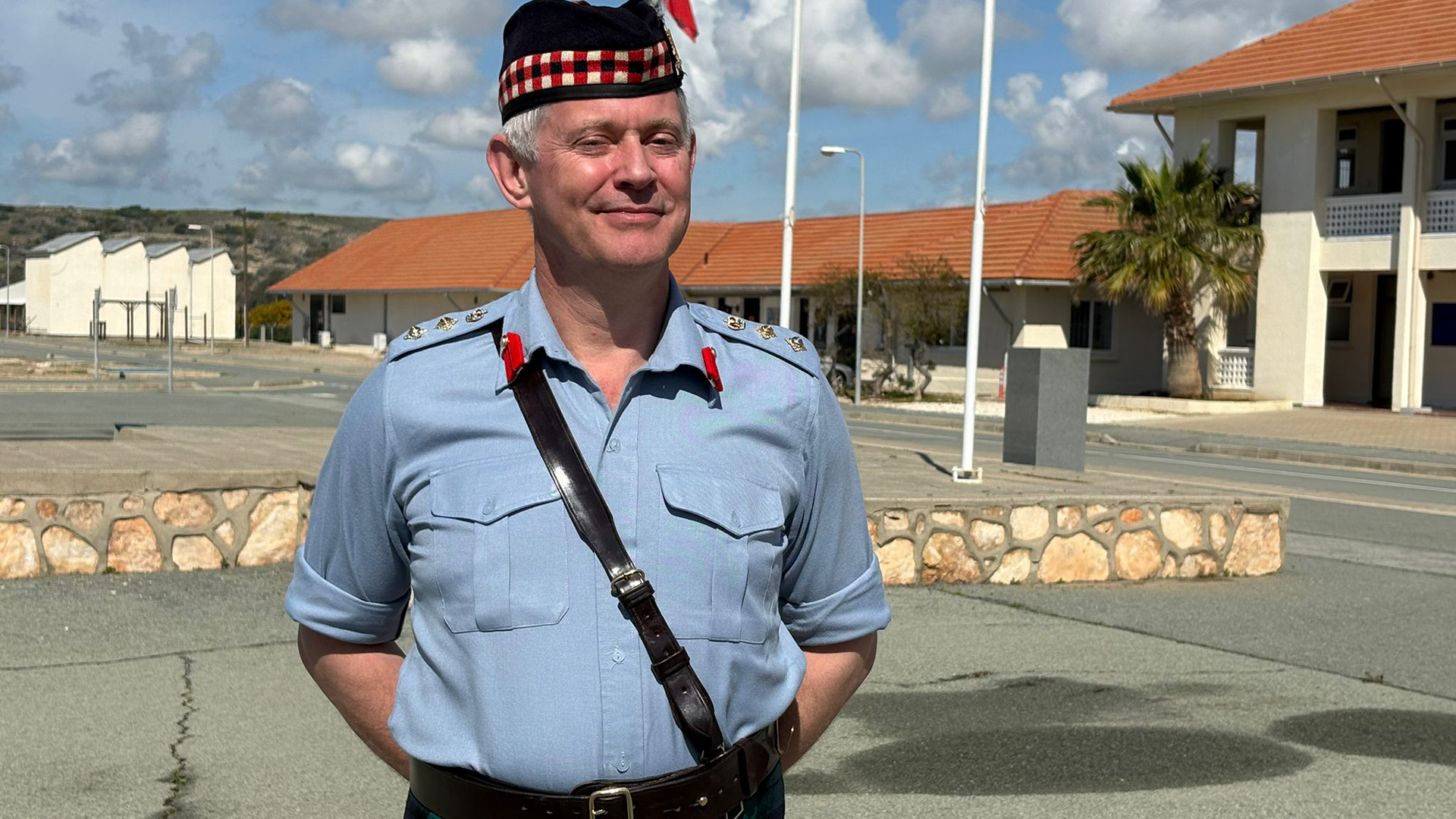
"I joined in 1991 in Berlin and come from a family of Gordon Highlanders," said Maj Gen Reilly.
The Gordon Highlanders amalgamated with the Seaforth and Camerons in 1994 to form The Highlanders, from which 4 Scots takes its name.
"I am the last serving Gordon Highlander in the Army. That's quite a big weight to bear," he added.
Now a colonel of the regiment, Maj Gen Reilly served with The Scots since formation day in Fallingbostel, Germany.
The Royal Regiment of Scotland is the British Army's senior line infantry regiment.
Regimental pride and forging a new identity
The Royal Regiment of Scotland, The Duke of Lancaster's Regiment, The Royal Yorkshire Regiment, The Mercian Regiment and The Royal Welsh were all born from the 2006 amalgamation.
The Royal Irish Regiment also lost its Home Service battalions, which were stationed in Northern Ireland.
The next year, The Rifles formed the biggest infantry regiment.
The reforms were considered controversial, with personnel and veterans fearing the end of local recruitment and a loss of regimental pride.
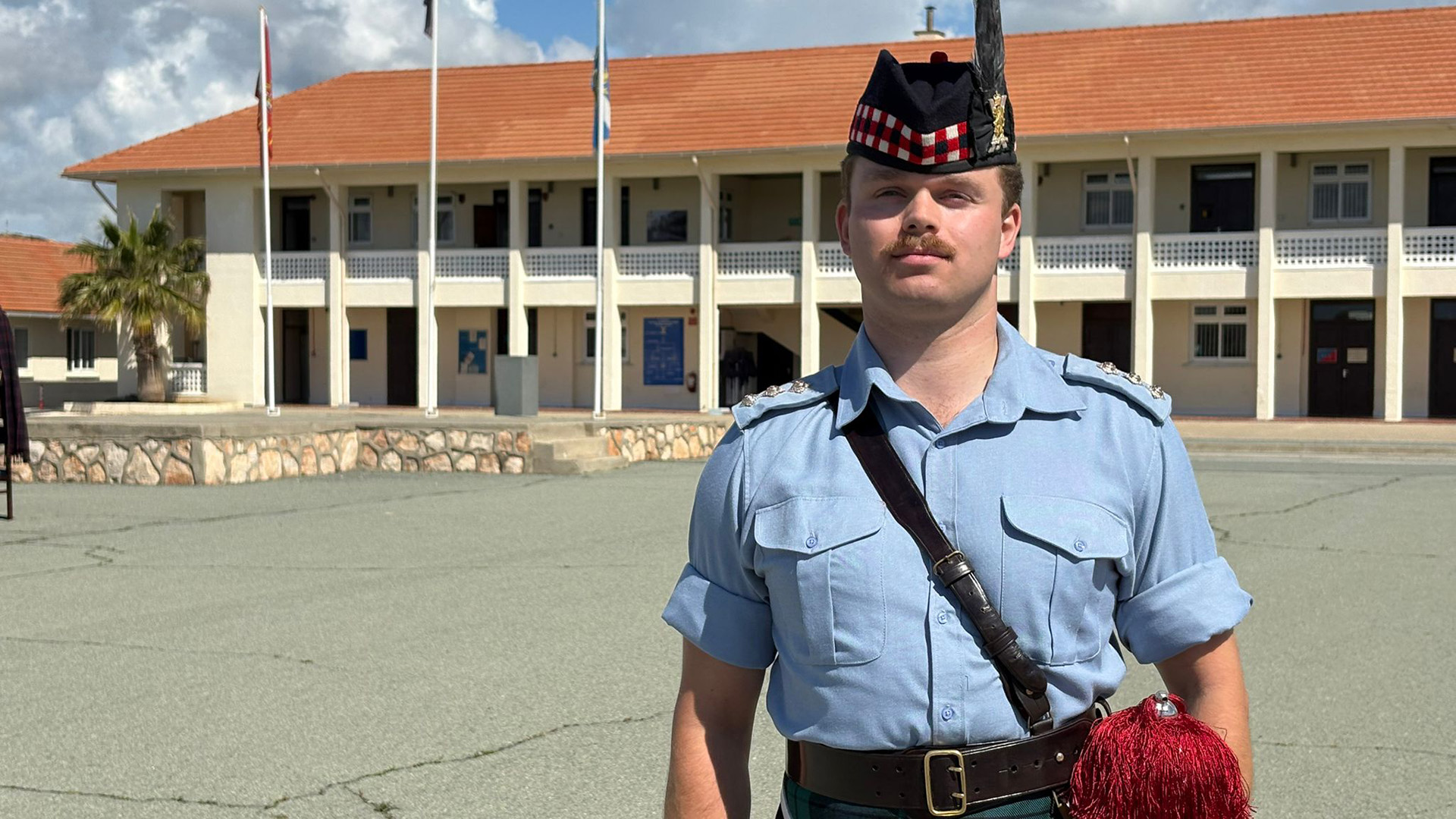
However, the soldiers who serve today say they're proud of their history while keenly forging their own identity with distinguished service in Iraq and Afghanistan.
"The cock feather we wear is from the King's Own Scottish Borderers, and our kilts come from the Argylls," said Captain Josh Calder.
Capt Calder comes from a long line of infanteers in Scottish regiments.
"Dad was a Gordon Highlander. I have an uncle who was Argylls," the 28-year-old said.
"I also have two brothers. One is in 3 Scots, one is in 2 Scots.
"We've spread ourselves well across the battalion and regiment. It's symptomatic of what we stand for, a close family and community.
"In the future, there may be other Calders joining the regiment in whatever form it may be."
Join Our Newsletter