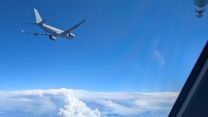
Saving a life: How the RAF and Army carried out medical para drop on remote settlement

When a British national was suspected of having contracted a potentially fatal virus on a remote island group in the South Atlantic, the RAF and 16 Air Assault Brigade sprang into action to help.
Despite the huge distance involved, time was of the essence and because of the topography of the area help could only come in one way – by parachute.
Here's how the mission unfolded.
Situation
An outbreak of Hantavirus was linked to the Dutch cruise ship MV Hondius
Sadly, at least three deaths have been reported in connection with the outbreak, although the UK Government says the risk to the public is very low.
The ship arrived in waters off Cape Verde on 3 May, with a number of British nationals on board.
One suspected case of Hantavirus of a British national was confirmed on Tristan da Cunha and medical assistance was urgently required.
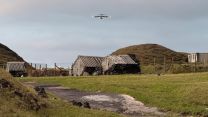
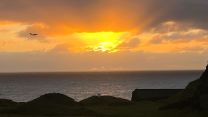
Tristan da Cunha, a group of volcanic islands, is Britain's most remote overseas territory.
It's located deep in the South Atlantic, has no airstrip and is normally only accessible by boat.
Mission
Hantaviruses are a group of viruses carried by rodents such as mice and rats, transmitted by their droppings and urine.
They can cause a range of diseases from mild, flu-like illness to severe respiratory illness.
Symptoms of hantavirus infection can include fever, extreme fatigue, muscle aches, stomach pain, nausea, vomiting, diarrhoea or shortness of breath.
In some cases, people develop severe breathing difficulties.
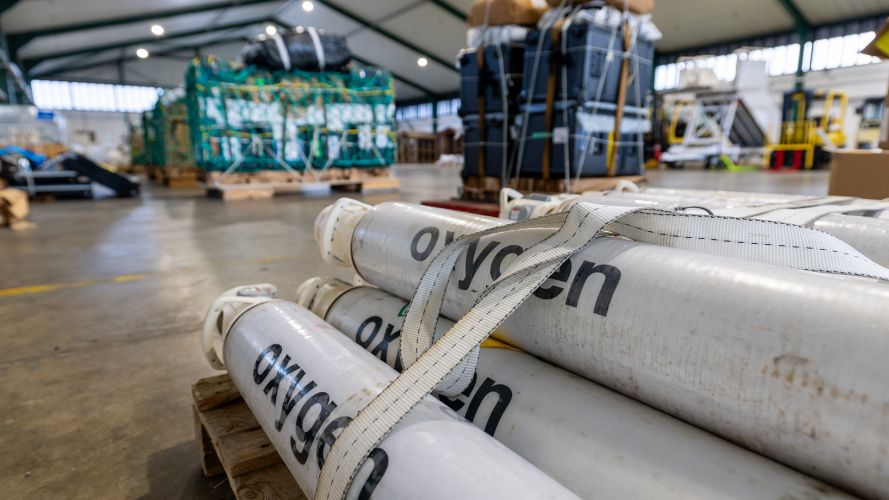
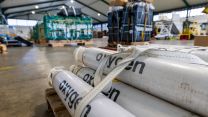
With oxygen supplies on the island at a critical level, an airdrop with medical personnel was the only method of getting vital care to the patient in time.
The operation would also ensure the resilience of wider healthcare to support the 221 people on the island by supporting Tristan da Cunha's two-person medical team.
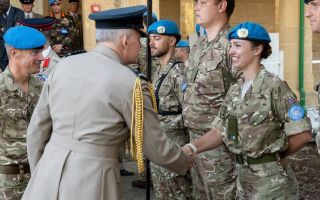
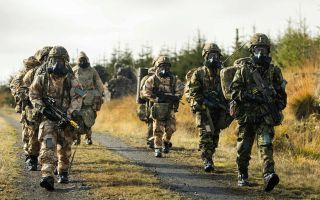
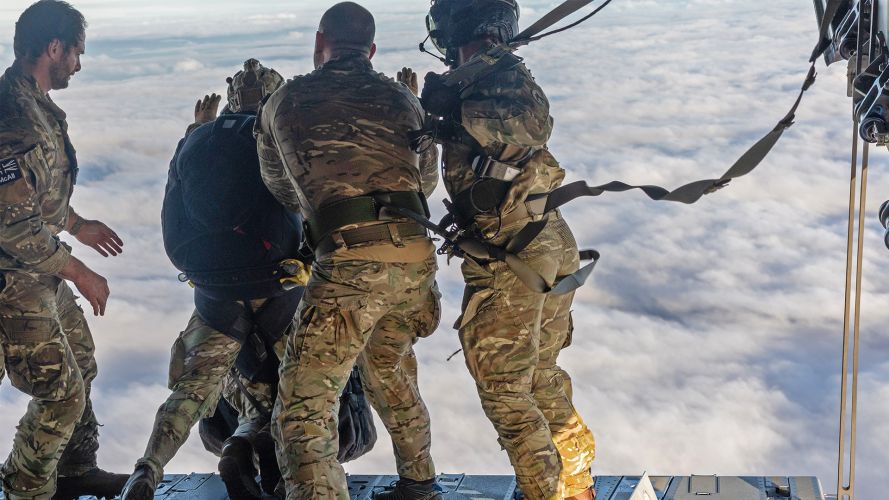
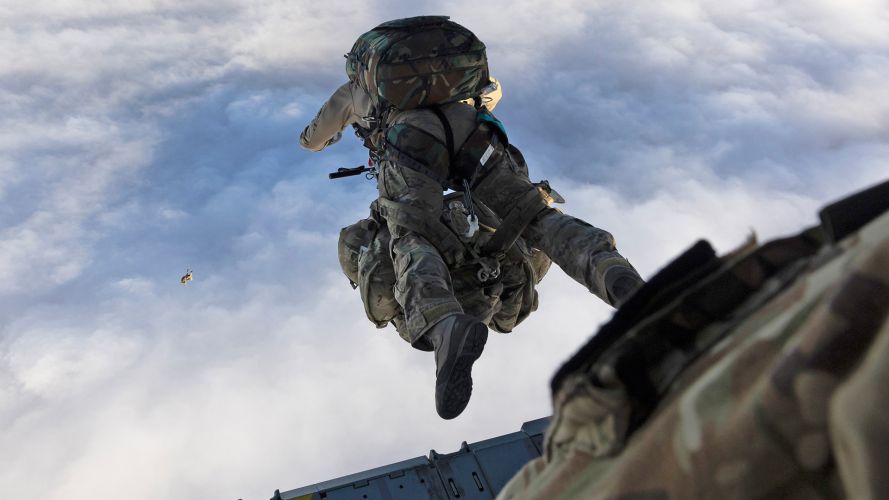
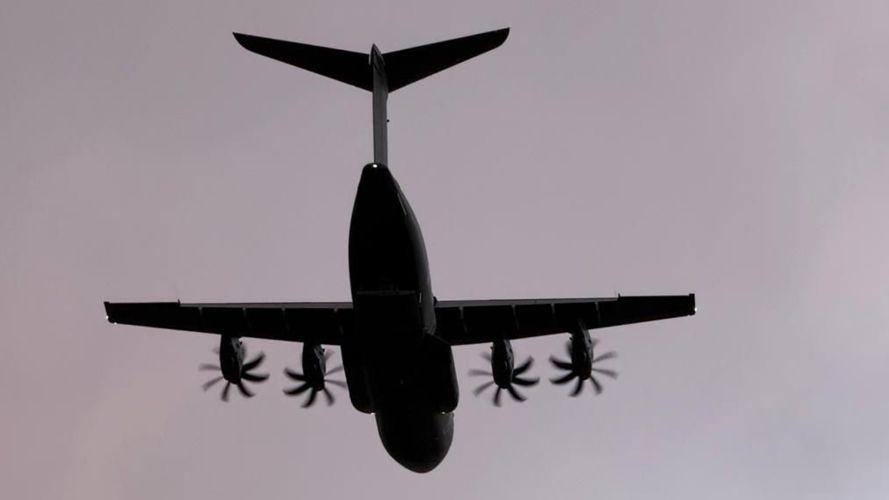
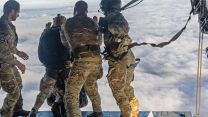
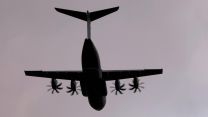
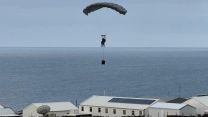
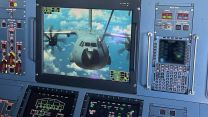
Therefore a team of six paratroopers and two military clinicians, all from 16 Air Assault Brigade, were dropped by parachute from an RAF A400M.
Execution
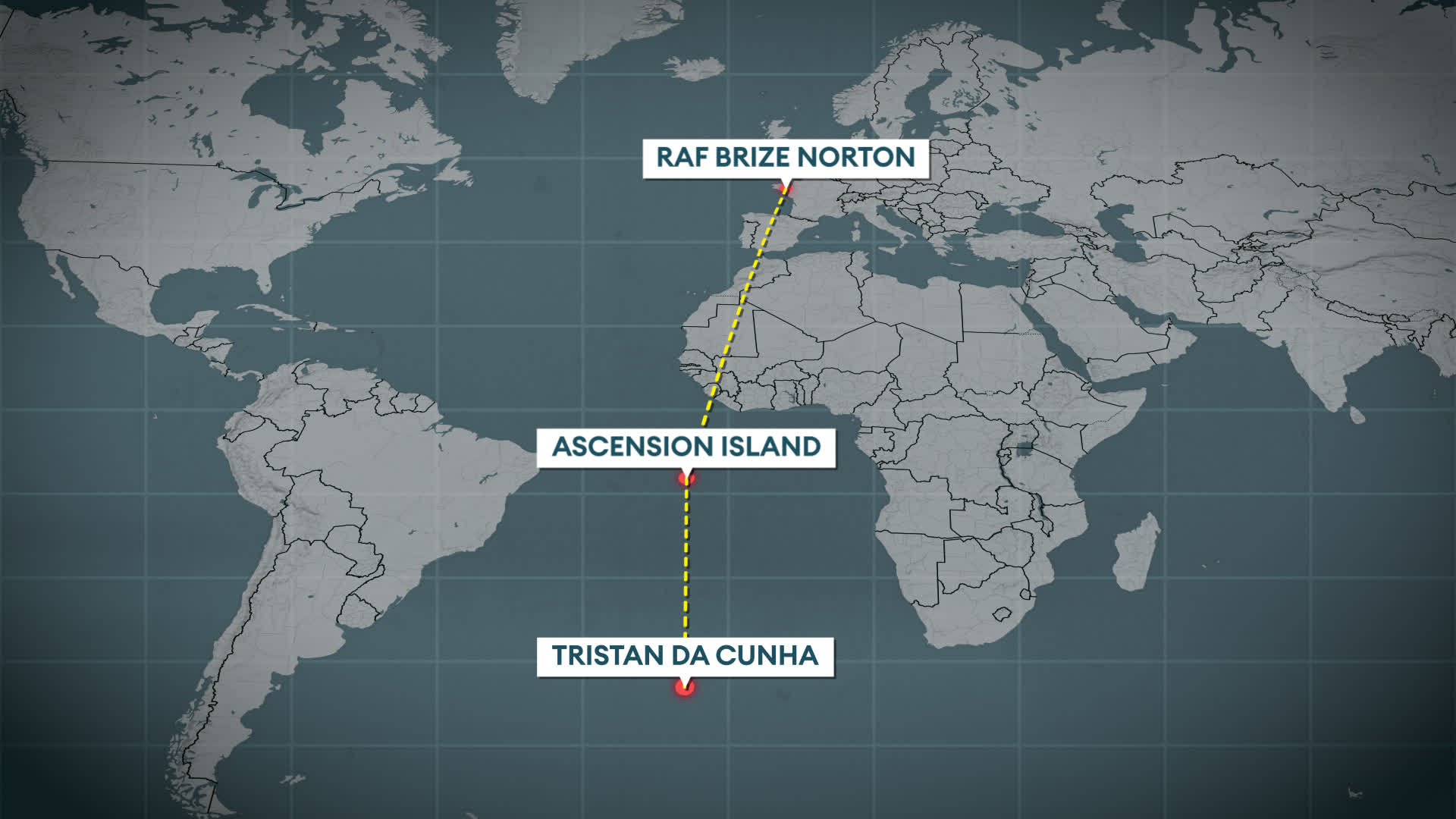
The military team flew 6,788 km from RAF Brize Norton to Ascension Island.
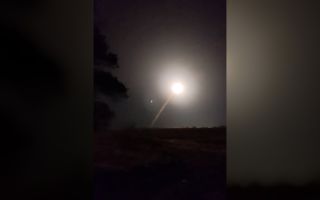
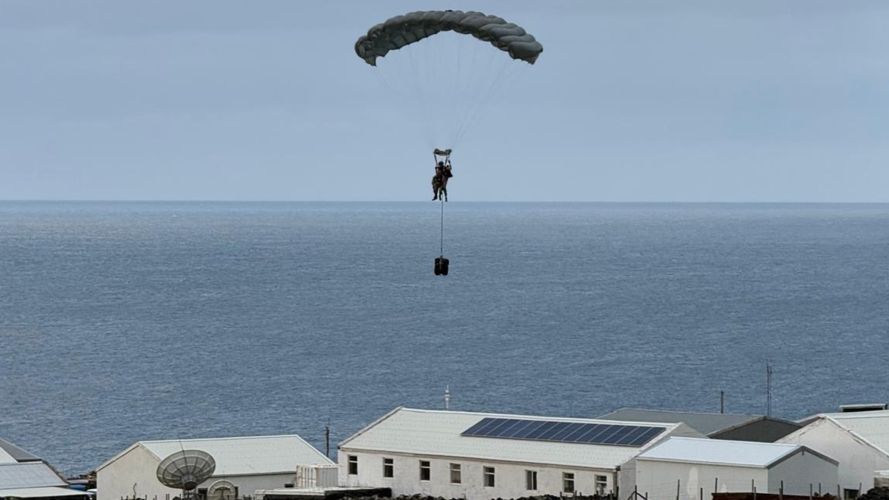
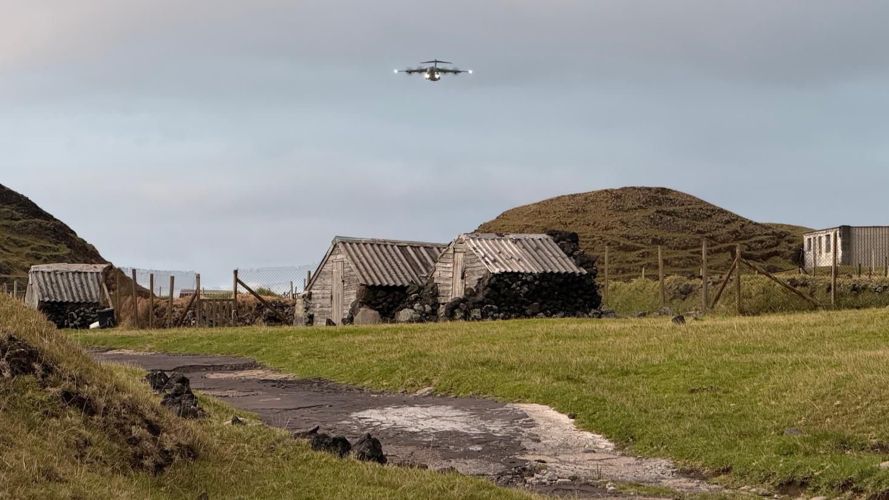
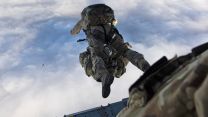
The aircraft then proceed to fly more than 3,000 km to Tristan da Cunha, where the personnel parachuted onto the island.
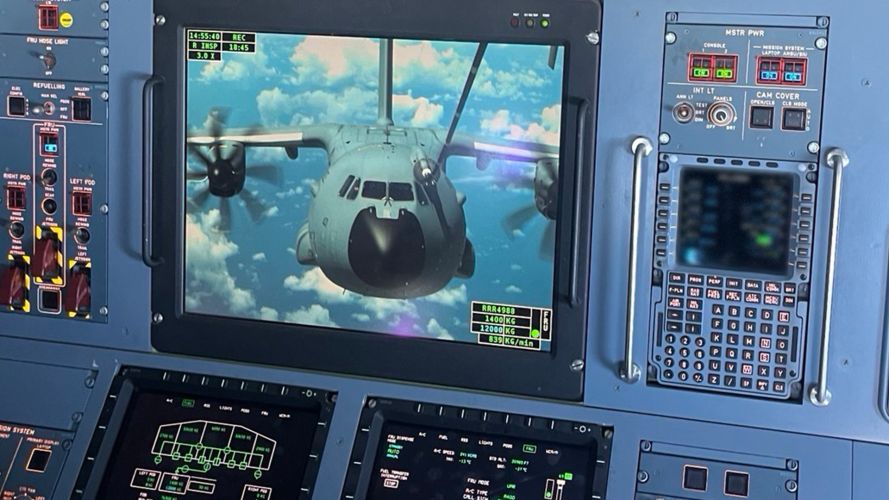
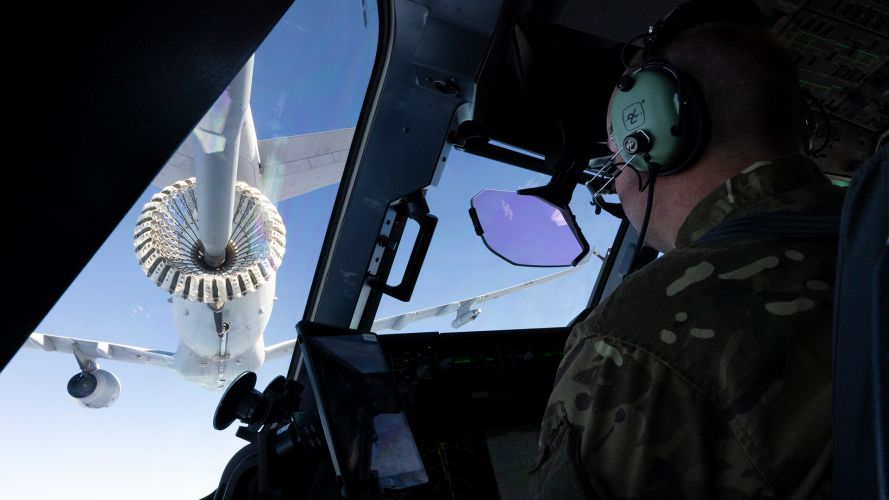
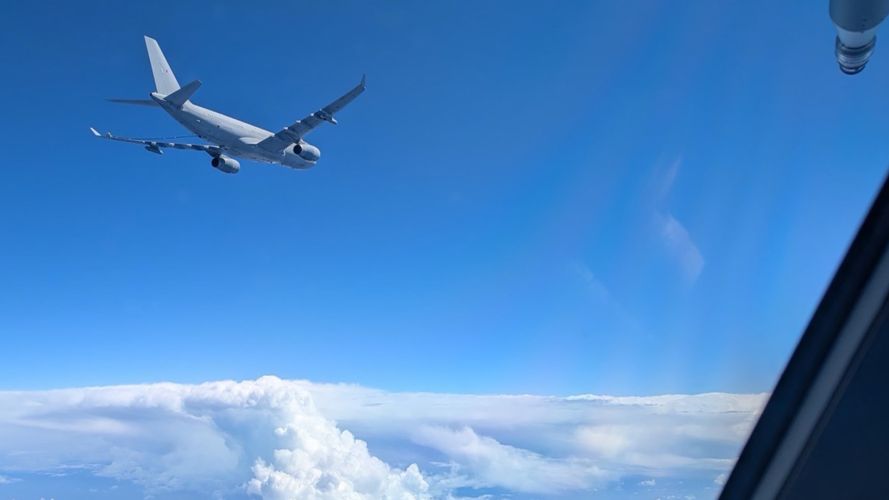
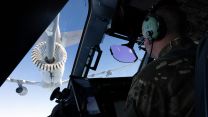
They were supported by an RAF Voyager aircraft to refuel the A400M mid-air.
Weather conditions at Tristan da Cunha can be challenging, with average wind speeds often exceeding 25mph, presenting difficult conditions for the paratroopers.
The six paras made the jump with the two medical personnel in tandem.
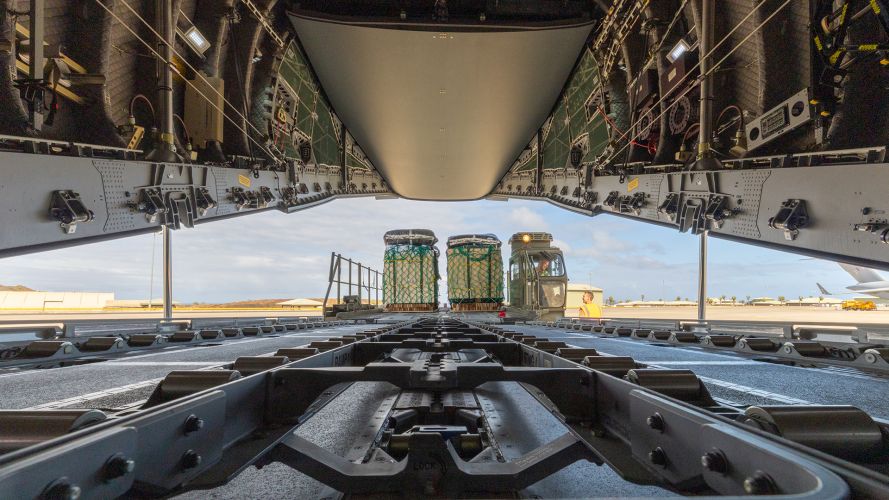
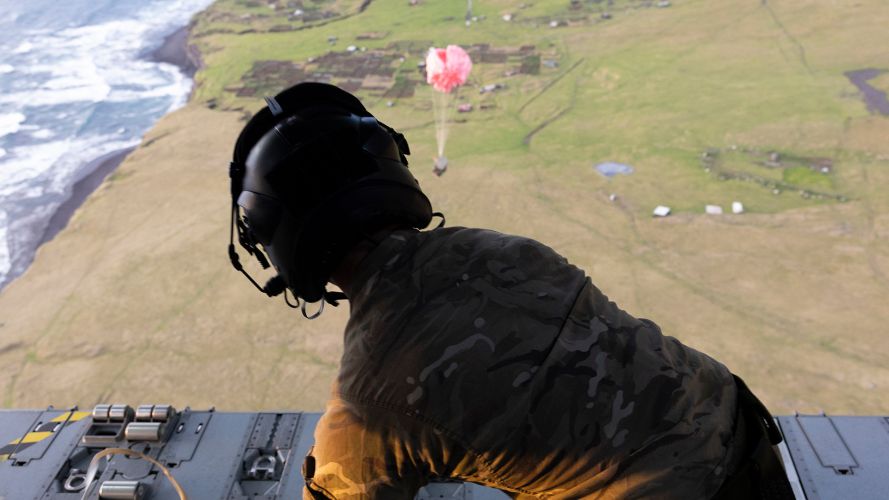
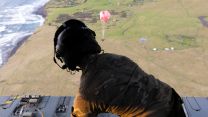
Meanwhile, the oxygen supplies and other medical equipment were dropped from the ramp of the A400.
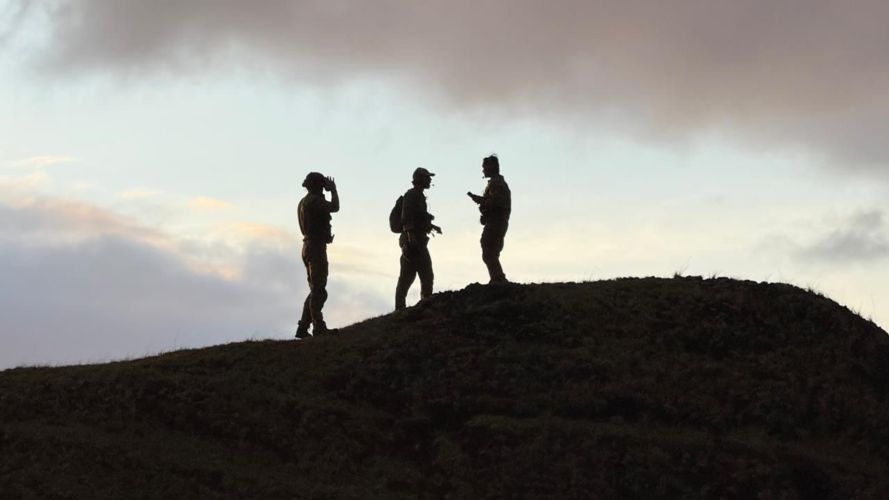
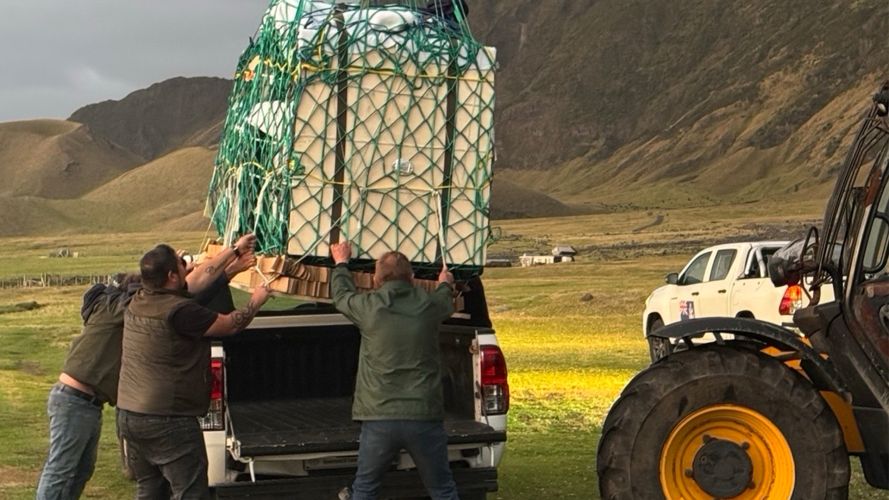
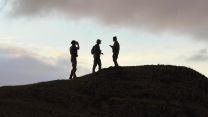
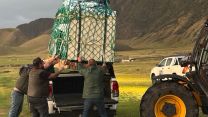
On the ground, the military personnel liaised with local officials, and the islanders recovered the heavy supplies using a low-loader and a truck.
Service support
The Atlas A400M was the ideal choice for the mission as the aircraft has the ability to carry a 30-tonne payload 4,445 kilometres to both established and remote civilian and military airfields, or by landing on short, unprepared or semi-prepared strips.
The aircraft is capable of operating at high-level altitudes up to 40,000ft. It can carry 116 passengers, or nine aircraft pallets and 54 passengers, or 66 stretchers, with a maximum payload of 37 tonnes.
However, in this case there was nowhere to land, hence the need for the para drop.
The vital link in the chain was the Voyager tanker, which was able to keep the Atlas refuelled and in the air so it could carry out its mission.
Debrief
This operation marked the first time the Armed Forces had inserted medical personnel to provide humanitarian support via a parachute jump.
It demonstrated how the military can deploy at very short notice across the world on a range of tasks.
The UK is continuing to work with international authorities to respond to the outbreak of Hantavirus from the MV Hondius cruise ship.
British nationals are being repatriated from the MV Hondius to the UK via a special chartered flight.
None of the British citizens who are being repatriated have reported symptoms, but are being closely monitored.
All British passengers and crew on board the MV Hondius are being isolated for 45 days upon returning to the UK and UKHSA is closely monitoring these individuals, with testing as required.
All images courtesy of the Ministry of Defence
Join Our Newsletter