Highlanders train for short-notice crisis mission in Middle East with Lebanese allies
British soldiers have been practising an emergency deployment to the Middle East while building closer ties with the Lebanese Armed Forces.
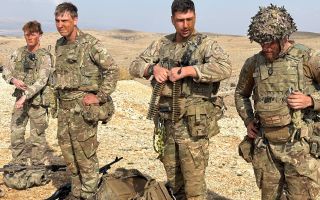
Infanteers from 4th Battalion, The Royal Regiment of Scotland deployed to Lebanon on Exercise Pegasus Cedar for three weeks, honing their live fire and helicopter drills.
In the training scenario, 4 Scots platoons embedded with companies from Lebanon's Air Assault Regiment to fight a criminal gang funding terrorism.
Building trust in the Middle East
BFBS Forces News was given exclusive access to this British Army exercise.
4 Scots is a high readiness battlegroup stationed as the UK's Regional Operations Battalion in the Mediterranean.
Ex Pegasus Cedar resembles the type of operation The Highlanders could be sent on while posted to Cyprus.
"Any overseas training exercise is great for our soldiers," said Major Aidan Welch, Officer Commanding Support Company, who is leading the exercise.
"It mimics our deployments in the closest way possible without actually going on operations."
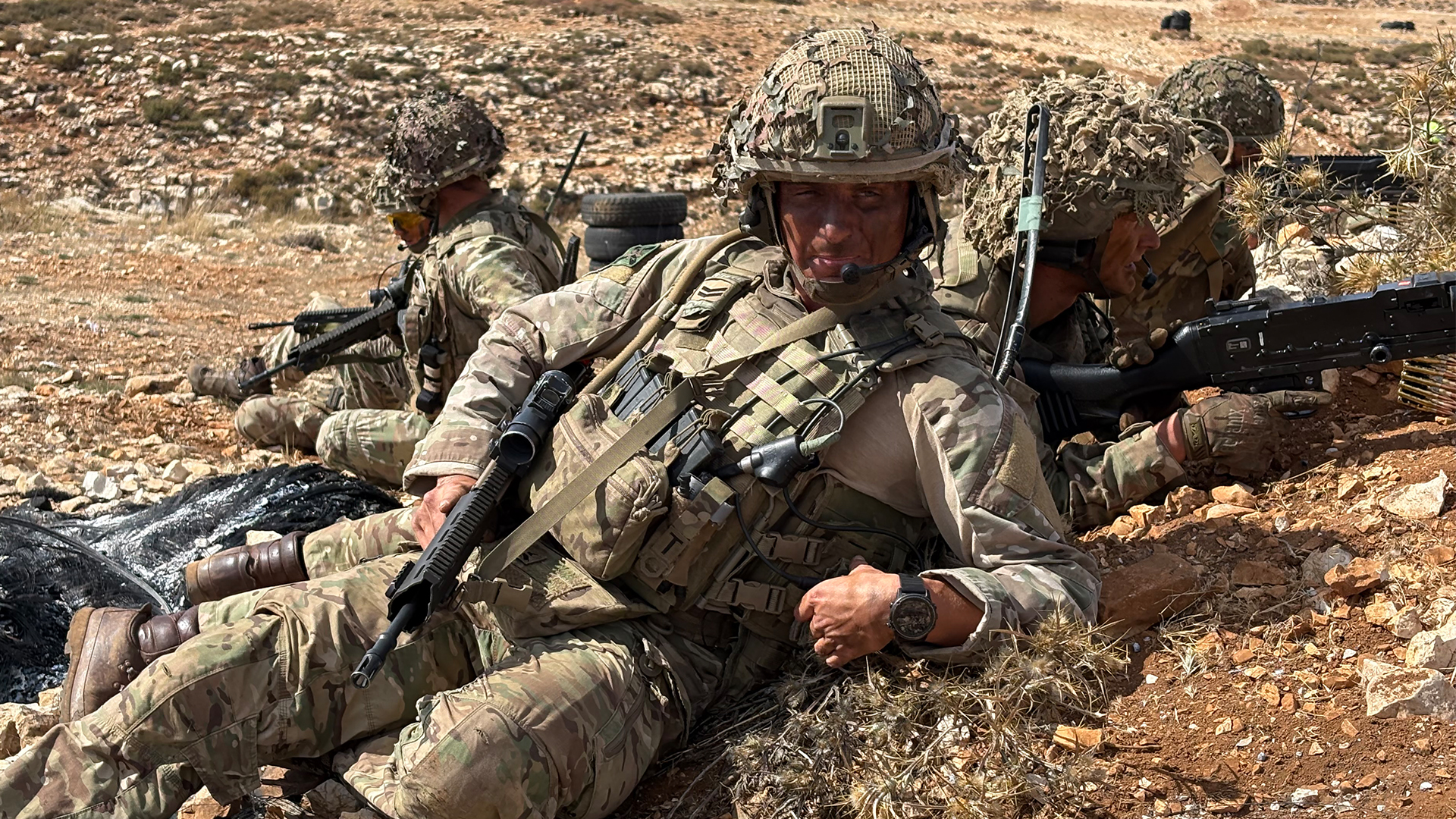
A whole 4 Scots company is kept at high readiness for short-notice crisis response in the Middle East, North Africa and Europe.
Operations could include evacuations, force protection, humanitarian missions or counterterrorism.
"It's important as the Regional Operations Battalion in that this is an area that we could expect to be deployed into," added Maj Welch.
"Building those partner relationships with the Lebanese Armed Forces at this stage is important because it builds trust between our two nations."
4 Scots is based at Alexander Barracks in Dhekelia until Summer 2027 when it rotates back home from a two-year posting with British Forces Cyprus.
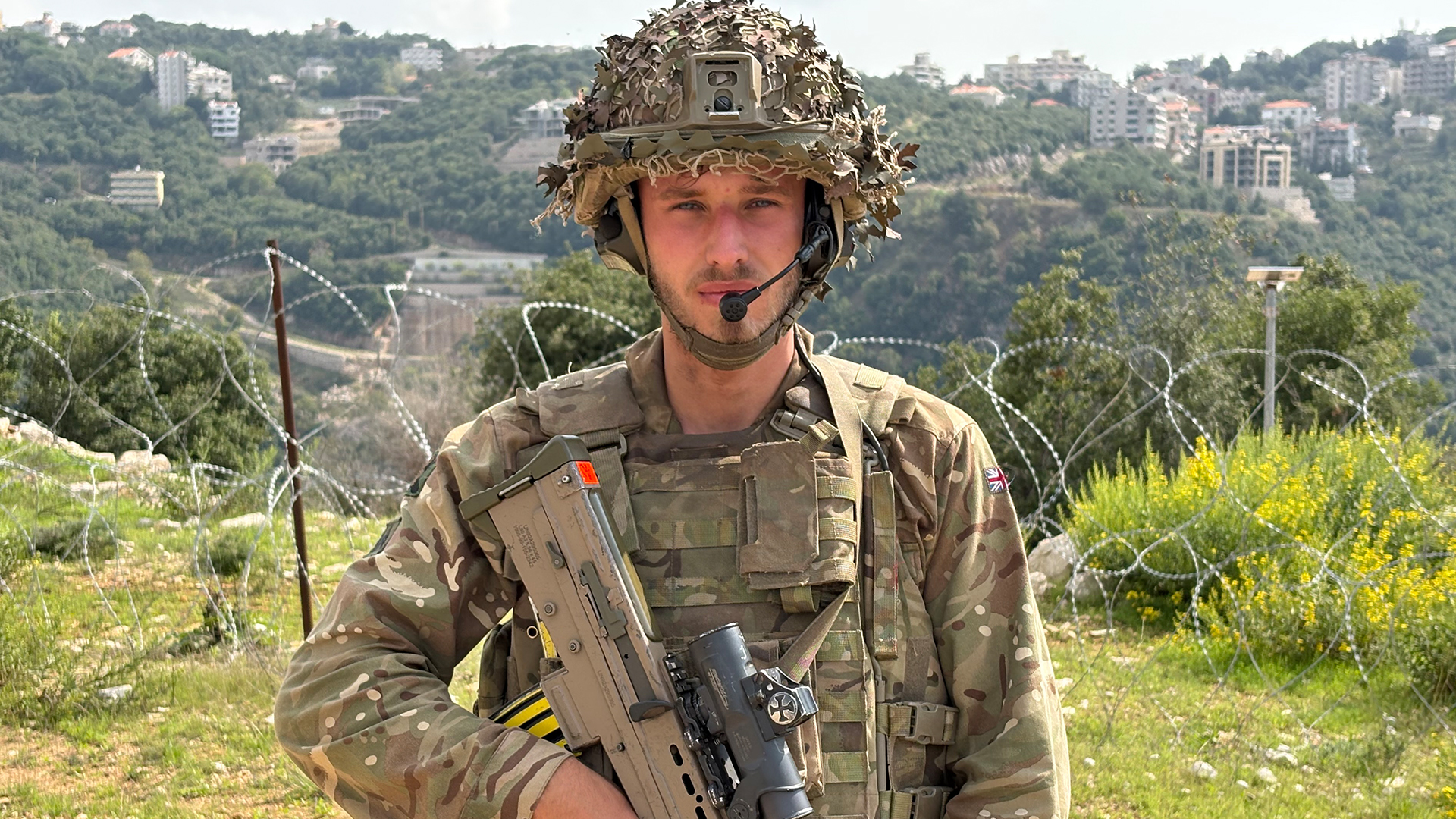
Soldiers join the Army to soldier
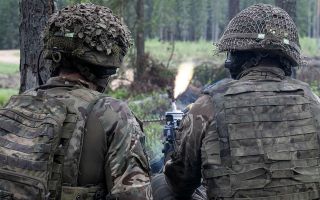
Around 90 soldiers from B Company and Support Company joined special forces from the Air Assault Regiment to conduct live firing in Lebanon's wide-open landscapes.
Using helicopters and armoured vehicles, the joint units deployed to the Hamana training area after mortars finished softening the enemy.
"The lead section was my own platoon moving up, taking the first position alongside the Lebanese using the .50 Cal machine guns," said Corporal Brandon Shearer, a section commander in 5 Platoon.
Ex Pegasus Cedar is about sharing skills and practising how the UK and Lebanon would fight a common enemy.
"I feel like they have had a lot more experience and training in the urban environment because of previous operational issues," said Highlander Kieran Sigsworth of 5 Platoon.
"You can see they're quite comfortable sending a lot less troops in. We always go in with around six to eight – and that's probably a minimum."
British Army exercises are becoming rarer after instructions were issued to stop non-essential training for UK units to save money.
However, troops deployed to Cyprus will continue training for their role.
"It's just great to get away," said Cpl Shearer. "Being in Cyprus is good enough, but coming out to overseas exercises such as Lebanon is even better."
And as Maj Welch pointed out: "Soldiers join the Army to soldier, so this is a great opportunity for them to do exactly that."
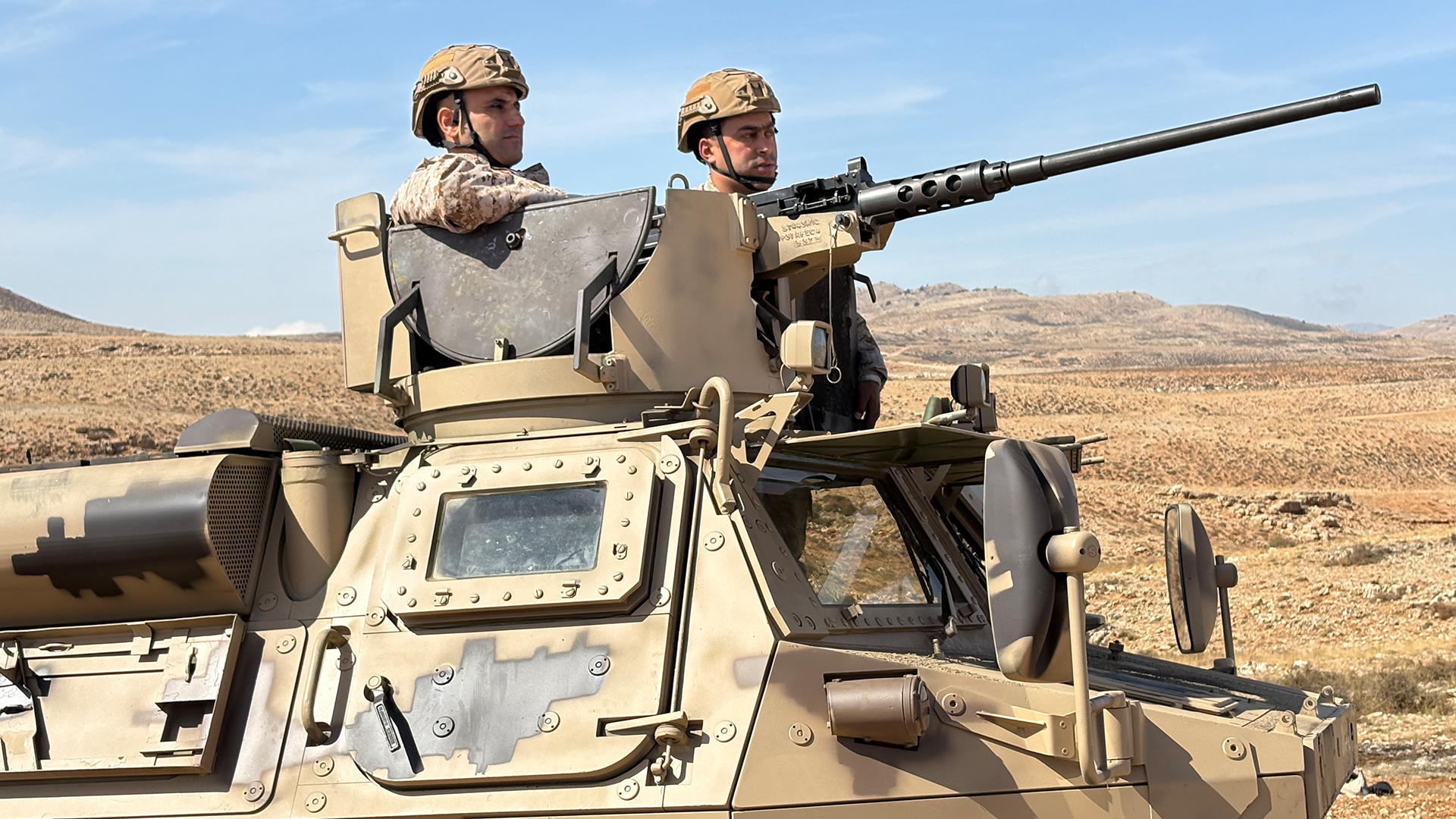
Stronger allies in an unstable region
The UK last trained in Lebanon in 2023 when 2nd Battalion, The Parachute Regiment deployed for Ex Pegasus Cedar.
War has erupted across the Middle East since then, reigniting conflict within Lebanon's borders between Hezbollah and Israel.
The United Nations Interim Force in Lebanon's peacekeeping mandate is due to end on 31 December this year.
"There's an awful lot happening in the region," said Lieutenant Colonel Alex Phillips, Commanding Officer of 4 Scots.
"By coming here and working alongside partners who are in a daily struggle in the region, it just gives them a respite from doing operations daily to then train and enhance their skillset."
As well as the British Army practising regional deployments, Ex Pegasus Cedar is about improving regional stability by strengthening the Lebanese Armed Forces.
The UK has long supported peace in Lebanon through the Lebanese Armed Forces, including with £190m for defence and security since 2009.
"The lessons learned from the training with the British Army [include] meeting the standards, realistic training and readiness in operation," said Major Jack Zgheib from the Air Assault Regiment.
"Why it's important to plan, and before executing [why] you should do the rehearsals so your execution will be perfect."
The UK Government considers the Lebanese Armed Forces to be the sole legitimate state military in the country.
Join Our Newsletter