Drones, interchangeability and a snowman: What I learned aboard HMS Prince of Wales
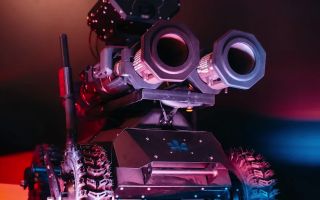
From the bridge of HMS Prince of Wales in Oslo I piloted a Ukrainian Magura drone more than 2,000 miles away.
The Magura family of uncrewed vessels has proved effective against Russian naval targets.
Taking the controls brought me close to one of the questions that ran through the discussions in Norway: what can other navies learn from Ukraine's experience of adapting under fire?
Interchangeability the new vision
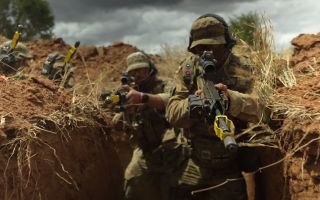
Ukraine is a country that was described by the Finnish defence secretary as a "North Star" for us all.
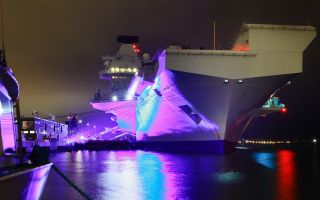
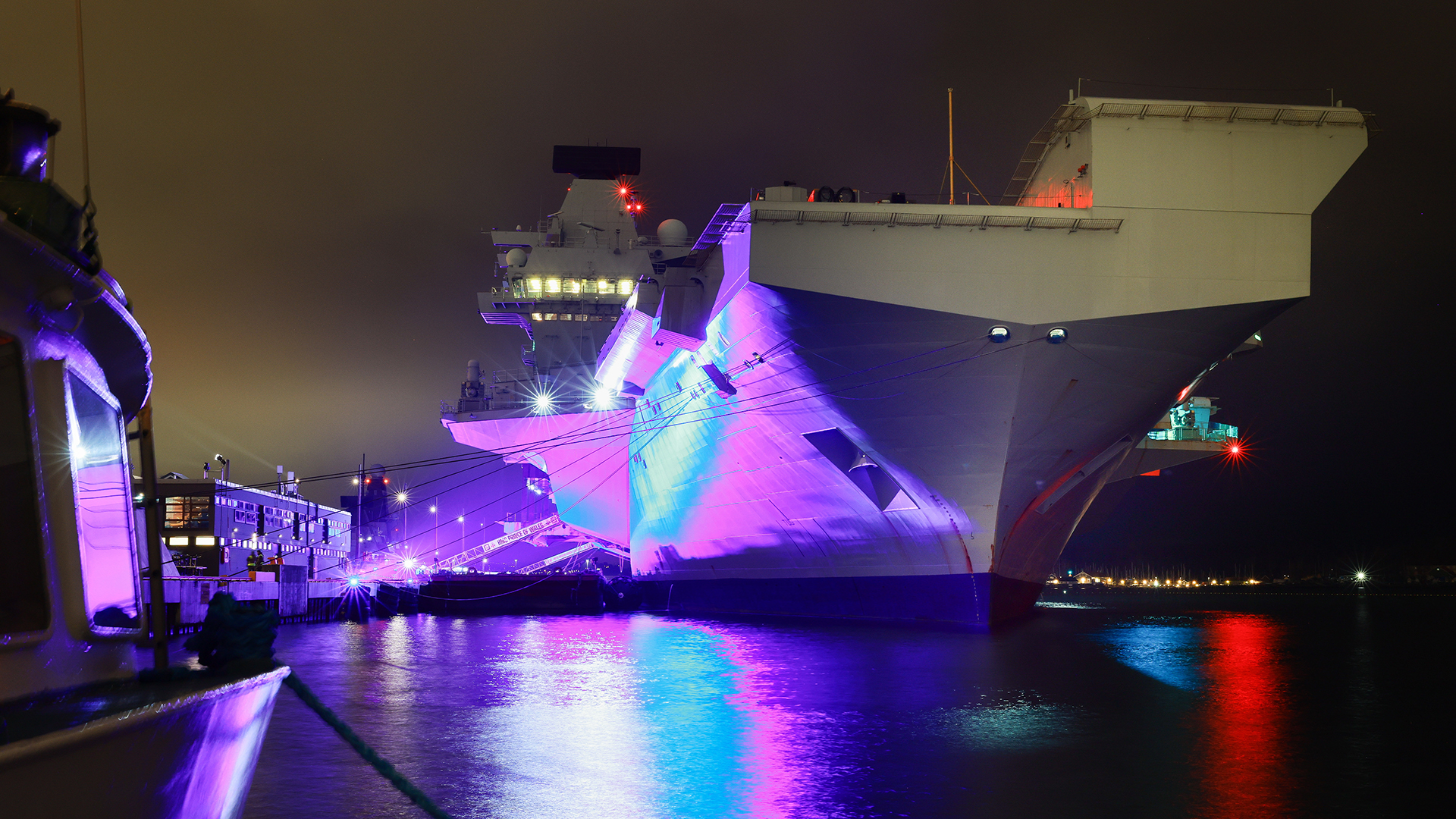
That question ran through three days of the International Sea Power Conference and the Atlantic Future Forum, which took place on board HMS Prince of Wales while she was alongside in the Norwegian capital.
Across the days there were 13 panel discussions held in, at times, a freezing aircraft hangar! It was snowing and the crew had built a snowman on the flight deck.
One word I kept hearing was "interchangeability".
"Interoperability" is a familiar word in defence circles - allies working together. "Interchangeability" takes it a step further, with allies taking over each others' tasks and using shared assets.
That is the vision of the First Sea Lord, General Sir Gwyn Jenkins.
It forms part of another vision - the Hybrid Navy - which brings crewed ships together with autonomous systems.
But moving fast with new technology carries risk.
Gen Sir Gwyn said he'd been accused of being too hasty, something he rejects, arguing: "The one risk none of us can accept is being asked to fight and realising we were not ready."
Together, not alone
Dutch minister Derk Boswijk made a related point about governments' attitudes towards investment.
He argued strongly that ministers need to accept some risk of failure - because doing nothing carries risk too.
That push to adapt and innovate also depends on industry - and there were plenty of representatives at the forum and on the panels.
The importance of developing new technology at the pace and scale navies need wasn't lost on anyone given world events.
But many made that point that governments, industry and the military all need to be pushing in the same direction at the same time to make it happen.
Little time was spent on ethical considerations, but it was interesting when the conversation turned that way.
Most notably for me, it was how different countries judge new innovations. For Ukraine, the urgent question is whether a technology can make its forces more lethal.
Countries with the luxury of not fighting a war may be more focused on the ethical questions around how it's used.
I've only touched the surface of the conversations that took place, but what I enjoyed was being in the room to hear them.
It's rare to get so many senior people in defence talk directly about how they see the challenges ahead and what can be done about them.
But it all comes back to what Ukrainian defence minister Yevhenii Khmara said via video call: "War is no longer limited to the battlefield.
"It encompasses energy, infrastructure, the economy, cyberspace and the cognitive domain. No country can prepare to face all of these challenges alone."
Join Our Newsletter