Royal Navy to buy three mine-hunting mothership vessels from Norway in £90m deal
The Royal Navy is buying three Norwegian-built vessels for £90m to support uncrewed minehunting systems, boosting its ability to detect and destroy sea mines while strengthening defence ties with Oslo
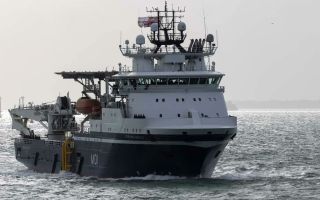
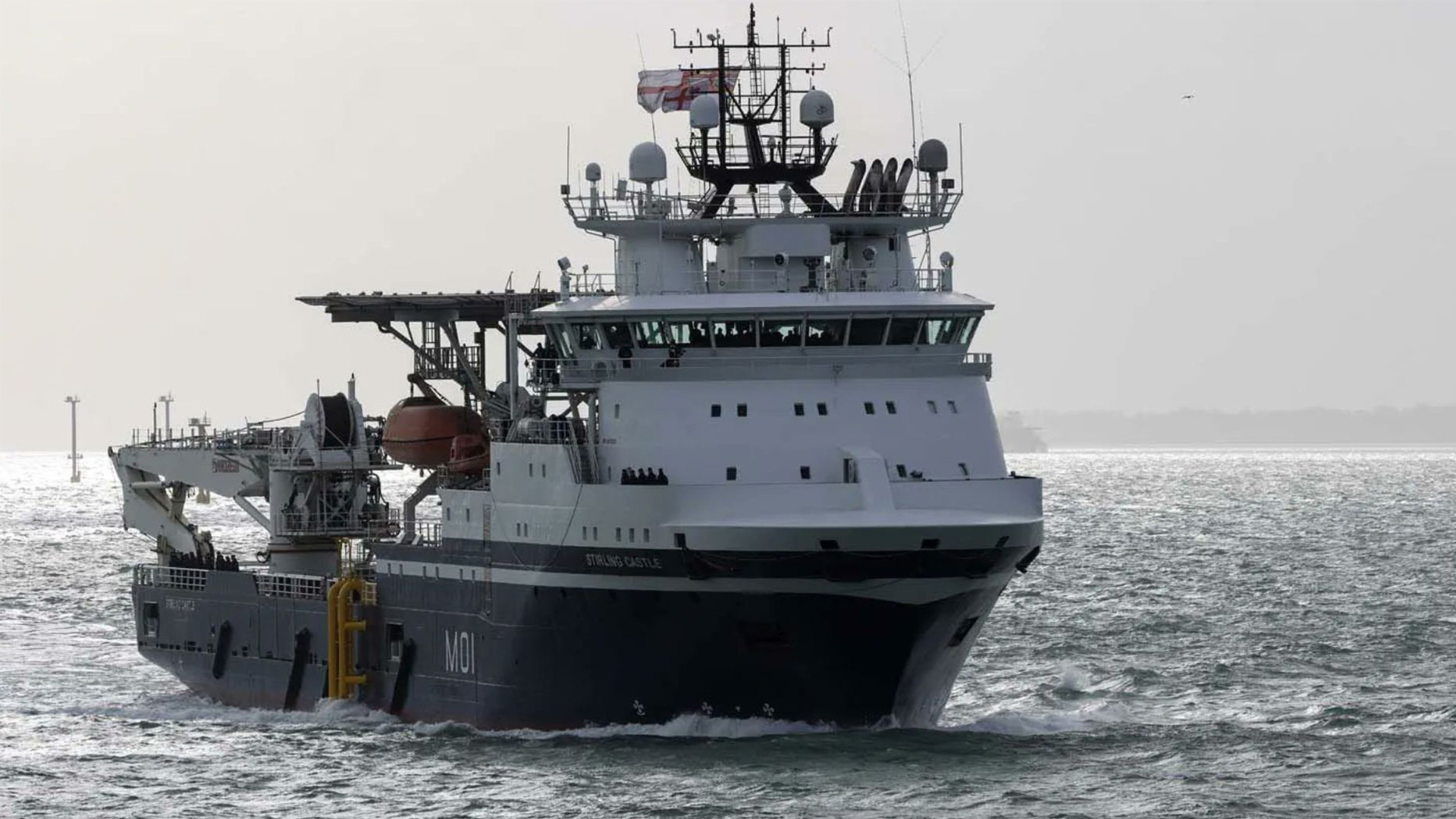
The three new vessels will act as motherships for uncrewed mine-hunting systems and come at a cost of £90m, which had already been earmarked in the Defence Investment Programme.
The MOD says the purchase will make the detection and disposal of sea mines safer, quicker and more effective. It also hails the move as a key step in building the much-vaunted Hybrid Navy.
The ships come from Norway and its Project P1118 Norwegian Standardised Vessel programme.
This agreement means the UK will now join that programme, with the option for three more ships in the future.
The purchase forms part of the existing Type 26 export agreement with Norway, which will see them buy the British-made frigates.
Defence Secretary Wes Streeting said: "This deal strengthens our ability to protect freedom of navigation, which is critical to our security and our economy.
"This agreement also shows how the UK-Norway partnership helps both our countries and our allies meet the challenges of a more dangerous world."
Deal no surprise, but underscores current thinking
This deal acts like a flashing beacon highlighting the thinking behind the Northern Navies Initiative signed by the JEF (Joint Expeditionary Force) nations in Oslo on 10 November.
Interoperability, the buzzword of years, even decades past, is replaced with interchangeability. Not just working together, but the potential for nations within the framework to work hand-in-glove, on the same ships and platforms.
The UK’s burgeoning relationship with Norway illustrates this perfectly. Both nations will have identical frigates, the British-built Type 26s.
Now we have confirmed that both nations will operate the Norwegian-built Project P1118 Norwegian Standardised Vessel. The UK will utilise this for minehunting mothership operations. Norway will use them in the naval sphere and for their coastguard. Lithuania is also planning to operate the platform.
The entire Project P1118 has the vein of interchangeability running through it. The vessels have been designed, according to reports, to be “as civilian as possible, as military as necessary".
This makes the build phase easier by using existing commercial standards, enabling shipbuilders to get on with the build quickly. They are also designed to be modular, enabling different payloads to be used.
Crucially, the allies will be absolutely familiar with operating them, raising the likelihood of UK sailors working on Norwegian ships and vice versa.
More likely will be seeing Norwegian and UK frigates operating within their counterparts navies on a more frequently. Likewise, with the P1118 vessels.
The various iterations of the Carrier Strike Group that we’ve seen in recent years have shown the concept does work.
Commonality of platform is only set to increase interchangeable working in the future.
Join Our Newsletter