Everything unravelled: War widow opens up about being part of the club nobody wants to be in

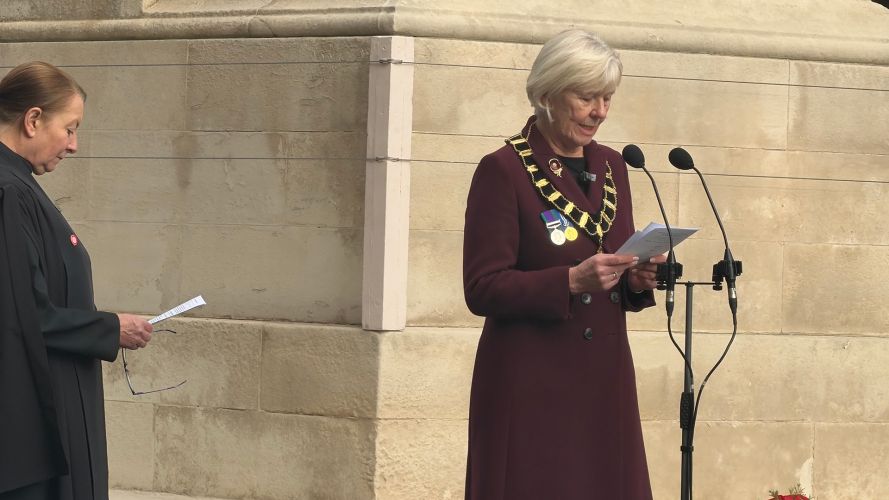
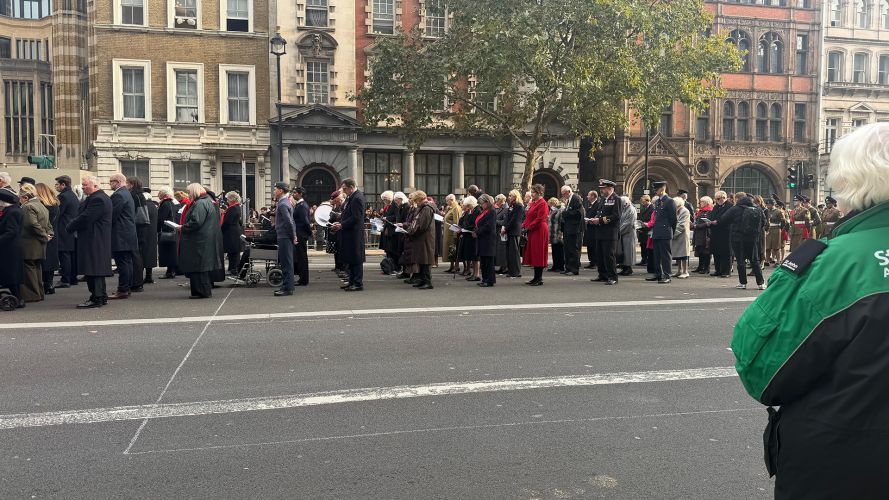
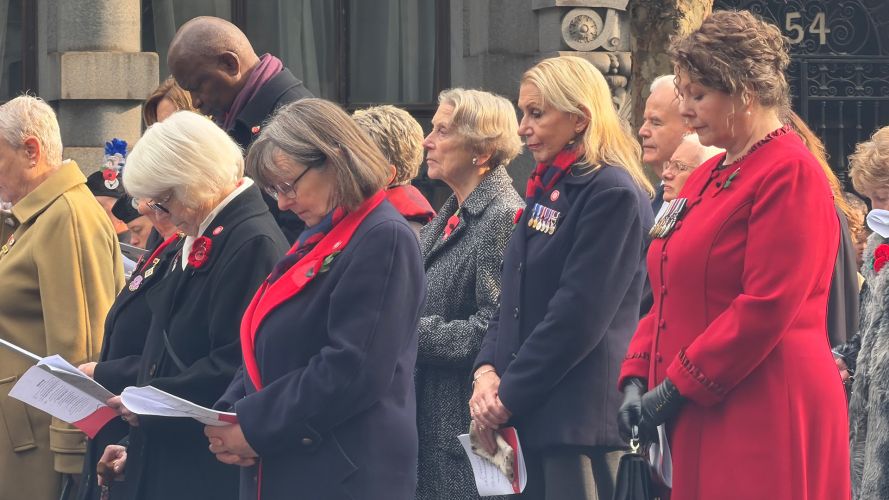
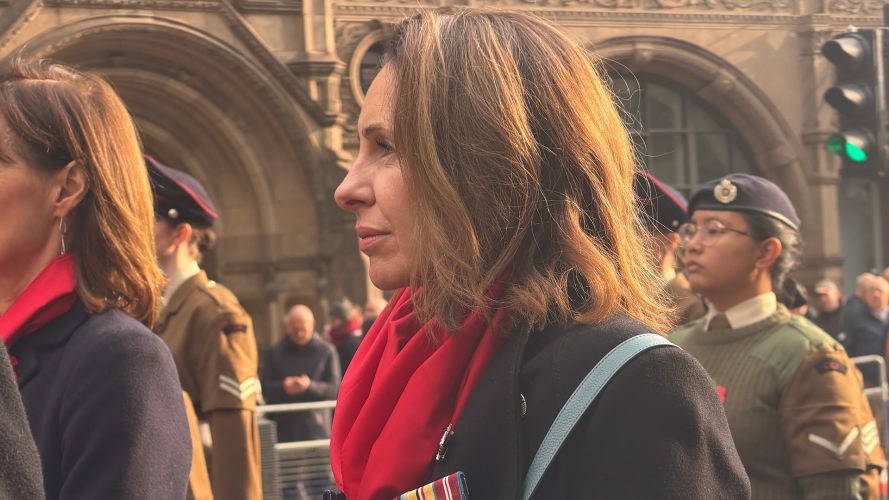
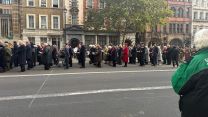
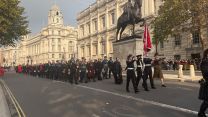
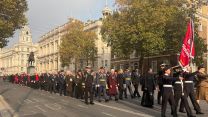
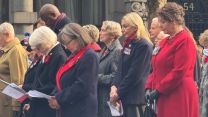
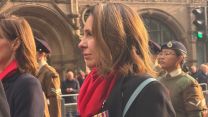

"It is the club no one wants to be in", said RAF veteran Katy Sawyer, as we stood metres away from the Cenotaph on Whitehall.
But she was quick to add: "It's worth joining if you end up in that situation because there are some lovely ladies who you can laugh and cry with, and who you can help and help each other."
It was not Remembrance Sunday, it was the day before, and she was preparing to take part in a very significant ceremony that she'd not been a part of before - a ceremony that some might not realise even takes place.
Everything unravelled
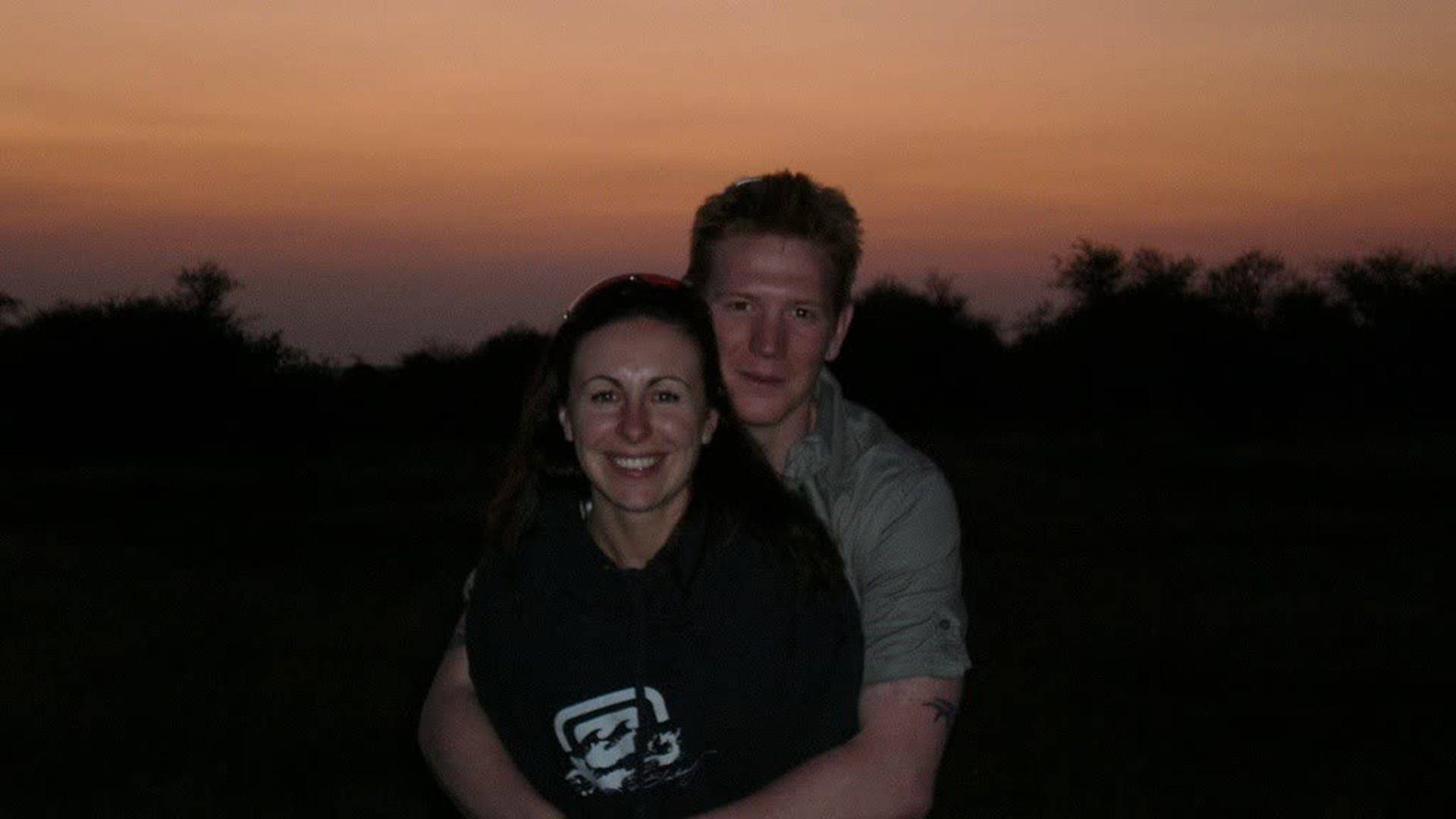
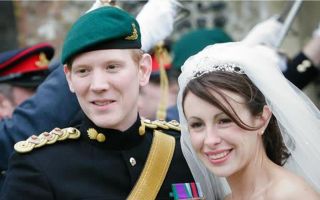
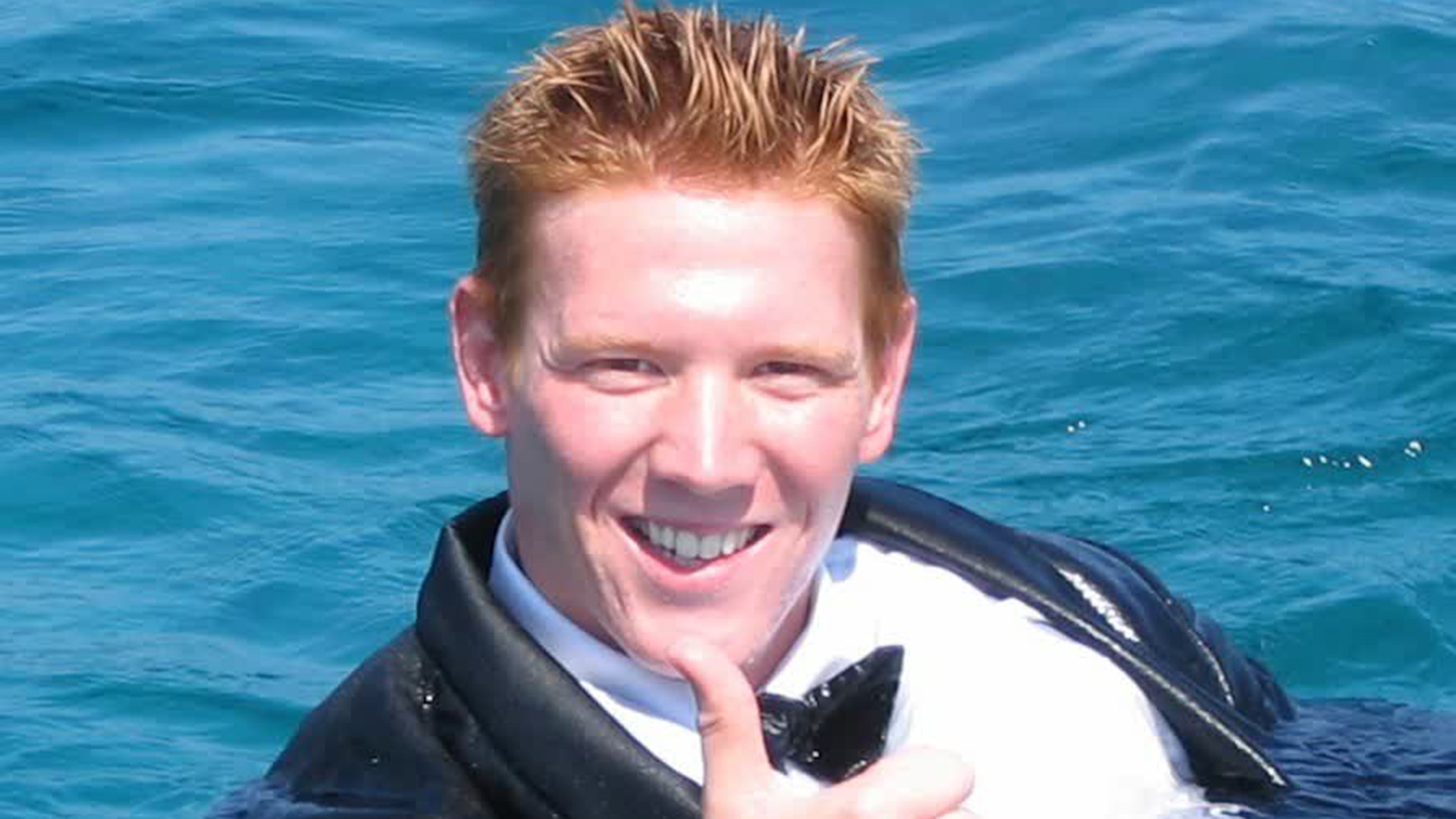
Katy has been a widow for 17 years. Her husband, Royal Artillery officer Captain Tom Sawyer, was killed in Afghanistan in 2009.
"Our lives were so intrinsically linked. Everything unravelled. He died in a blue-on-blue. He was 26, and we'd been married 10 months," she told BFBS Forces News.
"He knew that he was going to do a job that was dangerous, and he said to me 'I just need to survive this tour', which was quite heartbreaking really."
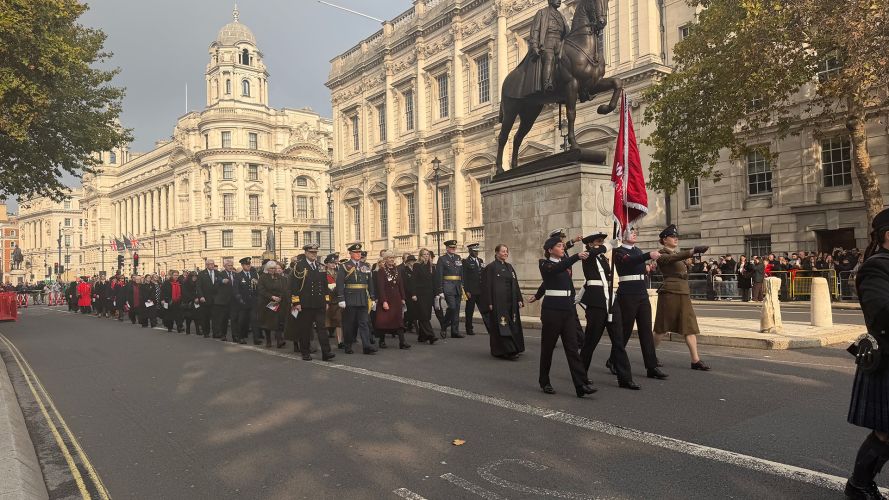
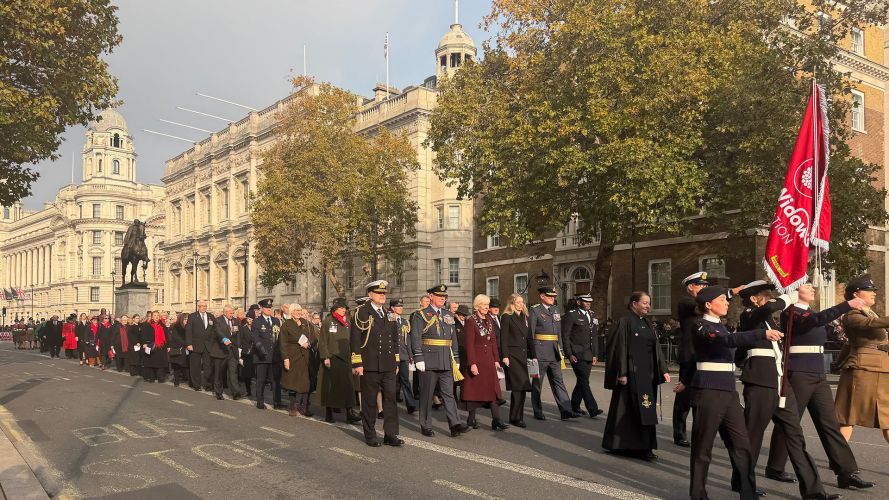
Katy was among more than 100 widows who took part in the service. Before they set off, she said: "It's something I'm really proud to do. It feels like it's part of my journey."
The War Widows Association
The War Widows Association was not always allowed to march on Remembrance Sunday, as the association's chair Chris Dziuba explained.
"It goes back to the early '70s when we weren't allowed to march with the boys and girls on the Sunday," she said. "They thought that if the troops saw widows then it would say to them 'you know you're in the wrong profession boys - you're going to die'.
"What happened was a little band of them, about eight I think, started every Remembrance Saturday they would get the wreath they would come here.
"They dodged the traffic, and they'd lay the wreath at the Cenotaph, have a minute or two, dodge the traffic back and then go off and have lunch."
When the association was finally allowed to march on Remembrance Sunday, the members decided to continue with their service the day before as well.
Unlike years ago, when they had to dodge the cars to reach the Cenotaph, Whitehall is now closed to traffic and it is an important date in their calendar each year.
Katy's face lit up when I asked her about Capt Sawyer.
"Tom was a larger-than-life character. He was a Royal Artillery officer. He joined at 18 and he absolutely lived for his lads. He was so much fun. He loved the Army. The Army was such a huge part of his life," she said.
Widows pick up the pieces, CAS says
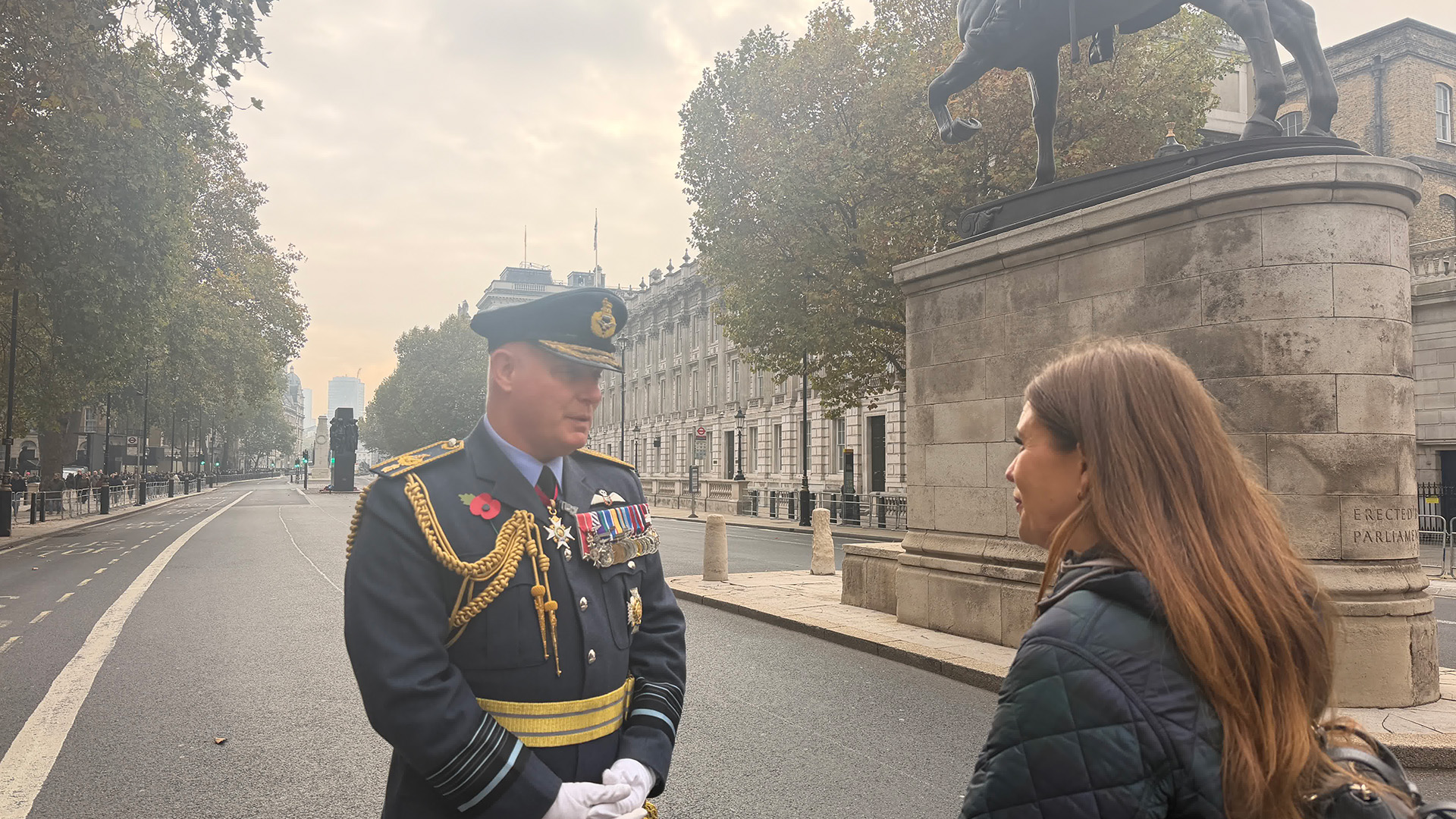
Air Chief Marshal Sir Harv Smyth, the Chief of the Air Staff, marched with the widows and has supported the event for many years.
"I've been talking today to many of those that have lost loved ones in conflict or in other ways. This event for them is where they come together, and they get support together. You can really feel that, you can feel it in your fingertips," ACM Sir Harv said.
"The people that you see here stood on Whitehall today, they're the people that have had to pick up the pieces when their loved ones didn't come home, and that's a big deal.
"They have made just as much sacrifice, and they're living with that for the rest of their lives. So it's important that that's recognised."
As Katy prepared to take part in the ceremony, she said: "I'm expecting to feel sad and loss. I also expect to feel really proud, and I also expect to feel a camaraderie with the ladies that I'm going to be with."
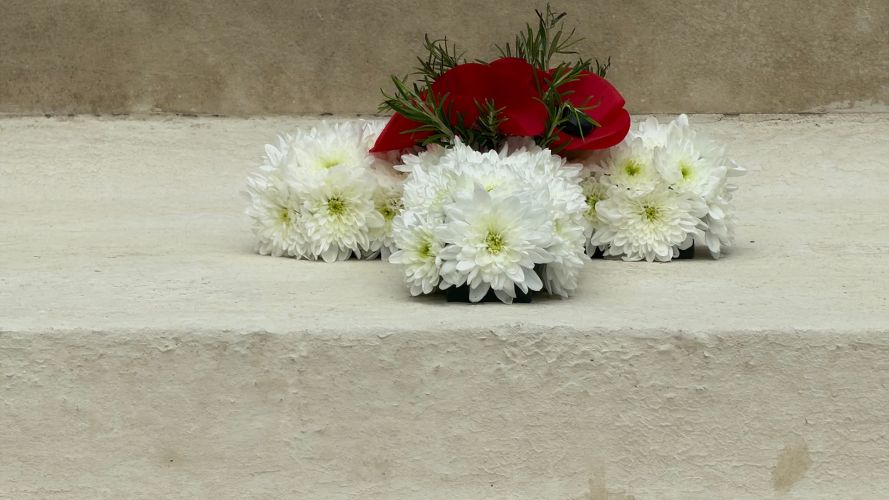
I've never covered the War Widows Association's annual ceremony before. Watching their distinctive cross-shaped wreath of white chrysanthemums and poppies being placed at the Cenotaph was incredibly moving.
You can see why they have decided to still keep their service on the Saturday. It has become a treasured time together, and it was clear to see just how much support they give to each other.
A special atmosphere
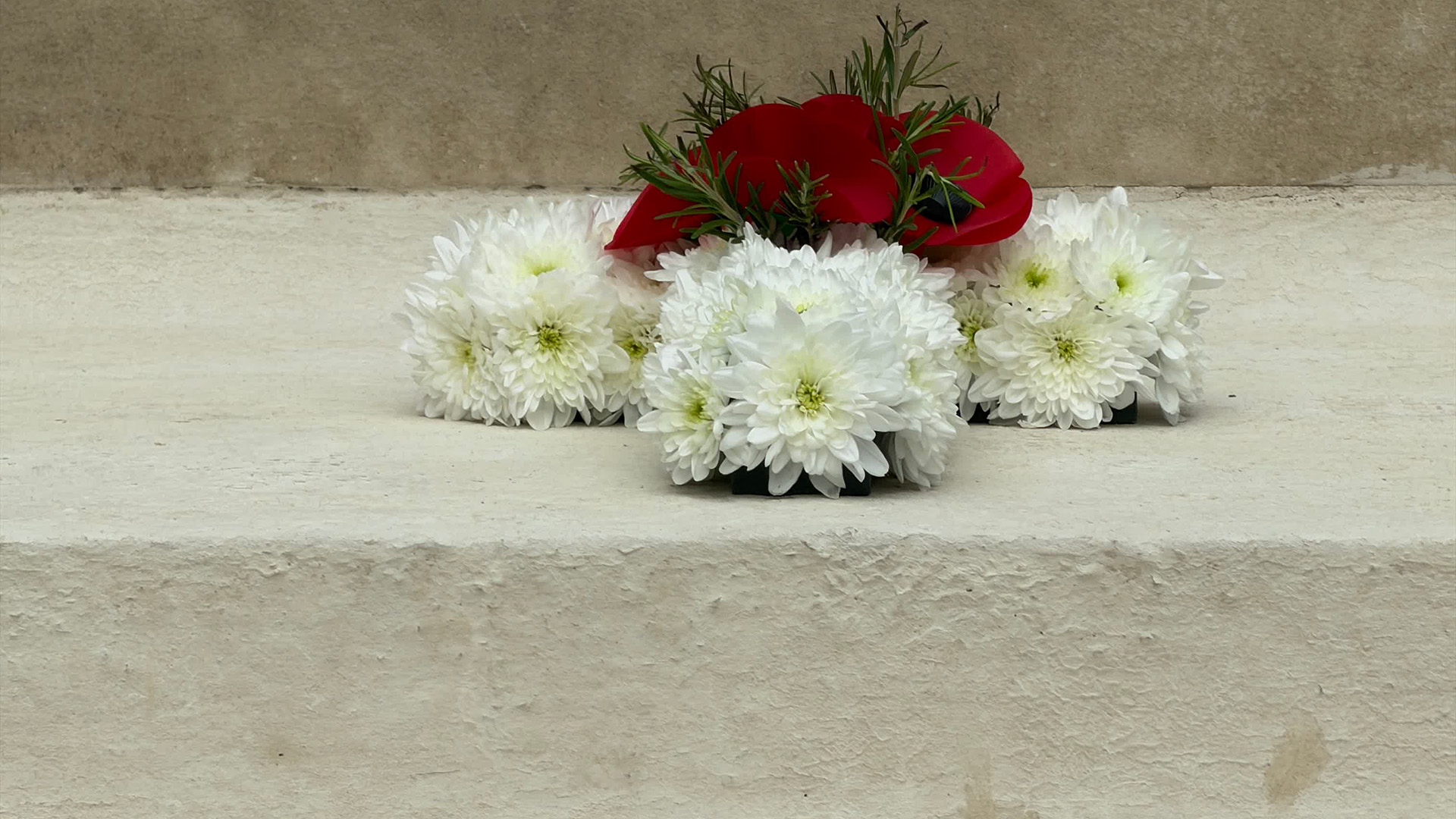
Gillian Gibson, another widow, laid the wreath this year after her husband passed away 32 years ago.
"It is a special atmosphere because it's an opportunity for meeting everyone from all over the country who come to it and catching up on things and smiling and laughing with each other, which is very important, I think, in our situation. It's very important," she said.
"It's a lovely experience, actually. It's not as morose as you might think, if you know what I mean. If you haven't done it, you need to do it, is what I would say.
"It can be a bit upsetting, because of the nature of it, but you get so much love from all the other widows, and widowers I guess, it's just worth it. You'll want to do it again and again."
Before they headed inside for lunch, Katy shared her reflections with me.
"It was very moving, very emotional. What I was surprised at when I stood there was just looking at this big group of people who have lost so much, and they're all there together, supporting each other from the outset and through life, and that's just so important...that was really powerful," Katy said.
"I could see everybody and just the sort of power of the crowd, as it were, the power of the people stood in front of me who were so strong and have lost so much, yet give back to each other."
Related topics
Join Our Newsletter