Twenty-eight robots, but no soldiers - does this attack show the future of warfare?
We've been given a revealing glimpse into where warfare might be heading.
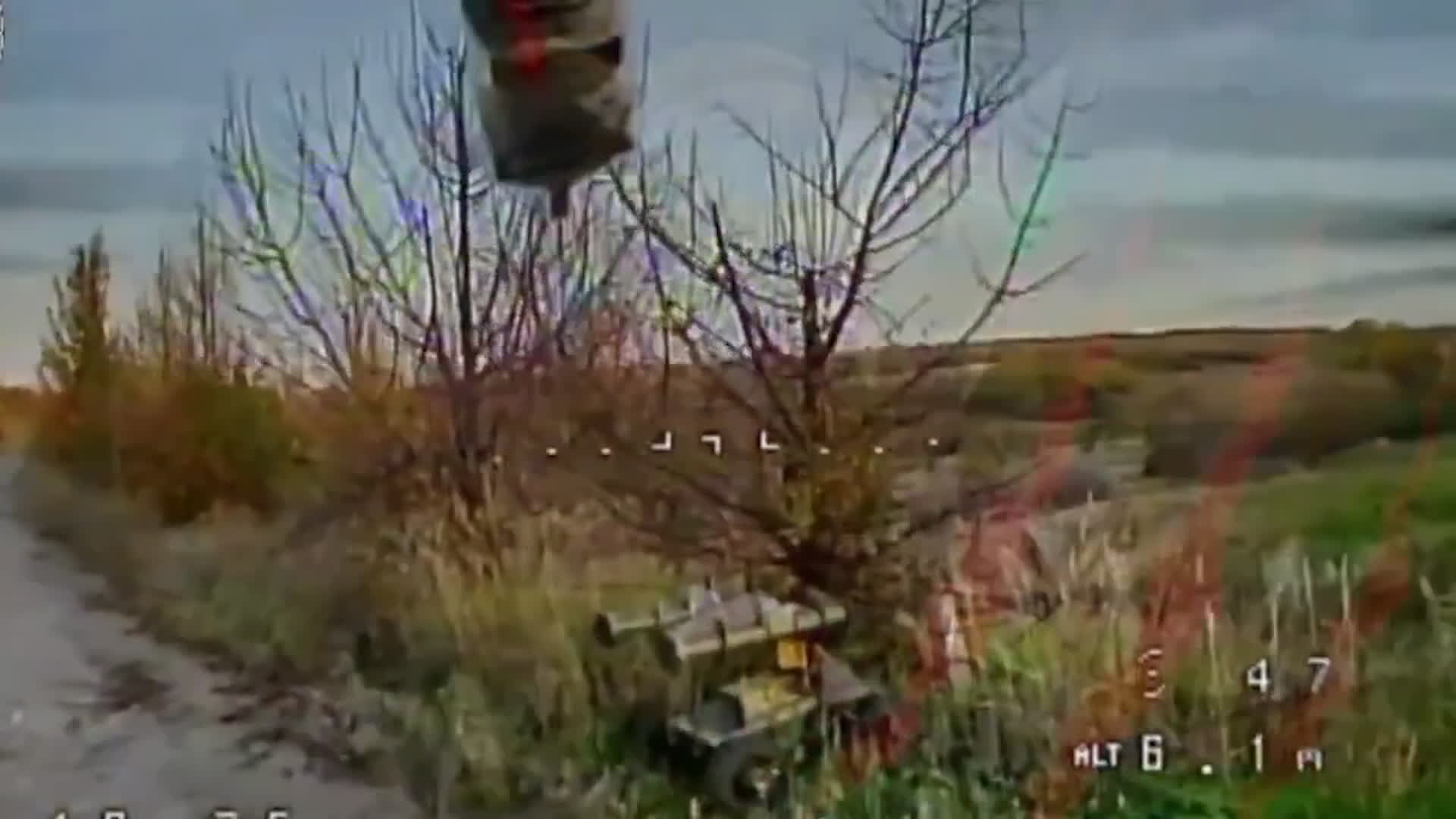
A Russian military unit has released footage which it claims shows 28 Ukrainian ground robots attacking its positions near Lyman in eastern Ukraine.
The Russians portrayed it as a major victory, claiming they destroyed the largest unsupported robotic assault force of the war.
But there's something rather more significant about this attack than how many machines were knocked out.
For the first time, Ukraine appears to have deployed a platoon-sized force of ground robots to assault an enemy position without any accompanying infantry.
And that raises some important questions about how the battlefield is evolving.
The operation was reportedly the work of Ukraine's Third Army Corps, the same formation responsible for Operation Vivaldi earlier this year.
That was a major offensive around Lyman in which Ukrainian forces used large numbers of drones, robotic systems and vehicle-borne explosives to disrupt Russian positions, encircle elements of two Russian divisions and reclaim up to 250 square kilometres of occupied territory.
Now the corps appears to be taking its experimentation with robotic warfare a stage further.
Heavy weapons on heavy metal
According to reports, the 28 unmanned ground vehicles, or UGVs, deployed in this latest assault had different weapons and roles.
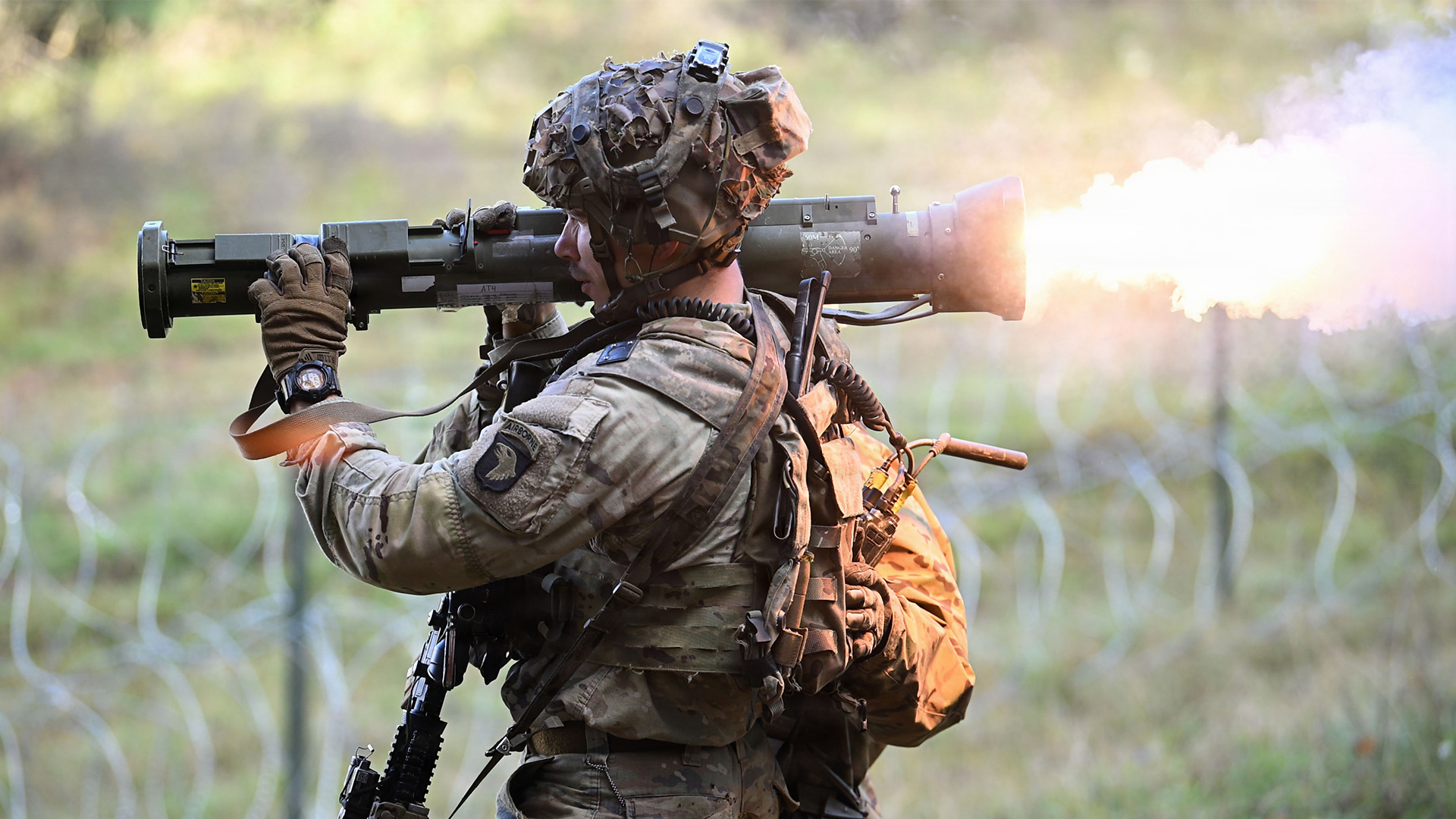
Eighteen were reportedly each fitted with pairs of Swedish AT4 anti-tank weapons.
Made by Saab, these are disposable, single-shot 84mm anti-armour weapons which Sweden has supplied to Ukraine in their thousands since Russia's full-scale invasion in 2022.
The Ukrainians have mounted them on platforms such as the Hyena, a robotic vehicle designed to deliver its weapons before potentially detonating itself near the target.
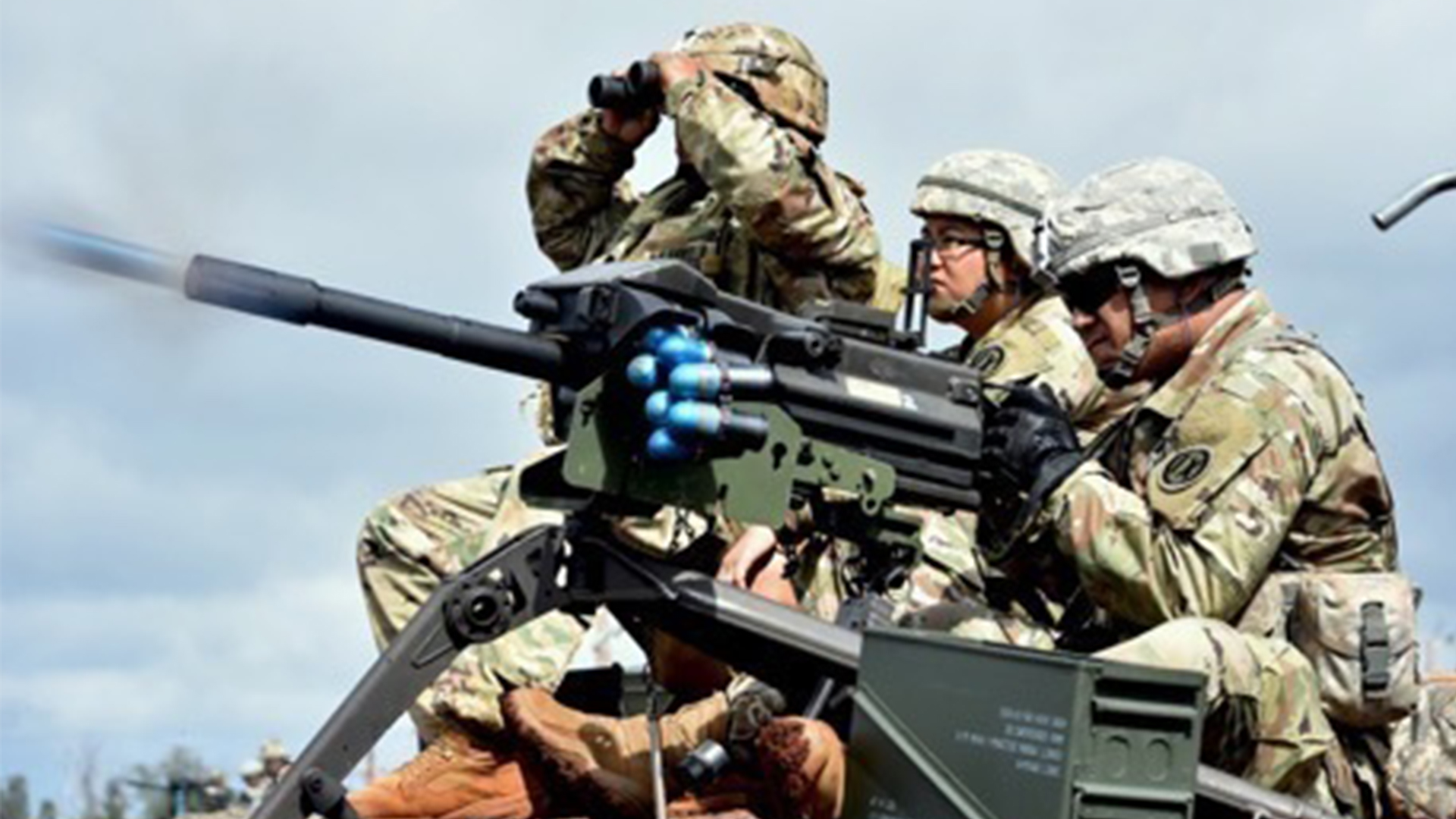
Two more robots were reportedly fitted with American Mk 19 automatic grenade launchers.
This is a belt-fed, 40mm weapon developed during the Vietnam War, capable of delivering sustained fire against enemy positions.
It was also used by British special forces on their WMIK Land Rovers during operations in Iraq.
Alongside these armed platforms, the Ukrainians reportedly deployed eight kamikaze robots, each carrying around 20kg of explosives.
We saw some of these machines being assembled and tested ourselves in Ukraine by NC13, a specialist robotic warfare unit within the Third Army Corps.
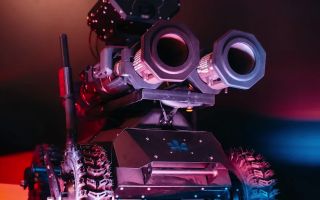
At a secret location, its engineers showed us the Spextr, a relatively small explosive-laden ground robot which can be remotely controlled over considerable distances using Starlink.
A failed attack - or was it?
So what should we make of this? We've become accustomed to seeing ground robots delivering ammunition, evacuating casualties and supporting infantry attacks. But this was something different.
A platoon-sized force of machines advancing against an enemy position, apparently without a single Ukrainian assault soldier accompanying them.
This wasn't a successful attack. The Russians appear to have stopped the assault, and they're understandably making the most of the footage.
But the deputy commander of the Third Army Corps, Lieutenant Colonel Maksym Zhorin, offered an interesting response.
"They're celebrating repelling it," he said. "But for some reason they [the Russians] don't mention how many of our UGVs successfully got through and engaged them."
And that gets to the underlying lesson here.
In conventional warfare, losing 20 or more vehicles in an assault would represent a serious setback.
But the economics of robotic warfare are different. If you have enough relatively inexpensive ground robots, you can afford to lose some of them.
Unlike an infantry soldier, a machine doesn't have to be protected at all costs.
And even if the Russians destroyed many of these platforms, they would have had to have expended drones, ammunition and potentially artillery to do it.
Before being knocked out, those robots may also have identified Russian firing positions, defensive obstacles and troop concentrations – intelligence that might previously have required reconnaissance soldiers to risk their lives to obtain.
Daytime chosen over night
There are still some obvious questions about the operation.
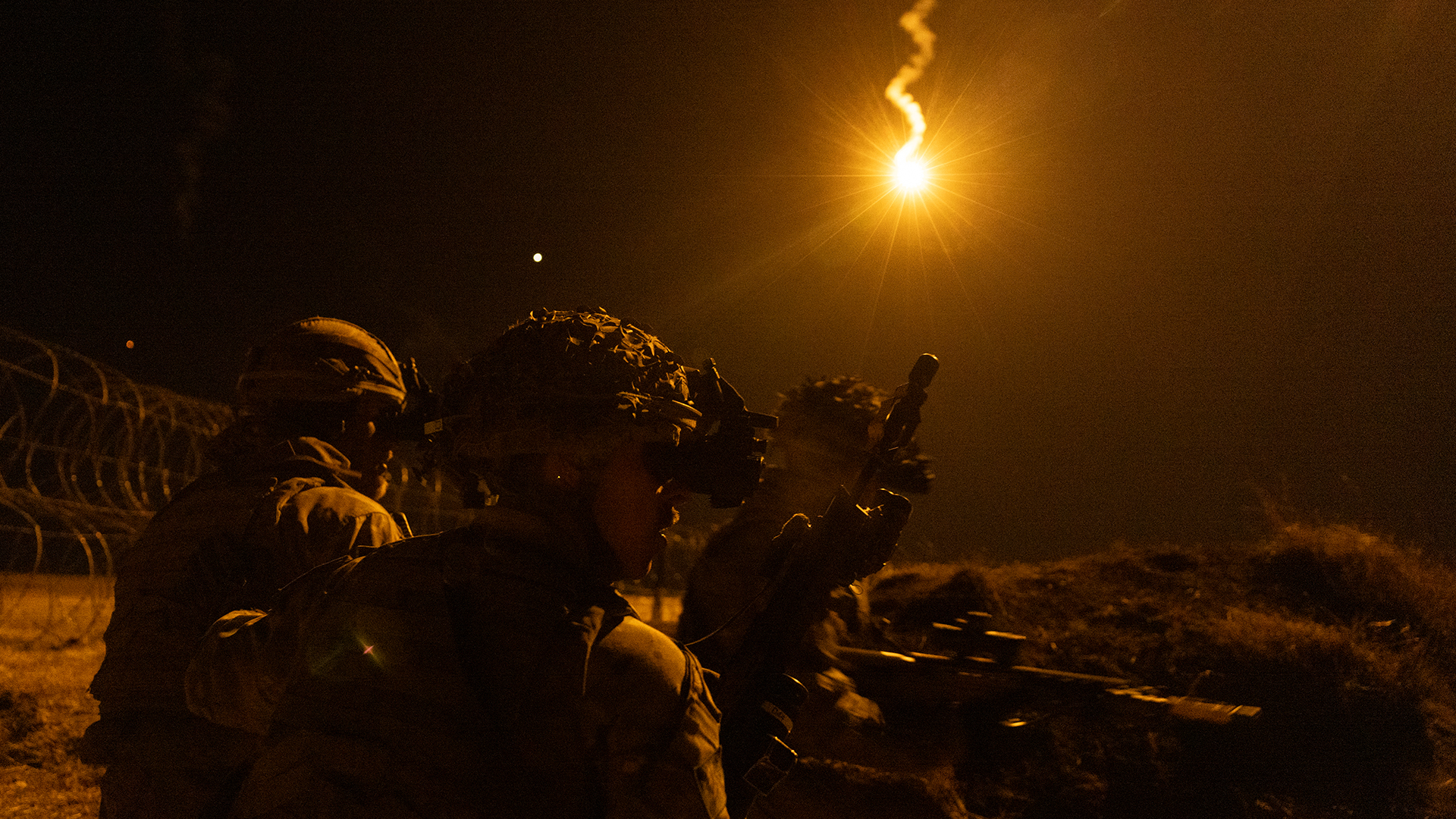
Why was it conducted in daylight, making the robots easier to spot and attack? Was the terrain too difficult to navigate at night?
And how exactly were the 28 machines controlled? Were there 28 separate operators, or was some form of automated coordination being tested?
We don't know.
But the command and control required to deploy such a force is impressive in itself. And this isn't happening in isolation.
Ukraine ordered 25,000 unmanned ground vehicles in the first six months of 2026, more than double the number requested during the whole of 2025.
Its defence ministry says UGVs carried out more than 30,000 logistics and evacuation missions in October alone.
The commander of the Third Army Corps, Brigadier General Andrii Biletskyi, has also set a target to replace roughly a third of his frontline troops with robotic systems by the end of this year.
The intention is not necessarily to replace every infantryman with a machine.
It's to take soldiers out of the most dangerous tasks, freeing them up for the jobs that still require human judgement and physical presence.
Robot wars? Not yet, but...
And the next development could be much more significant.
Imagine ground robots operating alongside aerial drones, with artificial intelligence helping to identify targets, coordinate movements and navigate the battlefield.
Some systems could eventually operate with much less human intervention, even when communications are disrupted.
We are still some way from armies of fully autonomous killer robots roaming the battlefield, independently selecting and attacking targets.
But the technology is advancing, and the legal and ethical questions surrounding it are becoming increasingly urgent.
For centuries, armies have measured their strength by the number of soldiers they can put on the battlefield.
In Ukraine, they're beginning to experiment with a different measure.
How many machines can one soldier command?
Related topics
Join Our Newsletter