Hybrid carrier air wing: Drones take off from HMS Queen Elizabeth for the first time

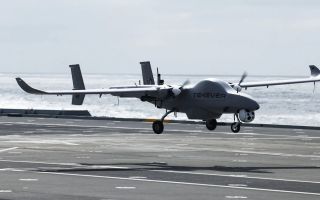
Strike drones have taken off from an aircraft carrier for the first time during trials in the North Atlantic.
The trials, which happened in the middle of last month, involved British-made Nyan Maritime one-way drones taking off from HMS Queen Elizabeth's flight deck, showing how autonomous strike systems could operate alongside F-35B stealth jets.
The trials are part of the Navy's high-tech approach to fighting in the air from an aircraft carrier, known as the hybrid carrier air wing.
Hybrid carrier air wing
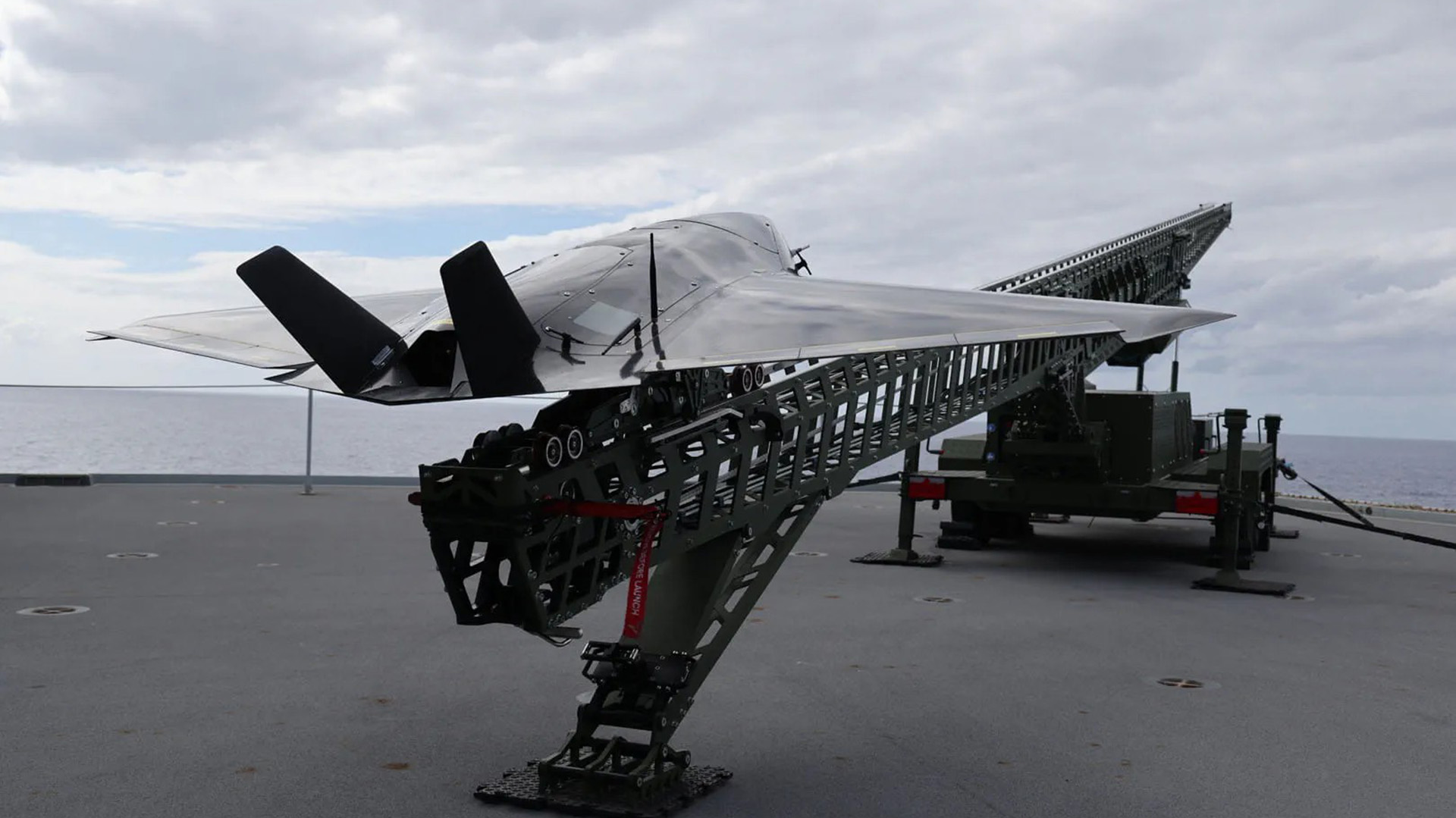
The strategy uses crewed aircraft and drones to improve the carrier's reach, lethality and flexibility, meaning personnel can be kept further away from danger.
The announcement was made as her sister aircraft carrier, HMS Prince of Wales, sailed into Oslo for a port stay in connection with the Atlantic Future Forum and the International Sea Power Conference, which will be held on board the carrier.
"The threat environment we are facing is fundamentally different from that of recent decades. A major determinant of military power now is who can innovate fastest," Defence Secretary Wes Streeting said.
"This first for the Royal Navy shows how we're using the biggest sustained increase in defence spending since the Cold War to invest in equipment and technology that gives our forces greater reach to strike the enemy, with increased lethality.
"The more ready we are to fight and win, the less likely we are to have to. This investment strengthens our warfighting readiness and therefore our deterrence."
The trials
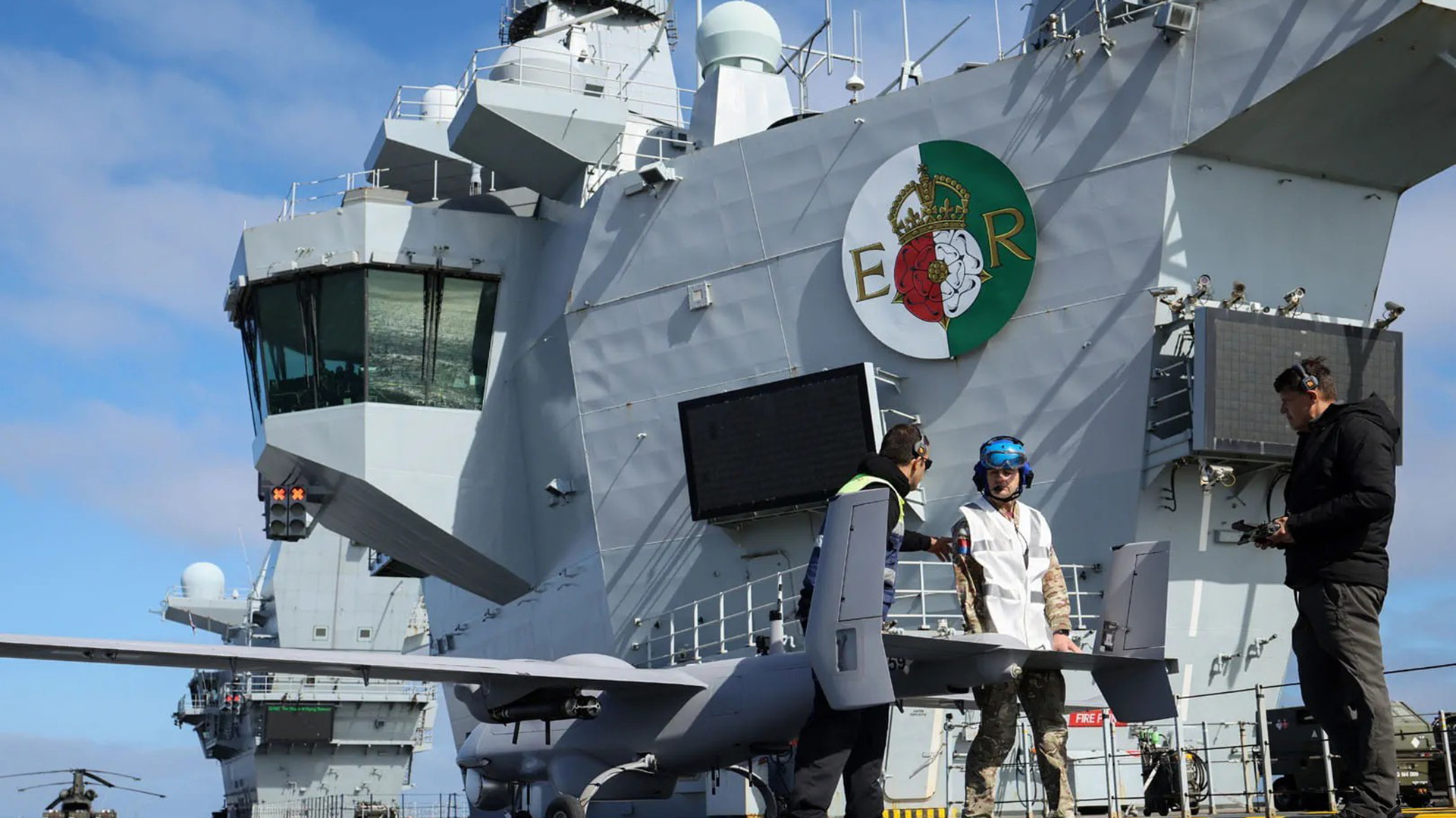
The Royal Navy flew several flights from the 65,000-tonne aircraft carrier after the uncrewed aerial vehicle's first launch at sea from experimentation vessel XV Patrick Blackett earlier this year.
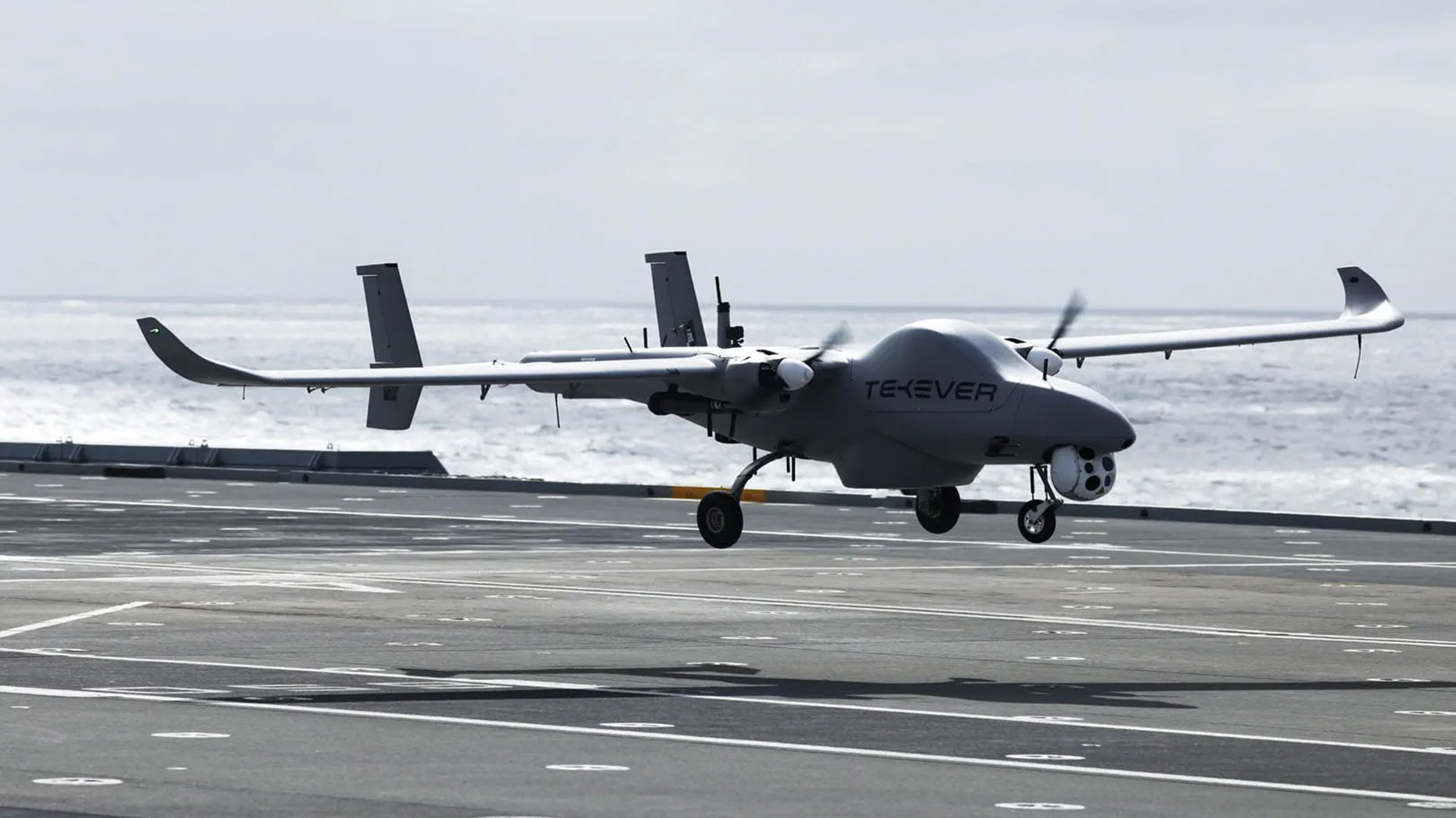
HMS Queen Elizabeth also hosted Heavy Lift Challenge 3, which involved operating a Tekever AR5 fixed-wing uncrewed aircraft from the carrier for the first time.
The AR5, which has a seven-metre wingspan and can hold 80kg, can help with logistics and operational missions.
These trials showed how these drones could be used alongside strike systems as the Navy looks to build a more integrated fighting force.
"These trials give us the evidence and confidence to decide how uncrewed systems can work alongside crewed aircraft," Lieutenant Commander David Burton, the trials sponsor for Navy Capability, said.
"The lessons will help us build a Hybrid Navy that gives commanders greater choice and ensures our carriers remain at the cutting edge of naval warfare."
HMS Prince of Wales visits Oslo
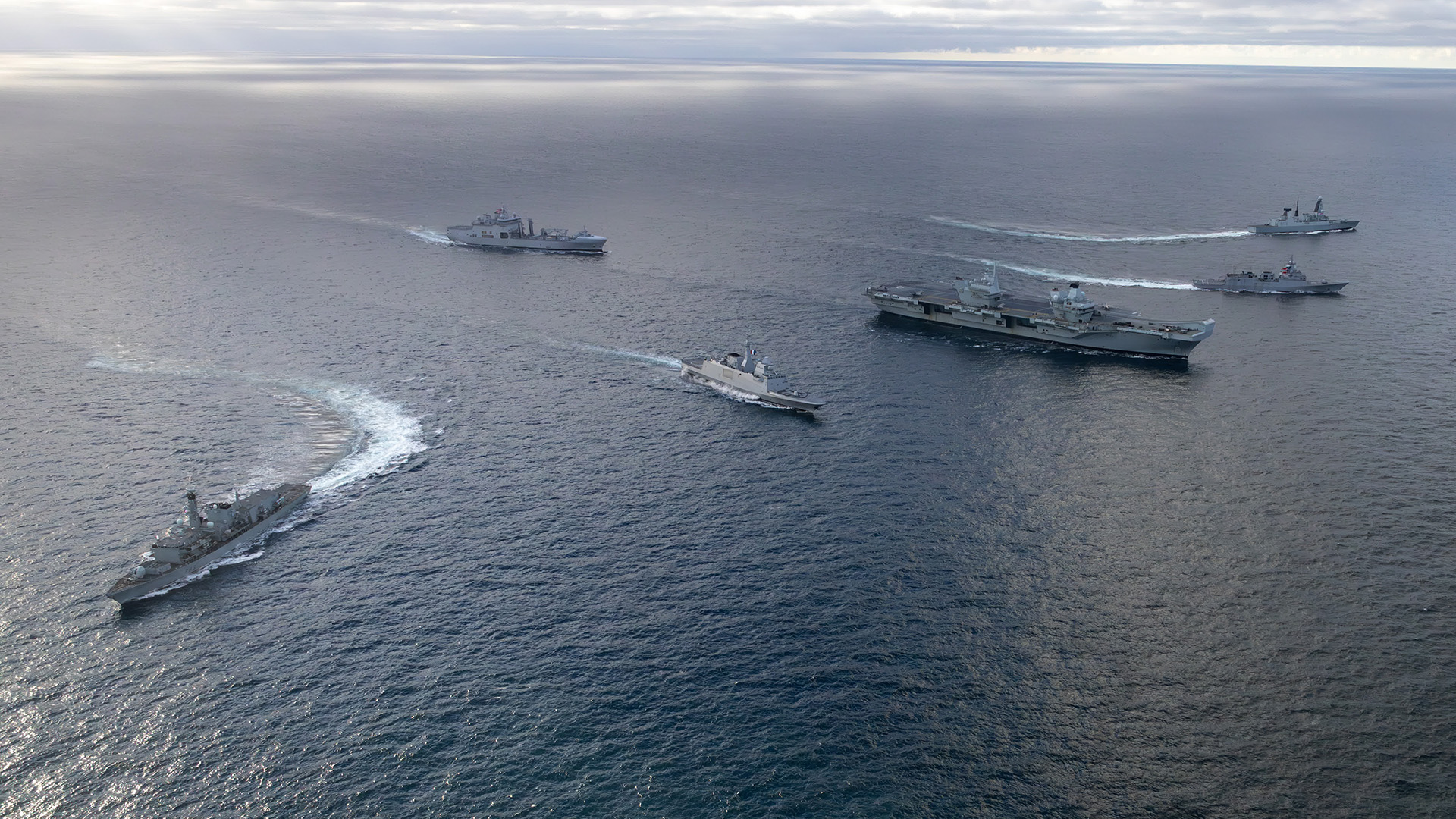
The aircraft carrier was escorted into the port by British destroyer HMS Dauntless, the Norwegian frigate KNM Fridtjof Nansen and Norwegian coast guard vessel KV Nornen.
HMS Prince of Wales has been training in the region as part of Operation Firecrest, which focuses on operational readiness, training and strengthening Nato cooperation.
"Aircraft carrier operations along the Norwegian coast are important for a credible defence of Norway and Nato," said chief of the Norwegian joint headquarters (FOH) Vice Admiral Rune Andersen.
"It is also clear that our allies see the High North and our neighbourhood areas as an important area for their operations and exercises."
The International Sea Power Conference will see military and political leaders meet to talk about security in northern Europe.
Related topics
Join Our Newsletter