'Not a typical politician': Who is new Def Sec Wes Streeting and what is his voting record?
Wes Streeting described himself as 'not a typical politician' and has spent four and a half years shaping Labour's health policy.
He now finds himself responsible for the UK's nuclear deterrent and the Armed Forces at a time of war in Europe and growing doubt over the reliability of the United States as a Nato partner.
The former health secretary was appointed Secretary of State for Defence by Prime Minister Andy Burnham after taking office, returning to Cabinet two months after resigning from Sir Keir Starmer's government.
- Healey returns as Chancellor, vowing UK will meet commitments on defence to allies
- What do the former ministers who resigned over the Defence Investment Plan think about it?
- What could Andy Burnham as Prime Minister mean for defence and our Armed Forces?
He succeeds Dan Jarvis, the former Parachute Regiment officer who spent less than six weeks as Defence Secretary after John Healey resigned over the funding offered to the MOD.
Mr Jarvis oversaw the publication of the Defence Investment Plan at the end of June, setting out £298bn of spending over four years, including an additional £15bn for defence spending.
How has Wes Streeting voted on defence?
Streeting has twice supported the renewal of Britain's nuclear deterrent.
In November 2015, he voted against an SNP motion opposing the renewal of Trident.
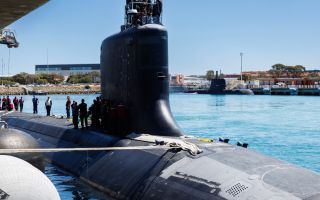
In July 2016, he backed the replacement of the four Vanguard-class ballistic missile submarines and the continuation of the UK's continuous at-sea nuclear deterrent.
That motion, which authorised the programme that became the Dreadnought class, was approved by 472 votes to 117.
In December 2015, Streeting opposed extending RAF air strikes against the so-called Islamic State from Iraq into Syria.
During a Commons debate in November 2016, he described himself as part of the "anti-war generation" and said: "I never agreed with it then and with hindsight I certainly do not agree with it." However, he voted against the motion being debated, which called for a Commons committee to investigate differences between public statements and private policy before the invasion.
He has consistently voted to strengthen the Military Covenant.
A late move into defence
Streeting gave a substantial speech on national security in May 2026, six days after resigning as health secretary.
Speaking in a Commons debate on defence readiness, he backed faster military investment, continued support for Ukraine and a closer security relationship with Europe.
"The frontline in Ukraine is the frontline for our freedom and democracy," he told MPs, welcoming stronger sanctions on Russia and what he described as the government’s "rock-solid support" for President Volodymyr Zelensky and the Ukrainian people.
He also endorsed warnings from the Nato Secretary General about Europe's reliance on Washington.
"We need to invest more heavily in our defence, and more rapidly," he said.
Streeting described the US as an "unpredictable superpower", China as a rising one and Russia as a failed one. He argued that the UK would be more secure through closer relations with Europe and called for a new special relationship with the continent.
His speech also set out a broader view of national resilience. Streeting questioned polling suggesting that around half of young people would be unwilling to fight for the country, arguing that they would respond if the cause were just and the need urgent.
But he linked military service to the relationship between the state and its citizens, saying young people needed secure jobs, homes and confidence in their future if they were to feel invested in the country.
"Defence is about hard power and capabilities, but it is underpinned by the soft power that binds a country together: pride, belonging, shared activities and institutions, and hope," he said.
With additional reporting by Sian Grzeszcyzk Melbourne
Join Our Newsletter