What could Andy Burnham as Prime Minister mean for defence and our Armed Forces?
If events unfold as almost everyone expects over the coming weeks, the UK will soon have a new Prime Minister.
That raises an important question: what would Andy Burnham mean for the Armed Forces, the men and women who serve in them, and the future of UK defence?
We cannot know exactly what he would do once inside Number 10, but we can get some indication from his record in Parliament.
During his years as an MP from 2001 to 2017, Andy Burnham voted on some of the biggest defence and military issues of the day, giving us a glimpse of where his priorities might lie.
Defence voting record
Mr Burnham consistently voted in favour of the Iraq War and opposed calls for further investigations into the conflict.
More broadly, he has generally supported UK military action abroad.
That included backing airstrikes against Islamic State targets in Iraq, although he opposed extending those strikes into Syria.
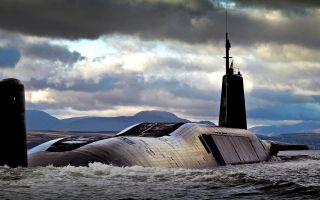
On nuclear deterrence, Mr Burnham has been a firm supporter of Trident, consistently voting in favour of renewing and replacing the UK's nuclear weapons system.
He also regularly backed measures designed to strengthen the Armed Forces Covenant, aimed at improving support for serving personnel, veterans and their families.
That was then and this is now
Once inside Number 10, however, Mr Burnham will face a very different challenge with major decisions to make.
Billions of pounds in additional funding is needed if the Armed Forces are to meet future threats.
The PM in waiting has already suggested that more money can be found through savings in the welfare budget – but that raises the question of how much, how quickly, and what will it be spent on?
Would he prioritise drones, munitions and other capabilities that could be procured rapidly to strengthen Britain's military readiness in the near-term?
Or would he focus on high-end technology and major equipment programmes that could deliver greater capability in the long run, but may take years to enter service?
Just as importantly, where might personnel fit into those priorities?
Would increasing troop numbers, improving recruitment and retention, and addressing the long-standing problems with military accommodation receive the attention many service personnel believe they deserve?
Perhaps the biggest question of all is what happens if the expected welfare savings fail to materialise.
If, like Keir Starmer, Mr Burnham finds it difficult to reduce welfare spending, would he be willing – or able – to find the money for defence elsewhere?
A great deal will depend on the decisions of the next prime minister. What priorities would you like to see them pursue? Let us know your thoughts.
Related topics
Join Our Newsletter