Former surgeon generals concerned about UK's ability to handle casualties in future wars
Two former surgeon generals of the UK Armed Forces have raised concerns about the country’s ability to deal with casualties if war were to break out.
Lieutenant General Martin Bricknell (ret’d) and Major General Tim Hodgetts (ret’d) gave evidence to the Defence Select Committee on how prepared the military and the NHS are.
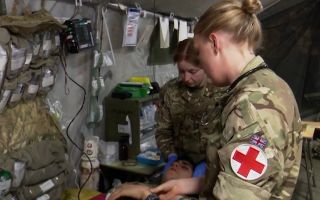
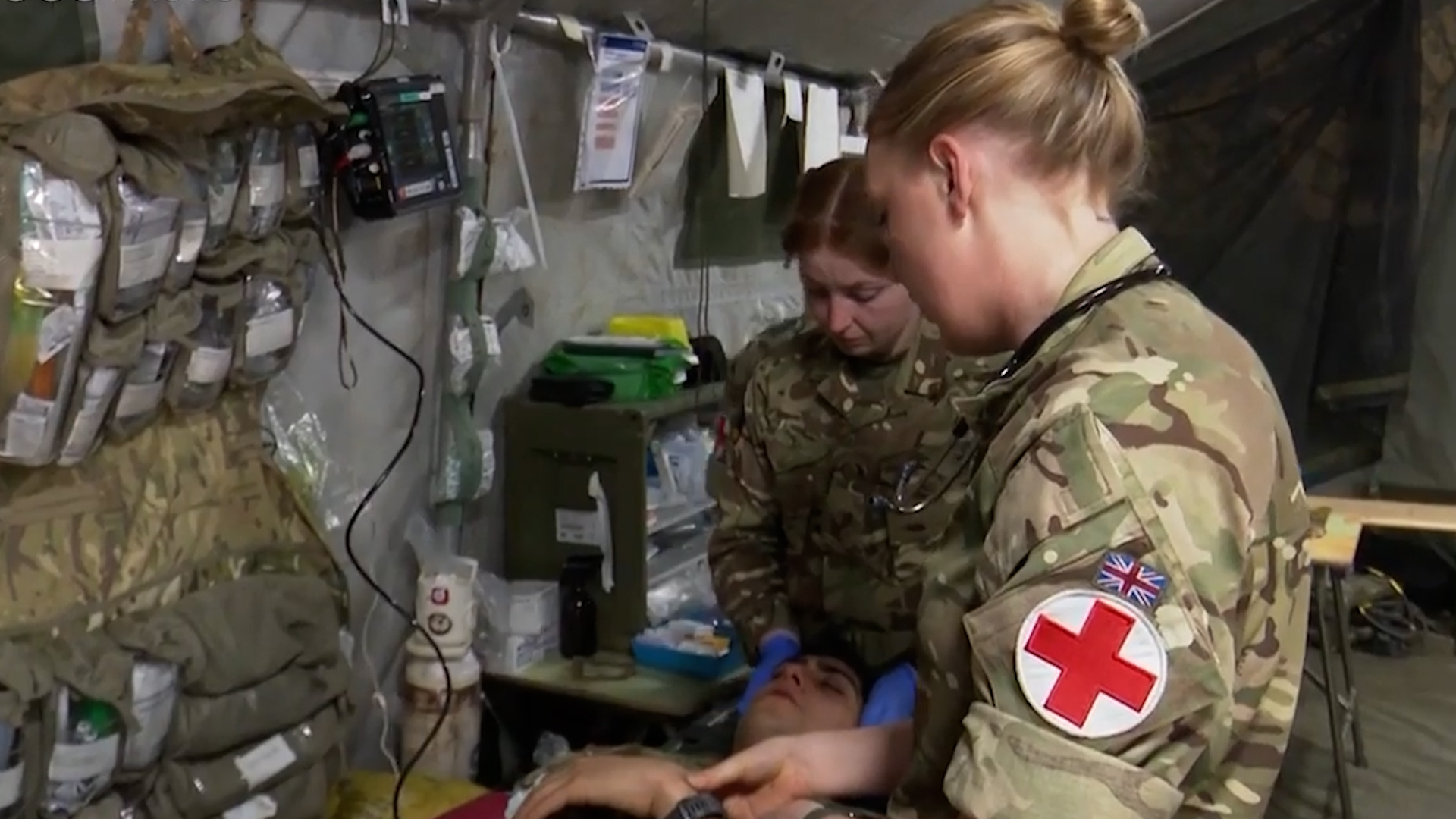
The session investigated how military medical services would cope with a high-intensity, peer-on-peer conflict.
It is part of a review into integration of defence medical services into the wider healthcare system.
Lieutenant General Bricknell told MPs that cutbacks over the years have been heavily felt.
"We wanted to put on record that the UK Defence Medical services had been hollowed out as a result of a series of pressures on the Ministry of Defence over the past decade-and-a-half," he said.
"And that because of the unique nature of the relationship between the military, medical services and the civilian medical services, it's possible to take that as a saving in peace, but it means your foundational baseline if you need to expand and mobilise is at risk."
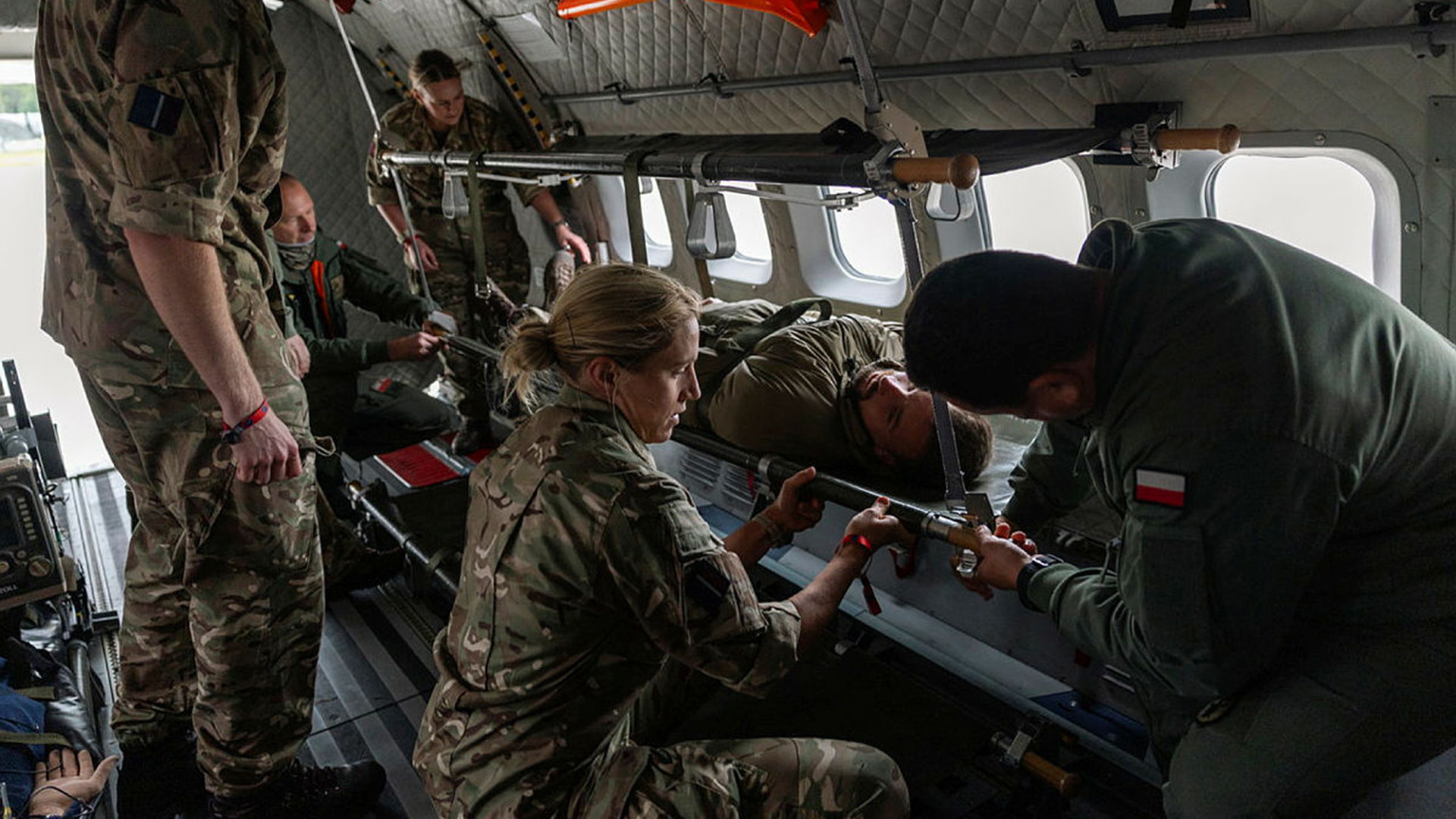
The need for more investment to deal with casualties – including frontline treatment, evacuation from theatre, and repatriation back home – was raised to the committee.
A critical lack of protected medical vehicles and the ability to extract casualties in a contested air space was also discussed as the UK moves away from the counter-insurgency operations of the previous two decades.
Maj Gen Hodgetts warned that an ineffective medevac system would raise the risk of avoidable pre-hospital deaths.
He said: "If we had to go out the door today, we would go out with an effective force.
"But the issue is the volume of patients that you might be presented with but we are ready to go out and fight.
"I wouldn't have any hesitation to say that, but what we lack is the capacity if we had to do this at huge scale."
Related topics
Join Our Newsletter