From the LRDG to today's SAS: How much has really changed in special operations warfare?

Surrounded by a brutal and searingly hot landscape, a man known by the SAS as the Pirate of the Desert had been keeping a watchful eye on the enemy for hours.
Collecting valuable intelligence and risking discovery at any minute, Lewis "Archie" Gibson was the perfect fit for a special forces role.
He was a rebellious teenager whose childhood was full of pranks and high jinks, perfect training for special forces operations – high-risk military missions carried out by elite, specially trained personnel using unconventional methods, speed and stealth.
But Gibson, who was then a guardsman, eventually rising to the rank of captain, didn't fight during Operations Telic or Herrick - this was the Second World War.
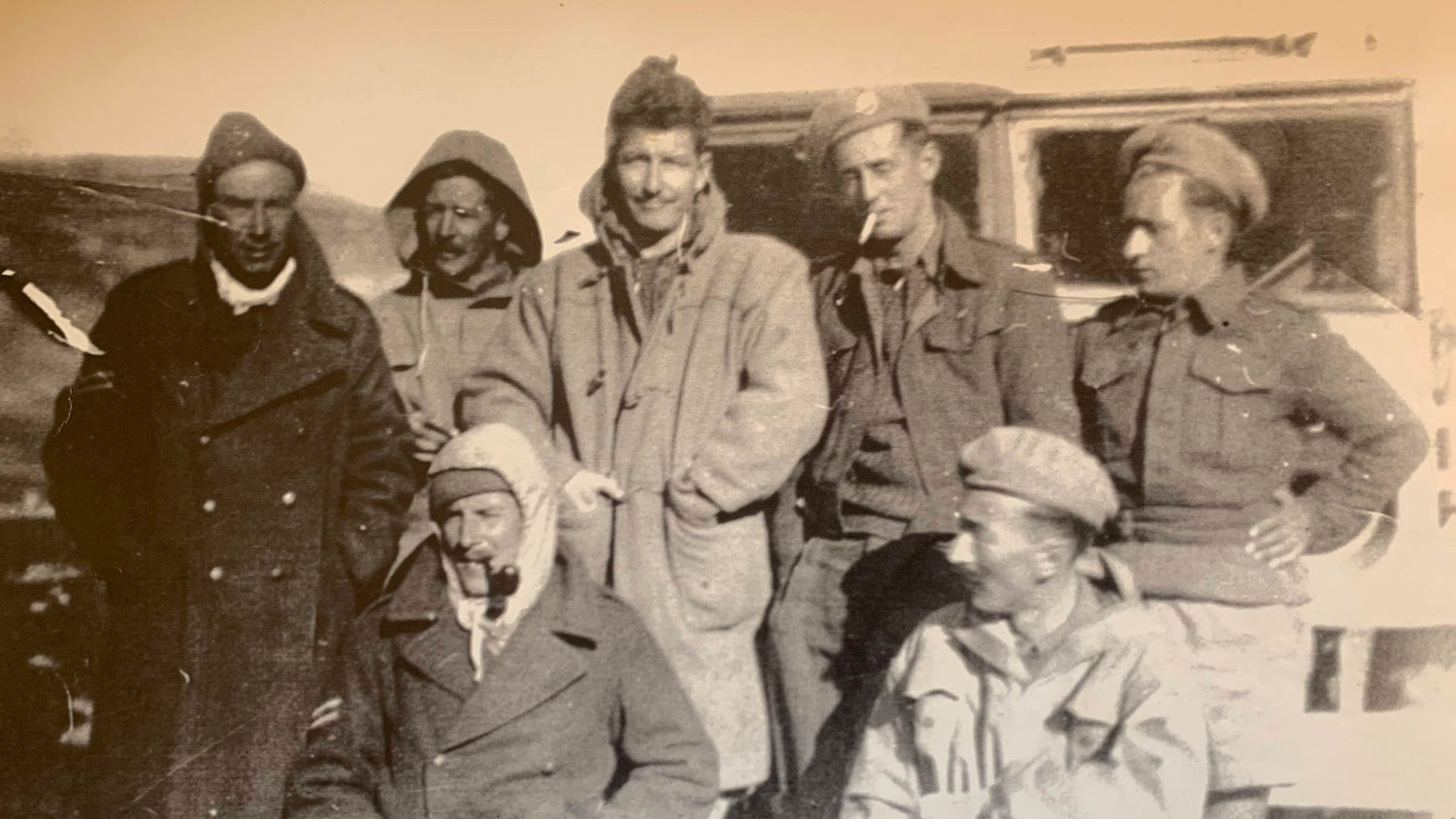
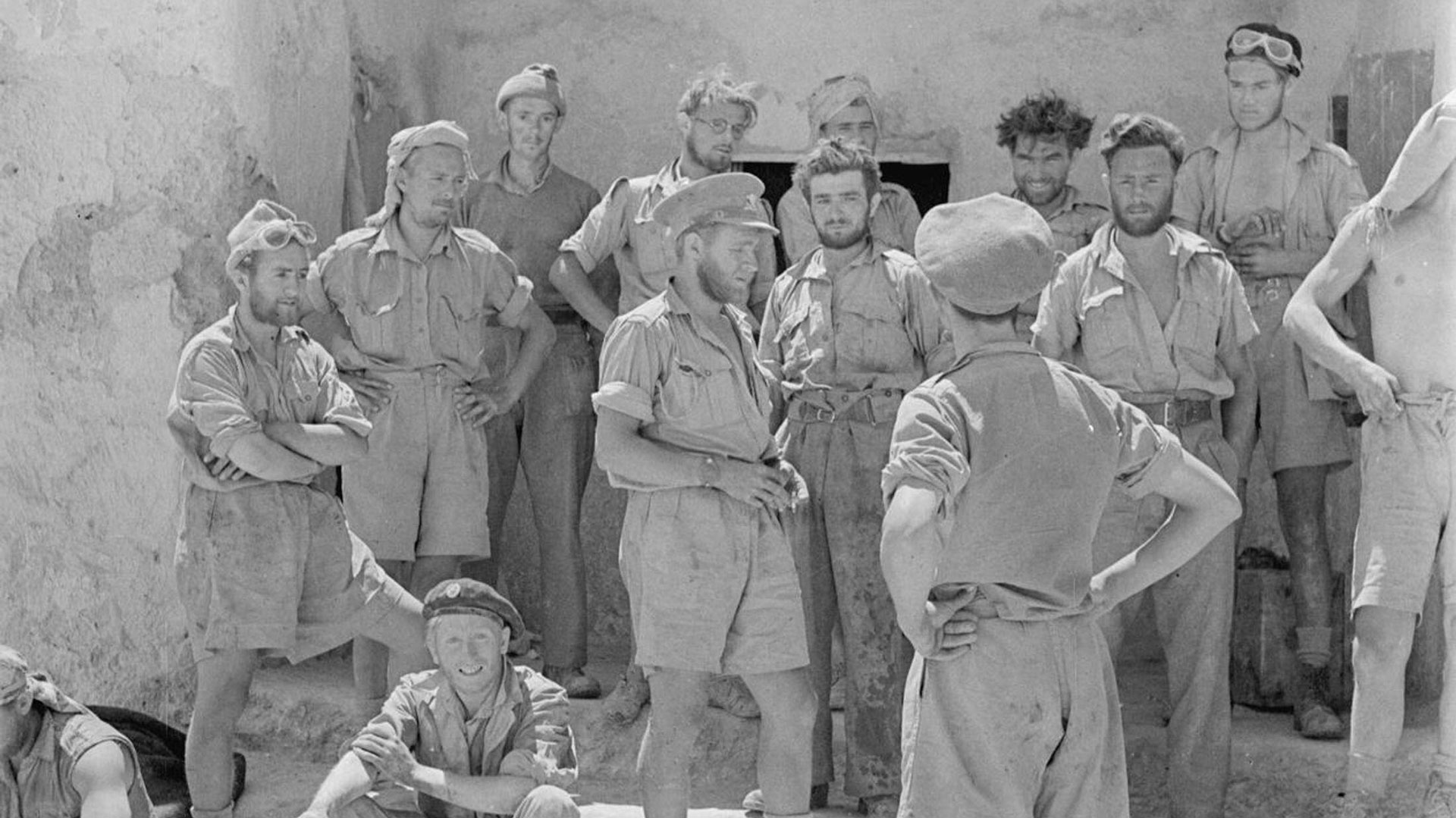
He was an elite soldier with the Long Range Desert Group, undertaking extraordinary missions behind enemy lines for years - and even saving the life of SAS founder David Stirling.
As military historian and author Damien Lewis explained to BFBS Forces News, the missions Capt Gibson undertook and the techniques used were no different to those undertaken by special forces operatives today.
He said: "Everything that the LRDG pioneered in the North African desert is still in use today.
"So much of what was developed then has been perfected and is now in use in all theatres of war."
The only real difference, he says, is advancment in technology.
The author's new book, Behind Enemy Lines, tells Capt Gibson's life story thanks to access given to him by his family to the soldier's personal letters, diaries and unpublished memoirs.
It details small teams operating independently behind enemy lines, initiative over rank, learning on operations, adapting at a minute's notice, black humour and brotherhood at the darkest of times, plus the psychological reality of killing at close quarters.
All things serving and veteran special forces operatives might relate to today.
The desert unit that helped shape the SAS
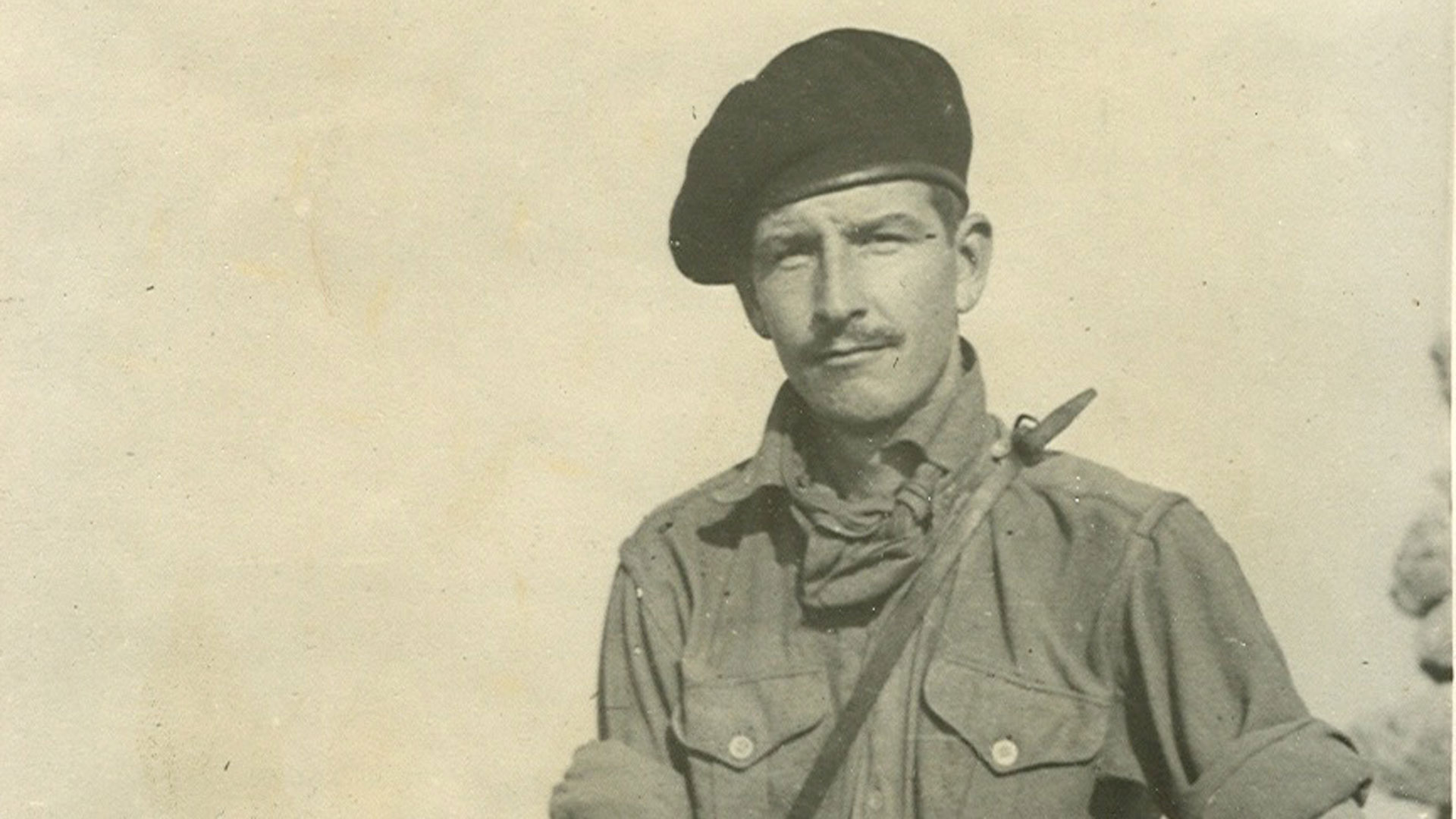
At 16, Archie Gibson lied about his age to join the Scots Guards and three years later found himself posted as a motorcycle dispatch rider to Cairo, Egypt.
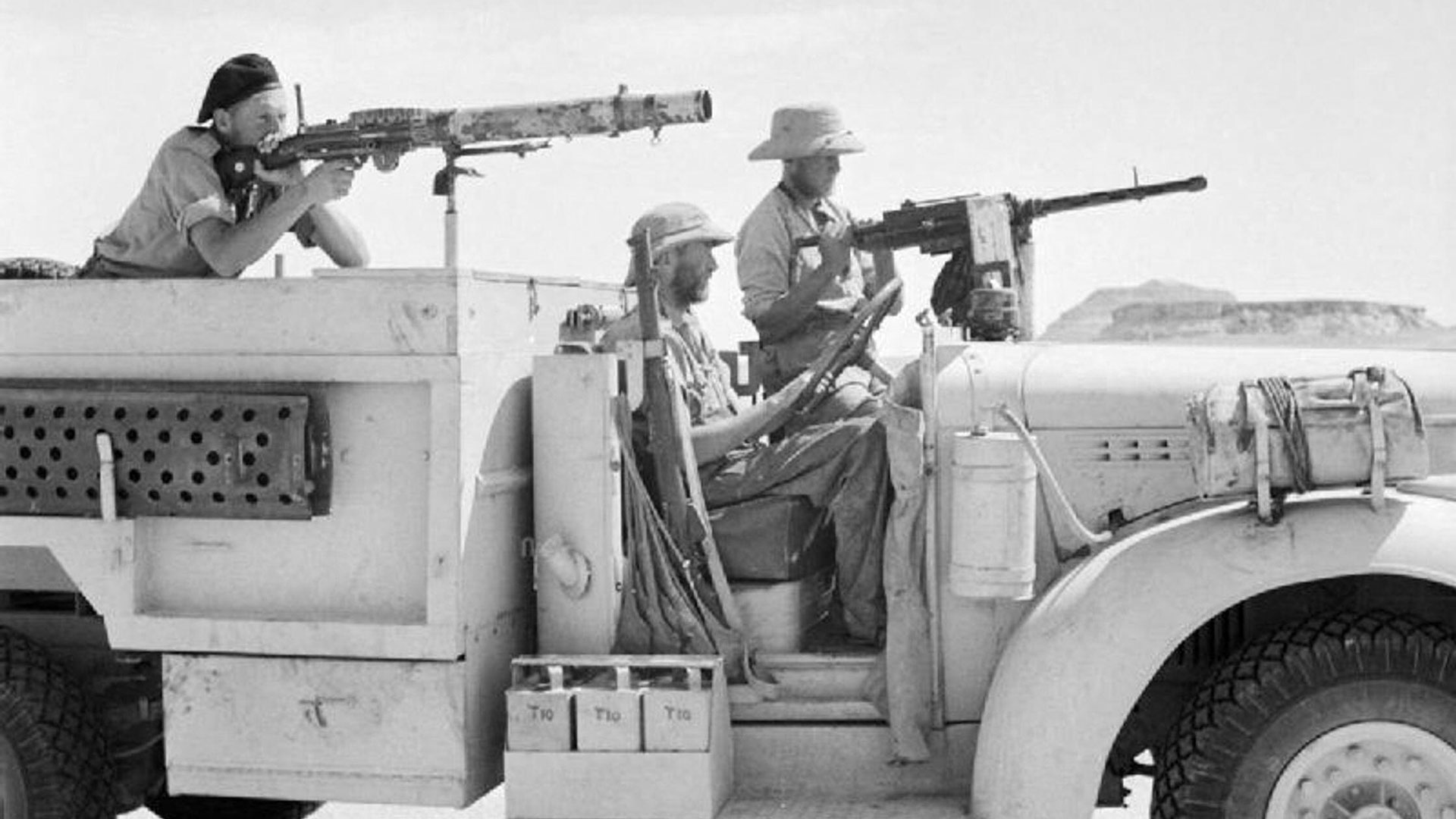
Much to his delight, he joined the forerunner of the SAS – the LRDG – a unit dedicated to long-range desert travel, reconnaissance and intelligence-gathering.
He enlisted at the lowest rank rather than become an officer because he believed he needed to earn the right to command.
Mr Lewis said: "The LRDG really did pioneer this type of soldiering.
"They were chiefly more about intelligence-gathering, but they did a lot of beat 'em up raids, so they really did set the mark in the desert.
"And it was upon that foundation that the SAS built their ability in North Africa and achieved all their successes."
The LRDG supported the early SAS by providing transport and expertise in crossing the desert after the fledgling unit's first combat mission, Operation Squatter, was a devastating failure.
When disobeying orders saves lives
Mr Lewis describes the work of special forces as doing the unthinkable.
If the enemy doesn't expect it, they can't prepare for it.
At one point then-Gdsm Gibson was ordered by Lieutenant Colonel David Stirling to get off the road when they were ambushed outside Buerat in Libya.
But the soldier knew that decision would get them all killed so the quick-thinking driver disobeyed orders and drove straight at the enemy.
For his outstanding gallantry Gdsm Gibson was awarded the Military Medal.
The citation said: "Gibson drove with great determination through the fire and it was largely due to his coolness that no casualties were sustained."
Initiative and gut instinct are the bread and butter of special forces operatives.
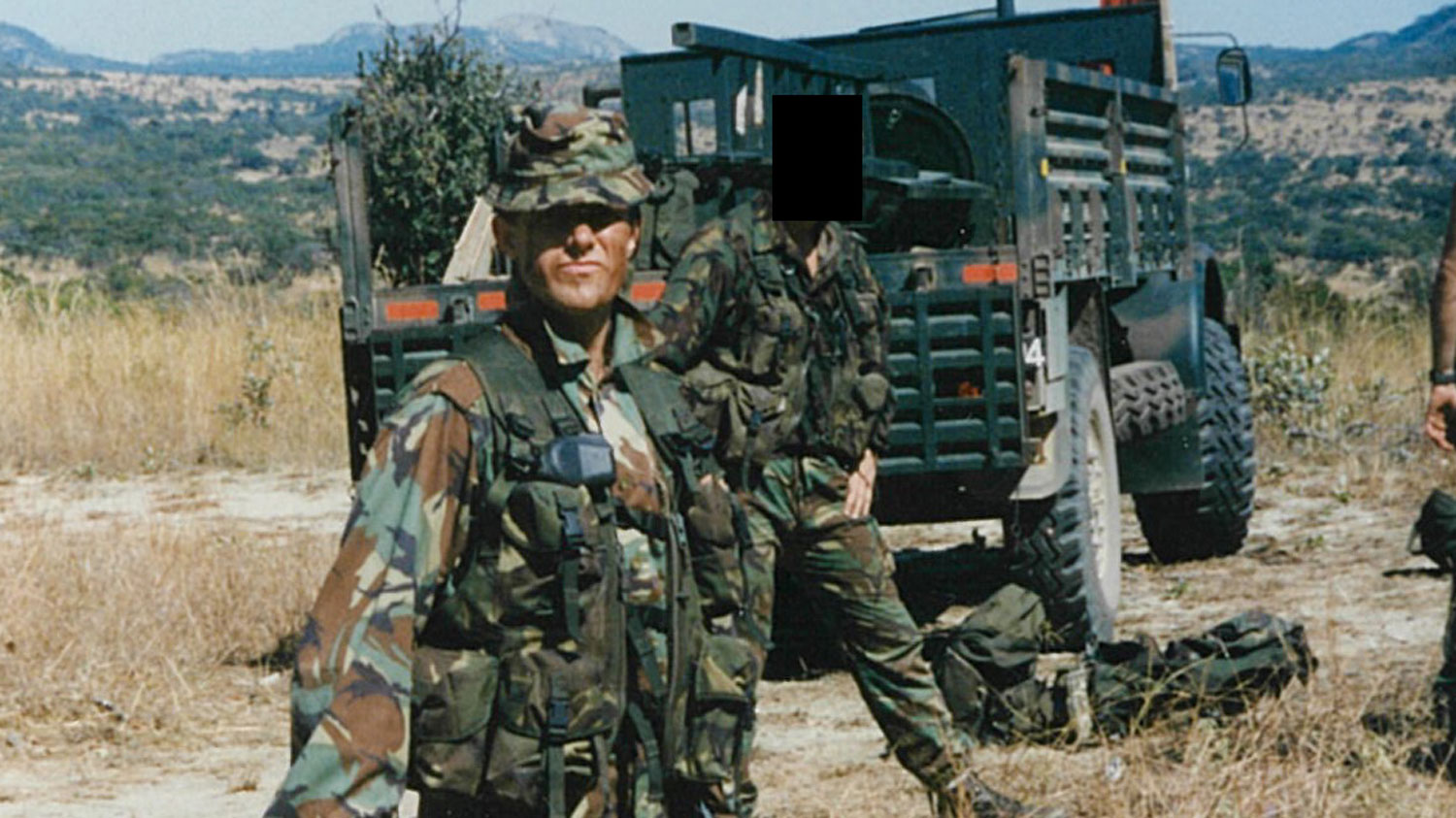
The book SAS: Trial by Fire details SAS veteran-turned-author "Kamikaze Des" Powell's journey from childhood to the Paras and then special forces.
Mr Powell was second in command of legendary Bravo Three Zero patrol during the Gulf War but, when he was a Lance Corporal in 1st Battalion, The Parachute Regiment, he proved himself the perfect candidate for elite special forces when he, just like Capt Gibson, disobeyed a direct order.
In 1980, he was tasked with preventing illegal immigrants (IIs) from entering Kowloon, an area of Hong Kong, but he and his fellow soldiers noticed that enemy forces were killing those they sent back.
Believing those responsible to be the People's Liberation Army, LCpl Powell took decisive action.
He said: "So, I decided (initiative alert) that no way was I sending them back. Returning IIs so that the PLA could beat them to a pulp? Or beat them to death? No way."
The timeless necessity of intelligence-gathering
A lot of the LRDG's early work described in Mr Lewis' book is the "horribly boring and immensely tedious" road watch but it's what special forces were doing in both Iraq wars, as Mr Powell describes in his first book SAS Bravo Three Zero (co-written with Mr Lewis).
Just like the men of the LRDG, they too got comfortable with being uncomfortable while counting vehicles and gathering intel that could prove vital to senior officials.
Eighty plus years later it's the same tradecraft, but thanks to modern radio and satellite communications, that intelligence can be relayed back immediately.
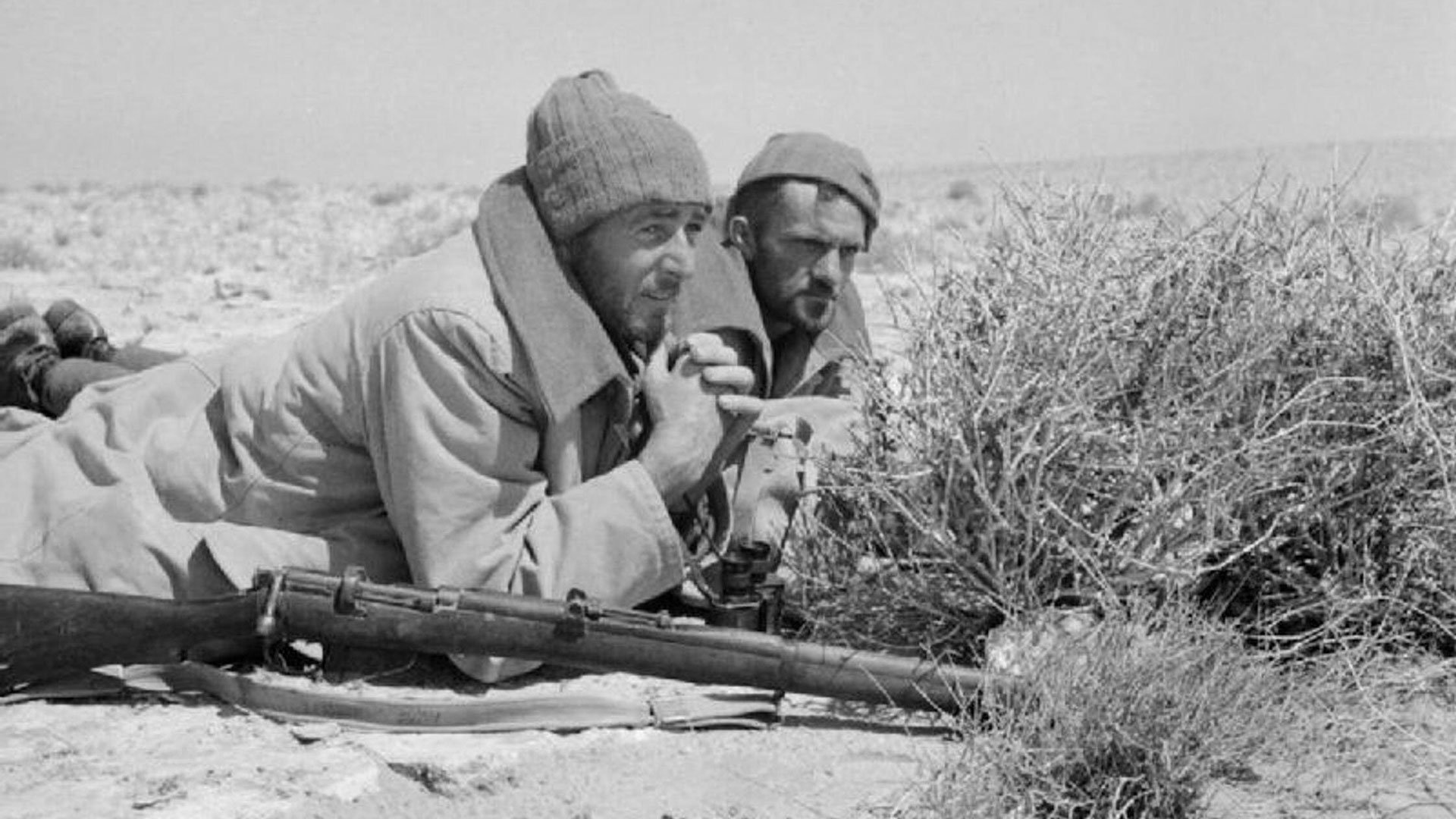
But back in WW2, the LRDG had to rely on radios that weren't designed to cover the distances needed.
Instead, they had to bounce the signal off the ionosphere, where the Earth's atmosphere meets space - no mean feat, but not impossible for men who think outside the box.
From desert sands to Yugoslav mountains
Once their war in North Africa was over, the "Desert Rangers" feared their time was up.
However, a newly appointed Lieutenant Gibson and his men were sent to Yugoslavia instead.
Able to adapt and overcome, the LRDG learned on the job and found themselves in the unfamiliar Yugoslav mountains, in need of air support.
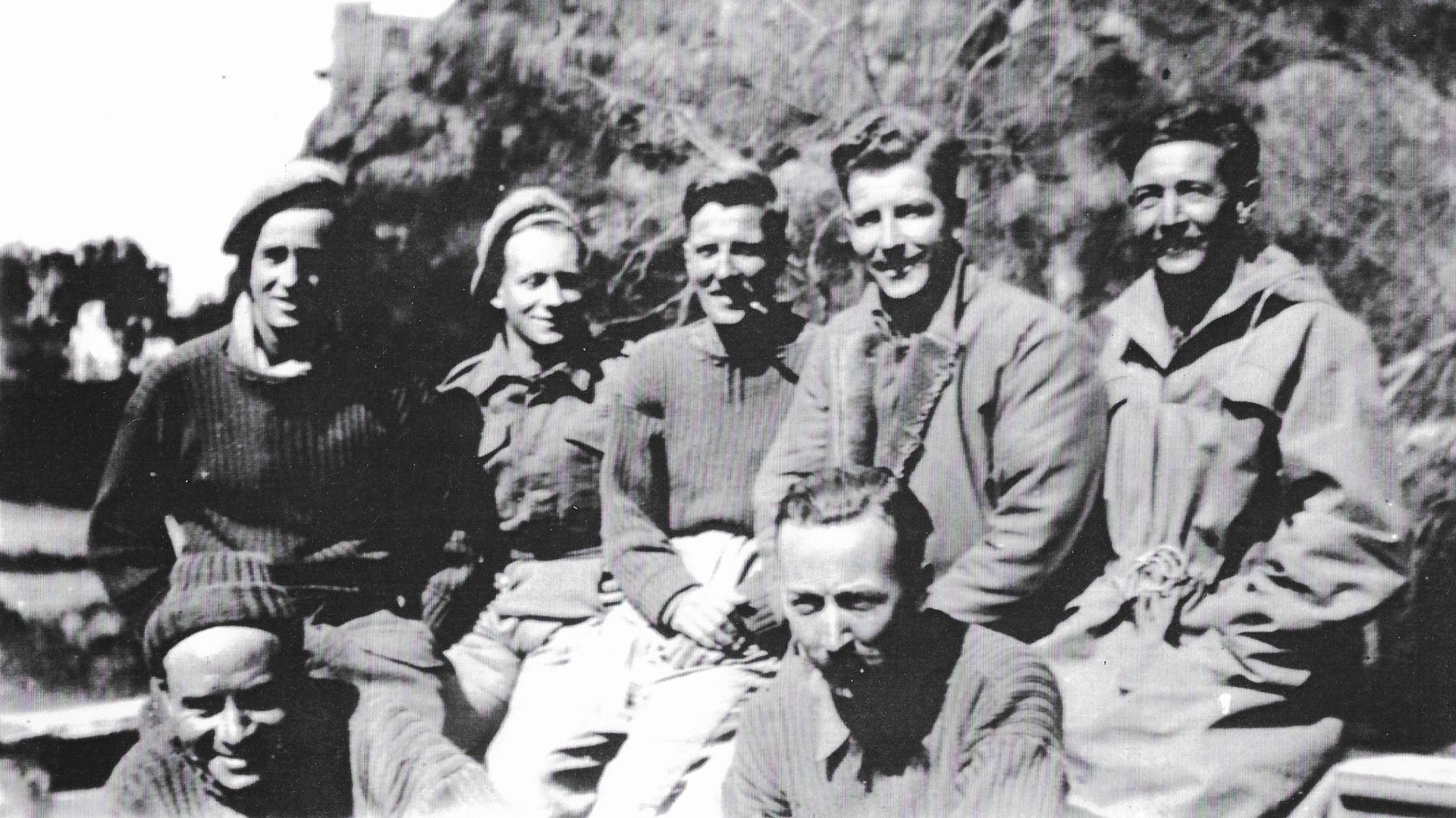
Mr Lewis said: "Very small groups of four, eight, 12-man patrols can be this incredible force multiplier by calling in airstrikes... against the enemy.
"So much of what was developed then has been perfected and is now in use in all theatres of war."
Some might think calling in an airstrike is a modern form of warfare, whereas the LRDG was among the first to make the most of this.
But while modern technology can improve a team's capabilities, it cannot create trust in the people beside you.
The bond technology can't replace
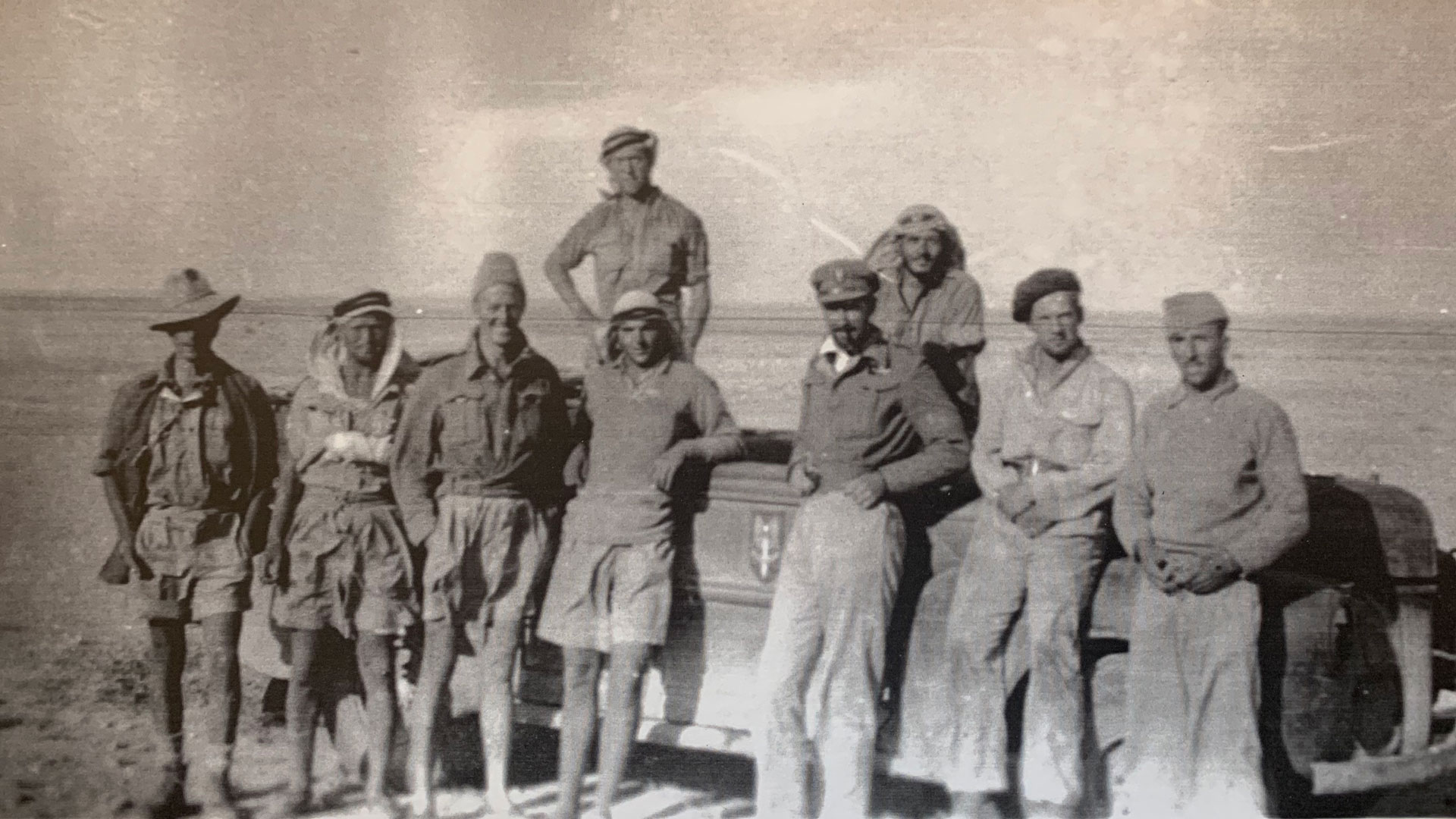
While not part of the LRDG, the legendary Lieutenant Colonel Paddy Mayne was an archetypal SAS commander, an icon of the unit, respected for leading from the front rather than relying on rank alone.
Special forces units rely on close bonds between the men to command small groups operating for long periods in isolation, where formal orders cannot ensure morale or commitment.
Mr Lewis said: "[Lt Col Mayne] epitomised that concept of transformational command, where you don't lead by dint of your rank, you lead by dint of your willingness to lead from the front and to show the way and through this kind of almost fraternal love."
And by the time then-Lt Gibson was in charge of his own men, he had proven himself to be worthy of their respect and loyalty.
But it was his rebellious streak that served Capt Gibson well during his time with the LRDG.
One night he and fellow guardsmen Archie Murray and Jack Crossley invented "garry driving'"– the temporary "borrowing" of garrys, horse-drawn taxi-carriages.
That led to stealth taxi jumping from one garry to another until they were caught by a couple of "hulking figures" who, by the end of the night, were missing teeth – the guardsmen knew how to defend themselves.
Four decades later in 1980, LCpl Powell and his mates would ride taxis like a surfboard to travel from one club in Hong Kong to another.
Whether it's behind enemy lines during the Second World War, the 1980 emergency deployment of British Airborne Forces to Hong Kong or wherever special forces are deployed today – it seems shared hardship, humour and a commander who leads by example helps solidify a brotherhood unmatched on civvy street.
The scars that remain after the missions
The cost of special operations does not stop when the mission ends.
For Capt Gibson, years of fighting behind enemy lines left psychological scars that followed him home.
Mr Lewis explains that trauma can be cumulative, stemming not only from witnessing comrades being killed or injured, but also from the violence soldiers inflict themselves.
Gibson's later unpublished memoir offered a frank account of the psychological toll of close combat, including the reality of killing enemies who had little chance to fight back.
At one point in Behind Enemy Lines, Mr Lewis details the moment that, after a five-hour firefight with men of the Ustaša, a Croatian, fascist organisation in Yugoslavia, they began to bury the dead.
He writes: "It proved especially onerous, since 'out of common decency and despite the hatred' the Ustaše's fallen had to be buried as well."
This was a chance to do for others what they couldn't do for their own brothers in arms.
Captain Gibson eventually built a successful civilian life after the war, embracing the peace he had fought to secure.
His experience highlights a lasting challenge for special forces veterans: learning to live with what they have seen and done, long after the mission is over.
You can buy Behind Enemy Lines here.
Related topics
Join Our Newsletter