Laser shotguns vs drones: Support troops find new ways to join the fight
To keep the Army in the fight, support troops must first ensure they can fight to stay alive themselves.
Simulating the modern drone threat to resources, vehicle convoys and, more broadly, their own safety, 101 Operational Sustainment Brigade is hoping to bring its own ingenuity to combat drills.
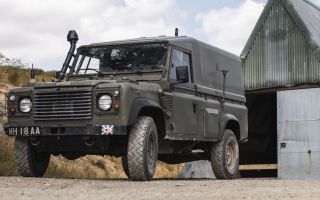
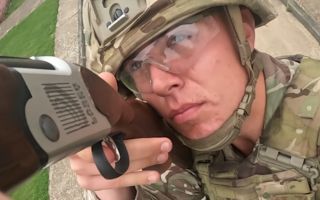
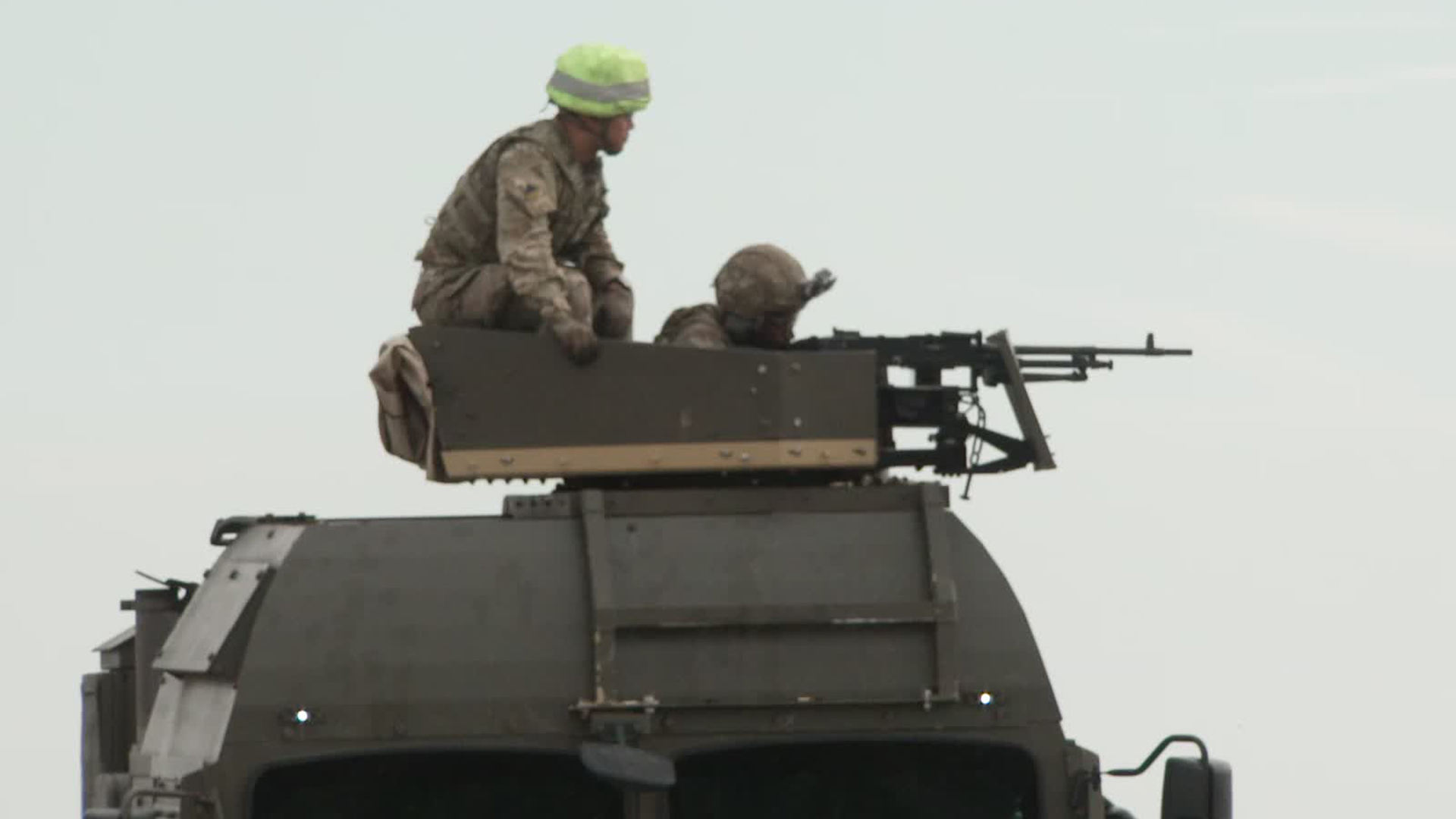
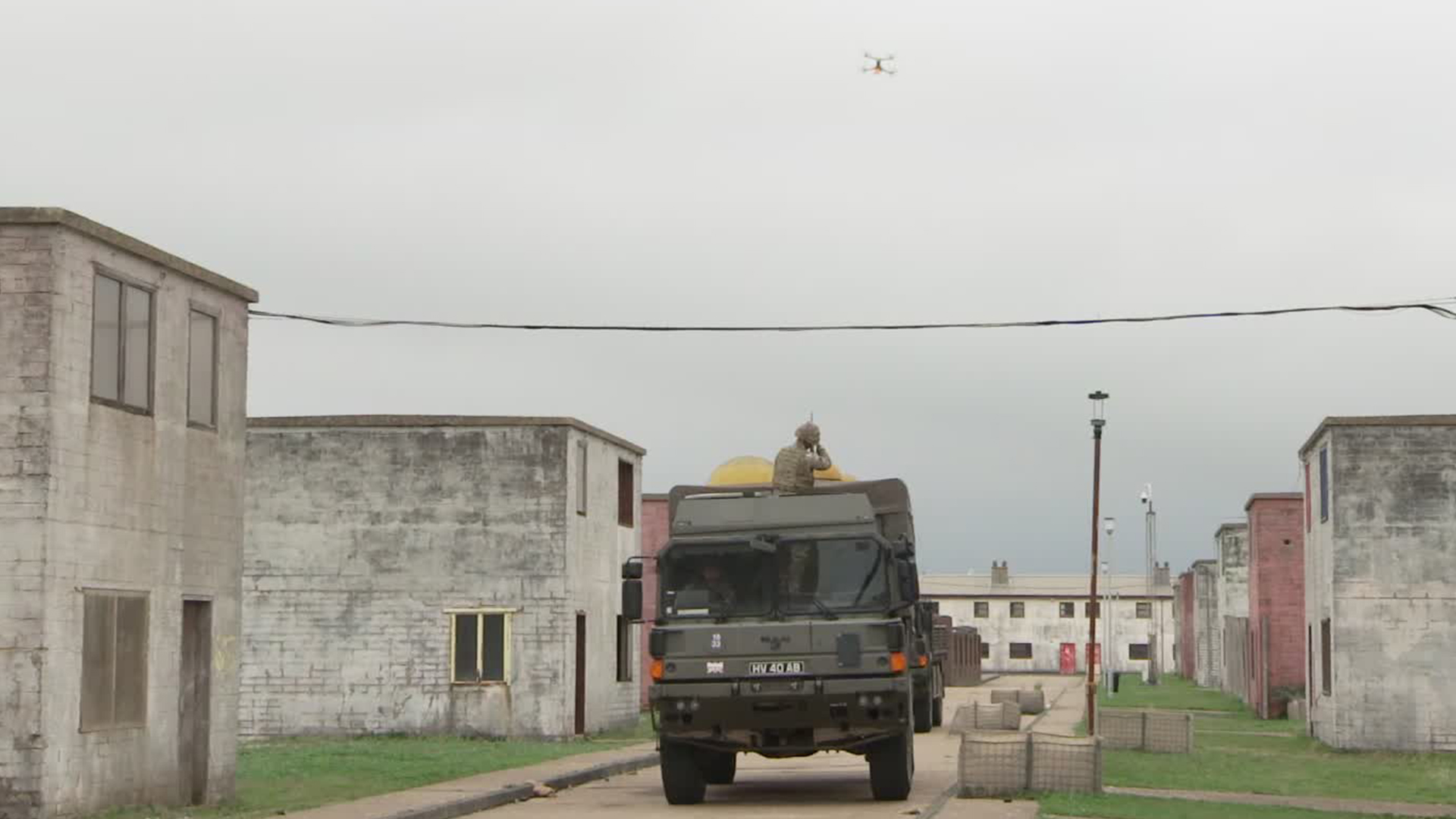
Taking aim with laser shotguns at targets strapped to FPV drones, all from the top of a moving vehicle, the mechanics and medics don't just want to refresh their combat skills – they want to reframe combat training completely.
Heading to Lydd with lasers
The Live Fire Tactical Training Package at Lydd and Hythe ranges rotates personnel through a series of scenarios over four weeks – placing heavy emphasis on shooting moving targets while on the move yourself, with a variety of weapon systems.
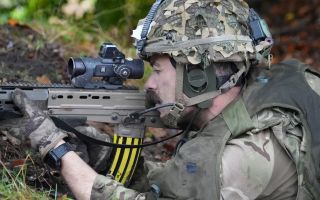
Assault rifles, machine guns and virtual anti-tank weapons formed some of the systems being handled at separate stages, alongside the clay pigeon-esque training in urban environments.
"On a day-to-day basis, compared to what the guys normally do, this is completely different," said Corporal Amy Oliver of 1 Regiment, Royal Logistic Corps.
"Being able to use the laser shotguns is something that a lot of other regiments haven't been able to do, so it's very much a novelty for the regiment."
Junior soldiers more empowered
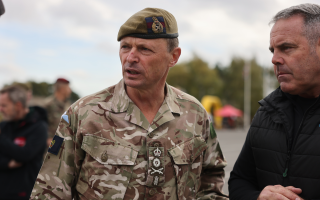
The ability to fight in a modern context was described as "non-negotiable" by Lieutenant Colonel David Harrison, the CO of 1 RLC.
"We're all soldiers, right? Whether you are a vehicle mechanic from the Royal Electrical and Mechanical Engineers, you're a logistician or you're a medic," he explained.
"You have to be able to survive the fight, because if you can't survive, you can't fix vehicles, you can't medicate people, you can't communicate and can't deliver logistic effect."
In order for more dispersed, harder-to-strike convoys to stay in the fight, and in turn keep the wider force fighting, leadership duties are now shared to lower ranked personnel, explained Lt Col Harrison.
"Look back to yesteryear, we probably operated in larger units. We would operate in Afghanistan in combat logistic patrols that were commanded by majors at times.
"I now, as a commanding officer, need my lance corporals, my junior commanders, to be more empowered than they have ever been before.
"I need them to be better trained than they have ever been, because I'm going to ask – and the modern battlefield asks – more of our junior commanders than it has ever done before."
Protecting the underbelly
Lt Col Harrison pointed to one major threat facing soldiers in combat service support roles.
"It is drones. It is small units of determined boys and girls who are seeking to attack what traditionally has been perhaps the weak underbelly of the sustainment and enabling community," he said.
"If you are driving in a vehicle convoy of three, how do you defend yourself?
"Because what we can't do is expect and rely on other people to do that for us."
Join Our Newsletter