The tank is not dead – and Ukraine is showing the British Army how to win the next war
The death of the tank has been predicted ever since the Battle of Cambrai in 1917.
But since Russia's full-scale invasion of Ukraine in 2022, the obituary writers have been working overtime.
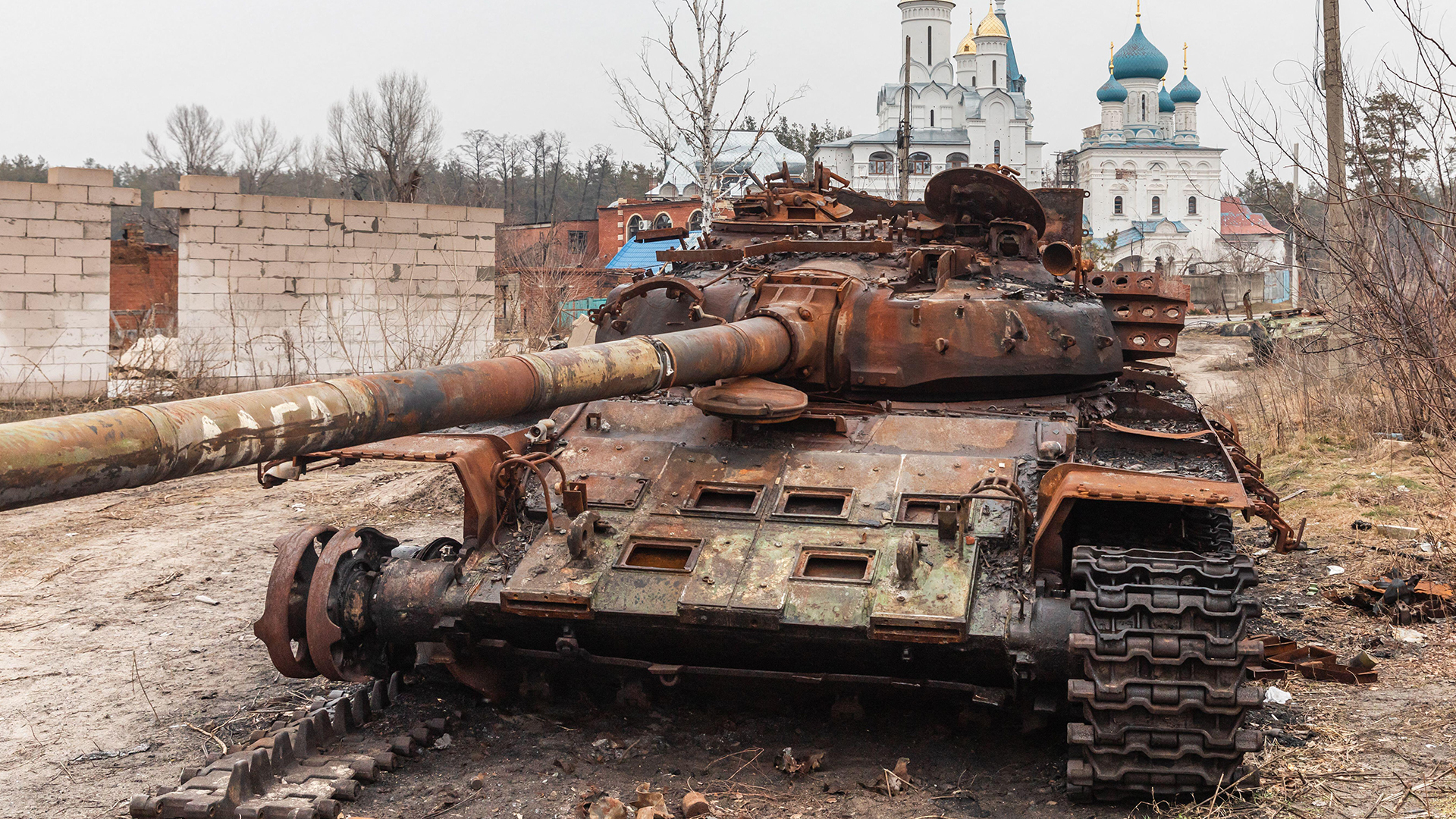
Thousands of Russian tanks have been destroyed by determined teams armed with relatively cheap anti-tank weapons, followed by FPV drones operated by a new generation of digital warriors who can destroy armour from miles away.
Fire – and manoeuvre
Yet those of us with tank oil under our fingernails have never doubted the enduring requirement for firepower, mobility and protection on the battlefield.
Without all three, an army cannot manoeuvre. And without manoeuvre, it cannot win decisively.
From the days of the first tanks to the deserts of the First Gulf War, I have seen how the ability to concentrate firepower, break through enemy positions and exploit a gap can transform a battle.
The challenge in Ukraine is not that these principles have become obsolete. It is that technology has changed how they must be applied.
A recent Ukrainian operation in the northeastern Kharkiv region offers a compelling glimpse of the future and a timely lesson for the British Army as it prepares to introduce Challenger 3.
At Vilkhuvatka, in the Kupiansk district, a tank [presumed to be a T-72 or T-80] and a Bradley from Ukraine's 475th Assault Regiment, Code 9.2, attacked a Russian-held position in a coordinated operation supported by drones.
Russian forces attempted to stop the armoured vehicles with repeated attacks from strike drones.
They failed.
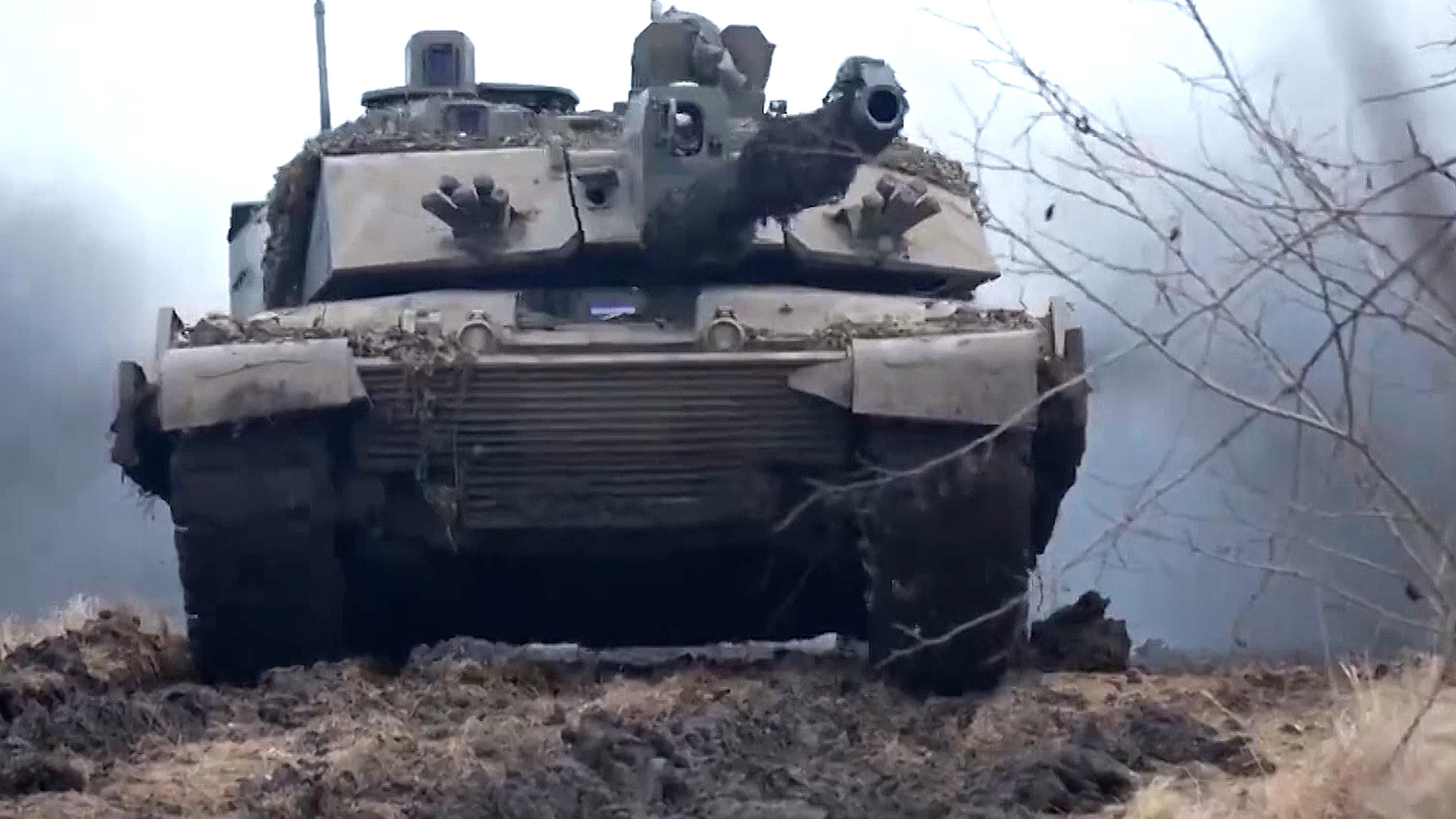
The Ukrainian armour had been fitted with additional protection against FPV drones.
And despite the extra armour and protective screens, they retained the speed and manoeuvrability needed to close with the enemy, engage their target and withdraw.
They came under several drone attacks on the way out, but returned to their positions undamaged. This was not simply a demonstration of the tank's ability to survive. It was a demonstration of how armour must fight in the modern drone-infested battlefield.
The Ukrainian crews used their main guns to engage Russian infantry positions, while their own unmanned systems accompanied and supported the attack.
These included FPV drones, reconnaissance UAVs and Vampire bomber drones. The vehicles did not operate in isolation - they formed part of an integrated team of manned and unmanned systems, each contributing to the mission.
Most importantly, the two vehicles employed classic fire-and-manoeuvre tactics.
One element provides the firepower to suppress the enemy, while the other moves to gain an advantage, with the roles coordinated as the attack develops.
The objective is not simply to destroy the enemy from a distance, but to close with him, disrupt his position and withdraw before he can bring effective fire to bear.
This is combined-arms warfare for 2026 and beyond.
The crucial distinction is that the Ukrainians appear to have combined suitable protection with trained crews, tactical discipline and supporting drones.
Combined arms – used wisely
Extra armour alone will not save a tank from every drone attack. Nor will sophisticated technology compensate for poor leadership or inexperienced soldiers.
The advantage comes from bringing these capabilities together and using them intelligently.
That is where Russia has repeatedly struggled.
Its early armoured thrusts into Ukraine exposed the consequences of inadequate combined arms tactics, poor coordination and vulnerable logistics.
An army that sends tanks forward without effective infantry support, reconnaissance, electronic warfare and air defence presents its enemy with a series of targets rather than a coherent fighting force.
The Ukrainians are learning, adapting and finding ways to restore manoeuvre to a battlefield that drones and surveillance have made extraordinarily dangerous. The principles remain familiar, even if their application has changed.
The tank breakthroughs of Cambrai, the armoured breakout from the Normandy beachhead and the sweeping desert manoeuvres of the First Gulf War all depended on mobility, protection, firepower and the ability to exploit an enemy's weakness.
I experienced that last form of warfare at first hand. Ukraine is demonstrating that manoeuvre remains decisive, but it must now be integrated with unmanned systems and protection against them.
The tank must evolve
The British Army is rightly studying Ukraine's drone war, particularly the defensive measures needed to keep vehicles and soldiers alive. But it must not draw the wrong conclusion.
The answer to the drone threat is not to abandon armour or leave tanks parked safely behind the front. That would hand the initiative to an enemy who can exploit static positions and overwhelm infantry with mass.
Instead, we must develop armoured forces that can fight as part of a network – tanks, infantry, drones, electronic warfare, engineers and artillery working together, with the reconnaissance and protection needed to survive long enough to exploit an opening.
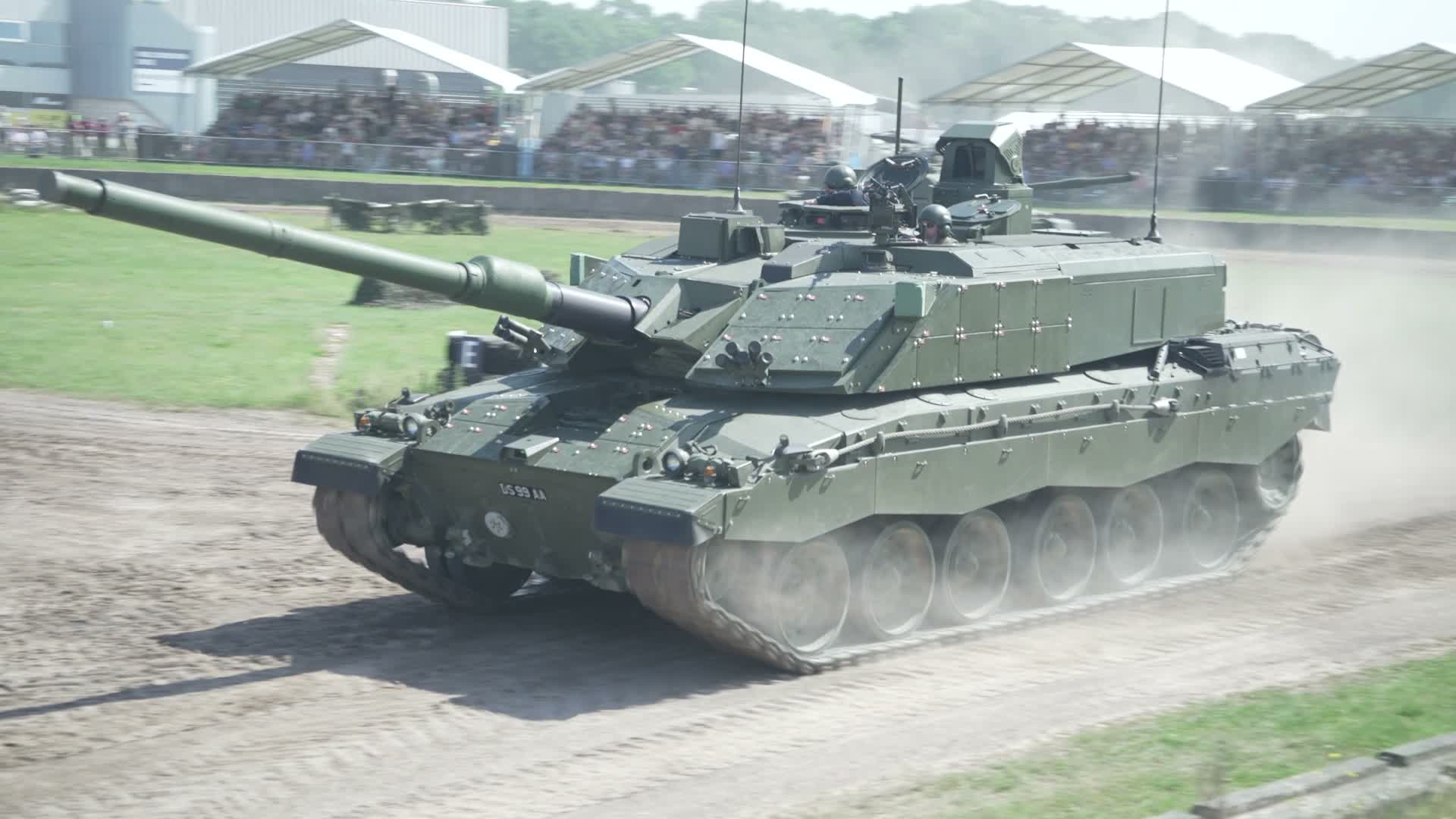
That is especially important as Britain prepares to receive its 148 Challenger 3 main battle tanks.
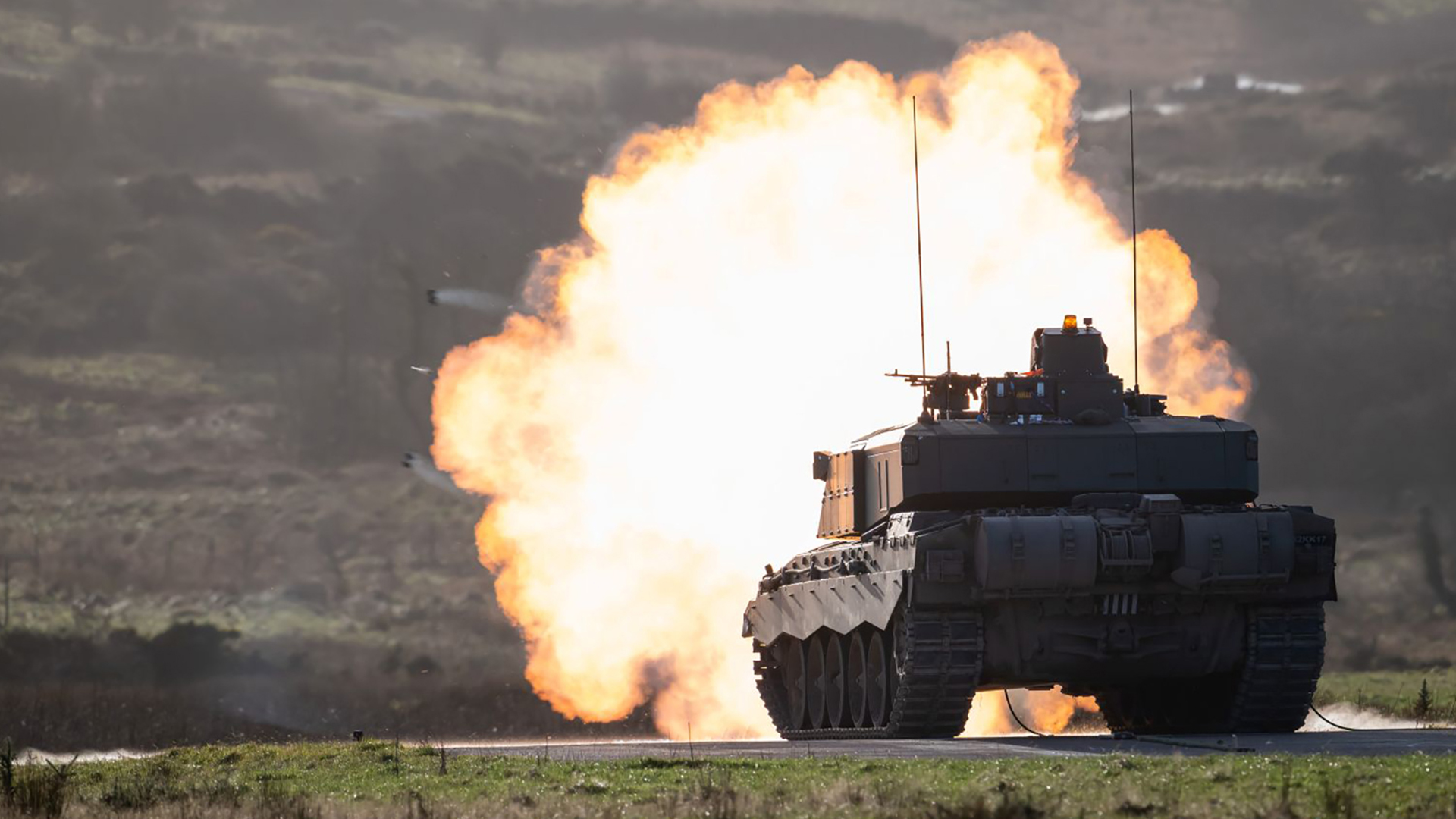
They must be more than powerful gun platforms. They need the protection, communications, tactics and supporting systems to operate in a battlefield saturated with drones, where exposure can be fatal and hesitation can surrender the initiative.
The lesson from Ukraine is not that the tank is dead. It is that the tank must evolve – and so must the army that sends it into battle.
Those 148 Challenger 3s cannot come soon enough. But their true value will depend on whether we equip, train and deploy them for the war that is coming, rather than the war we fought yesterday.
Colonel Hamish de Bretton-Gordon commanded 1st Royal Tank Regiment and his new book Tank Command discusses these issues in detail.
Related topics
Join Our Newsletter