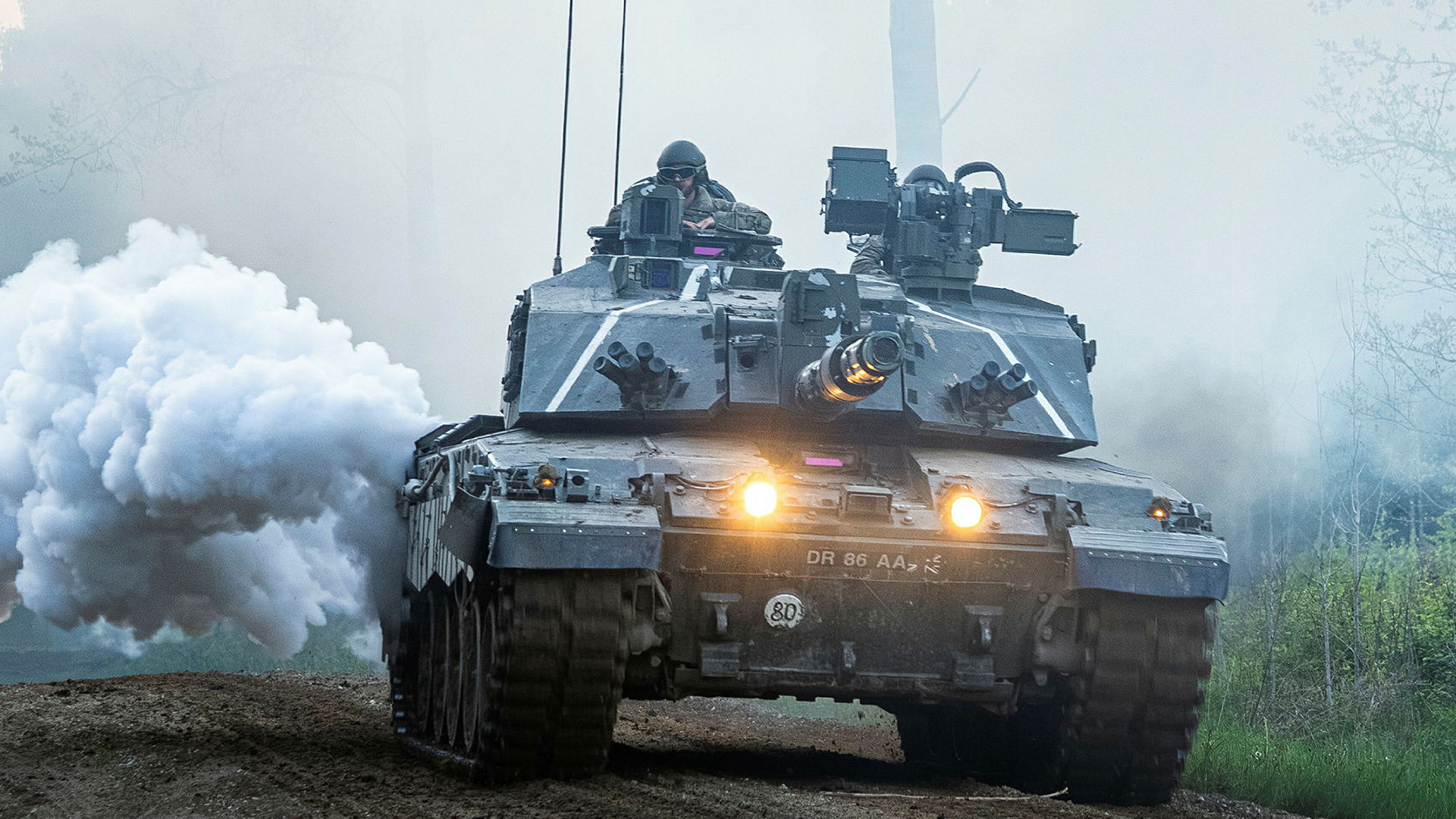
Understanding the British Army's Challenger tanks: It's as easy as 1, 2, 3 – or is it?

Challenger 3, the Army's next-generation main battle tank, is on the way, having been shown off in public for the first time at Bovington in June.
It offers significant advantages over its predecessor, the Challenger 2, which is itself a derivative of the Challenger 1.
So that surely means when Challenger 3 enters service, the British Army will have operated three tanks called Challenger? No, because there's a fourth.
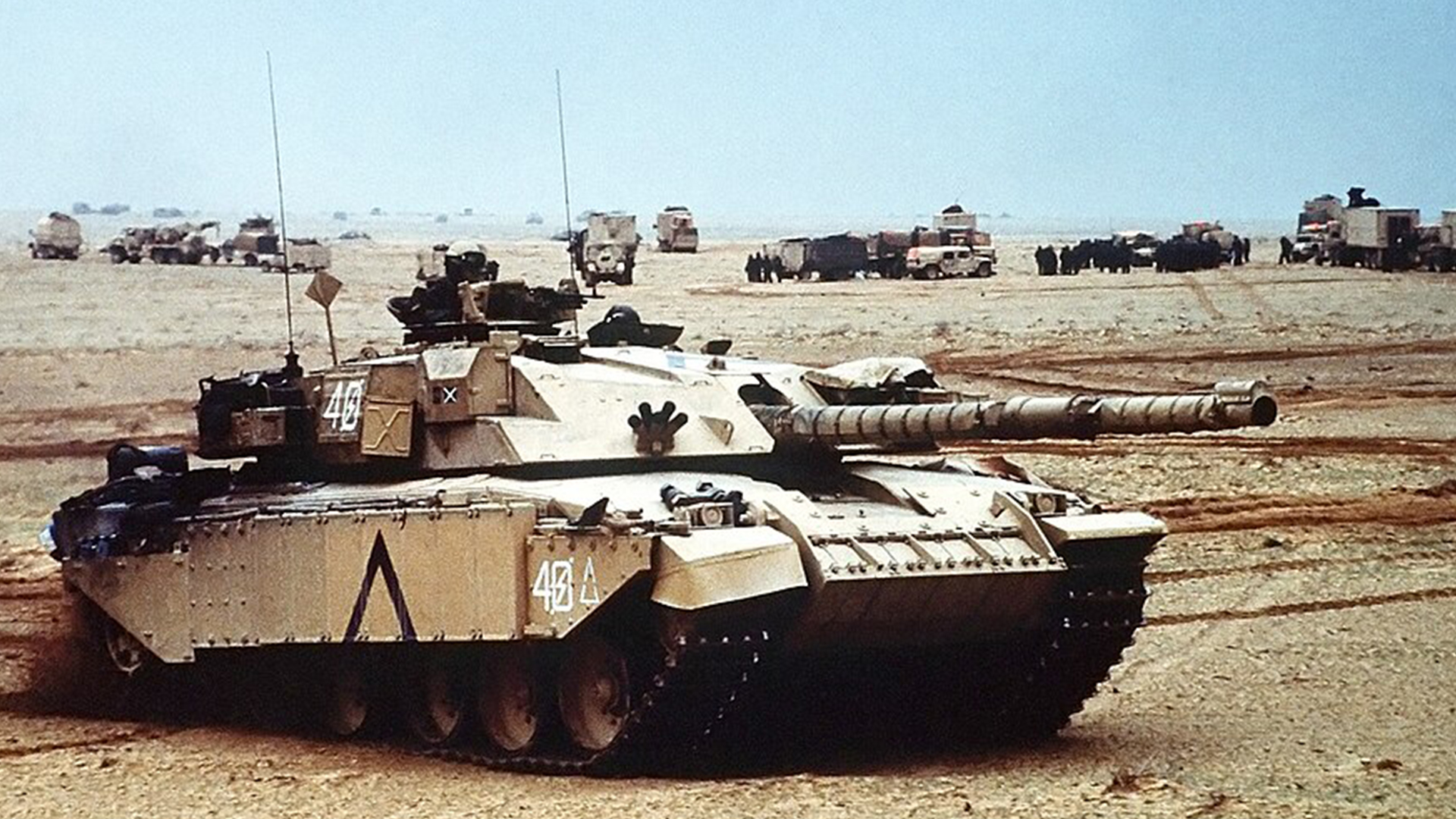
Challenger 1
As good as it turned out to be, the Challenger 1 was the tank the Army didn't particularly want – or at least hadn't asked for.
The vehicle was based on an original order from Iran, the government in Tehran wanting an improved version of another British design it currently operated – the Chieftain – with the Chieftain's proposed replacement being called the Shir 2.
Back home, meanwhile, Britain had been attempting to develop its own successor to the Chieftain under the MBT-80 programme.
After the Iranian Revolution in 1979, the sale of the Shir 2 to Tehran was lost, and the British Government chose to ditch the MBT-80 programme and take on the Shir 2.
This new tank, having been adapted for British Army use, was renamed the Challenger 1 and entered service in 1983.
I crewed a Chieftain during a Nato exercise in Germany in 1985 when Challenger 1s were still being delivered.
Doctrine at the time was to keep the Chieftains in the vanguard, where these older tanks would most likely be quickly knocked out in any Warsaw Pact assault, preserving the valuable Challenger 1s for the battles to come.
While the Challenger 1 did have a few early issues, they were eventually resolved and by the time of the Gulf War in 1991 it was a vehicle that its crews could rely on.
It was credited with destroying a number of Iraqi tanks at long range.
It also held the longest confirmed tank-on-tank kill of 5,100 metres until a Ukrainian T-64BV reportedly destroyed a Russian tank 10km away – although this was achieved using indirect fire like an artillery piece.
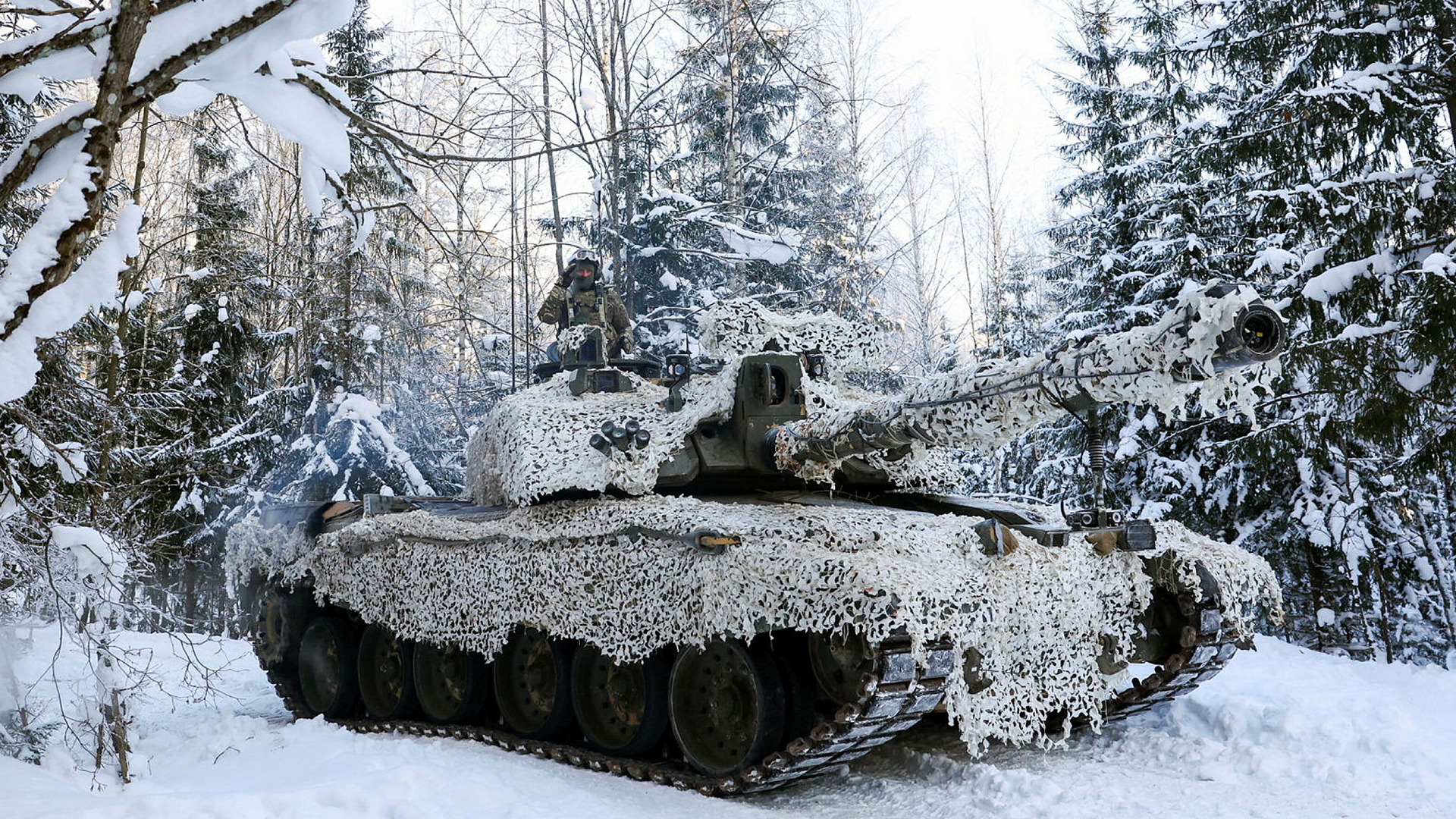
Challenger 2
Rather like the Challenger 1, the Challenger 2 began life as a tank the Army hadn't asked for.
The Challenger 2 was created in 1986 as a private venture by Vickers Defence Systems, which is now Rheinmetall BAE Systems Land (RBSL).
While looking similar, the Challenger 2 was far from being a simple upgrade, instead being a massive redesign of the Challenger 1.
The Ministry of Defence ordered a prototype in December 1988 and liked what it saw, although it would be another 10 years before the type entered service.
A successful engagement largely relies on a crew being able to detect, identify and engage a target before the enemy can respond.
To this end, the Challenger 2 featured a number of key upgrades from the Challenger 1.
These included a fully digital ballistic computer and an independent commander's panoramic sight, allowing for faster target acquisition and a higher first-round hit probability.
It's seen extensive service, operating in Bosnia-Herzegovina with SFOR, in Kosovo as part of KFOR and in Iraq between 2003 and 2009.
The only Challenger 2 to be lost in British service was the result of a friendly fire incident in Iraq, the vehicle being destroyed by another Challenger 2.
Despite that incident, the Challenger 2 gained an excellent reputation for crew protection against incoming enemy fire, including RPGs.
Challenger 2s are currently deployed in Estonia as part of Nato's Enhanced Forward Presence, although they are being withdrawn so they can be upgraded.
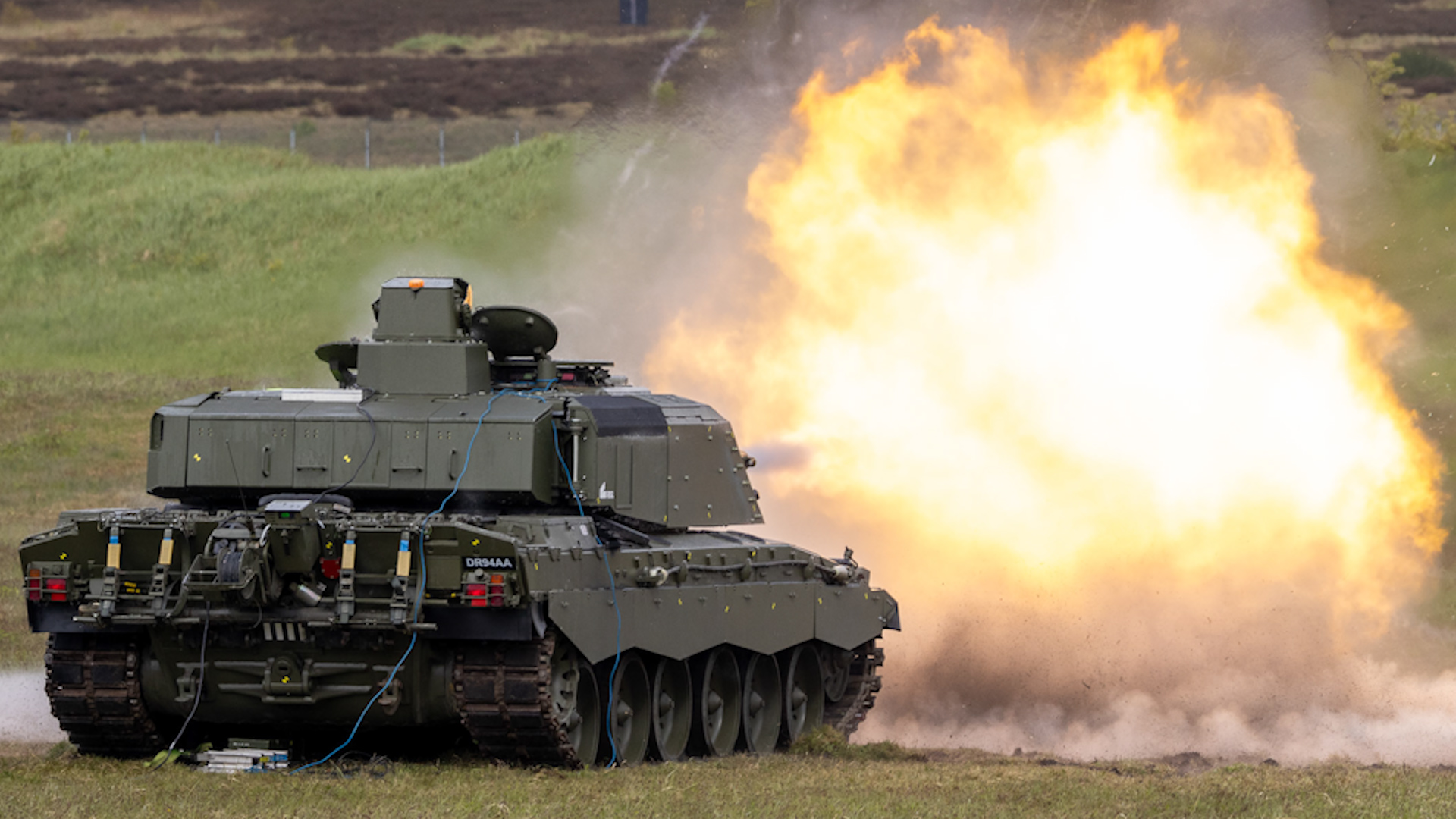
Challenger 3
While the Challenger 2 is a battle-proven design, modern warfare is changing and the Army has to field a vehicle capable of adapting to those changes.
Despite the name, the Challenger 3 is not an entirely new vehicle, instead being an extensive upgrade of the Army's current main battle tank.
One of the key features of the new tank is the main gun.
While the Challenger 1 and 2 had rifled 120mm guns, the Challenger 3's is smoothbore in keeping with other Nato MBTs, meaning it can fire the same ammo, simplifying logistics.
However, in a world of high-tech drones and sensors, the Challenger 3's main attribute is arguably neither its main gun nor its enhanced armour, but its new sights, thermal imaging, fire control and other digitised computer systems.
An initial batch of 148 Challenger 2s is being upgraded to Challenger 3 specification, with more tanks expected to follow.
No official in-service date has been announced, with limited introduction possibly taking place between 2027 and 2030.
First of its name
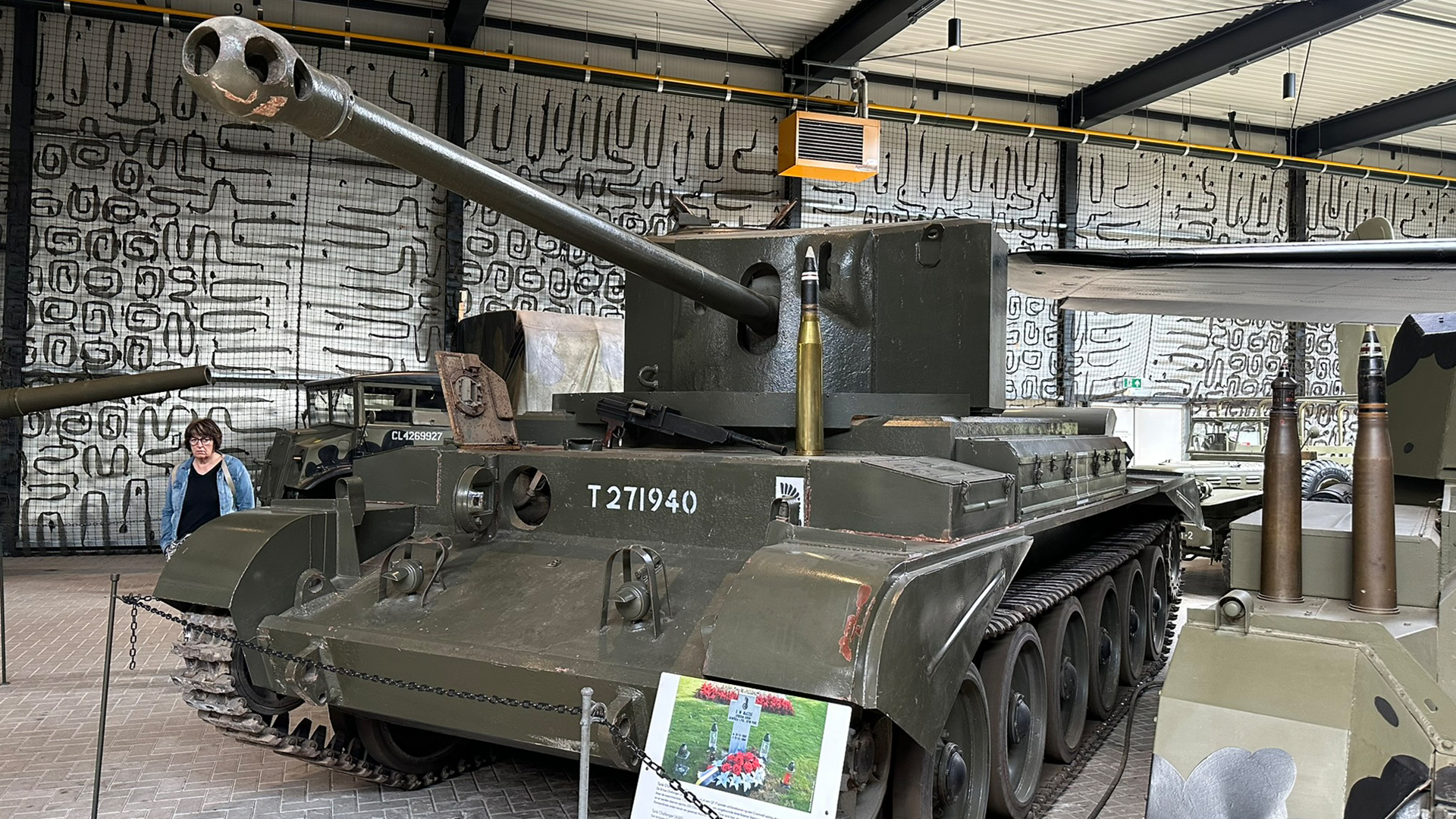
While the Challenger 1, 2 and 3 are well known today, what's less well known is the fact that the Challenger 1 was not the first tank to bear the name.
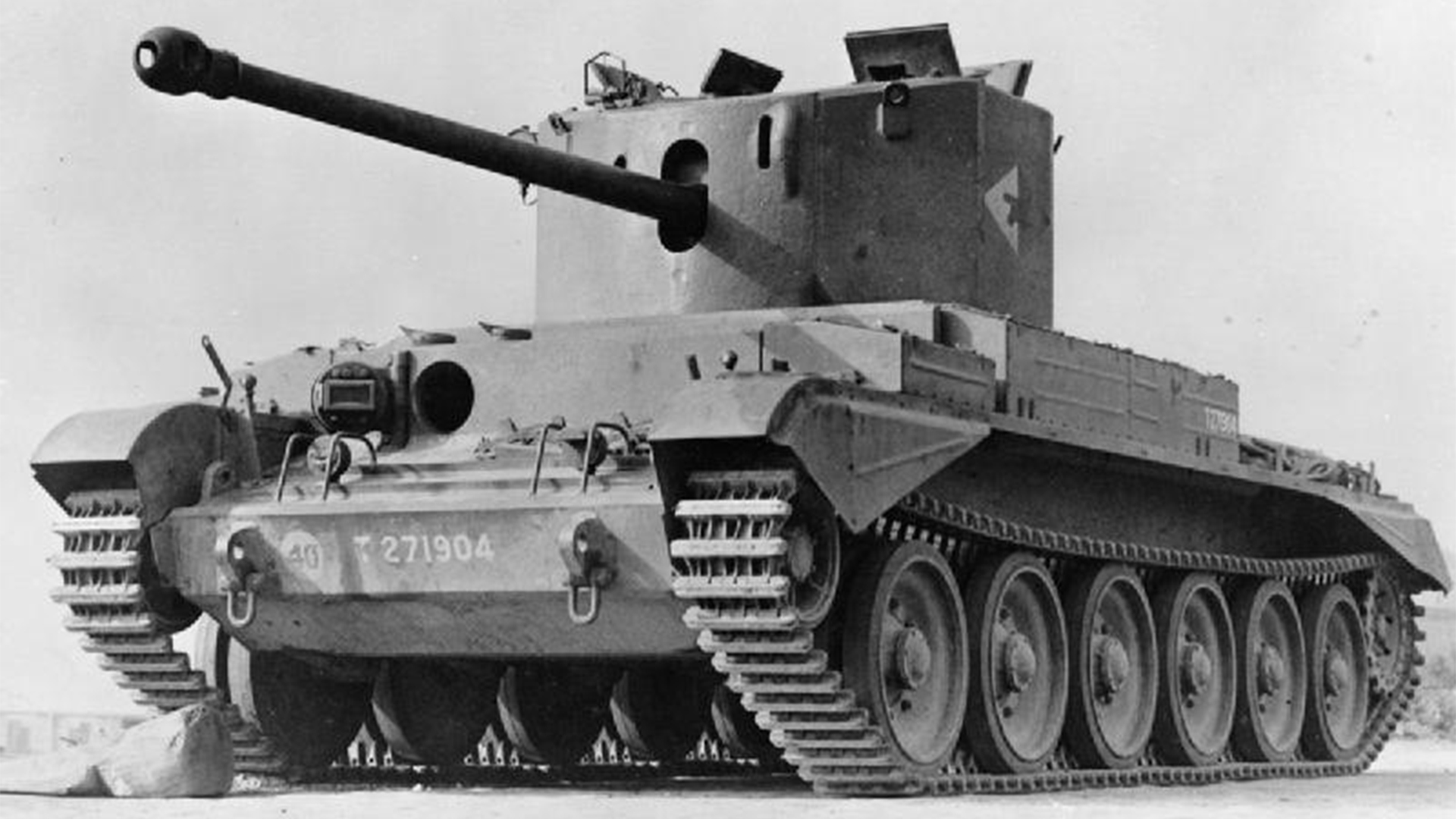
That honour goes to the Cruiser Mk VIII Challenger – a vehicle that first saw operational service in July 1944 following the Normandy Landings.
This tank was based an a chassis derived from the Cromwell – a light, fast cruiser tank.
All tanks try to balance three factors – mobility, protection and firepower – and few manage to maximise all three, compromises usually having to be made.
The Cromwell excelled at mobility, but lacked sufficient firepower, so the idea behind the Challenger was to effectively provide an up-gunned Cromwell.
The Cruiser Mk VIII Challenger therefore carried the mighty QF 17-pounder anti-tank gun, the same used on the Sherman Firefly, and was capable of tackling German armour head-on – something the Cromwell could not.
Challengers were usually deployed in a Cromwell troop in a ratio of one to three. Although heavier than the Cromwell, the Challenger was faster than the Firefly, meaning it could keep up with the other tanks in the troop far better.
It could also depress its gun by 10 degrees compared with the Firefly's five degrees, which was a big advantage in combat over undulating terrain
However, it was still comparatively heavy, had inadequate armour and offered a high silhouette due to the size of the four-man turret.
And because the Sherman Firefly was easier to produce, only 200 Challengers were built.
Despite its shortcomings, the Challenger gave the Army the punch it needed back in the Second World War.
And its successors have kept on punching ever since.
Related topics
Join Our Newsletter