RAF's sub-hunting capability enhanced following P-8 Poseidon deal with Norway

The operational availability of P-8A Poseidon maritime patrol aircraft has received a boost after the Royal Air Force struck a deal with its Norwegian counterpart.
The RAF and the Royal Norwegian Air Force signed an agreement enabling the mutual cross-servicing of the submarine-hunting aircraft.
The deal will enhance operational flexibility, resilience and interoperability between the two nations.
Agile support
It was developed over the past 18 months as the two air forces worked to identify differences in their maintenance practices.
The arrangement allows maintenance personnel from both nations to undertake servicing activities on each other's Poseidon aircraft.
This should improve support options during deployed operations, exercises and periods of heightened operational demand.
The RAF and RNoAF UK and Norway operate the same P-8A Poseidon platform and share a common commitment to maintaining freedom of manoeuvre and security across the North Atlantic and High North regions.
The new agreement will deliver greater integration between the two air forces, enabling more agile support arrangements and increasing operational readiness in support of anti-submarine warfare, maritime surveillance and collective defence missions.
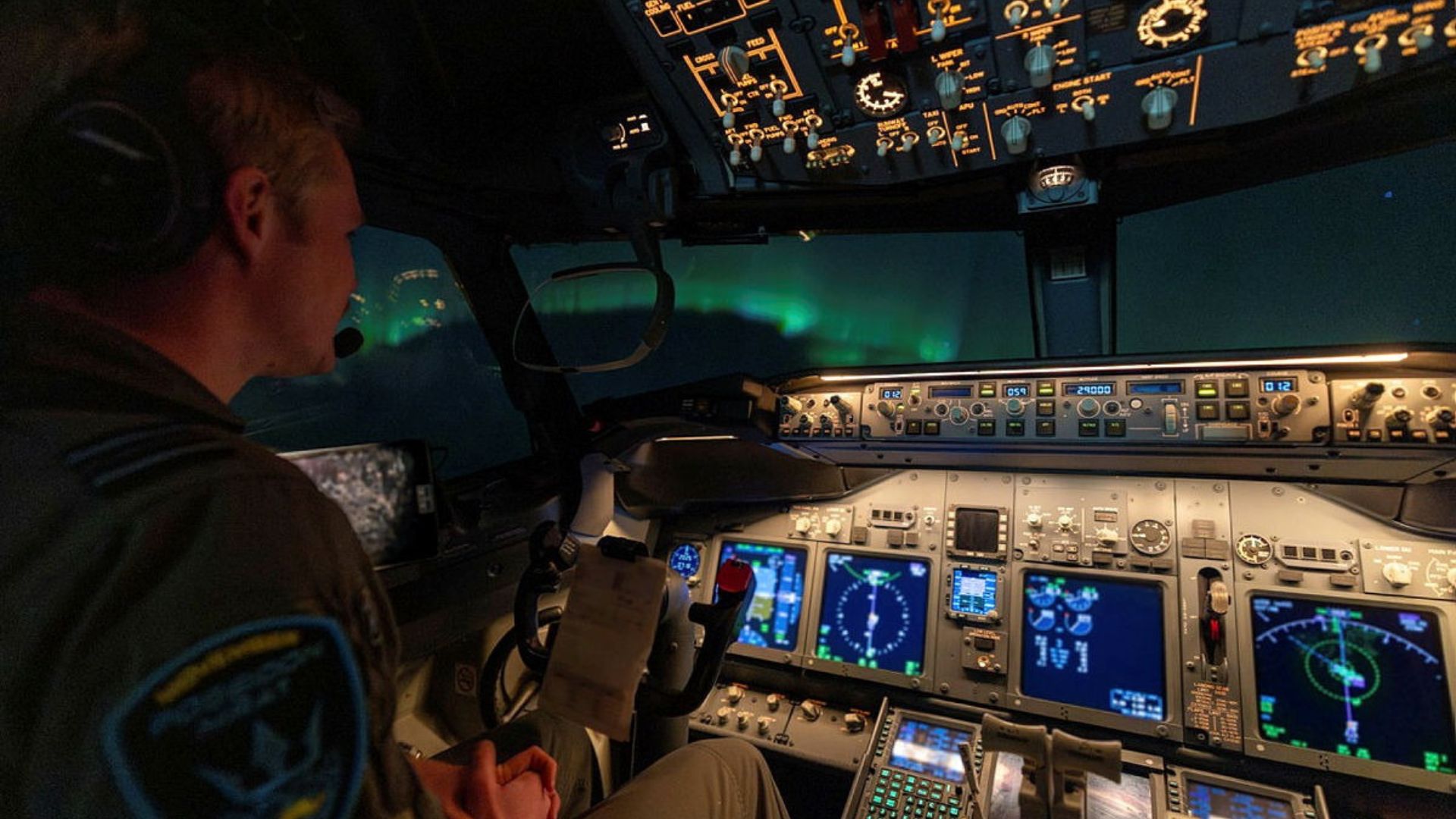
When civilian becomes military
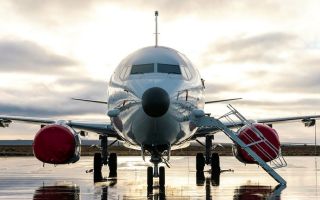
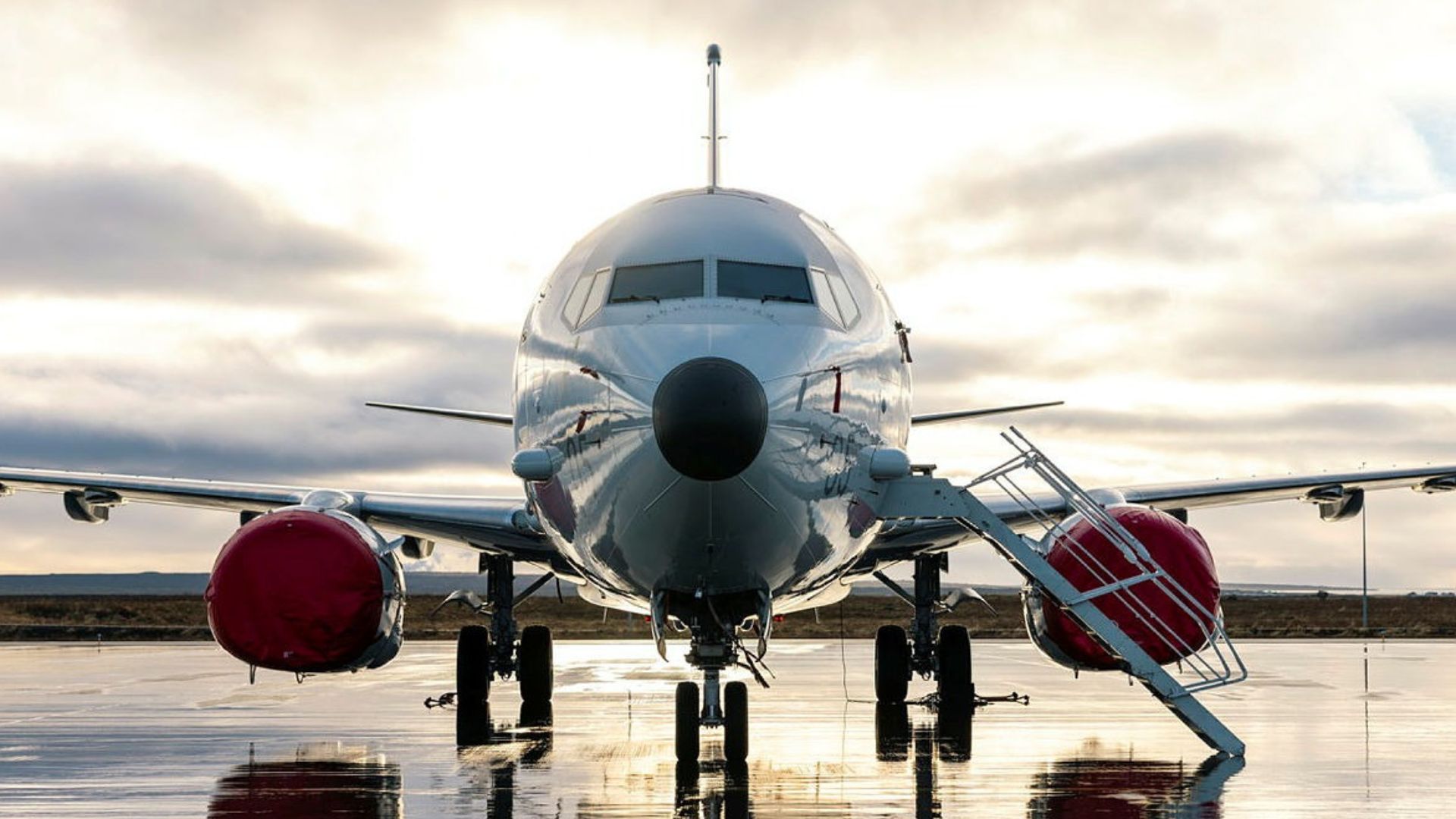
The P-8A Poseidon, which is officially known as the Poseidon MRA1 in RAF service, is a derivative of the civilian Boeing 737 Next Generation airliner.
It was originally built for the US Navy, but is in service with several nations, including Germany and Canada.
The RAF has nine Poseidons, based at RAF Lossiemouth in Moray, while the RNoAF has five.
“This is another tangible step towards the more integrated and agile force that modern warfighting demands," said Group Captain Alex Hunter, No. 1 Group Chief Air Engineer and Group Captain Support.
"Cross-servicing is about much more than engineering cooperation. It gives commanders greater freedom of action by allowing allied forces to operate, recover and regenerate aircraft from a wider range of locations with a smaller support footprint.
"That resilience and flexibility is central to Nato's ability to generate credible air power at the speed and scale required."
Join Our Newsletter