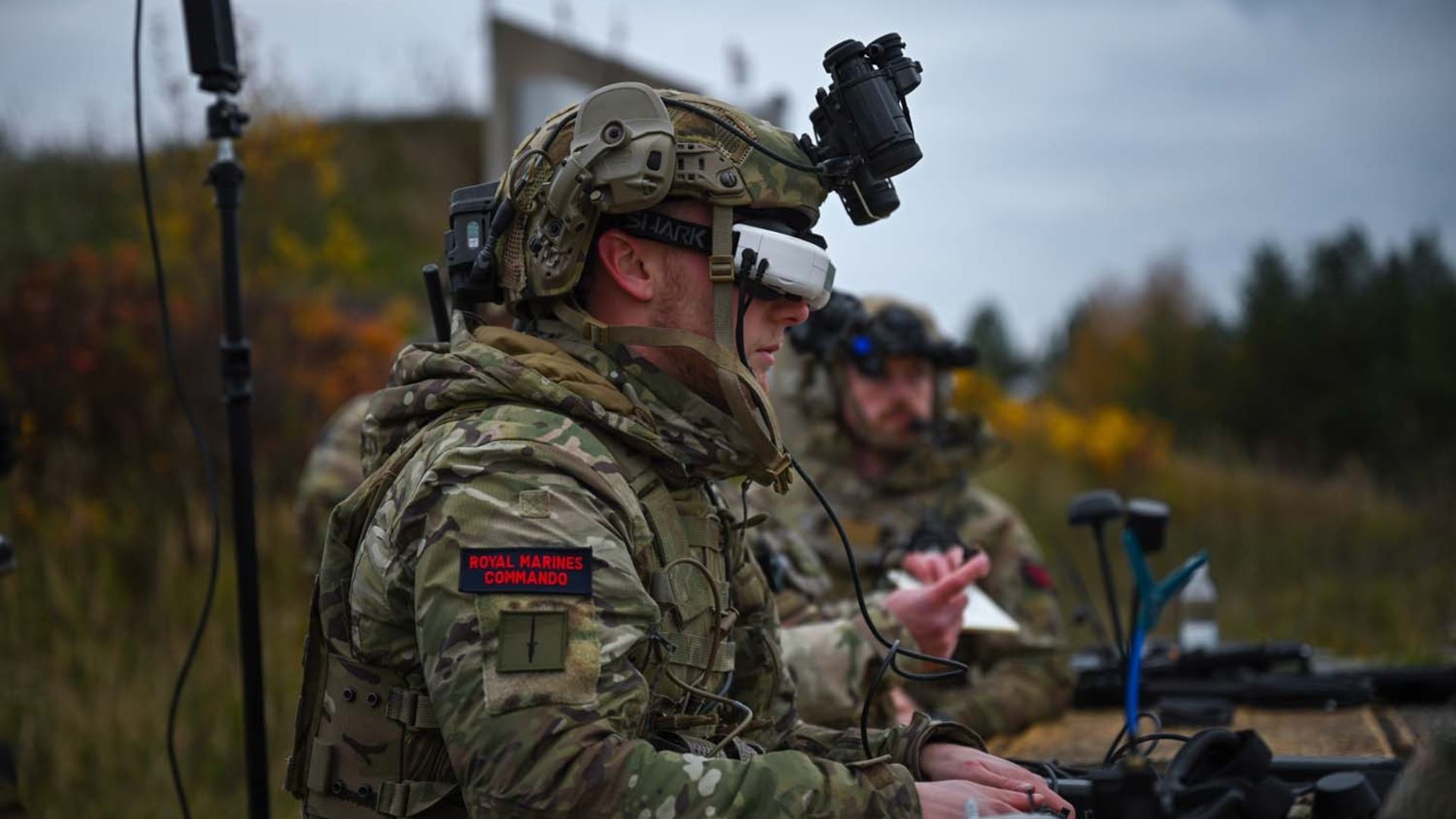
Royal Marines have the winning altitude as they beat rivals at first-ever Drone Crucible

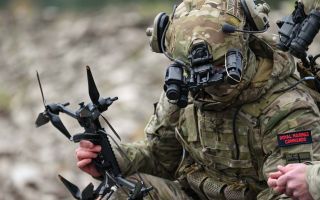
A five-strong team of Royal Marines can claim to be among Nato's best drone operators after defeating their rivals in a first-of-its-kind contest of cutting-edge uncrewed combat.
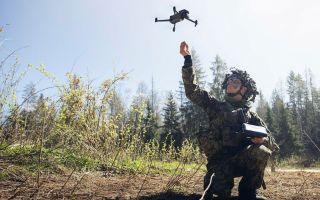
Held in Bavaria, the inaugural Special Operations Forces competition, known as Drone Crucible, tested teams across a range of challenges, including close quarter reconnaissance and drone strikes.
After three days and more than 400 sorties, the Taunton-based 40 Commando team came out on top, beating rivals from the US, Germany, Latvia and Ukraine.
Flying high
The competition began at the picturesque Grafenwöhr Training Area, where teams had to locate a target more than two kilometres away, confirm its identity with a surveillance drone, strike it, and then assess the damage.
The teams were then tasked with clearing buildings, flying their drones into and through two-storey buildings and narrow spaces.
In the final challenge, the teams coordinated strikes, concentrating three drones on one target, in order and in quick succession.
While each challenge had a different winner, the RM team were crowned champions for their strong overall display.
The US National Drone Association, which hosted the competition, later commended the Commandos for their "outstanding performance, professionalism and dedication".
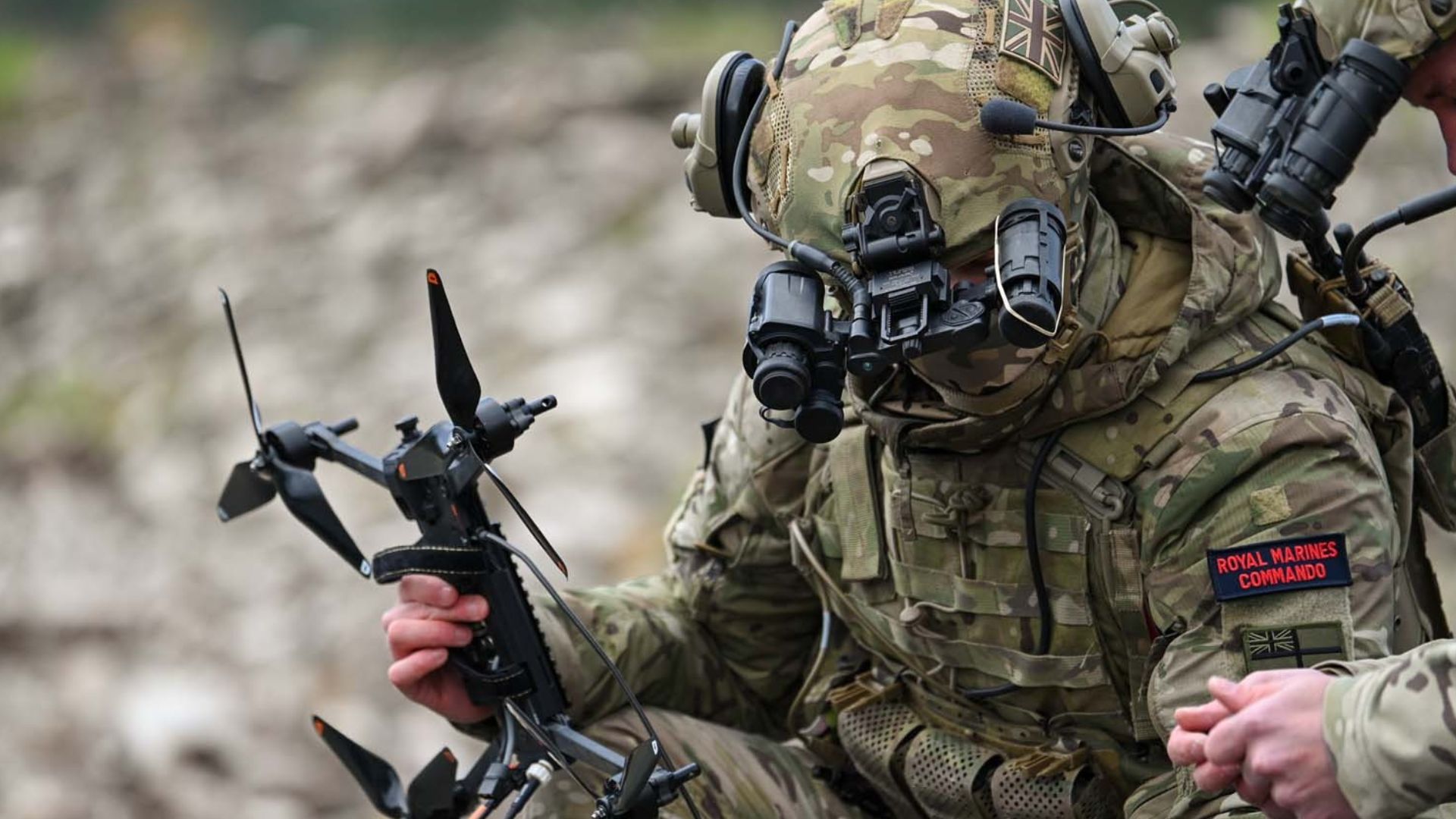
Major William Docherty, Officer in Command of the Information Warfare Company at 40 Commando, said he was most impressed with how quickly the team had adapted.
"With minimal preparation time as a team, marines from different specialisations learned at pace and performed exceptionally well against experienced pilots from the Special Operations community," he said.
“IW Company brings together sensors, communicators and strike options to solve operational problems.
"So when a new capability like FPV [first-person view] strike emerges, our marines are perfectly placed to understand how it can be employed and integrated."
Ultimately, the competition was designed not only to improve allied drone operators' performance, but also to learn and develop new ways to work together.
Related topics
Join Our Newsletter