From vulnerability to resilience: How the UK can close the High North capability gap
The High North is a key battleground – and one in which the UK has fallen behind over the last few years.
A recent report by the Defence Select Committee found a "glaring capability gap" in the region.
It said a lack of ships and submarines could leave the country vulnerable to attack.
New frigates and submarines are in the pipeline alongside new infrastructure to improve the availability, but that won't be ready until the 2030s.
Committee chair Tan Dhesi said: "We are seeing the Russian spy ships and submarines, their increased preponderance, their undertaking of surveying of our data cables, our gas pipes, our critical infrastructure, undersea infrastructure, which is critical to our way of life.
"In addition to that, we need to make sure that we have that deterrence and we have the vessels, because it's important to also protect our nuclear deterrent."
The High North is becoming increasingly important and Russian activity has increased with the region becoming more accessible.
As well as the race for natural resources, a lot of the UK's critical infrastructure such as energy pipelines and undersea cables are becoming increasingly vulnerable.
The activities of the Russian ship the Yantar around UK waters show the risk – and £90m is being spent on drones, sensors and AI systems to protect such infrastructure.
There is also that vital gateway into the Atlantic – the Greenland, Iceland, UK (GIUK) Gap.
Undersea domination
Russian submarines enter the ocean from the High North – if they can patrol unchecked – which gives them a major advantage in being able to dominate undersea warfare.
Dr Marc De Vore of St Andrews University said: "We have to recognise we can't do everything and we have to ruthlessly prioritise.
"Probably all that we can achieve adequately from a military capability is to be essentially the team captain of the Joint Expeditionary Force and the northern navies in the confrontation with Russia up in the High North.
"We don't have slack resources to show the flag in the Mediterranean, Indian Ocean or Pacific at the moment.
"So I'd say number one priority is we have to put our resources where they are the most important."
The UK has begun work to try to improve its capability in the region.
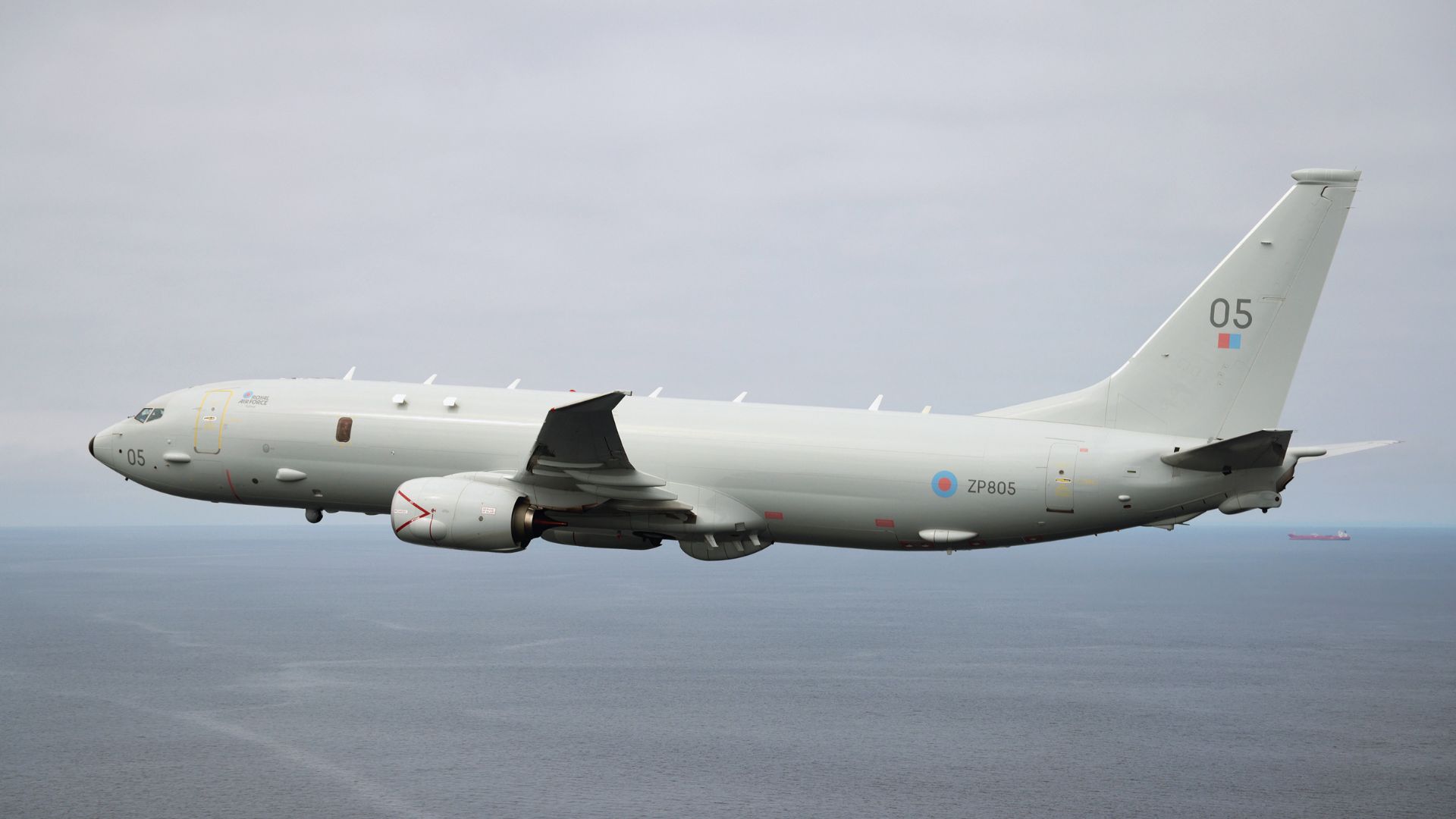
RAF Lossiemouth's fleet of Poseidon maritime patrol aircraft do offer the ability to track Russian subs to the north of the country.
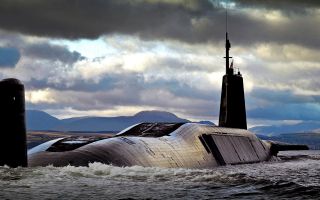
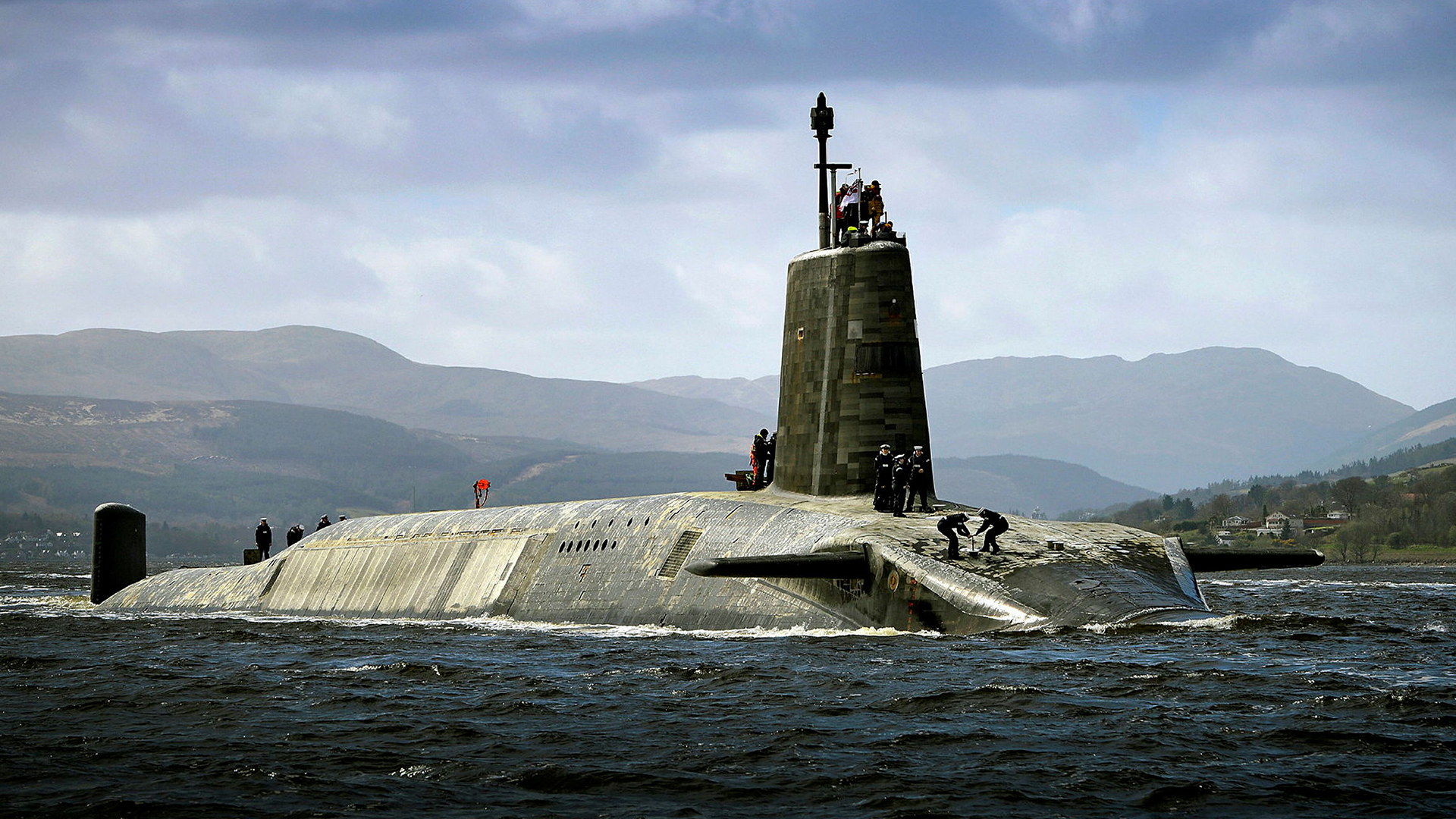
But the lack of available Royal Navy submarines is an issue – with a chokepoint in maintenance work leaving many in port rather than on patrol.
A new floating dock in Faslane aims to allow for more repairs to be carried out and free up boats to go to sea.
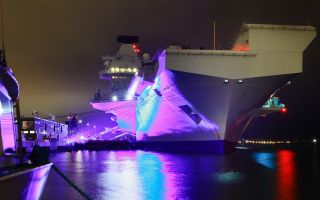
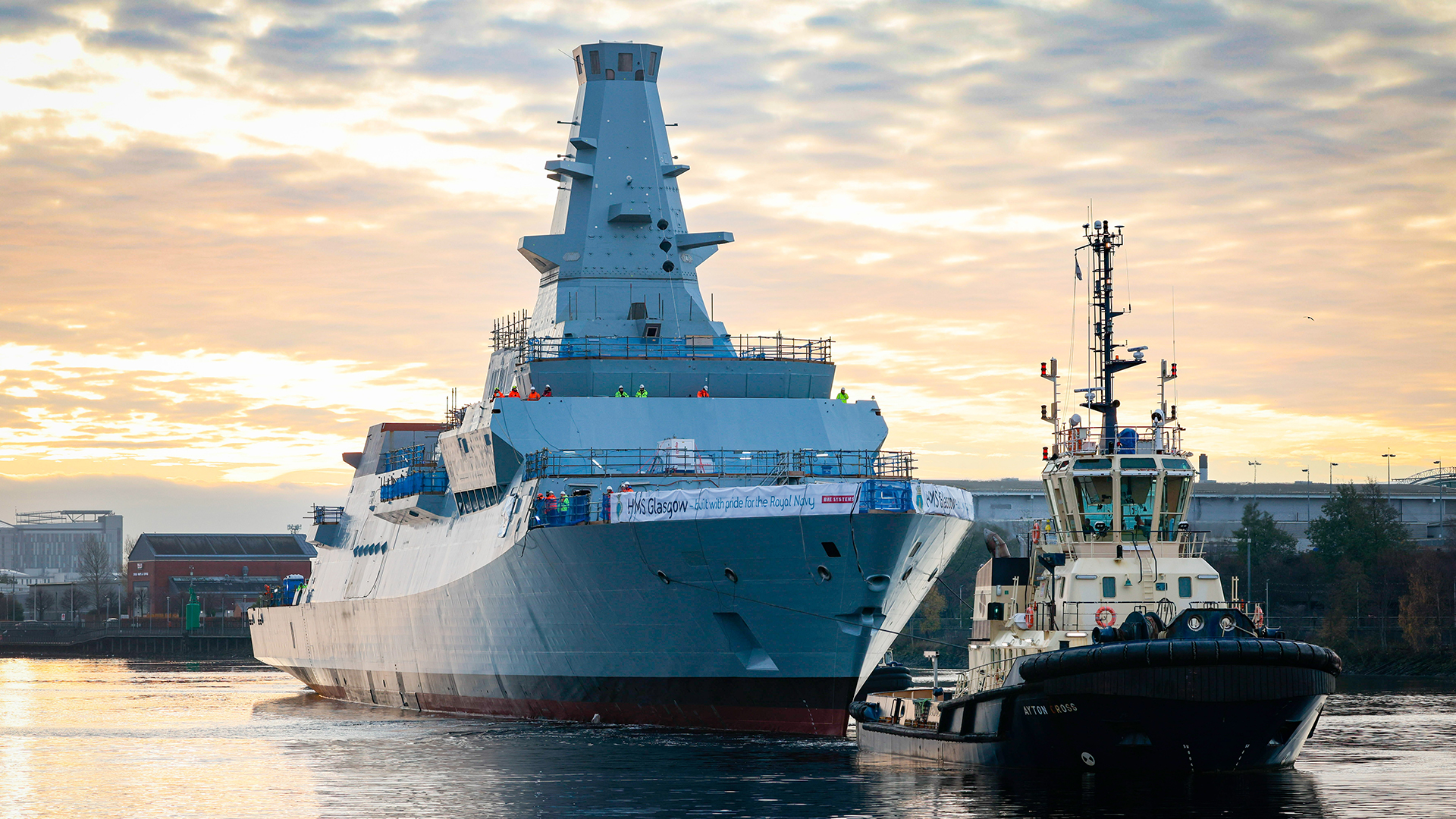
Building work is also well underway on new frigates for the Royal Navy, with Type 26 and Type 31 vessels modernising the fleet and replacing the ageing Type 23s that are still in service way past their planned retirement.
But these measures aren't really going to kick in until the next decade – so what can be done in the meantime?
Plans good, funding better
"The British Army perhaps needs to increase its presence in Tapa [in Estonia] to counteract more of our vessels in the High North," Mr Dhesi said.
"The Government has, within its Defence Investment Plan, talked about the £5bn investment for drones.
"We've heard about the Hybrid Navy concept – so a lot of positive things that are coming out from the Defence Investment Plan.
"It's about how it is properly funded.
"We also have recommended that within our investments that we need to make sure that we have under-ice capabilities.
"Unfortunately, because of years of under-investment, we have allowed the under-ice capability to lapse, so we need to focus in on that aspect as well to work with our allies.
"While we've got the ageing Type 23 fleet, while the numbers of that will gradually come down, we do not want those to be put out of service before there is a like-for-like replacement with the Type 26s."
Cheap weapons the gateway to exquisite
Dr De Vore added: "We're cooperating ever more tightly with the Joint Expeditionary Force countries.
"Probably real additional naval capabilities relevant for here can be found with the Swedes, the Germans and the French.
"In some ways, Finland and Sweden joining Nato has greatly limited Russia's ability to do anything in the Baltic.
"So if you actually look at Nato or JEF capabilities versus risks, in some ways we are over-insured in the Baltic, but under-insured in the High North.
"The Germans particularly have good frigates [and] good diesel-electric submarines that have mostly focused on the Baltic.
"The French have Europe's number two navy by most standards. They have a good nuclear submarine force, reasonable maritime patrol capabilities, a full-fledged carrier battle group.
"But I think that if we look at the Ukrainian experience, there are ways that we can substitute, not necessarily in as exquisite or as sophisticated ways, our ultimate vision, but there are things that could be done today.
"Probably the most obvious is if in the High North our main defensive mission is marking enemy submarinesm and then if the balloon goes up, engaging them.
"Our main offensive mission is essentially hitting the Russian air and naval bases on the Kola Peninsula with a set of missile and airstrikes.
"Russia-Ukraine shows that large numbers of relatively cheap, affordable drones are a very good way of targeting things like the Russian air bases on the Kola Peninsula, targeting the ports and also opening up corridors for our manned aircraft to get through and get those targets with more exquisite weapons."
Related topics
Join Our Newsletter