Military officials have approved funding to accelerate the British Army's lethality and warfighting readiness, including advanced capabilities for troops deployed in Estonia under Operation Cabrit.
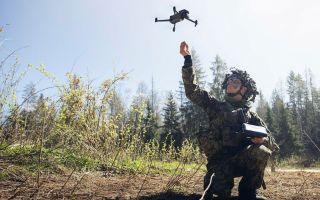
The £25m investment will provide a host of additional kit, including one-way attack (OWA) and first-person view (FPV) drones, along with advanced electronic warfare systems to help bolster UK forces protecting Nato's eastern flank.
The deal forms part of Project Rapstone, a British Army initiative to bring new technology to soldiers faster, with a goal of doubling the Army's fighting power next year and getting new equipment from industry to the frontline in two years.
What's under the hood?
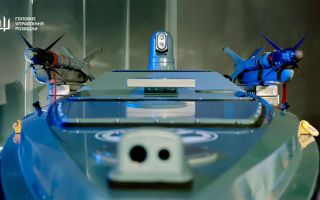
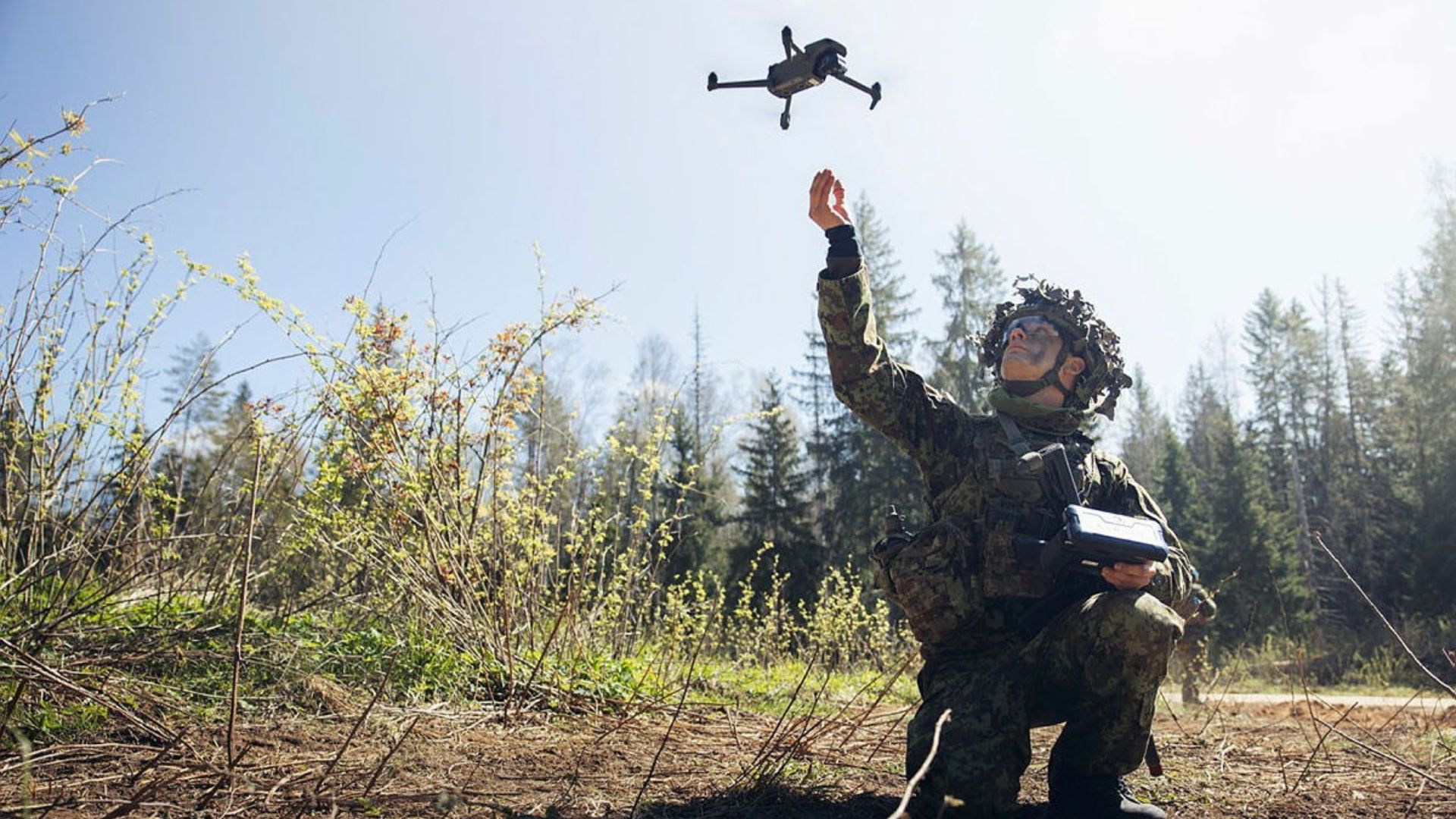
The investment includes hundreds of additional OWA and FPV drones to strike enemy vehicles, positions and equipment, along with a doubling of intelligence, surveillance and reconnaissance drones that can gather, process and transmit real-time information about an area, target or threat.
Counter-drone capabilities, which include body-worn electronic warfare systems and vehicle-mounted equipment capable of scanning for electronic signals, will give troops better protection against drones.
Meanwhile, multi-spectral camouflage will help protect troops and equipment from detection by modern surveillance technology.
Offering more bang for your buck than issued ghillie suits, or indeed the tried-and-tested cam cream, multi-spectral camouflage works by hiding personnel and equipment from more than the human eye.
It is designed to evade detection from modern military sensors operating across the entire electromagnetic spectrum.
Also included in the investment are additional lightweight 4x4 utility vehicles, which will give troops greater freedom of movement around the battlefield, allowing them to operate in smaller, more dispersed groups.
The funding will also support the Army's developing recce-strike concept, which aims to speed up the kill chain, finding and destroying enemy targets within minutes.
By using AI-assisted targeting and different types of drones in combination with long-range precision weapons, soldiers will not just be responsible for what happens on the ground, but also just above ground level, referred to as the near-surface.
Defence Secretary Wes Streeting said: "This investment will increase our deterrence on Nato's frontline, with our troops in Estonia being kitted out with the latest drones and capabilities.
"It will mean our Army can move faster, be more agile and strike the enemy harder. And it shows how we're investing today to step up our deterrence and readiness for tomorrow."
Advantages in striking first
The tactical shift comes directly from lessons learned during the war in Ukraine, where cheap, commercial military drones have largely created a transparent battlefield.
Ultimately, it means enemy forces can easily spot standard formations, predictable movement patterns and static positions from above.
General Sir Roly Walker, Chief of the General Staff, said: "Ukraine has shown that the side which can see first, strike first and protect itself best has a significant advantage in modern war. We are acting on those lessons now.
"This investment delivers more drones, more electronic warfare capability and better protection for our soldiers, making the British Army harder to find, harder to defeat and more lethal when it matters most.
"That's what it takes to be ready to fight and win alongside our Nato allies."
The Government has announced that by April 2027, the 4th Light Brigade Combat Team - a key high-readiness reinforcement unit on Nato's eastern flank- will be equipped with the new capabilities.
It said the move would ensure troops are better equipped to respond to the threats they are more likely to face.
Join Our Newsletter