What’s really going on with Britain’s main battle tanks in Estonia?

The Ministry of Defence has announced significant changes in the size and makeup of the British forces held at readiness in Estonia, designed to deter Russia from invading the country.
From April next year, the force component will transition from the armoured battlegroup model it currently is into a new 'mobile anti-armour force', composed of 1,200 soldiers armed with an array of weaponry, including hi-tech drones.
But while the changes suggest there’s been a rethink by strategists in terms of the capability needed to defend the Baltic nation, sources have told BFBS Forces News that the true reason for the changes lies in the army’s Challenger 3 conversion programme.
- Drones to reshape Nato's Eastern flank as UK's armoured battlegroup is replaced in Estonia
- Rehearsal of war: British soldiers on Nato's border with Russia warn they're 'not playing'
- En garde: British Army personnel sharpen their controlled aggression on Op Cabrit
The announcement came after speculation about the army’s role in Estonia, and what shape it might take beyond this year.
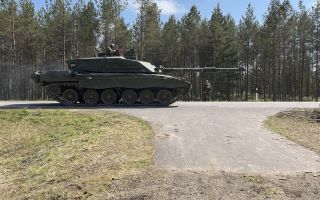
While the new force will be composed of “highly mobile vehicles, advanced weapons, and high-tech drones,” it will not include any Challenger 2 tanks, or other heavy armour assets.
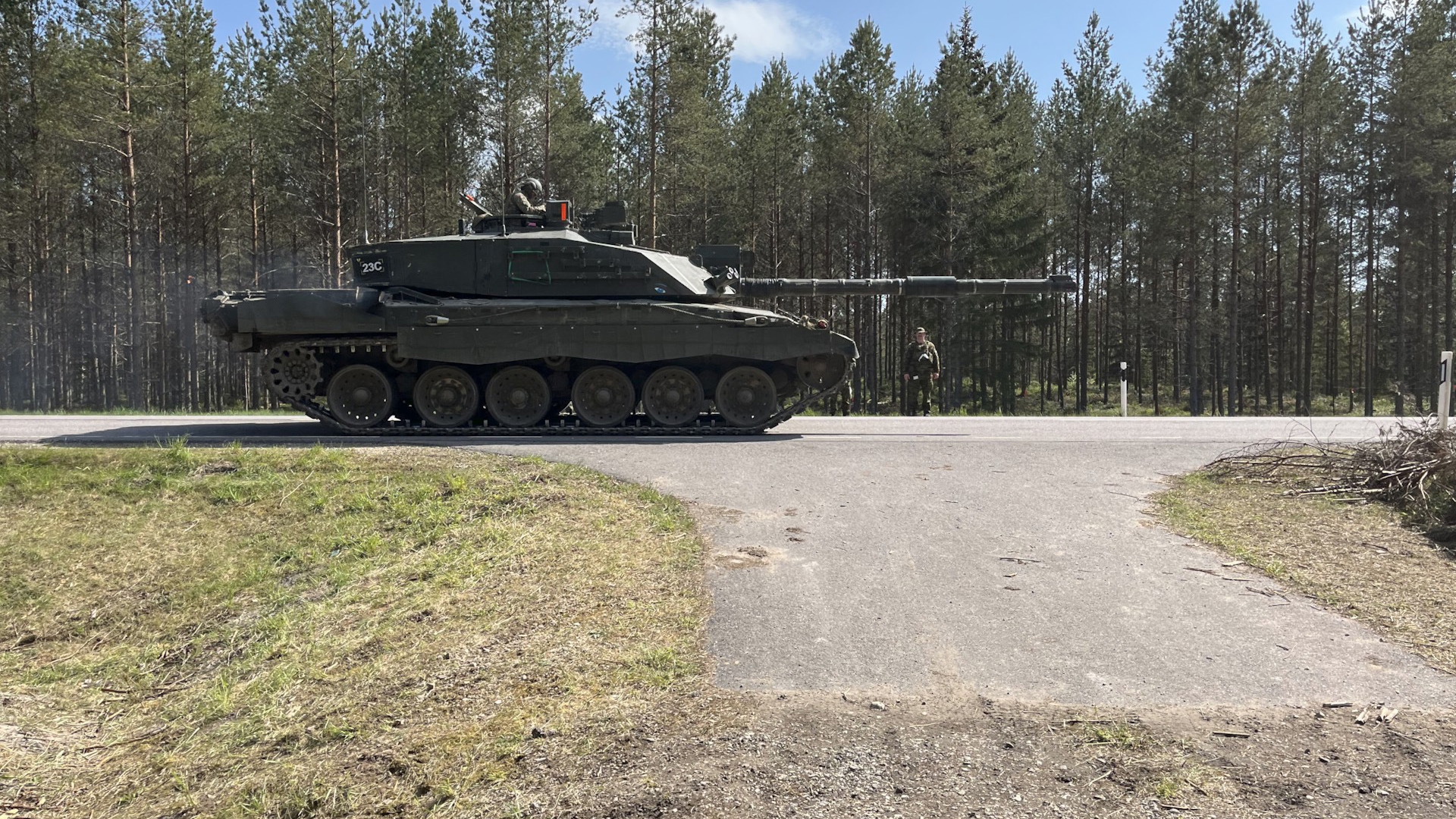
Forces News understands that the squadron-sized fleet of Challenger 2s currently located in Tapa, Estonia, is to be withdrawn under the £900 million Challenger 3 conversion programme – which involves transforming old tanks into new. That work, given its substantial nature, cannot be carried out in theatre.
Since the MOD made its announcement, officials have confirmed that the tanks will enter the Challenger 3 conversion programme once back in the UK.
In all, the conversion programme is set to deliver 148 "fully digitised" tanks to regiments including the Royal Tank Regiment, the King’s Royal Hussars, and the Queen’s Royal Hussars.
The new and improved Challenger 3 will boast a 120 mm smoothbore main armament, using ammo that can travel faster than that used by Challenger 2. In terms of defence partnerships, Challenger 3’s turret will be capable of fitting onto the tank hulls of other nations' armour.
But removing the vehicles from their current position on Russia's doorstep inevitably leaves a gap in defences; however, the problem has been resolved by the introduction of these new capabilities, and the increase in personnel numbers, referred to as a "troop surge" – all with the blessing of the Estonians.
Whether British main battle tanks ever return to Estonia as Challenger 3s remains an open question. For now, insiders indicate those assets may be repositioned elsewhere depending on the security situation in Europe at the time.
Join Our Newsletter