Pride and proximity: The Desert Rats prepare for peace in Ukraine
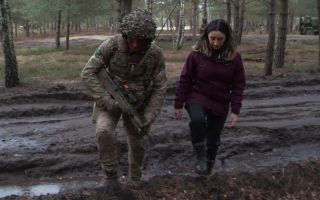
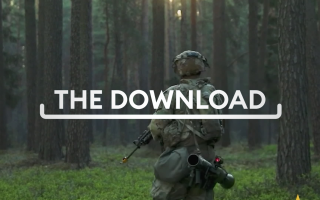
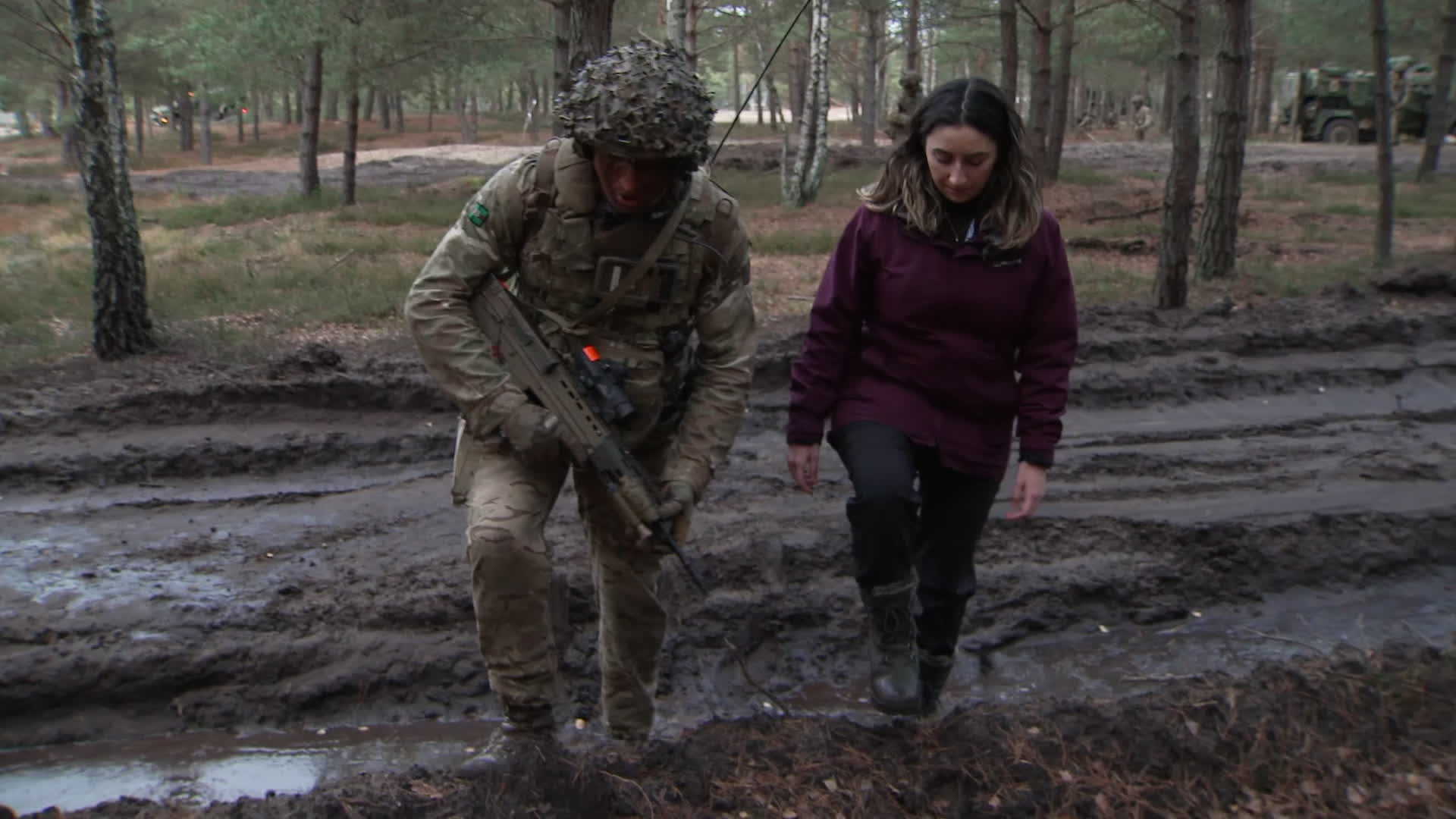
Standing in a muddy forest in Poland, watching soldiers, all with a different nation's flag on their uniform flying drones through dense woodland, it was a glimpse into what Ukraine may look like, once peace is agreed.
I spent most of my time with the British Army's 7th Light Mechanised Brigade Combat Team, aka the Desert Rats.
I can't say where in Poland exactly, but the soldiers had an area around the size of six Wembley football pitches to explore.
- British soldiers training hard for when ceasefire is finally announced in Ukraine
- Drones are unlikely to reduce the need for military personnel, RUSI report finds
- Warning British Army would 'struggle to do anything else' if committed to Ukraine peace effort
Despite preparing for cold, wet November weather, we were greeted by surprisingly mild conditions and bright sunshine. Alas, the training area was still muddy.
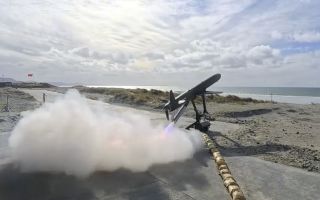
We were surrounded by dense woodland, different from the open training areas many British soldiers are familiar with at home. Tricky for flying drones and therefore a valuable training opportunity.
The exercise was as much a test of logistics (getting 300 troops, vehicles and drones from the UK to Poland is no mean feat) as it was a test of how we are able to work with allied nations for a common cause.
Common goals, uncommon languages
The exercise brought together personnel from 11 nations, each arriving with their own equipment, procedures and experiences.
It's a multinational force – not a peacekeeping force, not a Nato force. The French Major General told me getting these 11 nations and their kit to all work together effectively is a challenge.
Albeit promising that the nations involved brought shiny new kit along, the soldiers must be able to use it effectively, and eventually in tandem with their Ukrainian counterparts – the most battle-hardened military in Europe. This is the first time the land elements of the Multinational Force – Ukraine (MNF-U) have come together, so it's early days.
There is also a very human challenge to commanding a multinational force – language. It came as no surprise that everyone's English was on the whole better than our ability in any of the other nation's languages, apart from a few for which the exercise was a good opportunity to dust off their A-level French.
The more time spent training together, the more people could feel the improvements. Not to be underrated in the event of a crisis.
A clear sense of purpose
What stood out most during my visit was the sense of purpose and pride across the ranks and the nations.
I got the impression that personnel genuinely felt they were contributing to something meaningful. Exercising in a country that borders Ukraine brings the goal into focus. After all, "that's why you sign up", I'm told.
It means commanders also have enthusiastic troops, because the operational relevance of the training is clear to see, and not 'tick box'.
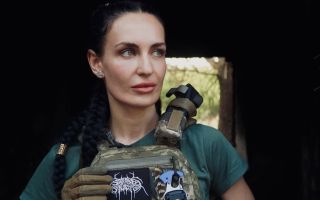
That sentiment was shared by the host nation. A Polish Captain told me she was proud that her country was hosting Exercise Koalicja (meaning Coalition in Polish). Given Poland's own history and its proximity to Ukraine, there was a sense of solidarity, and yet hope.
A few of the known unknowns: what will the exact mission and rules of engagement be? Will we have the right kit and know how to get the most out of it? How involved will the Americans be?
A lot of the known unknowns can't be answered until the biggest one of all is addressed: when will there be peace in Ukraine?
Join Our Newsletter