Drones are unlikely to reduce the need for military personnel, RUSI report finds
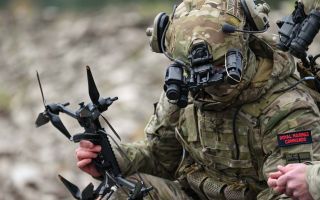
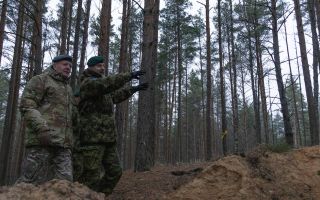
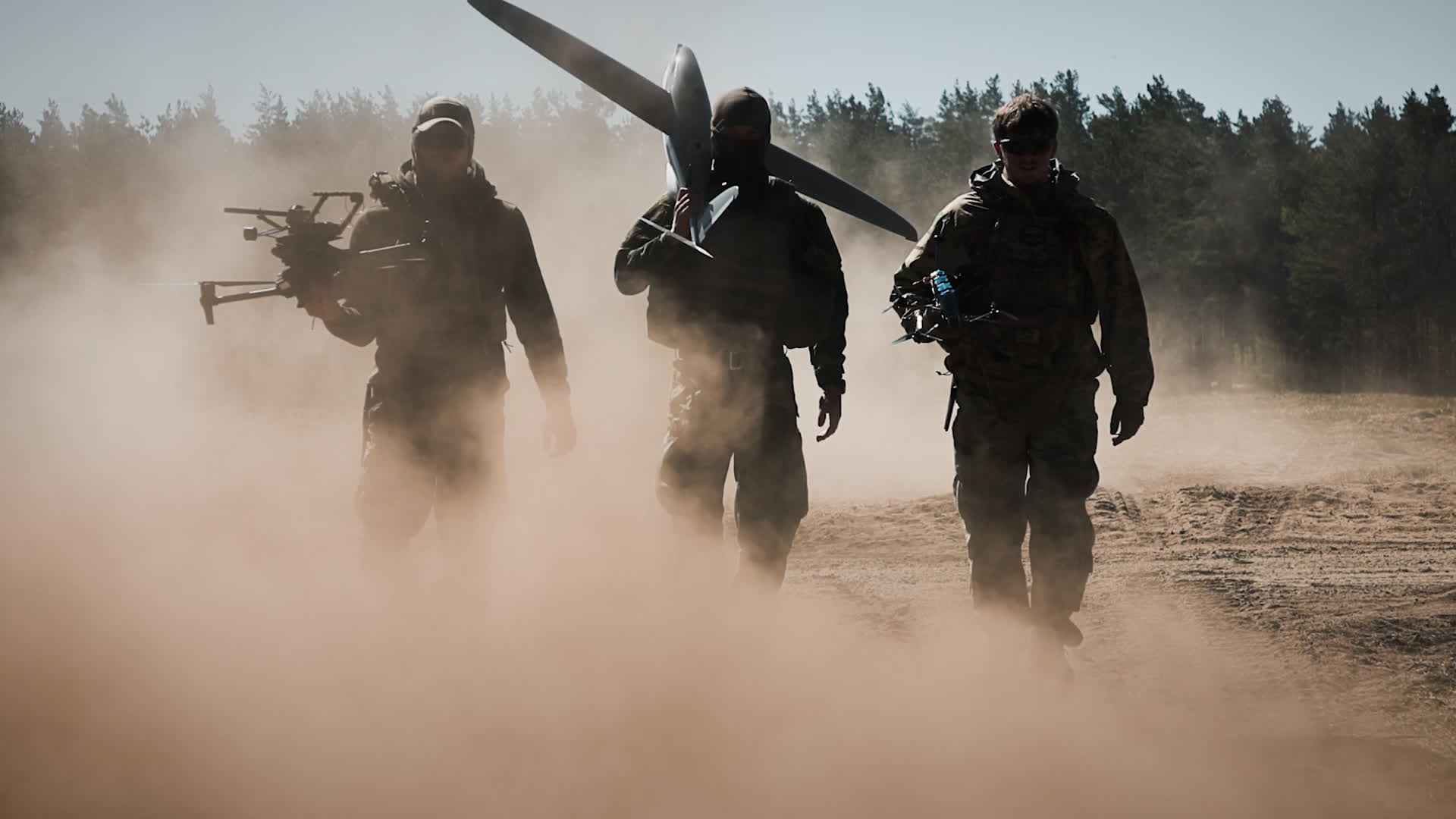
Drones are not the answer to personnel shortages in the British Army, a new Royal United Services Institute (RUSI) report has concluded.
The report, 'Integrating Tactical UAVs into the Infantry Battalion', was co-written by Dr Jack Watling, Senior Research Fellow in Applied Sciences, and Robert Tollast, Research Fellow for Land Warfare.
The authors have drawn on interviews with Ukrainian commanders and data from the war with Russia to push back against what they describe as 'dronization'.
Drones not the answer to the problem
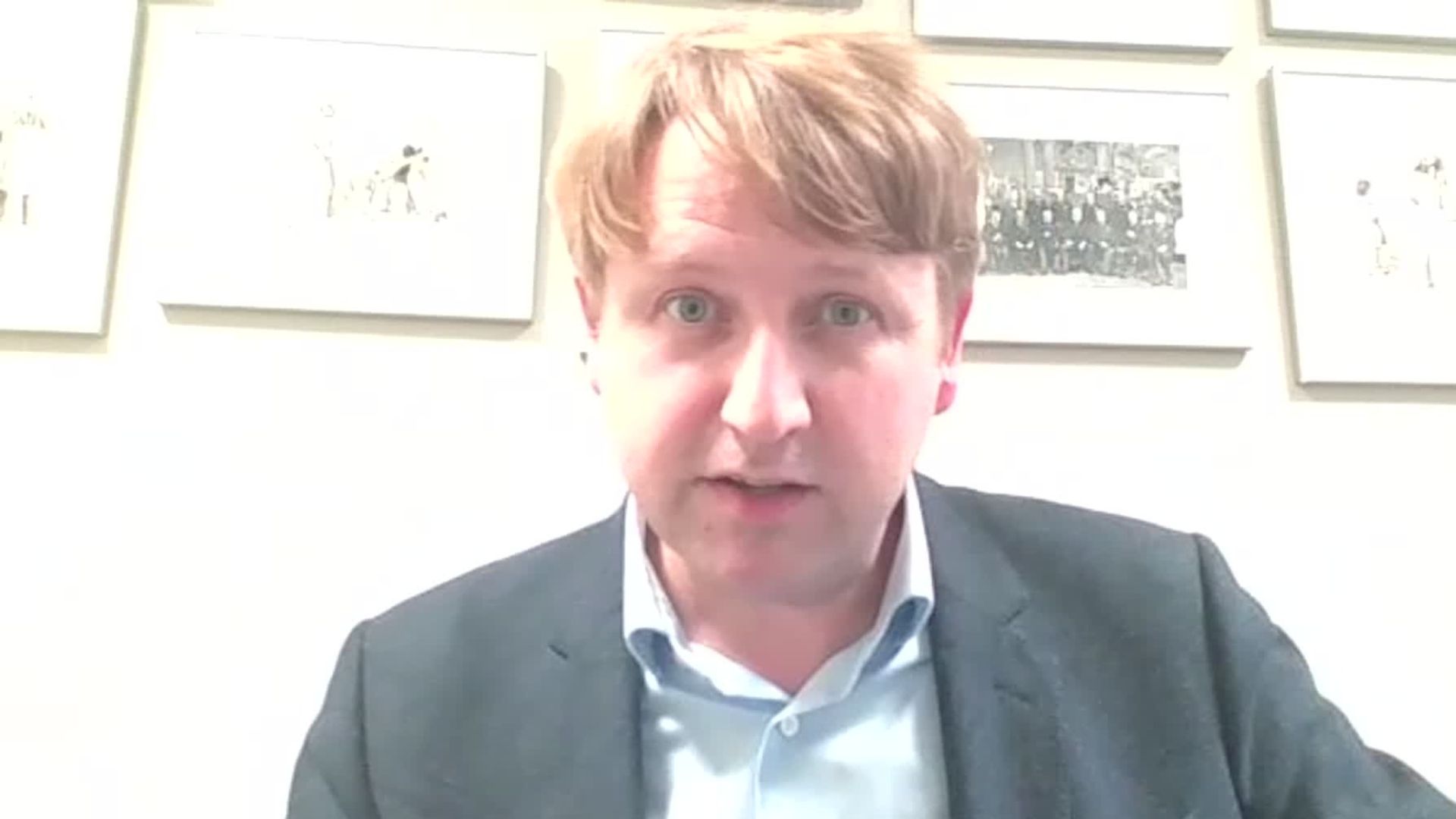
Mr Tollast was keen to combat misconceptions about what is behind Ukraine's success with drones.
"The reality is this is not one operator who's really elite and has killed 300 Russian soldiers," he explained to BFBS Forces News.
"Yes, that happens, but around that individual, there will be radio frequency experts who know about the antenna inventory; there will be people who will know about cover and concealment; they've got people who are digging in their positions.
"So, you're not really talking about reducing personnel numbers [and] that's the attraction of tactical UAS (unmanned aerial systems).
He added that "we are under strain in the British Army in Europe for required personnel, but unfortunately, drones aren't necessarily going to be the answer to that problem".
Learning the hard lessons
The report considers how a typical 561-person British light infantry battalion could deliver drone reconnaissance, strike, interception and resupply.
One of Mr Tollast's concerns is the effectiveness of British Armed Forces training.
"There are multiple challenges," he continued. "How are infantry to practise engaging aerial targets in 360 degrees, and how are officers to exercise control of fire, all while maintaining range safety?
"Without a mechanism to realistically train, the force cannot realise the benefits of these new tools and will struggle to conceptualise the frictions that emerge across a combined arms force."
He also worries about gaps in the collective knowledge surrounding electronic warfare (EW).
"There are really complex questions regarding our training estate where we could, effectively, practice electronic warfare coordination at scale," he said.
"EW knowledge across the force needs to be disseminated very widely, [and] that's still not the case."
Crucially, Mr Tollast argues the British Army needs to learn from Ukraine, not only adopting methods and tactics, but also learning from the mistakes.
"There is, in my mind, a need to understand the limits of the kind of drone-ization, for want of a better term, that you might see in the Ukraine conflict," he said. "Because there are inefficiencies that we need to get to grips with there.
"And hopefully the report spotlights some of the hard lessons that the Ukrainians have learned through their innovation and understanding some of the price that they've paid in blood."
Related topics
Join Our Newsletter