With Warrior and Ajax, just how many types of tank does the Army operate?

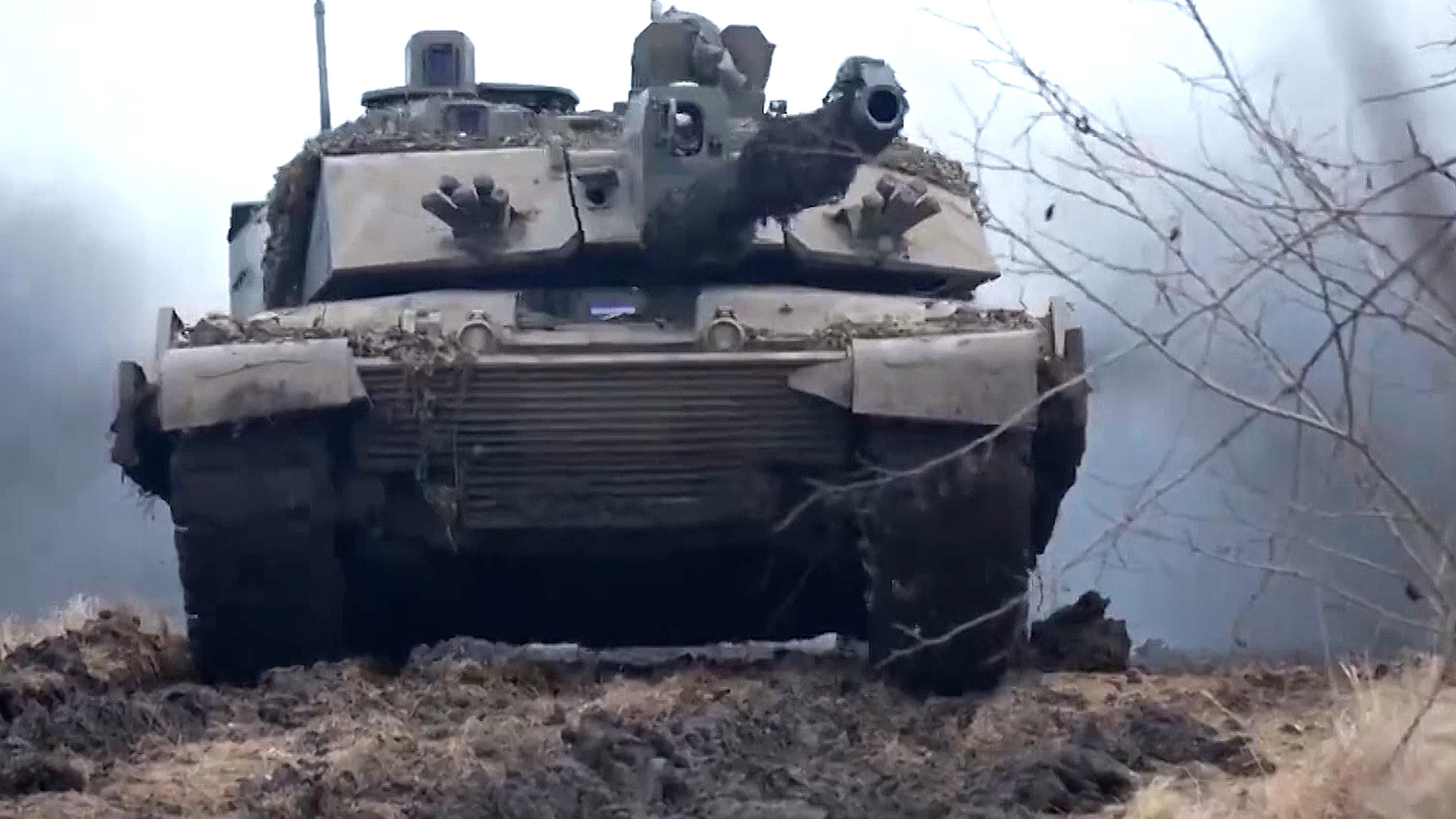
The British Army fields just one tank variant – the Challenger 2 – with the first upgraded Challenger 3s expected to enter service by the end of the decade.
But with turreted vehicles like the Warrior and Ajax – not to mention the now-defunct Scorpion and Scimitar – it's easy to see why there may be some confusion about what makes a tank a tank.
A tank is designed with three characteristics in mind: mobility, protection and firepower.
The holy trinity of tank design
A modern tank will include all three of these characteristics, although some compromises have to be made as it's impossible to maximise all three in a single design.
Mobility – a modern tank needs to be able to move around the battlefield at speed, even over rough terrain, despite its considerable weight, with a Challenger 2 managing around 37mph on roads and 25mph cross-country.
Protection – a tank's armour needs to offer sufficient protection to protect itself and the crew from enemy fire, particularly other tanks and anti-armour weapons like RPGs.
Firepower – unlike self-propelled artillery, the main gun is designed to be a direct-fire weapon, meaning the target is in visual range.
Modern main guns are large-calibre, with the Challenger 2 having a 120mm rifled barrel and the Challenger 3 a 120mm smoothbore, in keeping with the UK's Nato allies.
A different story back in WW2
During the Second War, the definition of a tank was less clear-cut, with Britain operating several types.
Light tanks were small and lightly armoured and were mainly used for reconnaissance, examples including the Tetrach, made famous later in the war with airborne forces, and the US-designed Stuart.
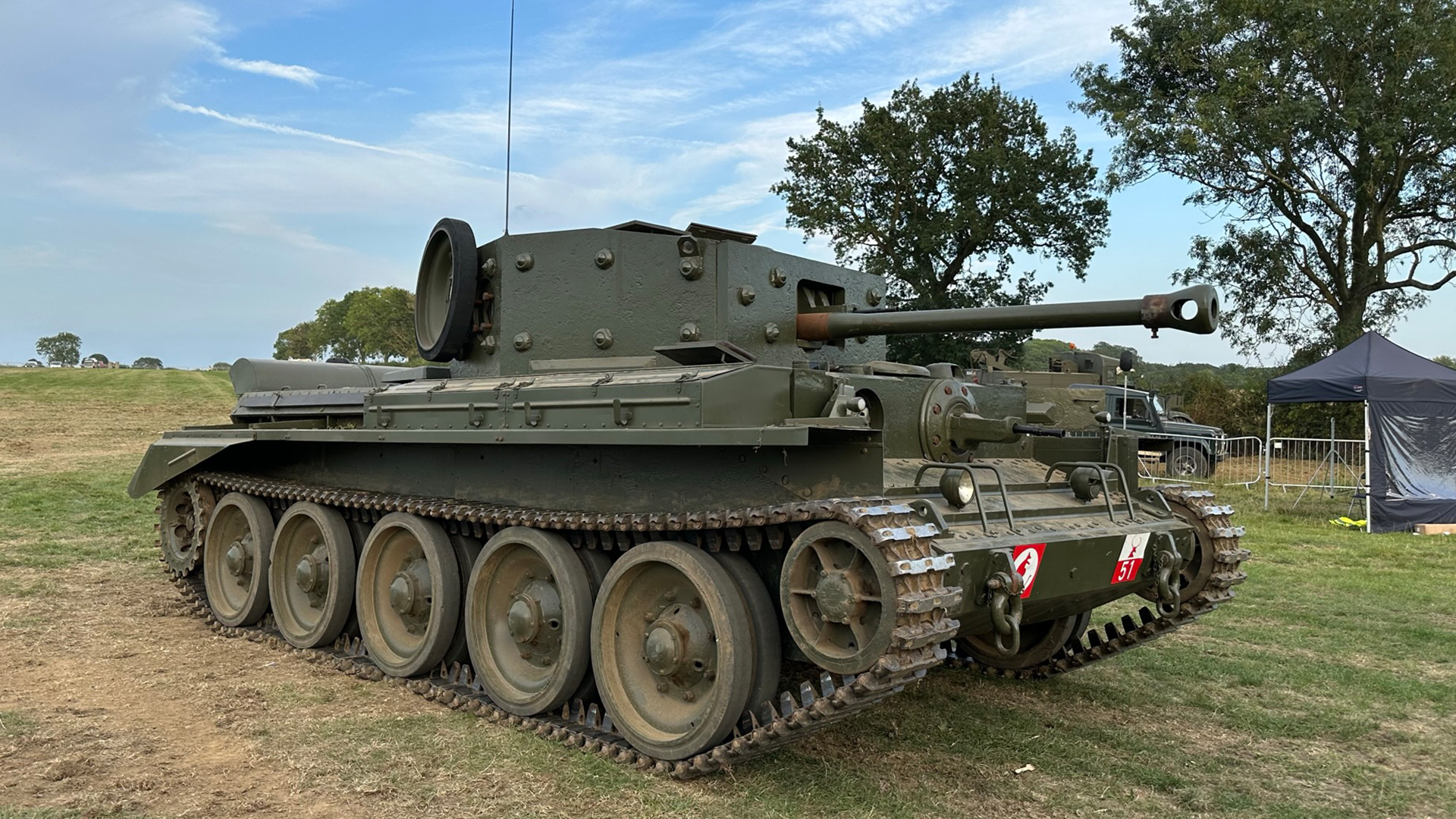
Cruiser tanks were built to take on enemy tanks, having used their mobility and speed to exploit a breakthrough in the enemy lines, with a mid-war example being the Crusader and a later example being the Cromwell.
Neither of these was particularly good at taking on German armour at range though.
Infantry tanks followed the initial premise on which tanks were designed in the First World War – to support the infantry.
Tanks like the Matilda II and the Churchill therefore traded speed for protection, as in any case the infantry could only advance at walking pace.
Unlike Germany, which fielded the Tiger I and Tiger II, Britain had no heavy tanks – but it did use tank destroyers such as the Archer, Wolverine, Achilles and Sherman Firefly.
The evolution of the main battle tank
Towards the end of the Second World War tank doctrine was changing.
Instead of several classes of tank, which presented challenges for the crews and their training teams just as much as logistical problems, a move began towards creating a "universal" tank.
A good example of this is the Comet – a tank based on the Cromwell that was fitted with a far more powerful main gun.
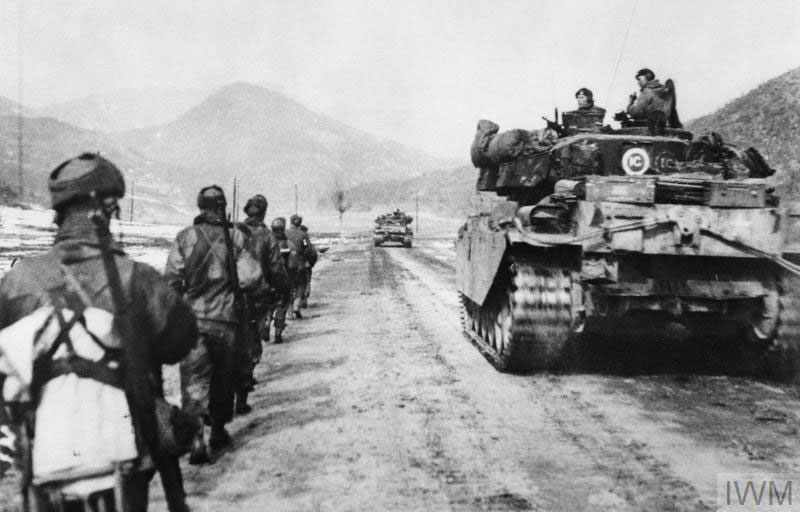
By the very end of the war this philosophy created what was arguably Britain's first main battle tank – the Centurion.
As we've seen, a modern main battle tank is built to operate on the frontline, using heavy armour and a powerful direct-fire gun to engage the enemy.
The Centurion was followed by the Chieftain, the Challenger 1, Challenger 2 and the forthcoming Challenger 3.
And one common theme with all these vehicles is the use of tracks rather than wheels, to better combine their huge weight with the ability to cross difficult terrain while spreading the weight.
What about Warrior and Ajax?
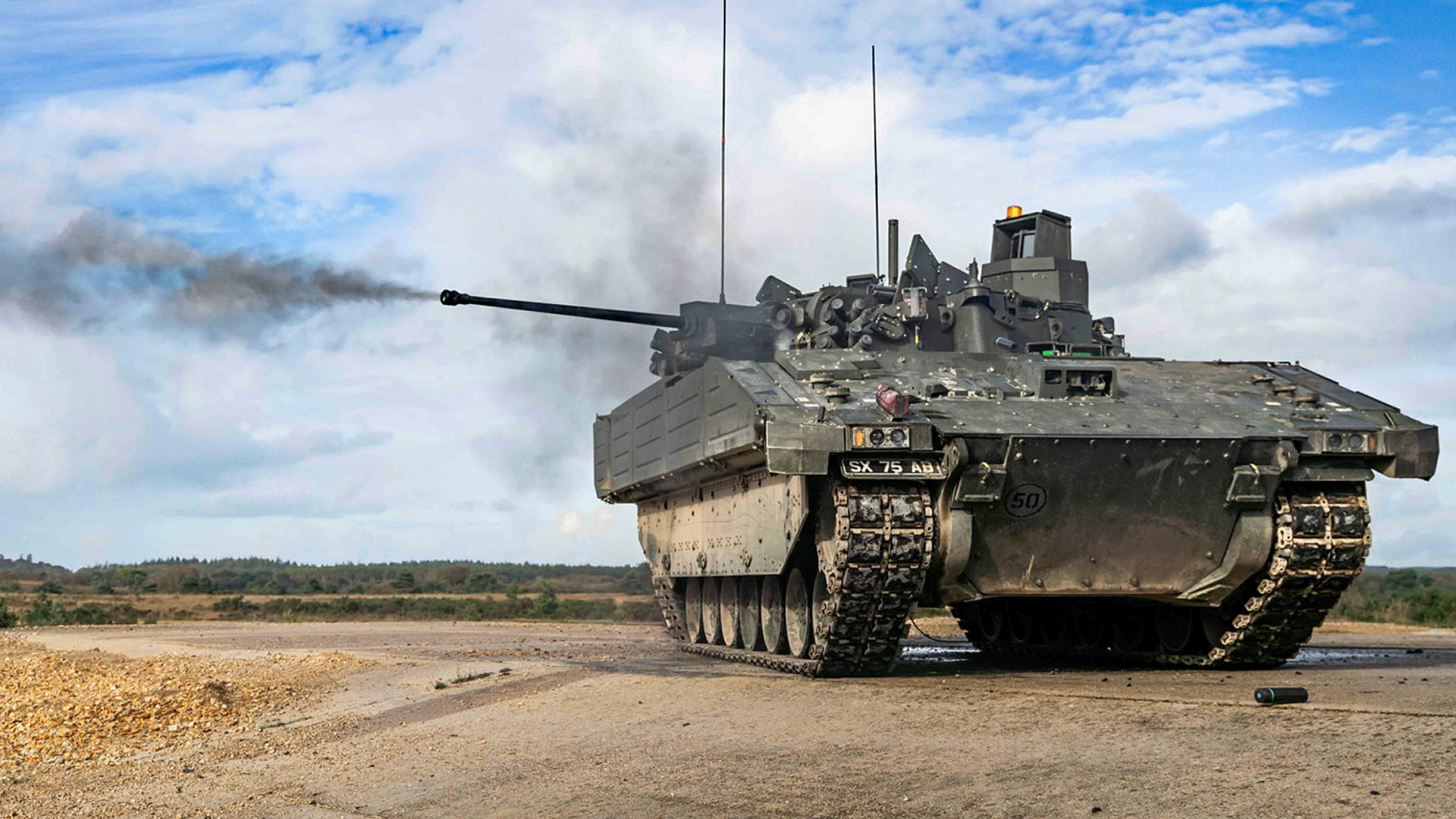
These vehicles may look like tanks – they're armoured, they're highly mobile and they have turrets with guns.
But they are not tanks, and are most definitely not main battle tanks.
The Warrior is an infantry fighting vehicle, meaning it can transport infanteers, deploy them on the battlefield and support them in the fight.
Ajax, meanwhile, is designed for recce strike – aggressive reconnaissance with the ability to engage enemy forces once detected.
Challenger 2 and 3, on the other hand, are the Army's primary fighting platforms, being able to protect their crews and having the mobility to bring heavy direct fire to the battlefield with the ability to destroy enemy tanks.
Related topics
Join Our Newsletter