Old meets new: How the Army is using AI to help its horses stay fit and healthy
How do you get a military horse to tell you it's unwell?
As humans, we're used to wearing technology to track how we sleep and our general health, and now the British Army is using AI to do exactly that – for its horses.
Vet Vision AI, the brainchild of two veterinary surgeons, has created technology which monitors the health and welfare of cattle and horses.
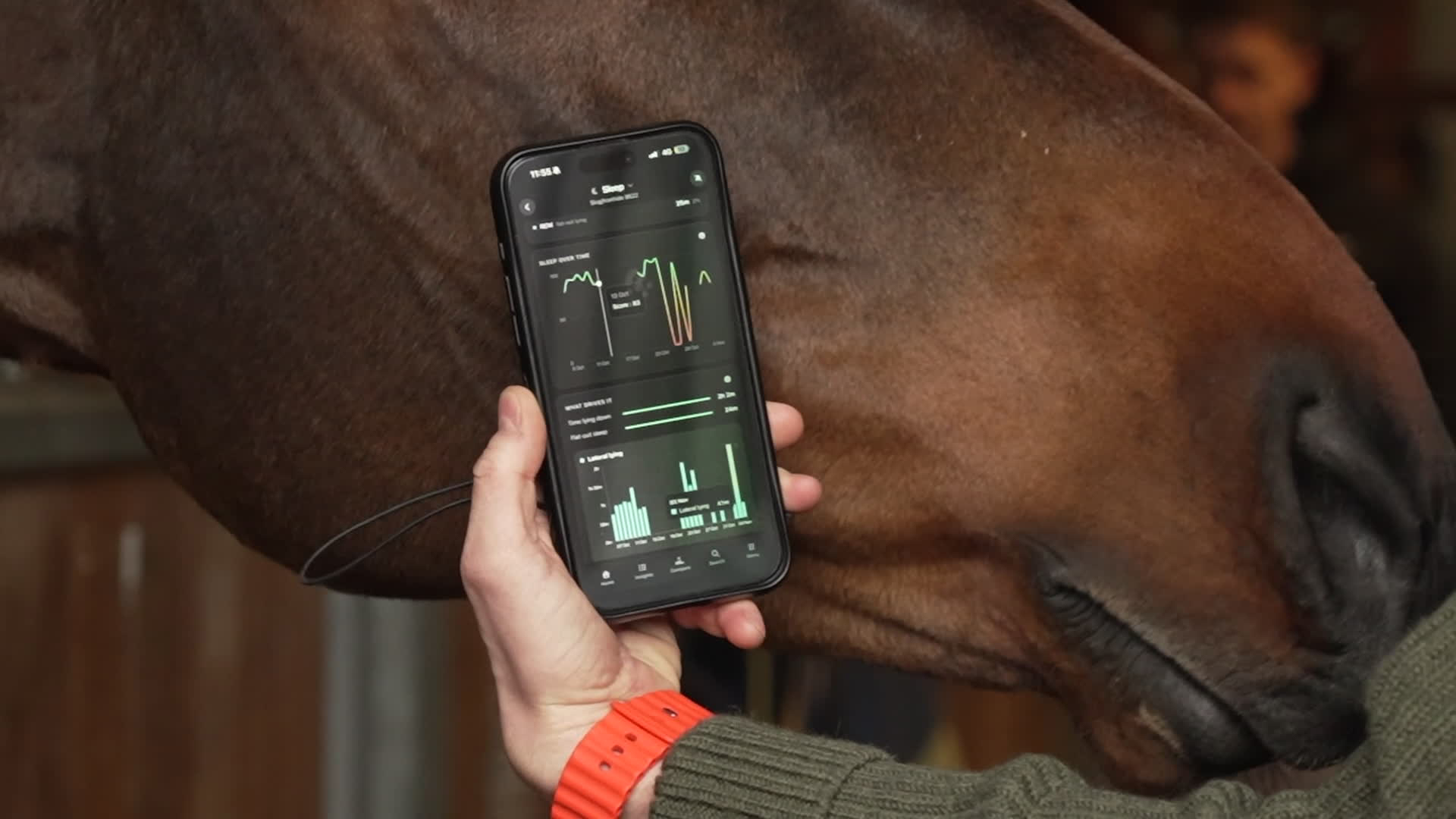
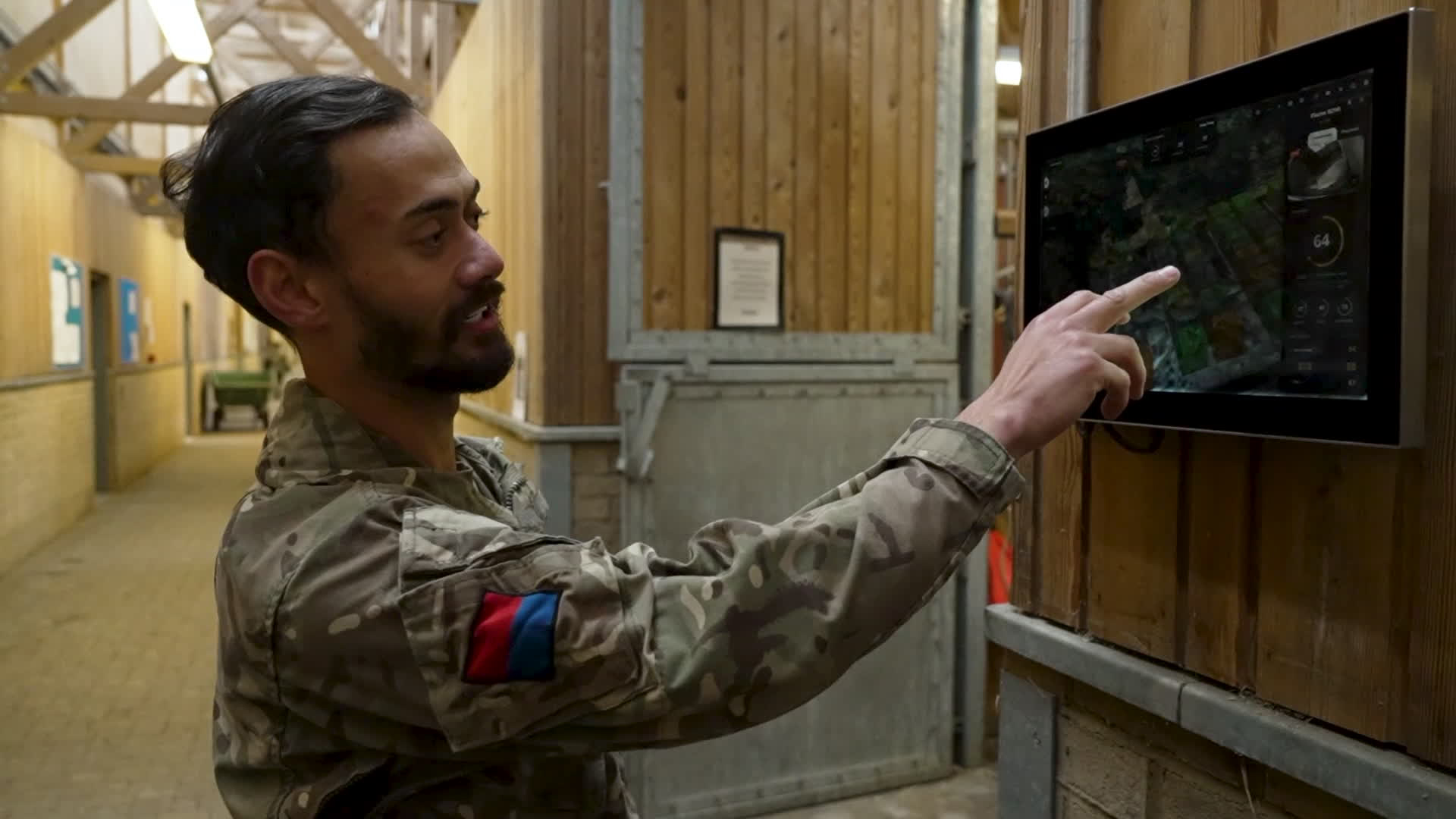
A spherical CCTV-looking camera is placed in each stable, so discreet the horses don't seem to notice, which delivers a live feed to tablets and phone apps.
The £100,000 contract means soldiers can track their horses' sleep scores, how stressed they are, and how much they're eating and drinking in a way that's never been possible before.
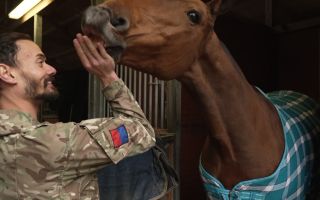
We visited George VI lines in Woolwich, southeast London, home to the The King's Troop Royal Horse Artillery and around 100 of the military's 450 working horses to see how this AI tech really works.
Why is it needed?
Horses are prey animals, which means they hide symptoms of illness or injury so they aren't picked off by predators, but this makes it harder for vets to know something is wrong, until it's severe.
For the military, this can mean not having enough horses fit enough for ceremonial duties and in some cases having to spend money on expensive medical treatment that could have been prevented.
Captain Alexander Bowman, the Regimental Veterinary Officer for KTRHA, says the new tech has been revolutionary, despite the term sounding like a cliché.
Capt Bowman says he gets to see "just a snapshot" of how a horse is doing when it's for evaluation, but having the app now means he can look at data that is collected 24/7.
"I can look at my app and it says 'oh, actually, the last five days he's been sleeping a bit less'," he explained, making the treatment much more tailored to each individual horse in his care.
The new tech has a positive impact on soldiers too, as fewer people are needed to patrol the stables overnight as the horses can be monitored remotely on a phone app without disturbing them.
The King's Troop has gone from eight soldiers patrolling on a night shift down to three.
Fit for role
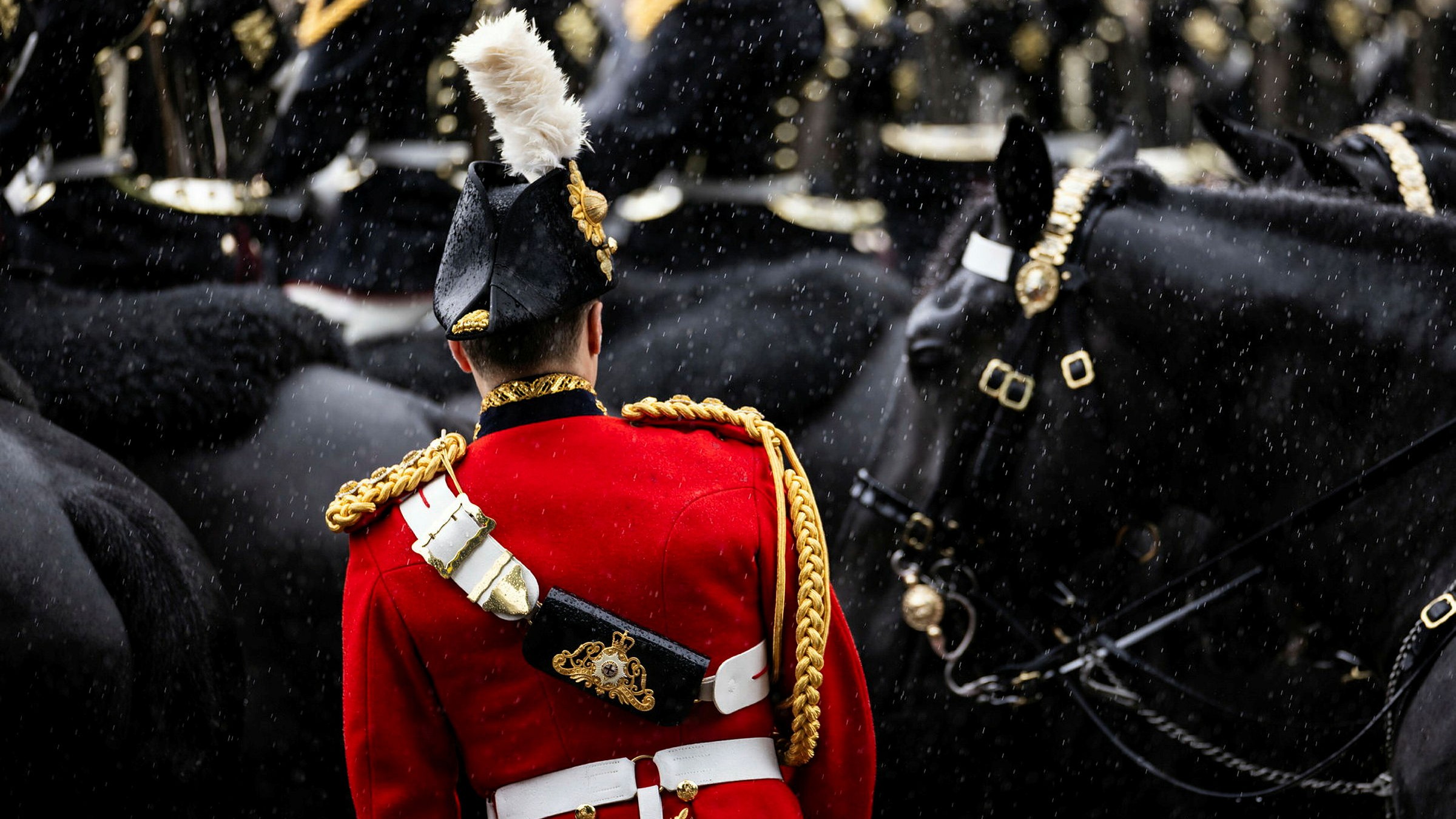
Soldiers in the King's Troop are essentially stunt riders, riding horses that are pulling a 1.5 tonne antique gun – about the weight of a Volkswagen Golf.
This work is physically demanding and potentially dangerous, but the AI cameras are now acting as an early warning system.
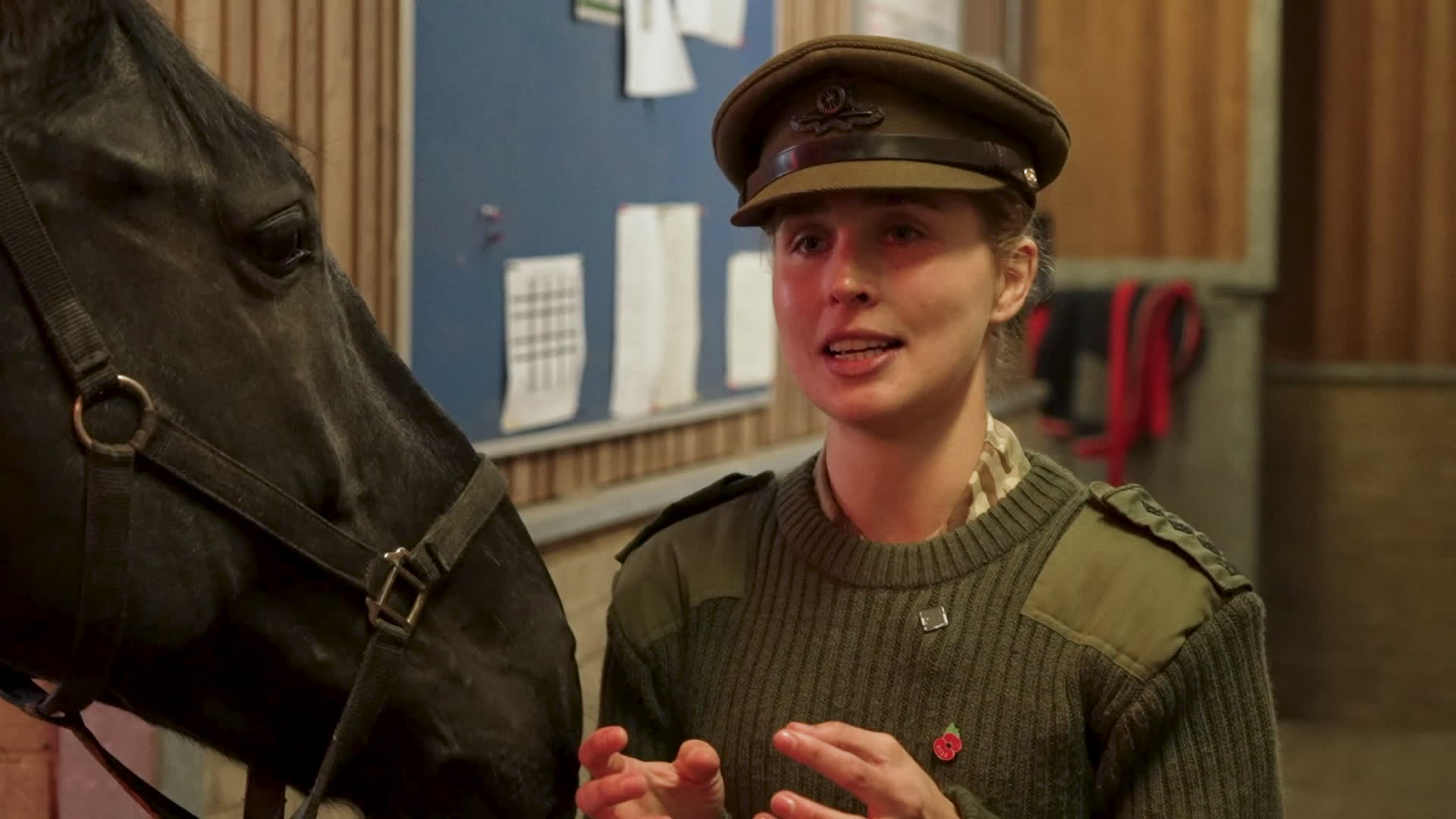
Captain Yolande Rowson, the Troop Captain for the Saluting Battery in the King's Troop, described the AI tech as a "really exciting intersection between tradition, and future and innovation".
"The goal for everyone here is to have 100% healthy and happy horses and soldiers that are happy and confident in their role," she said.
Capt Rowson said the technology had made the King's Troop more efficient and more enjoyable.
"I think soldiers form very close bonds with their horses, and it can be very gratifying to know that a change that you've brought in, as a result of observing that a horse maybe needed more bedding, as a result of data on the cameras, you've made that positive change, that horse is resting more and you've got a slightly different horse to ride," she said.
She explained how this impact is even more significant, given the complex choreography the riders and horses undertake.
"It's a horse that feels a lot more relaxed, which then means when we're doing these complicated things that we do on parade, you have absolute faith that the horse under you is as healthy as it could possibly be," she said.
This technology is putting the British Army at the forefront of research into horse welfare.
And it may even have a positive effect on the future battlefield, if horses were to be used on operations for tasks such as surveillance, which is something the Household Cavalry is currently experimenting with.
Related topics
Join Our Newsletter