Britons must prepare to make sacrifices for war, head of the British Army warns

Britons will soon face a "frank conversation" over the sacrifices needed to prioritise defence and security, the head of the British Army has warned.
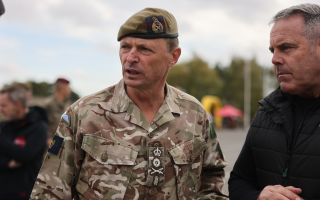
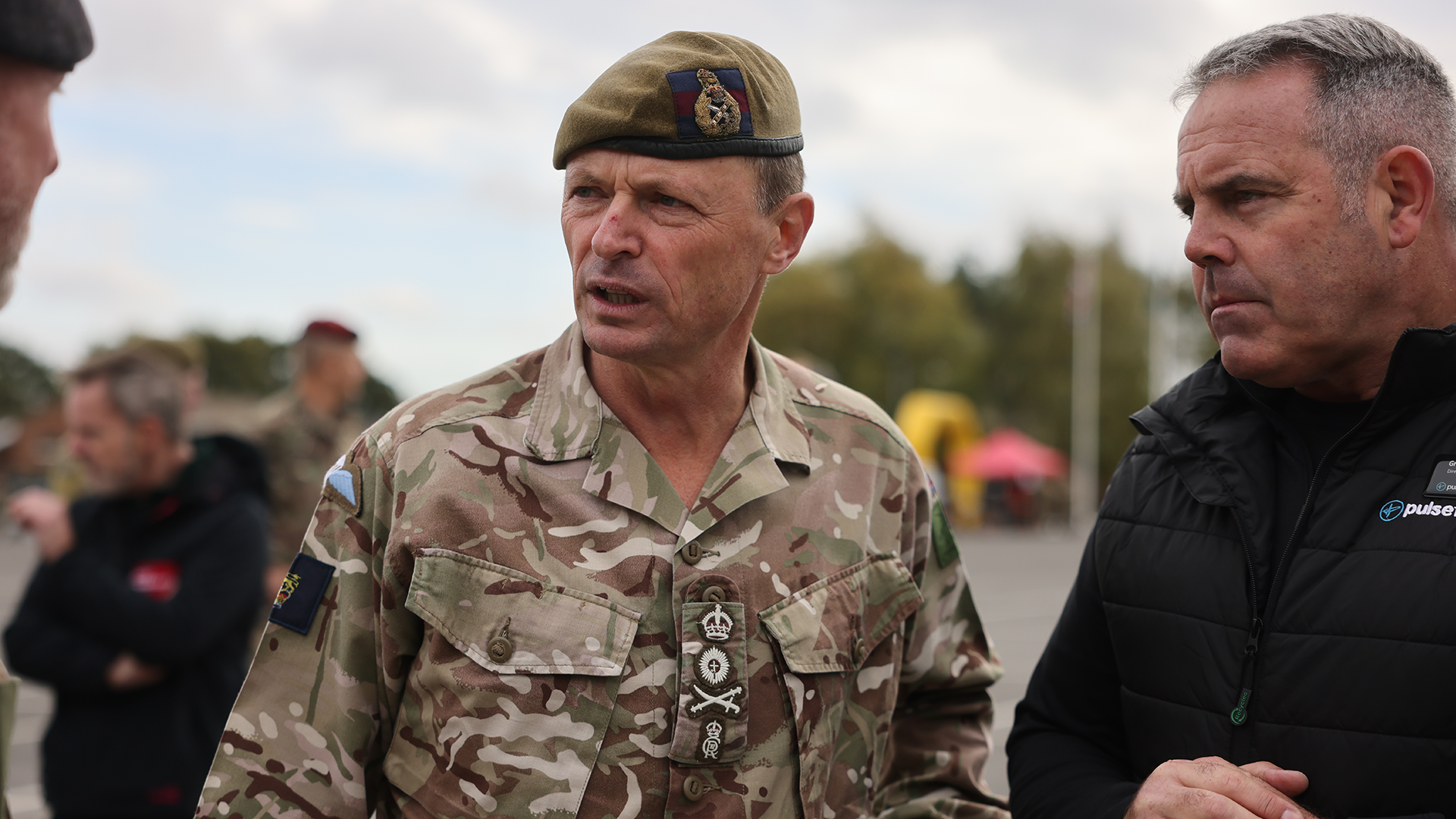
General Sir Roly Walker, Chief of the General Staff, said the "business of soldiering" had returned to the national psyche and that the country's days of not having to think about fighting a war were over.
He made the remarks while addressing 700 soldiers in Catterick Garrison, drawn from across 1 (UK) Division, the Army's light, high-readiness global response force.
The General's comments came as a new poll suggested that half of the UK's population would not, under any circumstances, go to war for Britain.
'Take the fight to the enemy'
Addressing what is turning into a principal dilemma for ministers – how to fund defences that meet the threats Britain faces – Gen Sir Roly warned there would have to be sacrifices, and that it was the job of politicians to explain this to the public.
"They're going to try and explain to our citizens that our citizens have got to consent to sacrifices to prioritise defence and security," the general said.
"And then, they're going to ask those citizens, for whom we are not necessarily at the front of their mind, that they too need to play a part in the defence and security of this country.
"They need to understand what we do for them, they need to consent to allow us to do that – which means sacrifices by them – and ultimately, we're going to need them to back us, to back you, to do the one thing that you do, that nobody else gets to do, and that is to take the fight to the enemy."
Among the personnel listening to the general were soldiers from the Parachute Regiment and a host of other units who collectively make up 1 (UK) Division – part of the Army's land forces.
Addressing their core task of defeating the UK's enemies, Sir Roly said it would be down to them to achieve this when the time comes.
"There is no other environment to my mind where the burden of fighting is placed squarely on the shoulders of our most inexperienced and junior soldiers, than in our land forces. And I'm looking at you because it's on you that the defence of this nation will rest if, ultimately, you are called to fight."
In September, Defence Secretary Wes Streeting told delegates at the Labour Party Conference in Liverpool that increased spending on defence came with "choices and trade-offs".
"I know that more spending on defence comes with choices and trade-offs, but our critics on the right need to understand that you don't make your country stronger, by making our people poorer."
Mr Streeting's predecessor as Secretary of State for Defence, the now-Chancellor John Healey, will set out his plans for spending in the budget, scheduled for 28 October.
Although polling by Ipsos found that half of Britons would be unwilling to fight in a conflict, it also found that more than half the population supported increased defence spending.
Of those backing an increase, 37% said that funding should come from other government budgets, while 36% supported increases in general taxation.
General Sir Roly Walker's comments in full:
"You didn't know this, but our nation is going to need you. There was a time that our nation didn't want to think of a time when it would need its soldiers to fight in a war. But as anyone who is studying the trajectory of world affairs, and the geopolitical system within which our nation sits and thrives, will realise there is extreme jeopardy in the world at the moment. And the business of soldiering is coming back into the nation's psyche.
"Indeed very soon, the political leaders of this country will start to have a frank conversation with the citizens of this country, about just what is going on and where the risk lies, and what the nation must need to be prepared to do. They need to understand what is going on in the world of defence and security and why now appears to be a very dangerous time.
"They're going to try and explain to our citizens that our citizens have got to consent to sacrifices to prioritise defence and security. And then, they're going to ask those citizens, for whom we are not necessarily at the front of their mind, that they too need to play a part in the defence and security of this country.
"They need to understand what we do for them, they need to consent to allow us to do that – which means sacrifices by them – and ultimately, we're going to need them to back us, to back you, to do the one thing that you do, that nobody else gets to do, and that is to take the fight to the enemy.
"There is no other environment to my mind where the burden of fighting is placed squarely on the shoulders of our most inexperienced and junior soldiers, than in our land forces. And I'm looking at you because it's on you that the defence of this nation will rest, if ultimately, you are called to fight."
Join Our Newsletter