From the grounds near Winston Churchill's backyard to a remote Scottish island, and, more recently, a private pond, the British military has spent decades testing weapons and equipment in the civilian world.
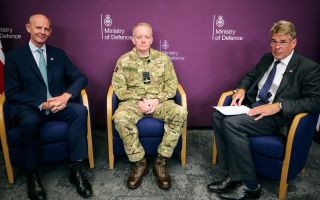
The latest revelation came from Defence Secretary Wes Streeting, who recently disclosed that a Royal Marine was forced to test an underwater military drone in a pond in his own back garden because regulatory red tape had made it too hard to trial the technology elsewhere.
Appearing before a House of Lords Committee, Mr Streeting applauded the commando's "ingenuity and drive for innovation and entrepreneurial spirit", but insisted there should be the "same can-do approach in his workplace".
The Defence Secretary told the story as he acknowledged the Government needed to do more to remove the "regulatory handcuffs" which were preventing defence companies from building new weapons technology.
While testing drone technology in this manner illustrates Mr Streeting's point, bypassing the red tape has driven major historical breakthroughs, although it has also triggered severe safety and ethical risks.
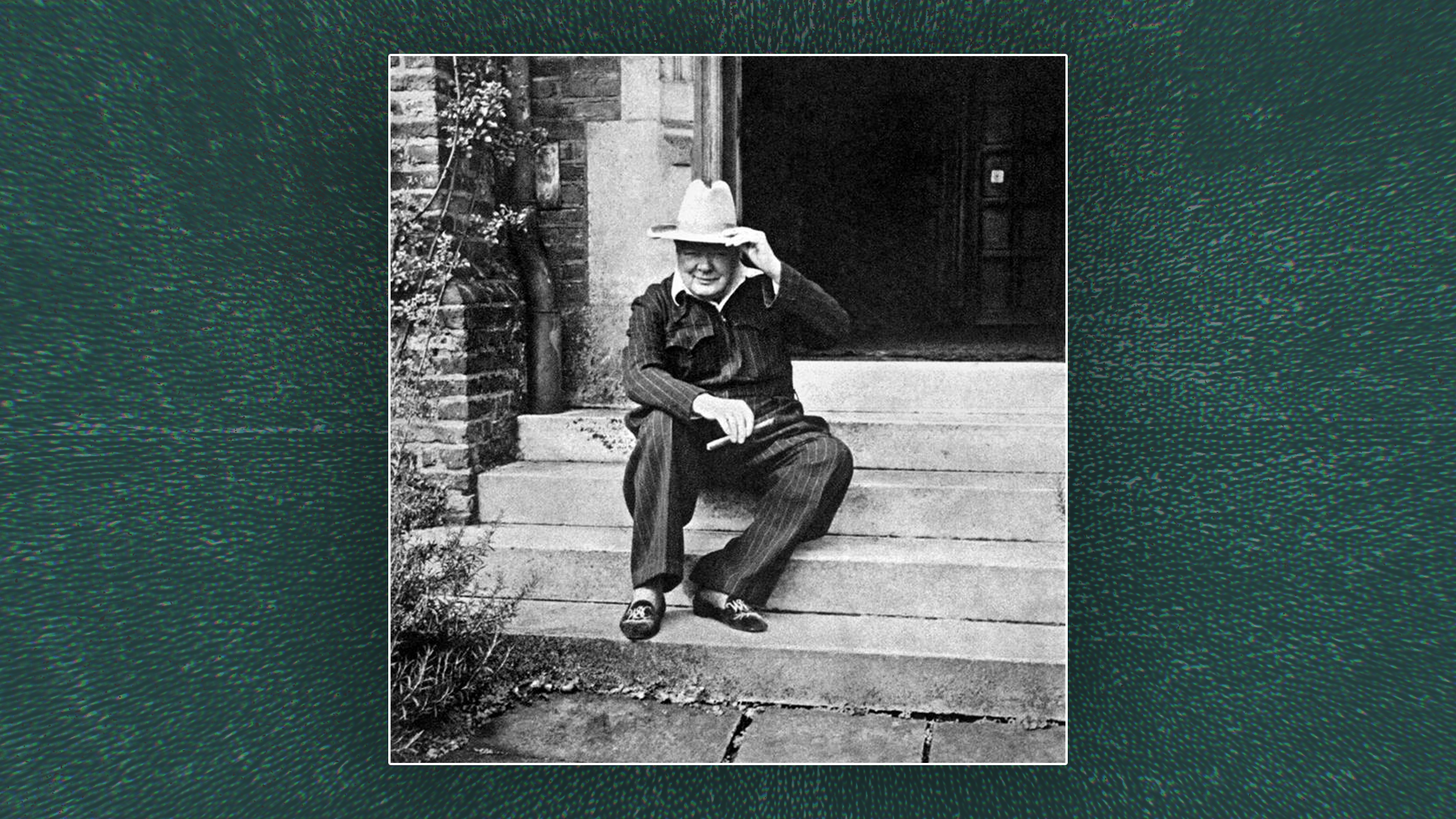
Churchill's Toy Shop
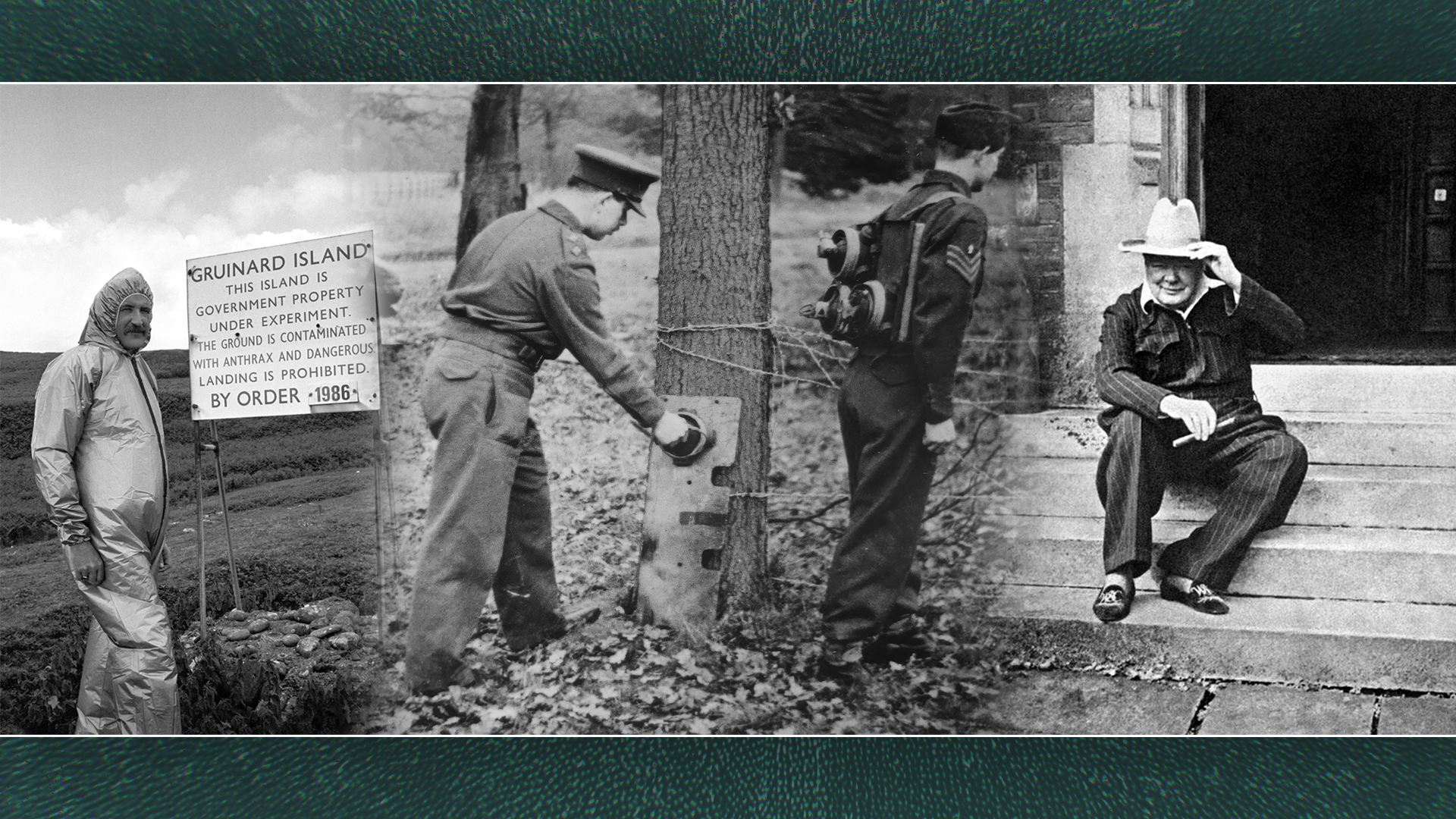
To bypass heavy bureaucracy and the red tape he felt was moving too slowly to meet the urgent wartime needs of the Second World War, Prime Minister Winston Churchill became the driving force behind the establishment of the Ministry of Defence 1 (MD1).
Later dubbed 'Churchill's Toy Shop' by bureaucrats excluded from the department's operations, it aimed to invent and test unconventional weapons for secret units, such as the Special Operations Executive (SOE), tasked with sabotage and resistance operations deep behind enemy lines.
Initially at 35 Portland Place, London, the department relocated to the Firs after the building was hit and damaged by enemy air raids.
Located near the Prime Minister's estate at Chequers, the near-constant explosions from weapon testing on the ground earned it the nickname 'bang village' from residents.
Cannonball
In his book 'Winston Churchill's Toyshop', Colonel Robert Stuart Macrae, co-founder and second-in-command of MD1, described how he and Captain Cecil Vandepeer Clarke MC developed the first limpet mine in Bedford.
The raw materials needed for the first test devices, which were essentially large tin bowls, were purchased from a local Woolworths, and made into containers for the explosives by a local tinsmith.
A delayed-action initiation, which would cause the limpet mine to explode after a time delay, was fashioned using aniseed balls, which took exactly the right length of time to dissolve.
The chosen location for this highly unconventional, highly volatile prototype? A swimming pool in Bedford.
Due to the secretive nature of MD1, the exact total number of experimental prototypes, modifications, and concepts is hard to pinpoint.
Nevertheless, standard records indicate more than 50 distinct weapons and devices went into full production, including the Sticky Bomb and the PIAT – a portable anti-tank mortar which later replaced the obsolete Boys anti-tank rifle.
So, although these innovations would later prove their worth on the frontlines of the Second World War, their capabilities were tested much closer to home – in the quarries, fields, and swimming pools around England.
Operation Vegetarian
While not directly related to efforts to cut through red tape, Operation Vegetarian represented a more unconventional form of military research: an unused biological warfare plan devised by Britain during the Second World War.
The intent was to drop more than five million anthrax spore-infected linseed press cakes – cattle feed – across rural German fields, dropped from RAF bombers.
The cakes would infect cattle, in turn killing the livestock and triggering food shortages, while causing sickness or death in the human population that consumed the meat.
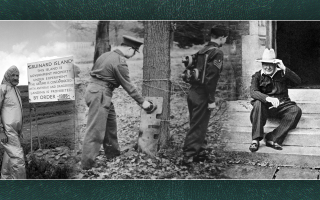
Research testing took place on the remote, unhabituated Scottish island of Gruinard Island in 1942 by scientists from Porton Down, which served as the epicentre for Britain's chemical and biological research, testing, and countermeasure development.
A total of 80 sheep were brought to the island for the initial phase, and a bomb containing the anthrax spores was detonated.
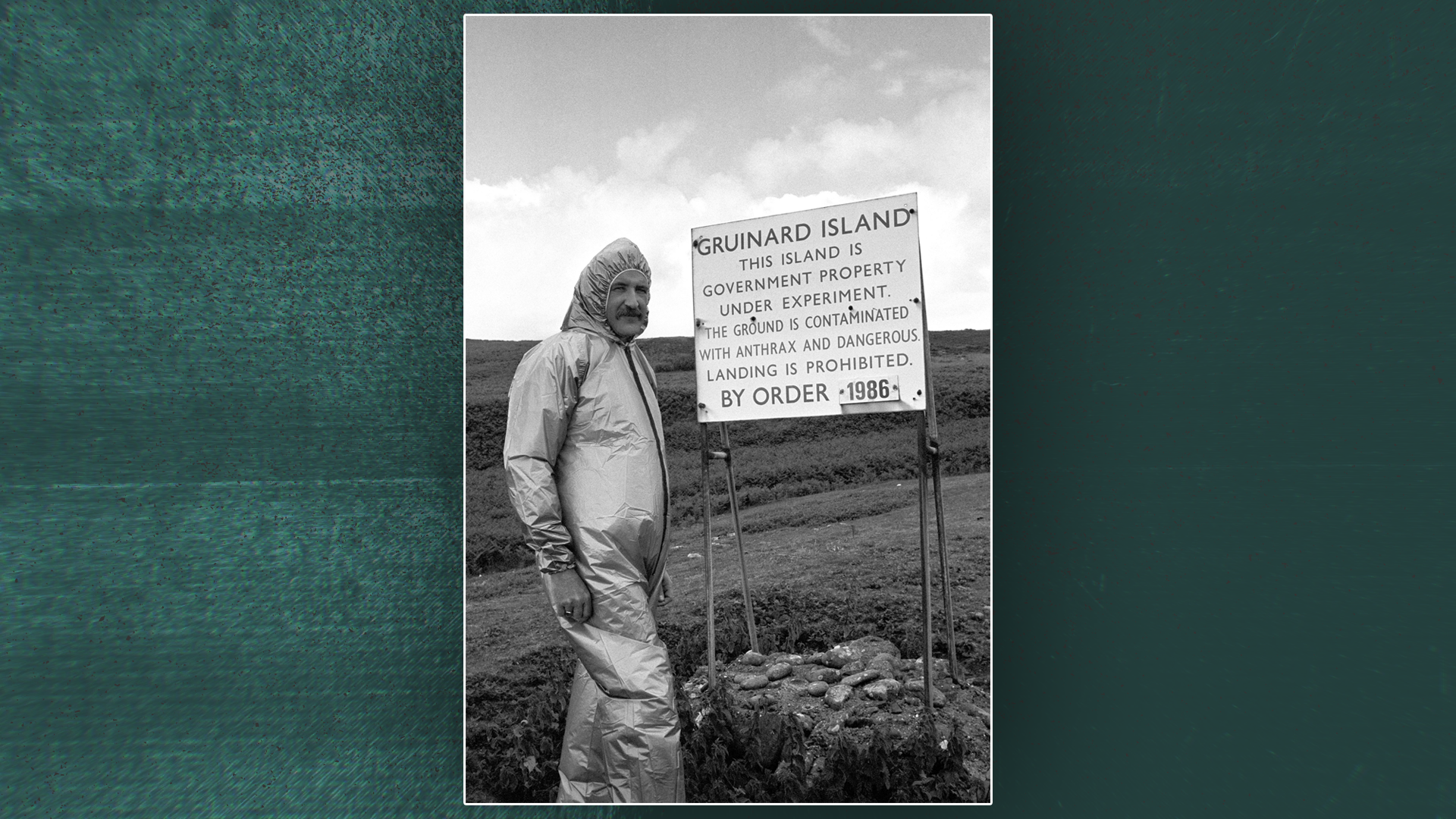
The test exceeded expectations, and every sheep on the island died within days.
Nevertheless, issues arose. A buried sheep carcass had been unearthed during a major storm and had drifted near Gruinard Bay on mainland Scotland, leading to the deaths of some local farm animals.
Fast forward to spring 1944, and Op Vegetarian was given the green light. The idea was to drop the cakes during the summer months, while the German cattle would be openly grazing in the fields.
However, by the time summer arrived, the Normandy Invasion under Operation Overlord had begun, and the plan was subsequently abandoned.
Years later, Gruinard Island would remain severely contaminated with anthrax spores and kept under quarantine until it was finally decontaminated and declared safe in 1990.
The first tank trials
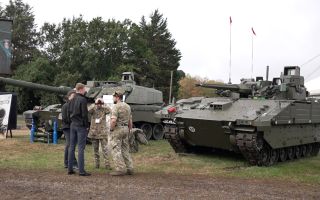
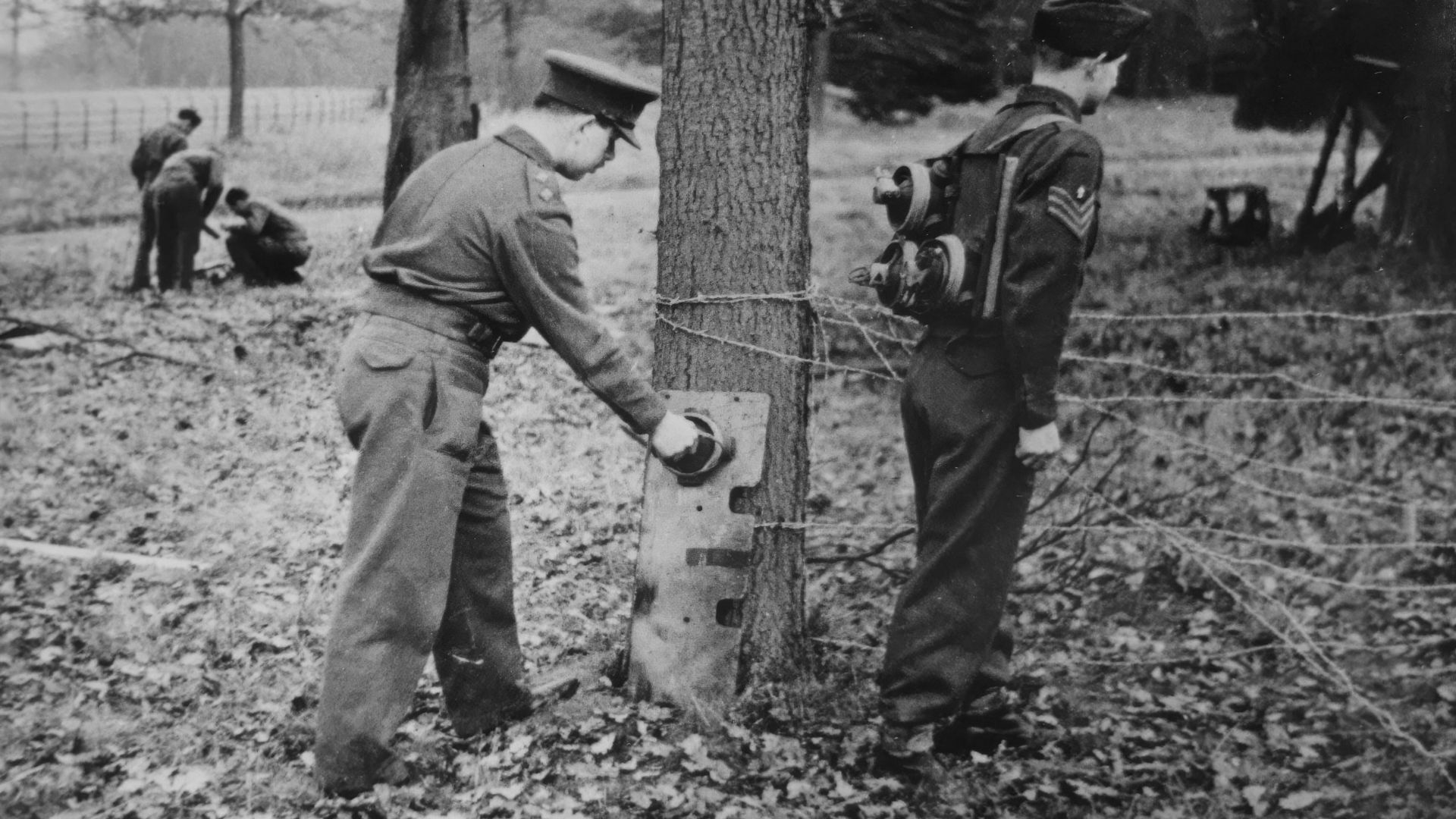
Taking place in Hertfordshire in 1916, a live demonstration saw a prototype that would later become the world's first operational combat tank take to the grounds of Hatfield Park following a series of preliminary trials in Lincoln.
The prototype, named Mother, manoeuvred around a custom-built course inside the private parkland, designed to replicate a Western Front battleground.
Watched by senior military and political figures, the tank crossed waterlogged fields and simulated shell craters, and navigated across wide trenches. The vehicle also crushed through tangles of barbed wire to demonstrate it could clear paths for infantry.
The trials proved successful, and an immediate order for 100 vehicles was placed, later increased to 150.
Designated the Mark I, the tank became the first of its kind used in combat, at the Battle of the Somme on 15 September 1916.
Related topics
Join Our Newsletter