From banking systems and card payments to navigation and military operations, satellites are critically important to UK society.
But as the space domain becomes more crowded and congested, hostile states have begun developing capabilities to jam, disrupt and disable assets in orbit.
In response, the RAF have launched the UK's first-ever dedicated space squadron focused on these threats and protecting space capabilities on which the nation depends.
Announced by the Air Chief of the Air Staff, Air Chief Marshal Sir Harv Smith, No. III Space Effects Squadron will bring together specialist personnel from across the Armed Forces to counter this hostile activity and defend the satellites the nation depends on every day.
Threats of the 21st century
The announcement comes as Defence Secretary Wes Streeting will give a keynote speech at the UK's first Space Power Conference later today.
He will warn that "Britain has to keep pace in the new space race", noting that "control of the waves was the essential ingredient in 19th century deterrence".
"That is why Britain built the finest naval power in history," he is expected to say.
"In the 20th century it was control of the skies, and so we built a world-class Air Force to protect us. This century will depend on control of space.
"Our dependency on space is precisely why it is increasingly under threat from our adversaries. That threat is growing in scale, speed, and sophistication. And challenges in space increasingly mirror the geopolitics on Earth."
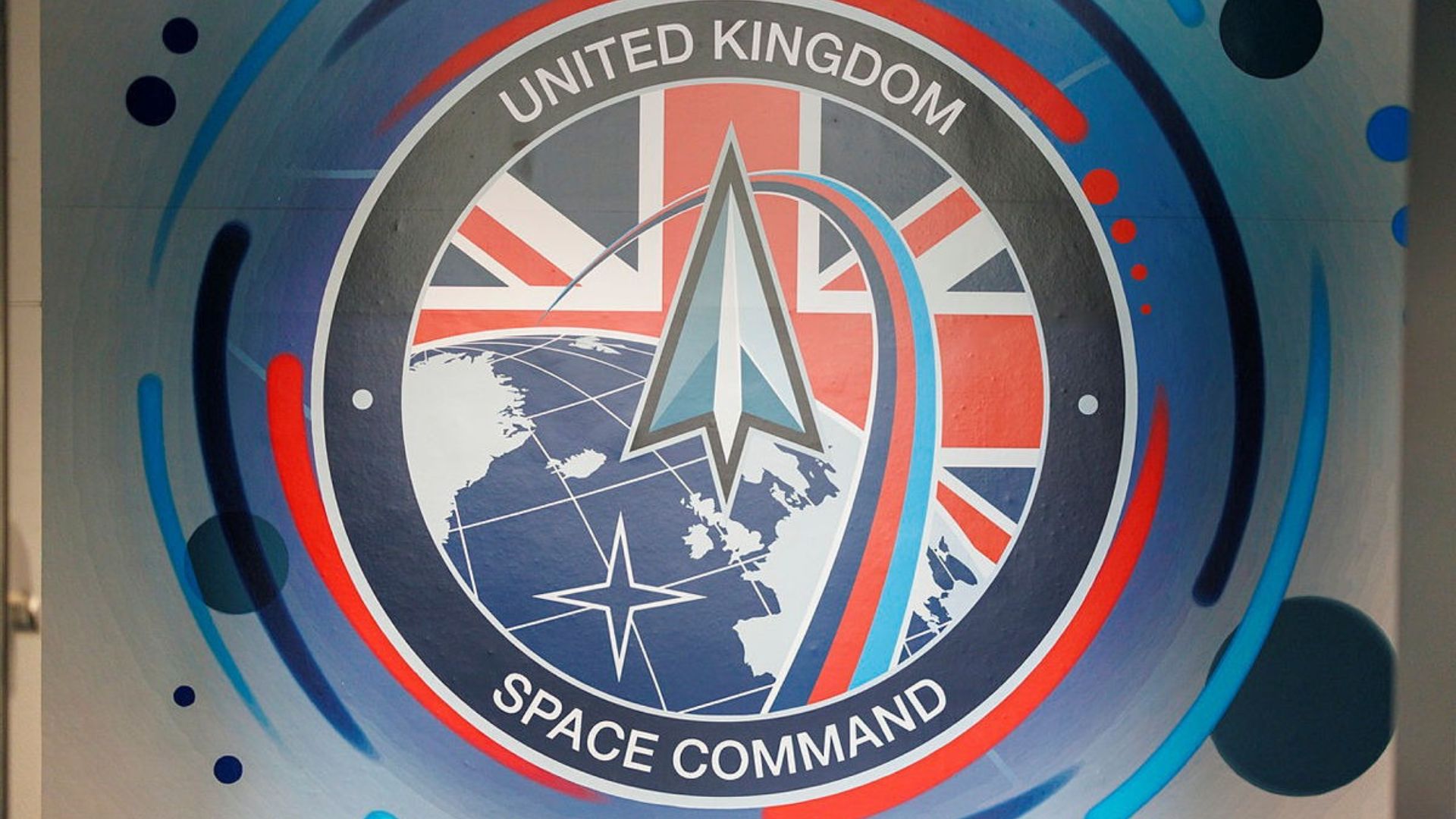
While the squadron's sister units – No. I Space Operations Squadron and No. II Space Warning Squadron – already give the RAF the ability to observe and warn of threats in space, No. III Squadron will react to those threats.
It will use advanced technology, such as electronic warfare capabilities, and will support both offensive and defensive space operations, expanding over time as new technology emerges.
The work delivers on the UK's Control of Space Requirement, a core defence objective set out in the UK Space Strategy, which maintains Britain's freedom to operate in space and deny that same advantage to adversaries.
It includes an £880m investment through 2030 in space-based intelligence, surveillance and reconnaissance, and space control activities.
Meanwhile, SaxaVord Spaceport, on the island of Unst, Shetland, at the northernmost point of the UK, is set to receive a further £30m in support through the UK Space Strategy.
Crowded space
The move announced on Wednesday comes after warnings that other nations have been building up military capabilities in space.
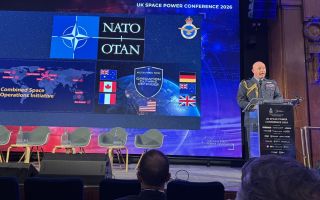
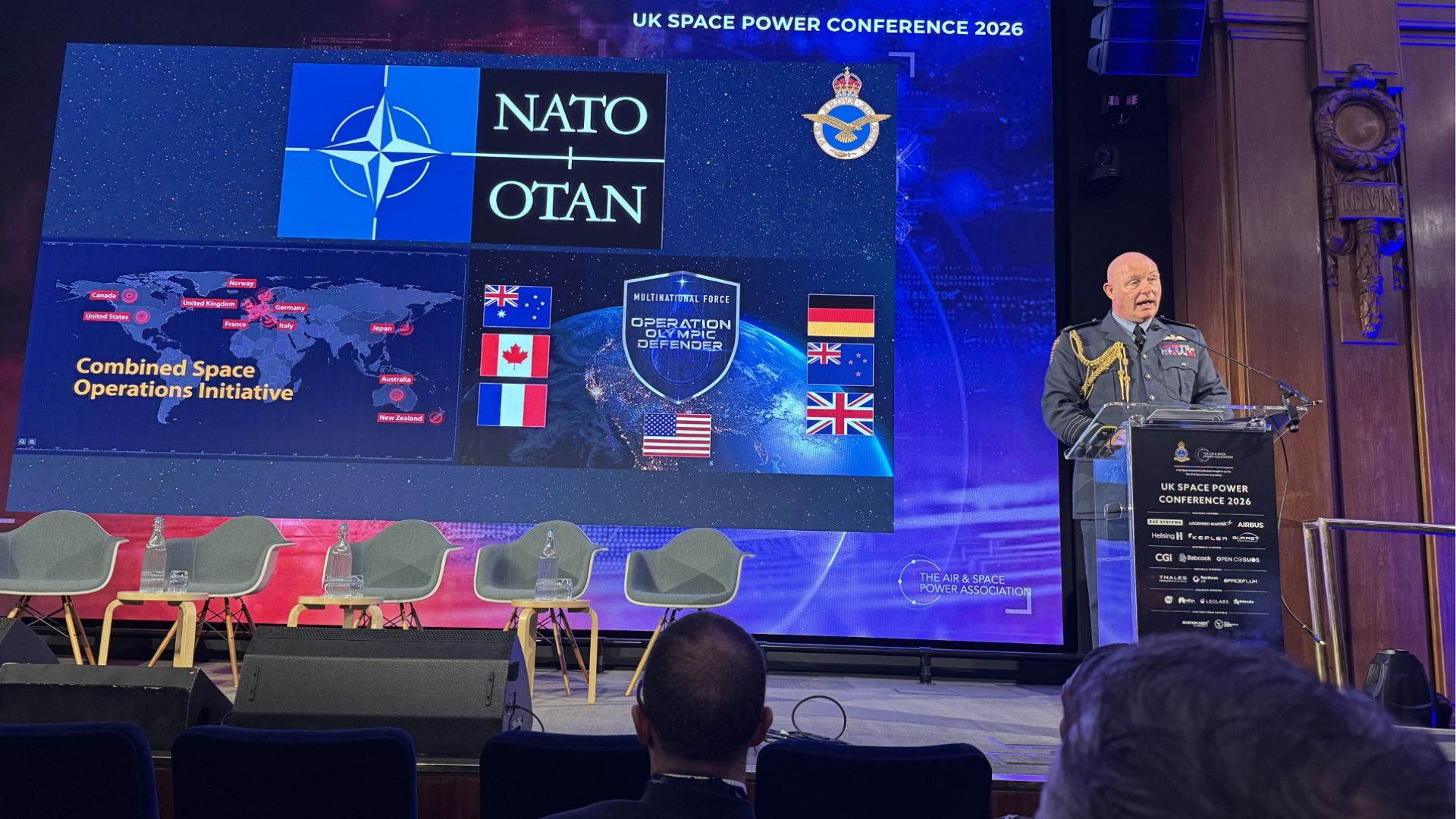
Speaking at the UK Space Power Conference in London, ACM Smyth said space had "become a warfighting domain whether we like that or not".
He pointed to recent Russian behaviour, including "dangerous" manoeuvres by Moscow's military satellites near Finnish commercial satellites, and attempts to disrupt GPS signals as evidence of "more irresponsible and provocative actions from our adversaries" in space.
He said: "Make no mistake, the satellite services you may have taken for granted now face unprecedented threats."
Major disruption to GPS satellites could cost the UK £1.4bn a day, he added.
The UK has formally ruled out destructive anti-satellite missile testing and continues to work through the UN Committee on the Peaceful Uses of Outer Space to promote norms, rules and principles of responsible space behaviours.
The new squadron will be tasked with defending satellites, including those guiding ships, providing communications and warning of missile attacks, the MOD said.
Related topics
Join Our Newsletter