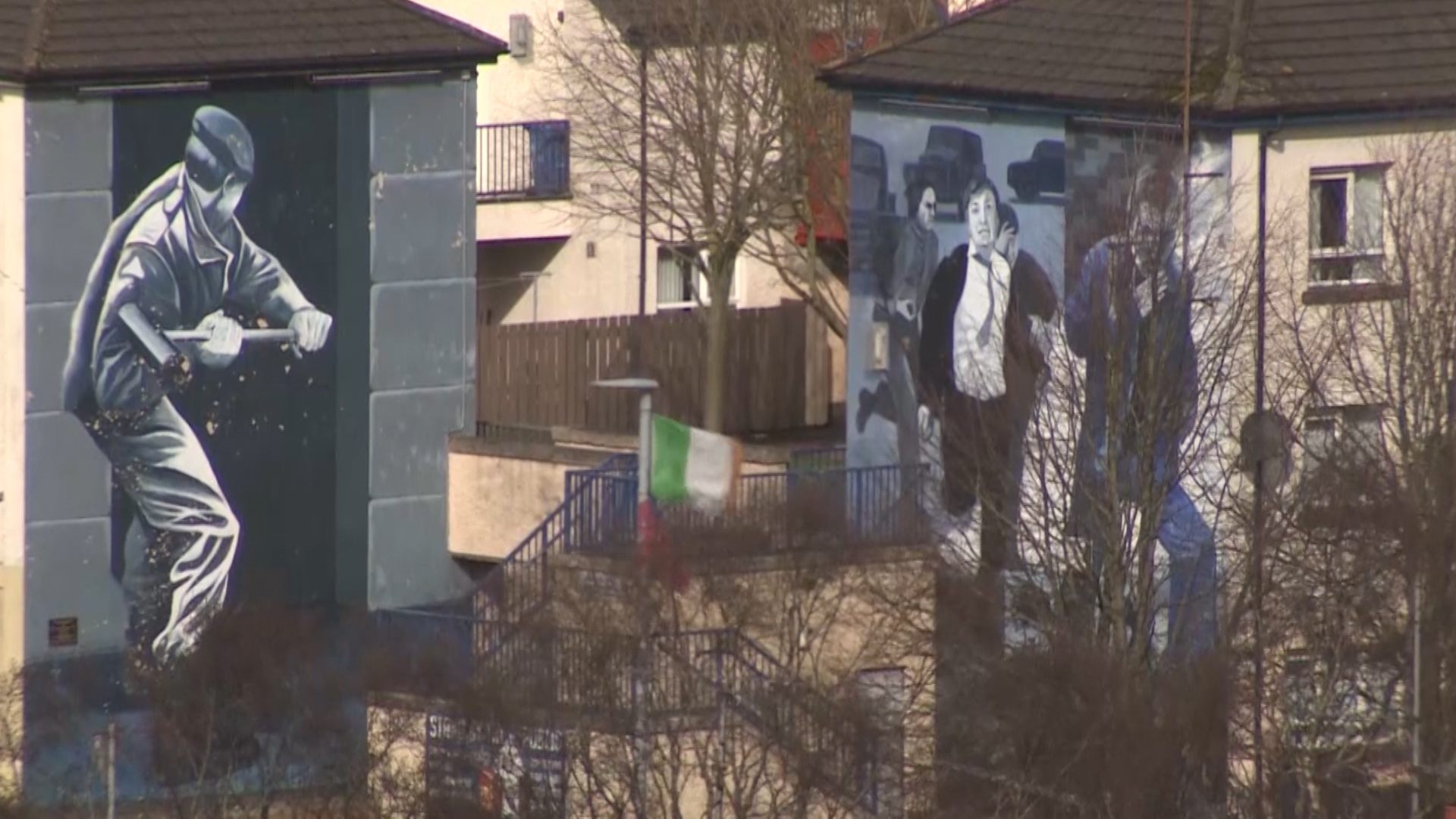
Troubles Bill clears Commons despite fresh warnings over protections for military veterans
MPs have backed legislation to deal with the legacy of the Northern Ireland Troubles, despite warnings that it would leave veterans exposed to repeated investigations.
The Northern Ireland Troubles Bill passed its third reading by 330 votes to 178 on Tuesday in the House of Commons and will now go to the House of Lords for further scrutiny.
Ministers say the legislation would help bereaved families obtain answers while protecting former service personnel.
- Seven bidders shortlisted in contest to replace Army's Land Rover and Pinzgauer fleets
- Troops must be the best at killing their enemy at short distances, head of the Army says
- Gruelling British Army endurance challenge won by visiting French infantry soldier
But former defence minister Al Carns challenged those assurances, arguing that the bill does not adequately protect veterans.
Mr Carns, who served in Northern Ireland in 2003, said he remained "deeply concerned" despite supporting several government amendments.
The former Royal Marine argued that the legislation could allow lawyers to "rewrite history" and "paint the state as the aggressor", leaving elderly veterans facing further years of legal proceedings.
Conservative MP Stuart Anderson, who spent 18 months in Belfast after deploying as a teenager, questioned the impact of asking older veterans to revisit traumatic experiences.
The South Shropshire MP warned they could be asked to recount "things that they do not want to remember or possibly cannot remember".
Drawing on his experience as a rifleman, he described following orders and making split-second decisions under the rules of engagement.
Shadow defence minister Mark Francois pledged to continue opposing the legislation, including in the Lords, saying his party's mission was to "defend those who defended us".
Northern Ireland Secretary Sir Chris Bryant defended the bill, saying it would protect veterans while helping families establish what happened to their loved ones.
"The goal of this legislation is to create a human rights-compliant legacy process, which all communities, including veterans and former police officers, can have absolute confidence in," he said.
What would the bill change?
The legislation would replace key parts of the previous Conservative government's 2023 Legacy Act and reform its investigative body, the Independent Commission for Reconciliation and Information Recovery, renaming it the Legacy Commission.
It would remove the act's conditional immunity scheme, which courts found incompatible with human rights obligations, allow civil claims and enable some previously halted inquests to resume.
Civil claims would be permitted and some previously halted inquests could resume.
Other cases would be examined through commission proceedings with powers based on public inquiries.
The Attorney General would have to consent to serious Troubles-related prosecutions, a change Sir Chris said would provide greater consistency.
DUP leader Gavin Robinson argued that involving the Attorney General would not provide greater protection for veterans, while Labour’' Andy McDonald urged ministers to reconsider the change
Sir Chris insisted political considerations could play no part in those prosecution decisions.
Other provisions would require investigators and coroners to consider service personnel's training, orders and operational circumstances.
The legislation would also distinguish their lawful conduct from terrorist acts committed by paramilitaries.
Veterans would be able to give evidence remotely and seek anonymity, with their age and health taken into account.
Investigators would have to gather and review information from relevant state authorities before requiring witnesses to provide information.
They would also have to give particular weight to whether compelling new evidence was known or reasonably suspected to exist, and whether a witness could add information the commission did not already hold.
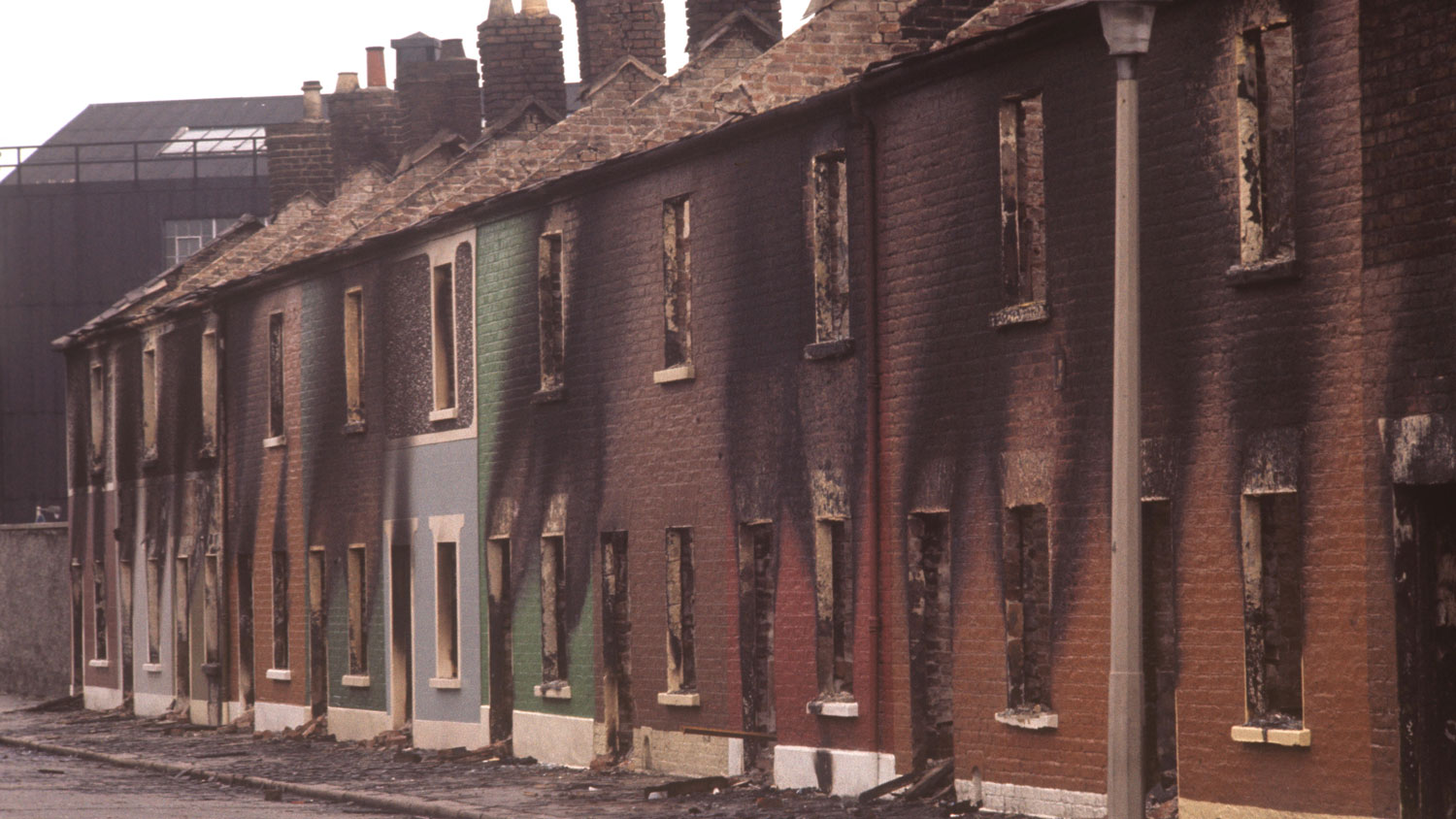
Families still waiting for answers
Former Northern Ireland secretary Hilary Benn defended the legislation, arguing that further delay would leave more families without answers as witnesses and relatives grew older.
"Every family deserves insofar as it's possible to find an answer, how and at whose hands their loved ones died, and that is what we're debating all of these amendments for," he said.
"We are debating all these amendments in order to create a means of finding those answers – a means that people can have confidence in; that was the point on which the previous legislation failed."
Northern Ireland Minister Sarah Owen described the legislation as potentially the "last chance to get it right", saying too many bereaved families were still waiting to learn what happened.
The debate also brought warnings that MPs had insufficient time to examine the changes.
The Government proposed 156 amendments ahead of two days of scrutiny, prompting objections from shadow Northern Ireland secretary Alex Burghart and DUP leader Mr Robinson.
Irish co-operation and Omagh
MPs questioned whether proposed Irish legislation would compel the authorities there to co-operate with the Legacy Commission.
Sir Chris said the two governments intended their legislation to take effect together, and that key UK provisions would not commence until it was clear the Irish government was honouring its commitments.
The commission's remit would cover events between 1 January 1966 and the signing of the Good Friday Agreement on 10 April 1998.
MPs rejected a DUP proposal to extend that period to include the August 1998 Omagh bombing.
A separate public inquiry into that attack is ongoing.
Sir Chris also confirmed that a provision would make clear that so-called on-the-run letters could not be used to prevent or frustrate a prosecution.
Related topics
Join Our Newsletter