Toyota Land Cruiser: Babcock's bid to replace the British Army's Land Rovers
Visit any corner of the globe and you could probably find one pretty easily.
The Toyota Land Cruiser has been in production since the 1950s, with 11 million of them sold worldwide.
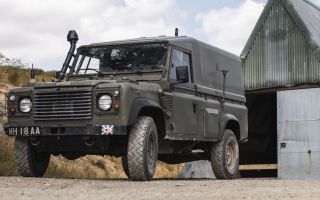
The question now is whether it could also become the British military's next light mobility vehicle (LMV) when the current fleet of around 5,000 operational Land Rovers and Pinzgauers go out of service from 2030.
For the past year we've been taking a look at the seven vehicles that are in the mix for this huge £2.5bn contract.
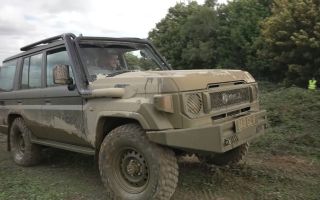
At the recent Defence Vehicle Dynamics (DVD) event at Millbrook in Bedfordshire we met the team from Babcock with their militarised Toyota Land Cruiser.
"It's dominant in the most severe and austere environments," Lewis Bullock, head of mobility solutions at Babcock International, told me as we went for a spin around Millbrook's huge off-road testing ground.
"In hot, dry, dusty, cold, wet and particularly austere and hostile environments for vehicles, this is the vehicle most trusted to get people about."
Babcock's sales pitch is simple: the Land Cruiser is a straightforward, tried-and-tested vehicle, with no fancy electronics or expensive systems that can go wrong.
Plus it comes with Toyota's famed reliability.
Keeping it simple
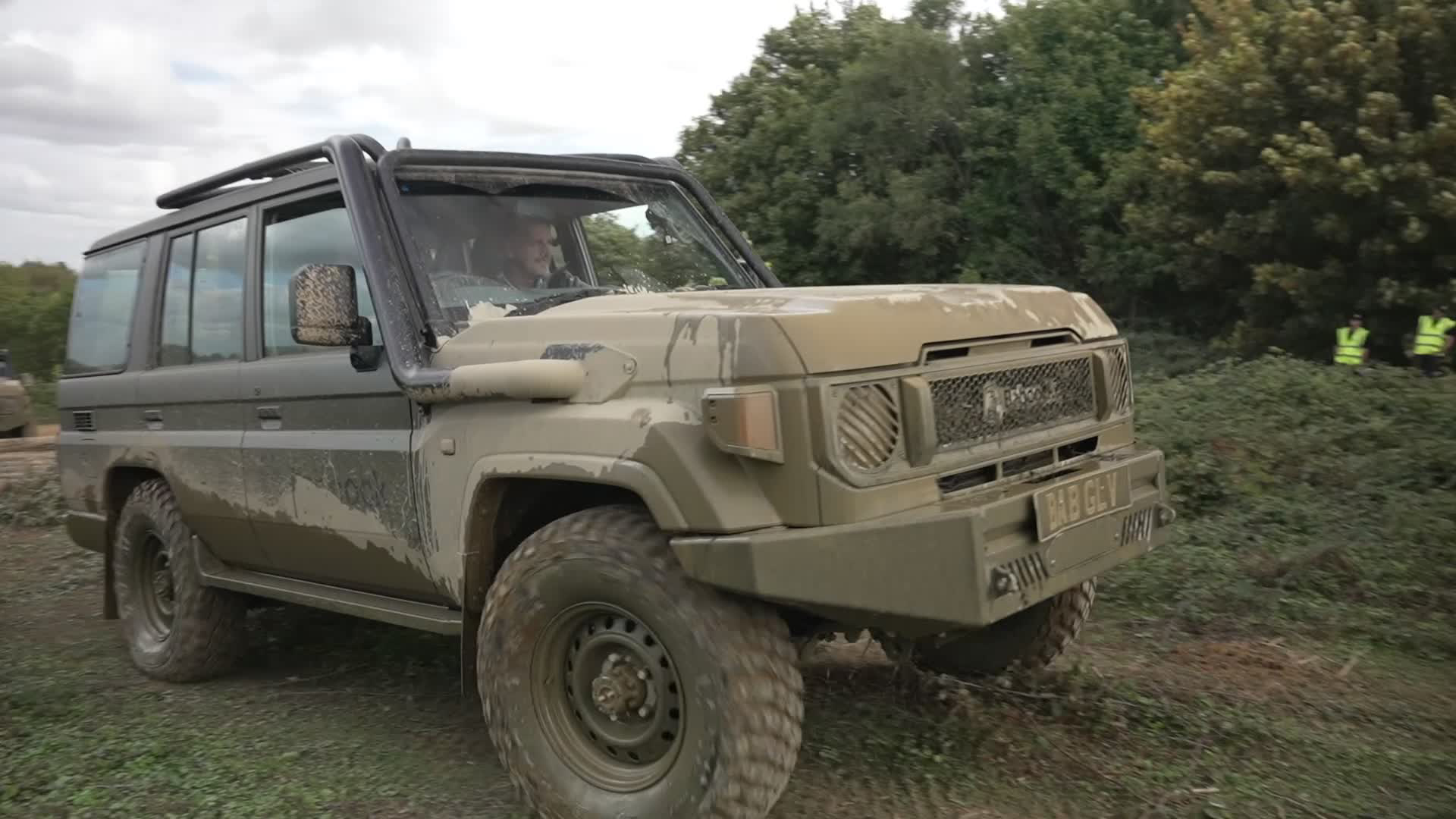
The vehicle it's offering is a version of the Land Cruiser 70 Series, which was first launched in 1984. Babcock calls it the General Logistics Vehicle, or GLV.
Under the bonnet is a 2.8-litre four-cylinder turbo-diesel Toyota engine, producing 200 horsepower and 500Nm of torque. Coupled to this is a six-speed automatic gearbox.
Babcock says the automatic transmission could simplify training and reduce the workload on soldiers driving in difficult conditions.
"We need the soldier to be thinking about soldiering rather than the right gear selection for the terrain around," Lewis added.
While the base vehicle is manufactured in Japan, the military conversion work takes place at Babcock's vehicle engineering facility in the West Midlands, where around 300 people work on the project.
We were given an exclusive look inside.
"It comes in two base chassis sizes, a 76 Land Cruiser and a 79 Land Cruiser, both single cab and also double cab," explained George Woollard, campaign director for light utility vehicles, as he showed us a line-up of GLVs.
"And then we also have our ambulance variant. So again, this is a common base platform that is adaptable and reduces the logistics burden."
Babcock says 70% of the economic value of its Land Cruiser conversions would flow back into the UK if it won the contract, providing long-term work for its West Midlands factory plus opportunities for British suppliers.
Soldier feedback
The company already has experience of converting Toyota off-road vehicles for the British military.
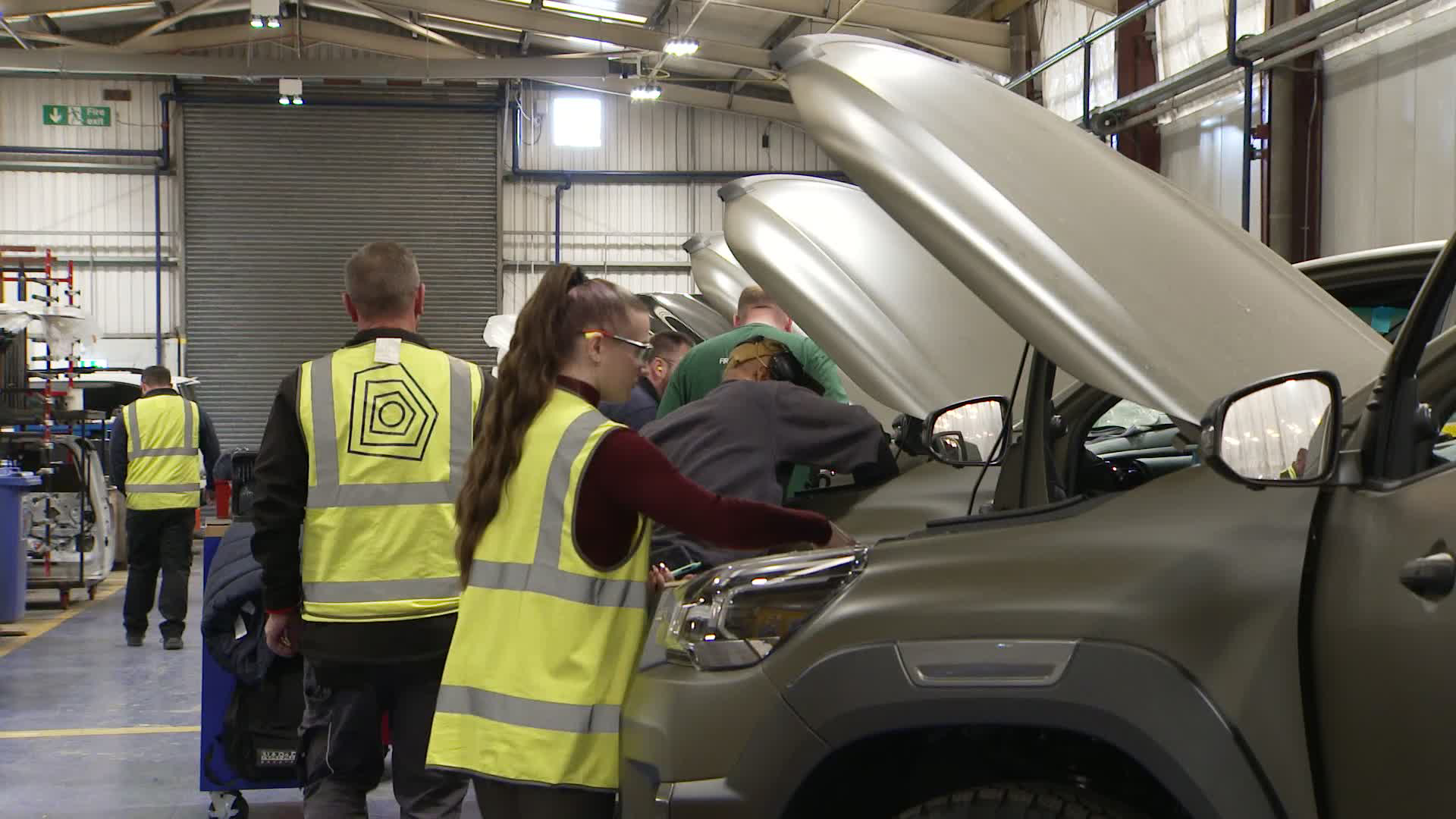
As we are shown around the factory in Walsall there are dozens of Hi-Lux pick-ups undergoing conversion work, with mechanics beavering away under bonnets to a soundtrack of air tools and grinders.
These, we are told, are some of the 270 vehicles destined for 11 Brigade, the British Army's first dedicated drone unit.
Babcock is also working with Supacat, the company that makes the British Army's Jackal and Coyote armoured vehicles, on a semi-open tactical version of the Land Cruiser.
Ellie Livingston, project manager on the LMV contract, told me how staff had been to various trade events to gather feedback from British soldiers who have seen and used its vehicles.
Any suggestions were then passed back to the engineers responsible for adapting them.
"It'll be the lads who do the fabrication or do the fitting – they will come back and say 'a soldier told me this – is there something we can do about it'?," she explained.
"They are not only just massively excited to be working on this project, they're so interested in seeing British soldiers in those vehicles, and it would mean so much to them."
The Land Cruiser is competing against six other vehicles, each offering a different approach to the MOD's requirements.
The successful bidder has to demonstrate that its vehicles can meet operational needs while providing a sustainable solution for training, maintenance and long-term support.
The seven contenders are expected to deliver three demonstration vehicles each to the MOD later this month, with the eventual winner expected to be announced next spring.
Seven hopefuls, one contract
The companies and consortia in contention for the Light Mobility Vehicle contract are:
:: Babcock International Group (Toyota Land Cruiser)
:: General Dynamics Land Systems UK (Ford Ranger)
:: Ineos Automotive (Grenadier)
:: Iturri SA (Stellantis Gritstone)
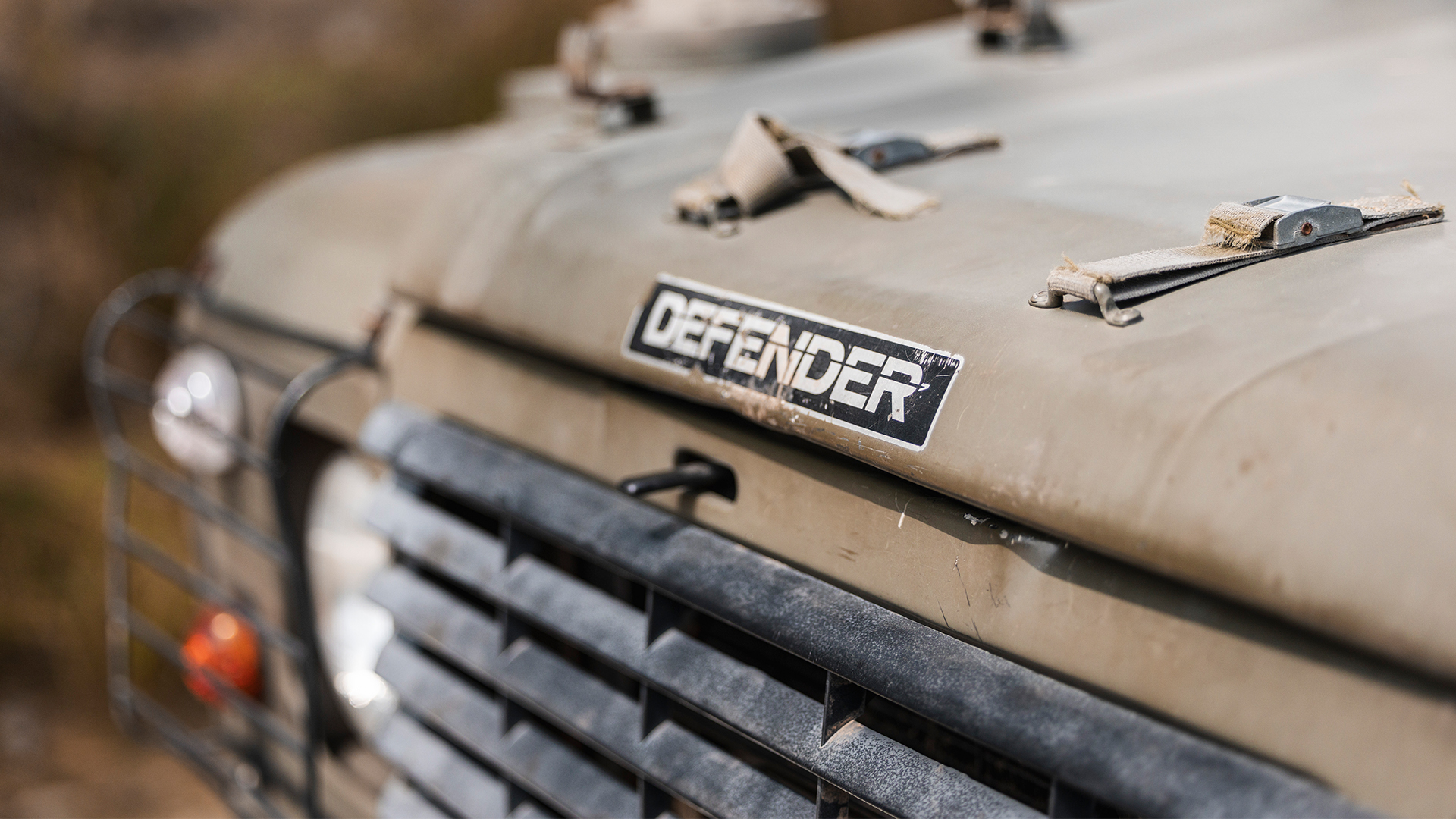
:: Jaguar Land Rover (Defender Wolf Series II)
:: NP Aerospace Limited (Chevrolet Colorado/Silverado)
:: Rheinmetall Defence UK (Mercedes G-Class/Caracal)
Related topics
Join Our Newsletter