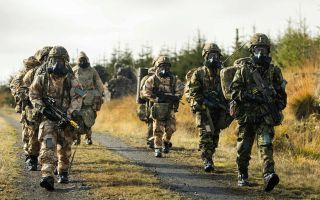
RAF medics practise evacuating casualties in Estonia on Exercise Vigorous Warrior

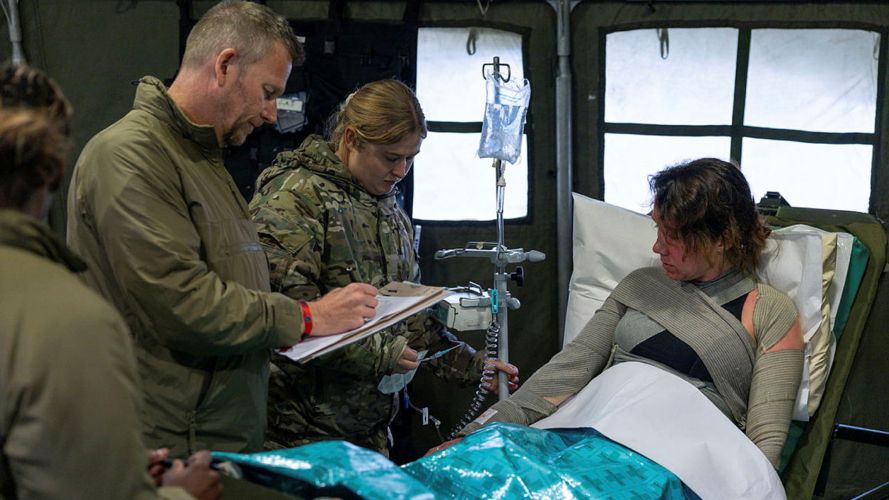
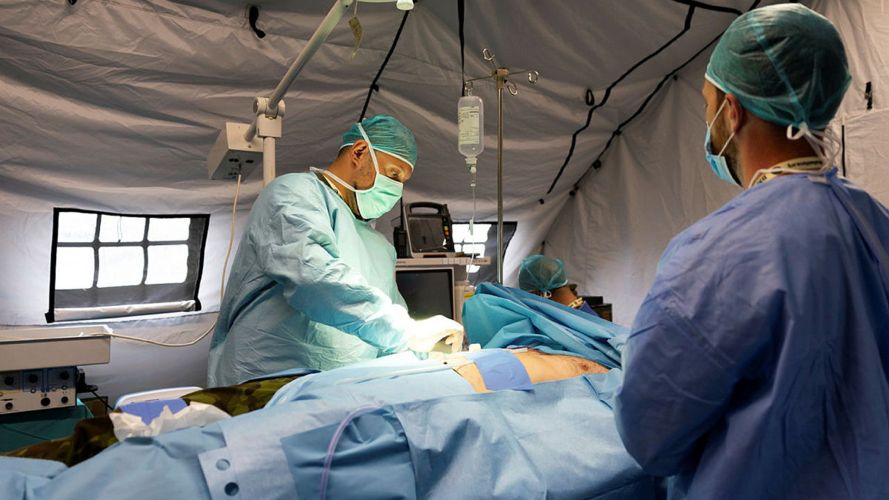
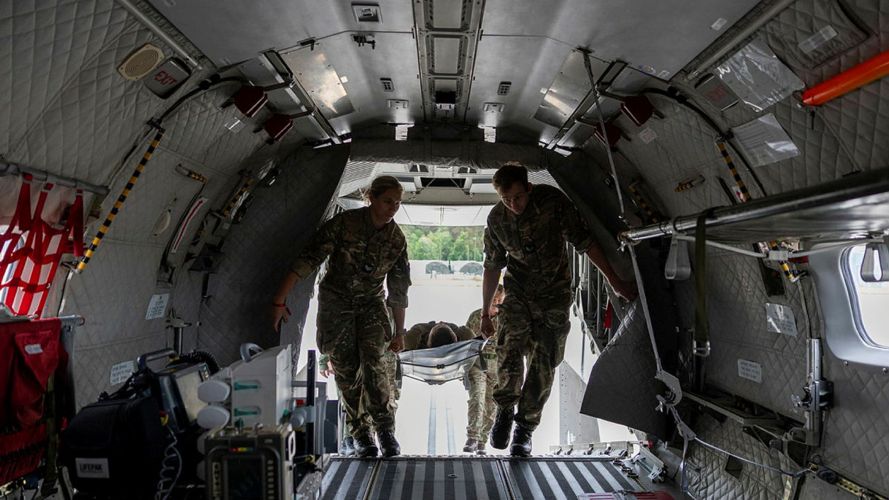
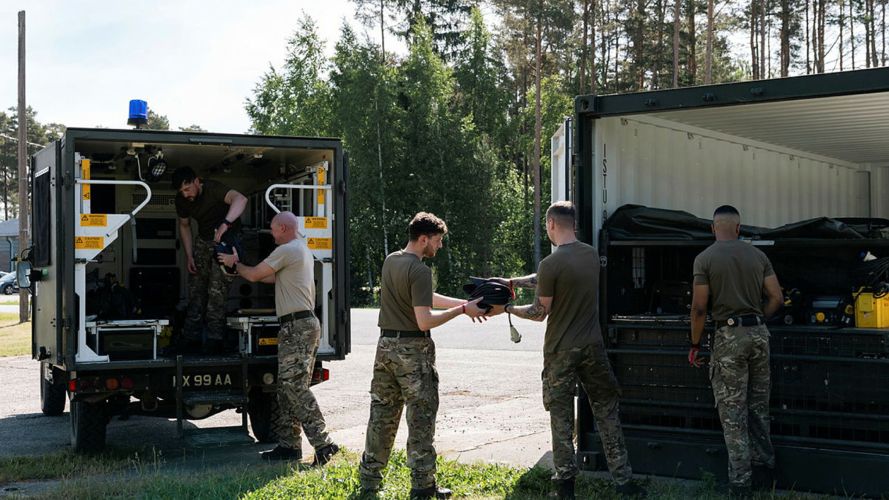
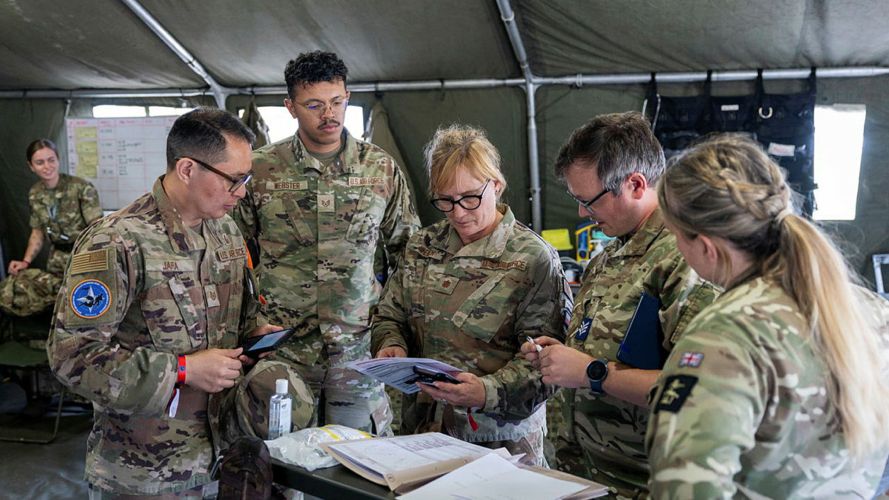
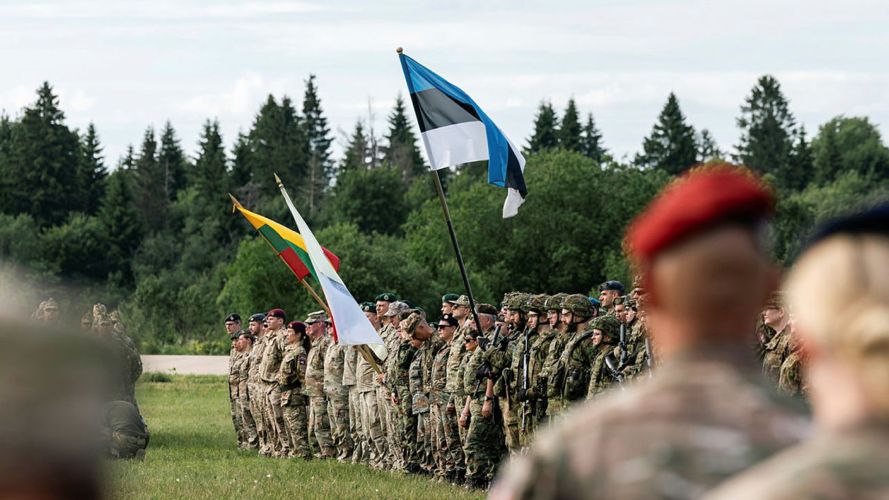
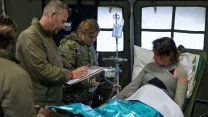
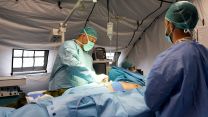
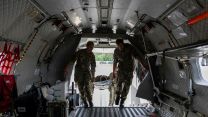
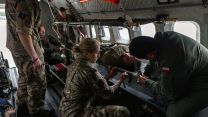
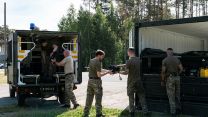
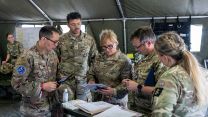
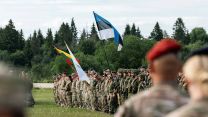
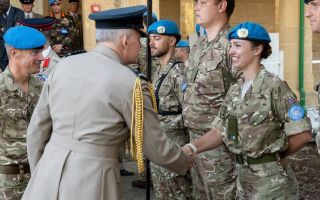
Almost 2,000 military and civilian personnel from 32 nations have worked together to train how to treat and evacuate casualties in crisis in Estonia.
Exercise Vigorous Warrior, which is one of Nato's largest medical training exercises, is held every two years, and this year's iteration was hosted by the Estonian Defence Forces and the Estonian Health Board.
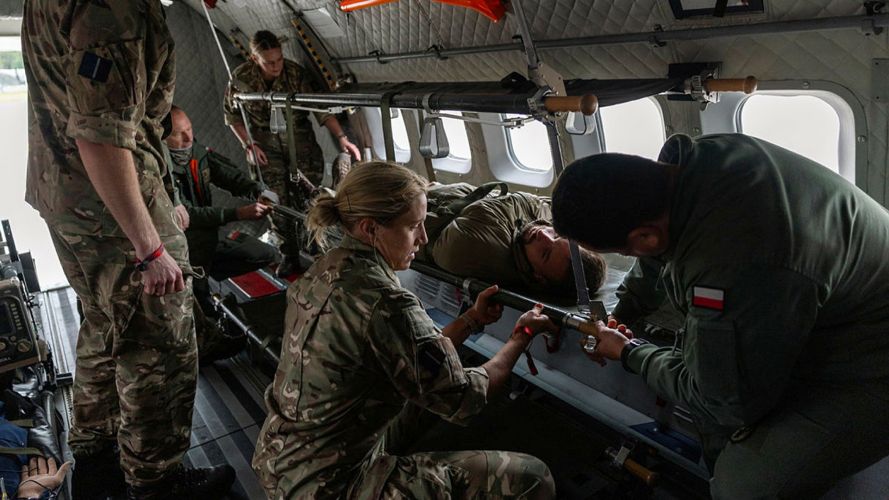
The RAF Medical Force deployed its Aeromedical Staging Unit, a specialist team responsible for preparing patients for transport by air, working alongside Army Reserve personnel from 144 (Parachute) Medical Squadron, the Defence Medical Command and medical teams from across Nato.
The RAF medics practised the full chain of care: treating casualties at the point of injury, stabilising them, and moving them safely through to hospital treatment.
"Vigorous Warrior provided the opportunity to exercise the Royal Air Force Aeromedical Staging Unit's capabilities in a complex, multinational environment," Squadron Leader Netherton, Aeromedical Staging Unit's leader, said.
"Alongside partners, we delivered seamless patient movement from the point of injury through to strategic evacuation out of theatre, putting the operational patient care pathway into practice."
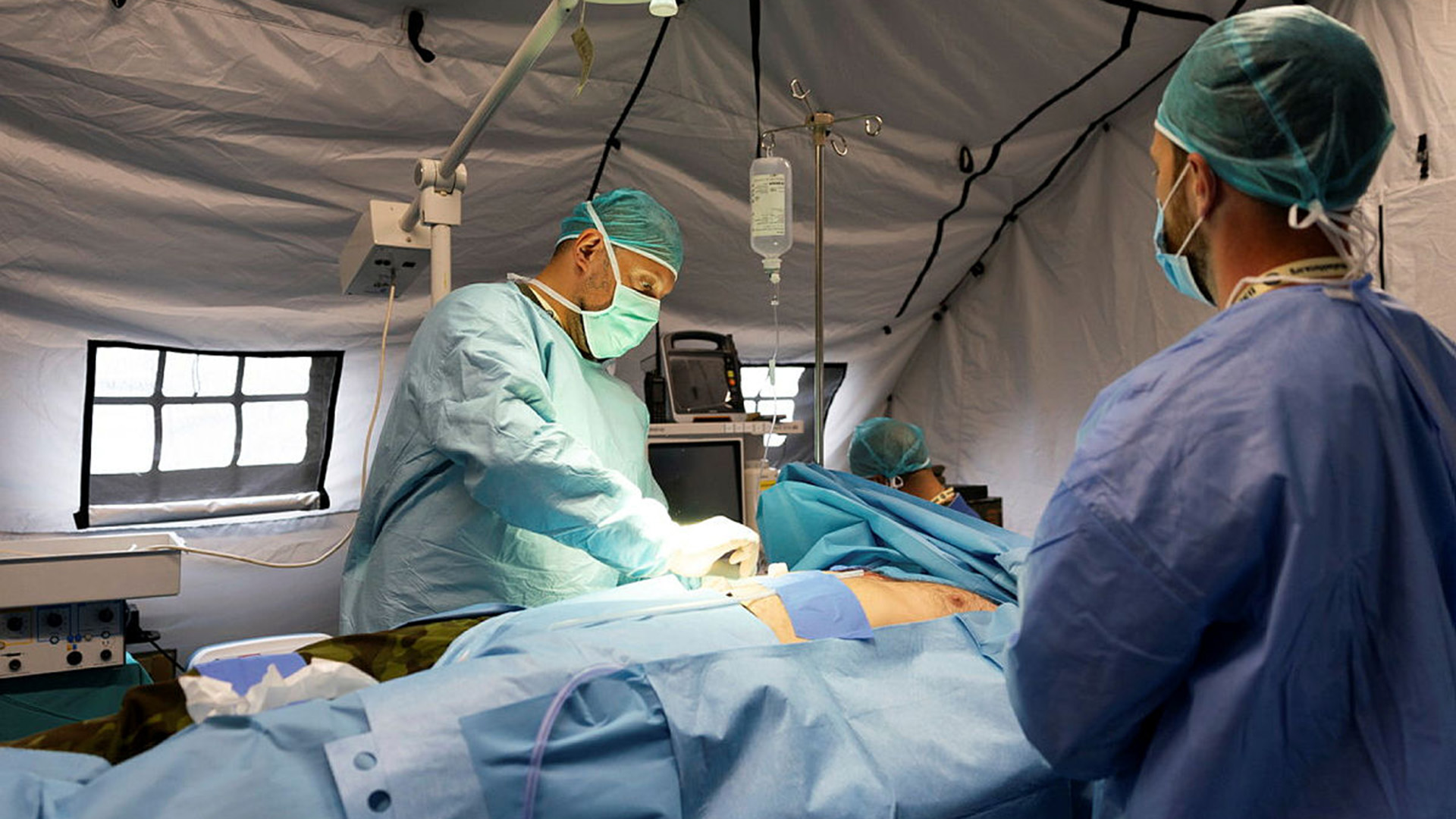
For some of the personnel, it was their first experience of an exercise from the 32-member alliance.
"This exercise has provided a valuable opportunity for me to observe the wide range of nationalities and capabilities involved and understand how each element contributes to achieving Nato's wider mission," Flight Lieutenant Thompson, a Reserve Medical Support Officer from 612 Medical Reserve Squadron, said.
"Seeing different nations come together in shared purpose highlighted the capability, resilience, and success of Nato medical services in delivering an effective operational patient care pathway."
The exercise also examined the ability of military medical teams to work alongside civilian healthcare professionals, a skill that is just as important at home as it is overseas.
When the RAF has been called on to support civilian authorities during emergencies, such as the Covid-19 pandemic or the Salisbury nerve agent poisonings, this joint work proves essential.
The training used lessons from recent conflicts to make sure the RAF's approach reflects the realities of today's security environment, keeping skills sharp and procedures current.
Related topics
Join Our Newsletter