Woman of war: The British commodore deterring Russian subs and keeping the seas open

I'm just back from Iceland, where I spent time with the Royal Navy commodore in charge of a flotilla of warships patrolling the North Atlantic.
Its formal name is Standing Nato Maritime Group One (SNMG1), and alongside providing a visible deterrent on the ocean surface, its mission is to guard the critical undersea communications infrastructure that enables everything from online banking to booking a holiday.
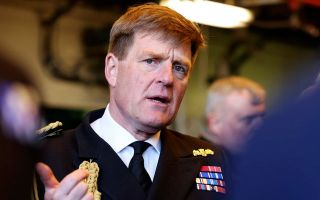
The task force is led by one of the Royal Navy's top senior officers: Commodore Maryla Ingham.
Visible deterrence since 1968
As direct as she is widely admired, Cdre Ingham has a clear warning about how much we take our connected world for granted – and how quickly it could all be severed.
"I think there's a misconception that all of our information comes out of the sky, but 97% of the internet comes from under the sea," she told me.
"So, whether you're trying to do a banking transaction, watch something on YouTube or play a game on your phone, the likelihood is that information has come from under the sea."
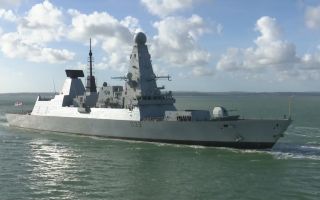
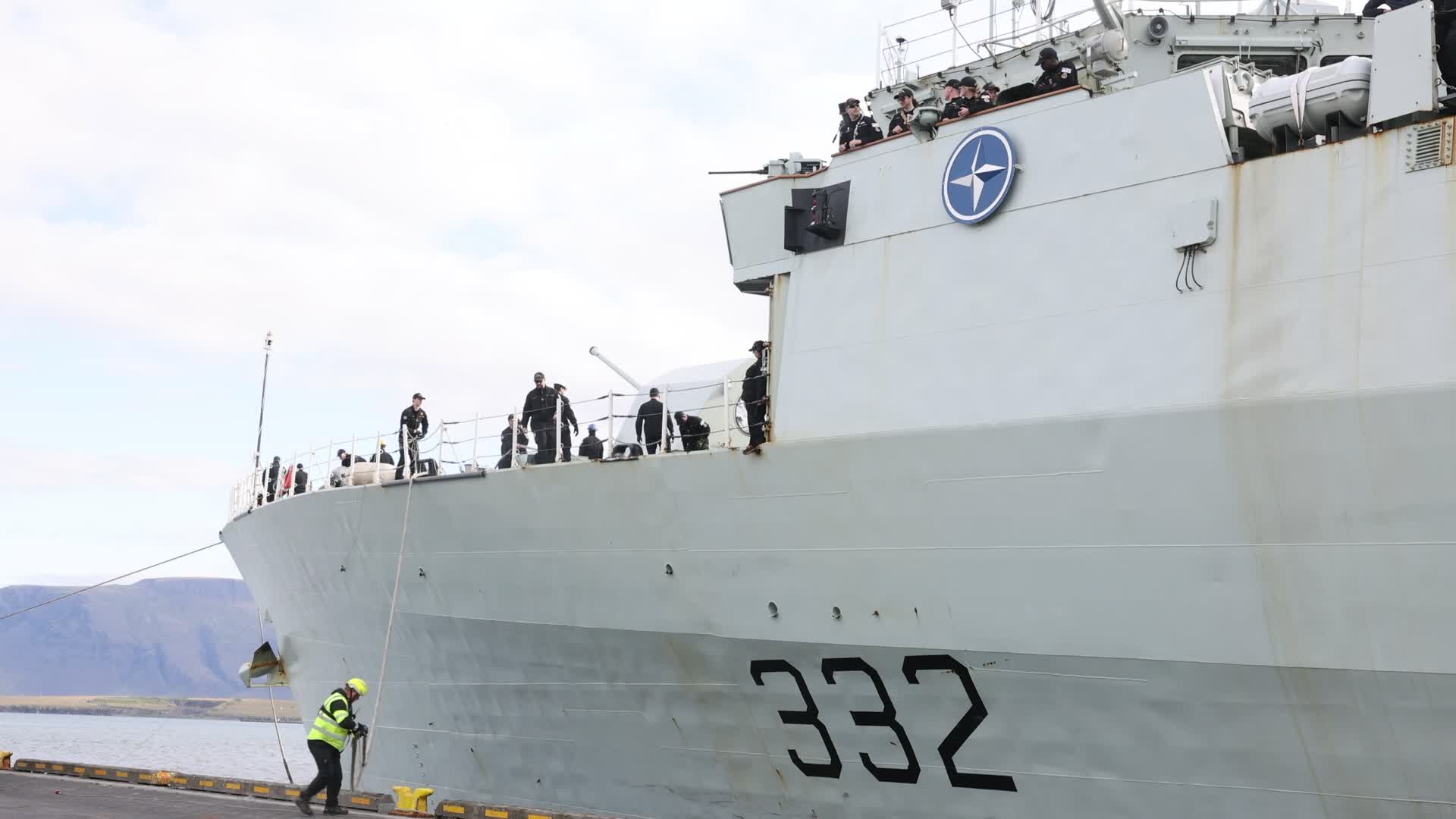
The chance to meet the commodore and see the task force's work first-hand meant arriving in Reykjavik ahead of its flagship, HMCS Ville de Québec – used by Cdre Ingham to command SNMG1 – as it pulled alongside after a week-long transit through the Arctic Circle.
Ahead of boarding, we met the Canadian liaison team whose job it is to fly around the world and be ready with anything and everything needed for the ship to carry on its work.
That morning, as we stood together awaiting the Halifax-class frigate in Reykjavik port, the thing I noticed most was an industrial supply of washing-up sponges.
En route to Iceland, the ship had been carrying out the visible-deterrence mission that Nato has become far keener to project of late.
Part of that is driven by an uptick in the sort of Russian activity that could plunge half of Europe offline; part of it is in response to US criticism over European defence contributions.
But Cdre Ingham won't be drawn on this; instead, she points out that her task force has been operational since 1968.
'Maybe I am a role model'
Cdre Ingham continued: "What I will say is that this kind of activity is routine for Nato because we have member states in this area. We react to the threats as they are because we are an agile alliance; we have the flexibility to surge, which is a great attribute of maritime power.
"And really, a lot of it is about understanding the environment because the world is changing. In terms of climate change, those routes have been becoming more clear, so there is an increased focus at the same time."
Cdre Ingham, who at the age of 47 is the first woman in the Royal Navy's 366-year history to have held five separate commands, admits to being frank when it comes to commanding ships and other personnel.
"People work best when they know what it is they need to achieve, why they need to achieve it and that we care for them," she said.
She is, to use her own words, herself a naval wife, having married a fellow officer in the service. It means she can confidently claim to have more than just an insight into the sacrifices that come with a career at sea.
"I know what it's like to be the one at home, so I do just want to say a massive thank you to all the families," she added.
I asked the commodore to talk about the role model status she, like it or not, finds herself occupying when it comes to being one of the most senior women in an organisation that has only ever been led by men.
"I don't really think about it to be honest with you, because I'm here just concentrating on getting on with my job," she said, somewhat through gritted teeth.
"What I will say is that it's quite normal in the UK to have female leaders; we had a Queen for over 70 years, we've had three female prime ministers, and I think people are really used to seeing women in charge, whether that's in business, schools, finance and sport.
"Yeah, maybe I am a role model; it's a heavy thing to put on somebody," Cdre Ingham concedes.
Can she foresee a woman leading the Royal Navy any time soon? "No comment" came her immediate response. I took my cue to move on.
Seamless interoperability
On Wednesday, Cdre Ingham hands over command of SNMG1 to another senior figure drawn from a navy in Nato – this time it's the turn of the French.
It's been this way for decades, every six months or so, passing the baton on to somebody else – from somewhere else – but always bound by the same values of peace and deterrence. There are, though, things that still catch her off guard when it comes to interoperability and working with international partners.
"The Germans have their main meal at lunchtime," she said, but if that's the only thing people notice, she added: "it just shows how seamless it is to work between two nations".
Cdre Ingham continued: "And working with the Canadians, obviously we have the same king; the same head of state. A lot of traditions from the Canadian navy originated in the Royal Navy, and we’ve always worked really closely together. Every nation is different."
Commanding SNMG1, the commodore says, is right up there with some of the best appointments she's held across her 27-year career in the navy.
"I've learned a lot, and that sounds really trite, but I genuinely have," she said. "And I've made some great friends, and I think friends that will endure. And I think people that I’m going to work with again."
It is impossible not to notice the absence of a British ship from which the commodore and her team of 21 British personnel would have ordinarily been provided to carry out the SNMG1 commander role.
And like my earlier invitation to comment on US politics, again, Cdre Ingham avoids making any statements on a lack of Royal Navy vessels available to her.
Instead, she confidently describes the ease with which international naval personnel are able to work side by side on each other's vessels.
"It's becoming increasingly normal. In fact, the French are taking over from me in two days' time, and they're going to join this ship as well; this will also be the flagship for the French force. So, it's quite a normal thing."
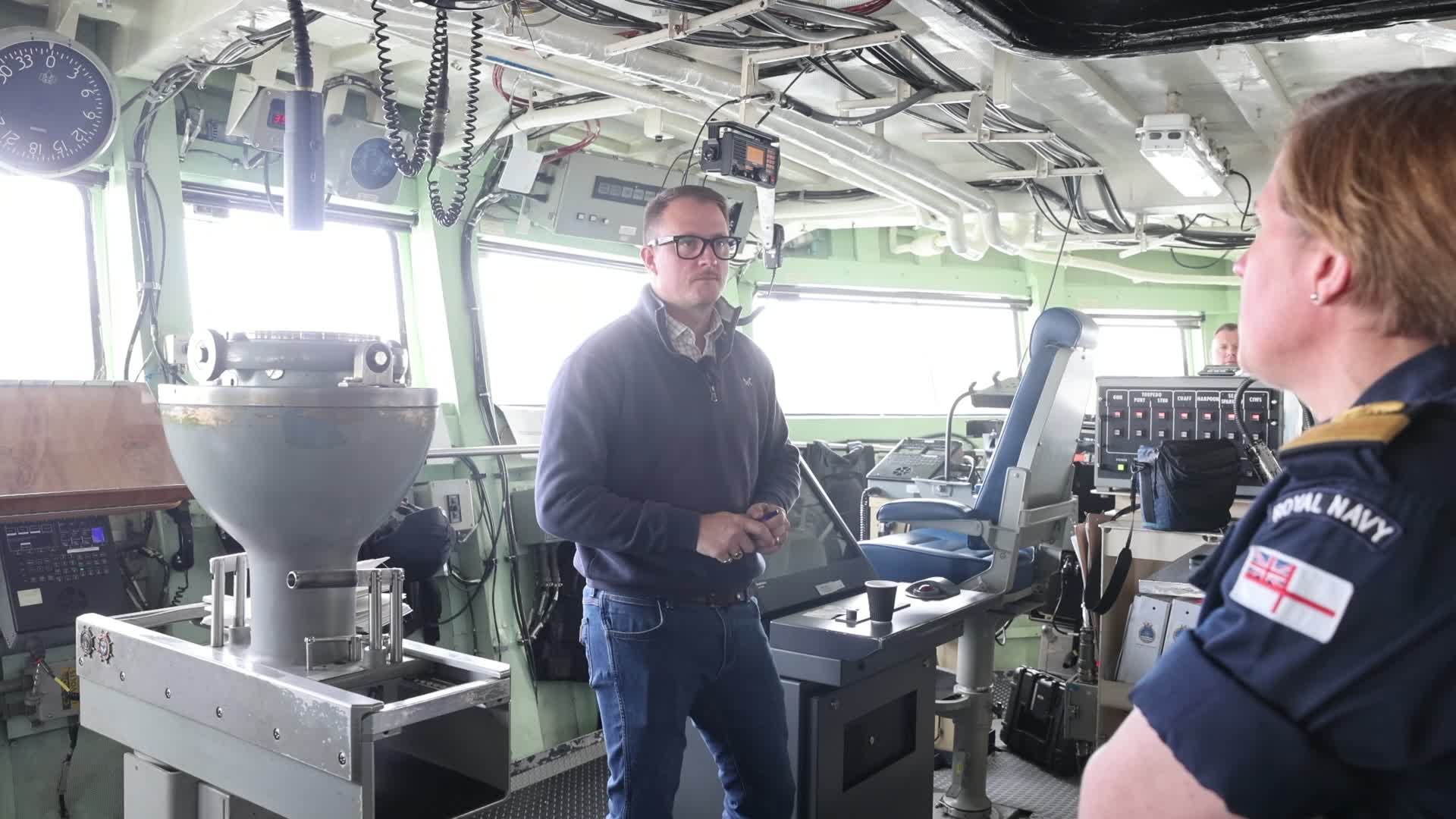
In the coming days, Cdre Ingham will head home. She says she's looking forward to walking her dog with her husband in the Black Mountains, close to her home in Wales.
She joked that the first thing that usually happens after returning from a prolonged period at sea is that she routinely gets the flu. A price worth paying, perhaps?
"I've been doing this for 27 years, and I wouldn't still be doing it if I didn't love it," she said.
It may be some time before the UK is tasked to provide another commander to SNMG1. When that time comes, who knows, maybe it will be Cdre Ingham's responsibility to choose who that senior officer is.
It occurred to me as we departed her ship, that I may have just spent the morning with a future First Sea Lord of the Royal Navy.
With additional reporting by Alex Walters.
Related topics
Join Our Newsletter